Trumpet Vine
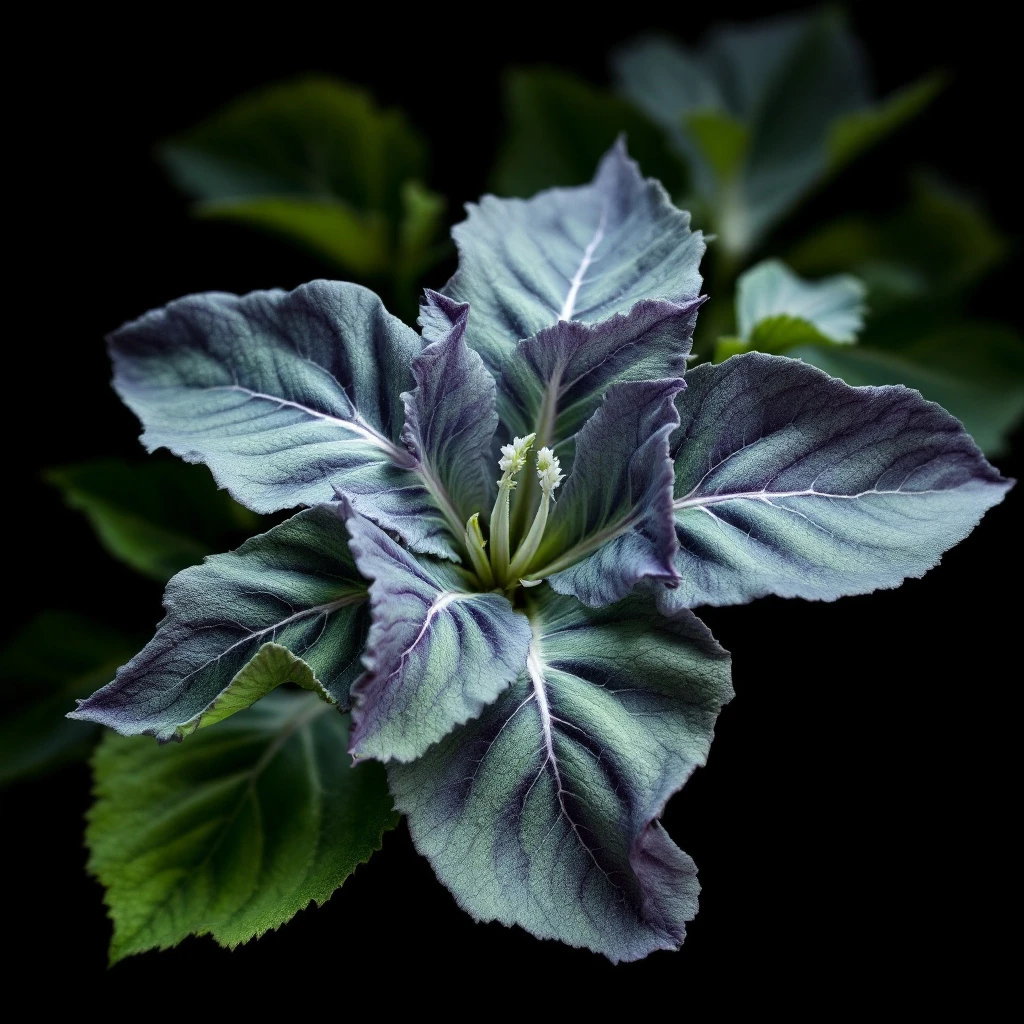
Trumpet Vine captures the wild, sun-drenched essence of American summer meadows. Its honeyed floral warmth and subtle tropical undertones bring a natural exuberance to fragrance compositions, rarely found in cultivated ingredients.
Character
How it smells
Wild American floral with honeyed warmth
Hummingbirds pollinate Trumpet Vine flowers, which may explain the flower's unusually sweet nectar-like scent profile.
Pairs beautifully with

Origin
United States
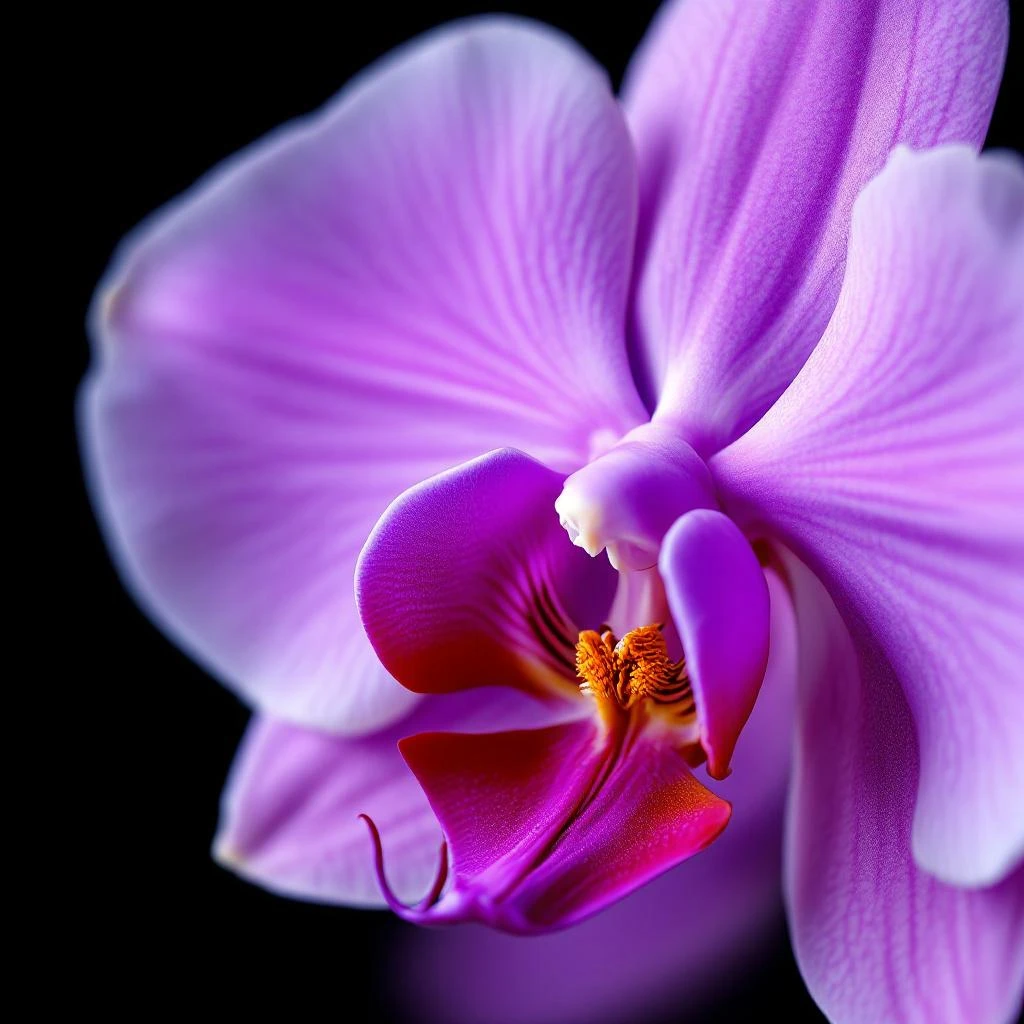
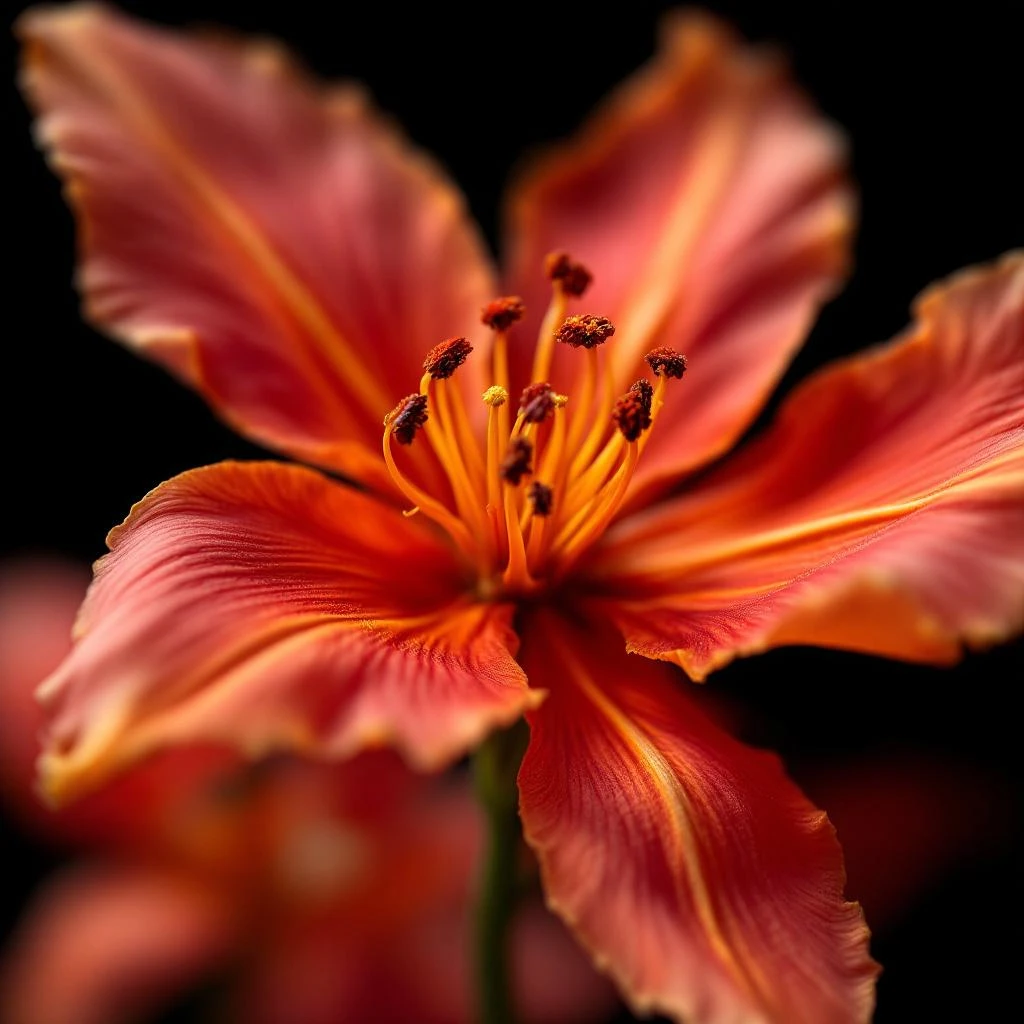
Native to the southeastern United States, Trumpet Vine (Campsis radicans) has grown wild across American landscapes for centuries. Indigenous peoples used the plant medicinally and incorporated its vibrant flowers into ceremonial contexts. During the 19th century, American botanical gardens began cultivating the vine for ornamental display, appreciating its dramatic climbing growth and vivid orange-red blooms.
While perfumers in Europe traditionally favored imported Mediterranean botanicals, a small movement of American fragrance artisans explored native plants like Trumpet Vine in the early 20th century, seeking to create distinctly American scent profiles. Today, the vine remains more celebrated as a garden ornamental than a commercial fragrance ingredient.
Wears it best
Fragrances featuring Trumpet Vine
Brands
Brands known for Trumpet Vine
Good to know
Questions, answered
The essentials on Trumpet Vine in perfumery: how it smells, where it comes from, and how it behaves on skin.
What does Trumpet Vine smell like in perfume?
Trumpet Vine absolute offers a warm, honeyed floral scent with tropical undertones. It brings natural sweetness and a slightly exotic quality to fragrance compositions.
Is Trumpet Vine a common perfumery ingredient?
No, Trumpet Vine remains rare in commercial perfumery. The limited availability of the raw material and challenges in extraction make it an uncommon choice for fragrance makers.
What extraction method produces Trumpet Vine absolute?
Solvent extraction preserves the delicate aromatic molecules in Trumpet Vine flowers. Fresh blooms must be processed quickly after harvesting to maintain scent quality.
Which parts of the Trumpet Vine plant are used for fragrance?
Only the trumpet-shaped flowers are harvested for perfumery. The woody vine and leaves do not contribute meaningful aromatic compounds.
Where is Trumpet Vine native to?
Trumpet Vine grows natively across the southeastern United States, from Virginia to Florida and west to Texas. It thrives in warm climates with full sun exposure.
Can synthetic Trumpet Vine fragrance be used instead of natural?
Fully synthetic Trumpet Vine aroma reconstruction does not exist as a standard fragrance material. Natural extraction remains the only source for this botanical note.
What fragrance families pair well with Trumpet Vine?
Trumpet Vine harmonizes with other florals like honeysuckle and jasmine, and complements warm base notes including amber and sandalwood in summer fragrance blends.
Does Trumpet Vine appear in any well-known perfumes?
Major commercial fragrances rarely feature Trumpet Vine. Artisan and independent perfumers are the primary users of this material, typically highlighting it as a seasonal or limited-edition note.





