Tropical Spices
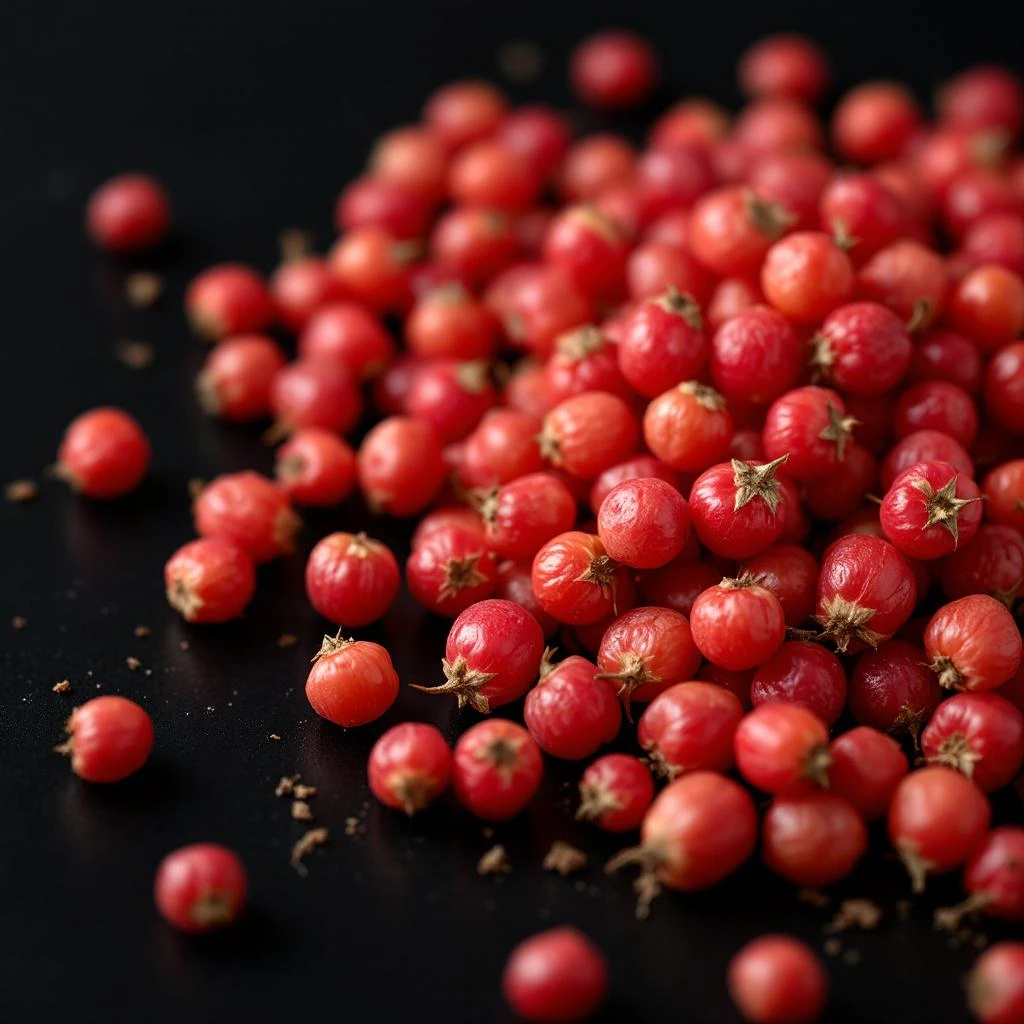
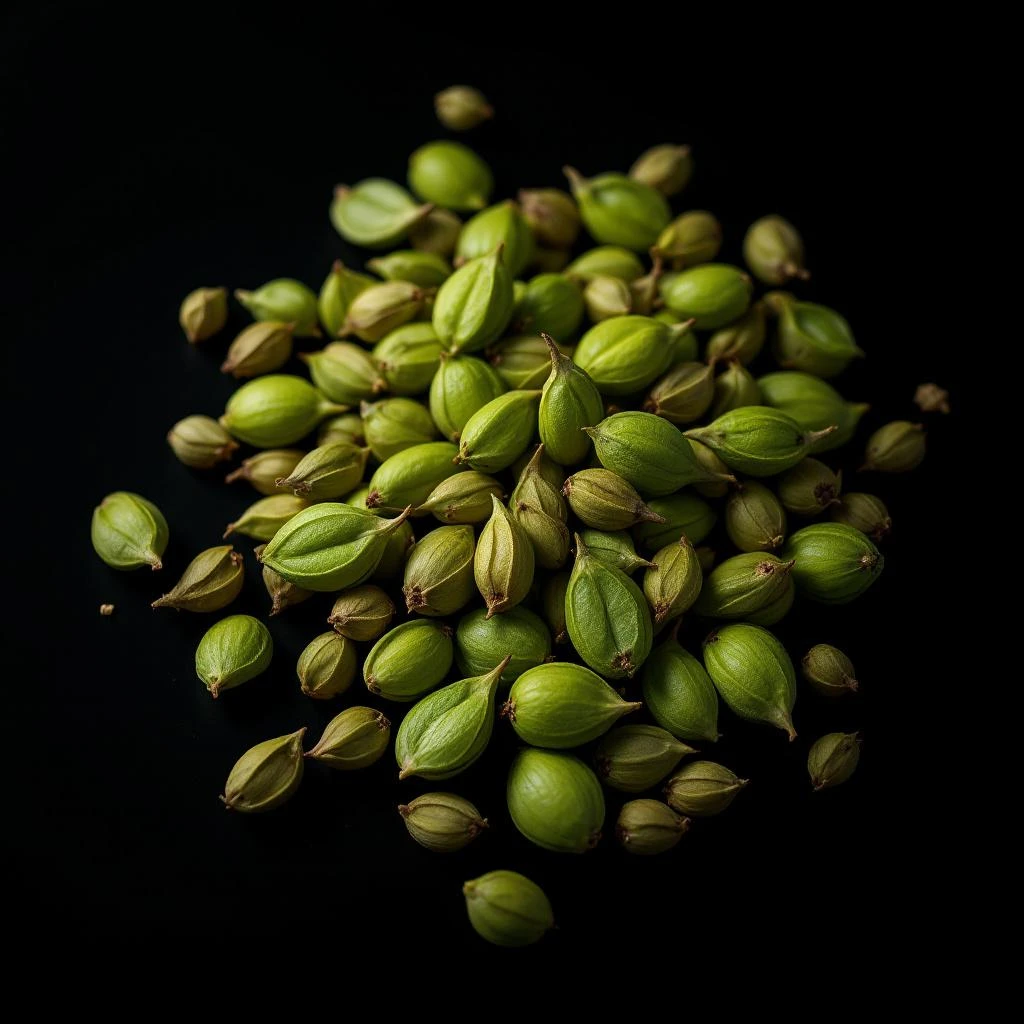
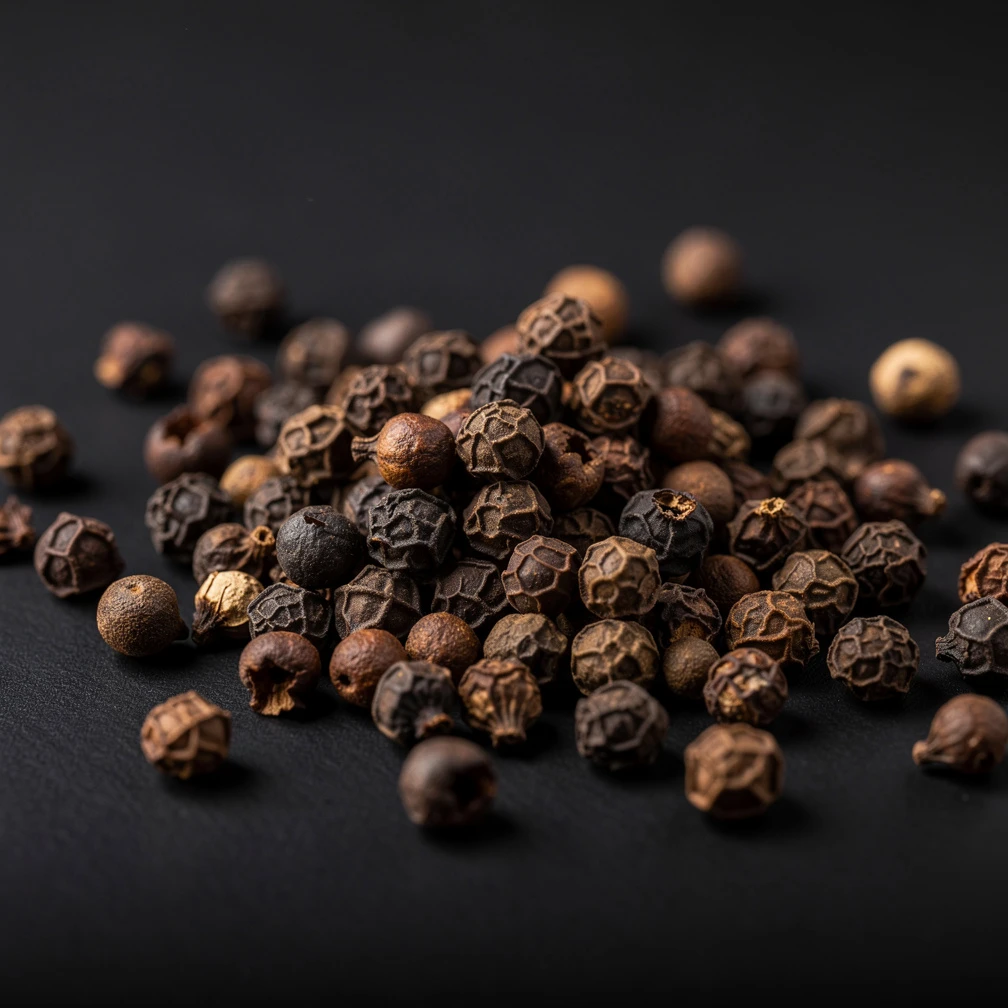
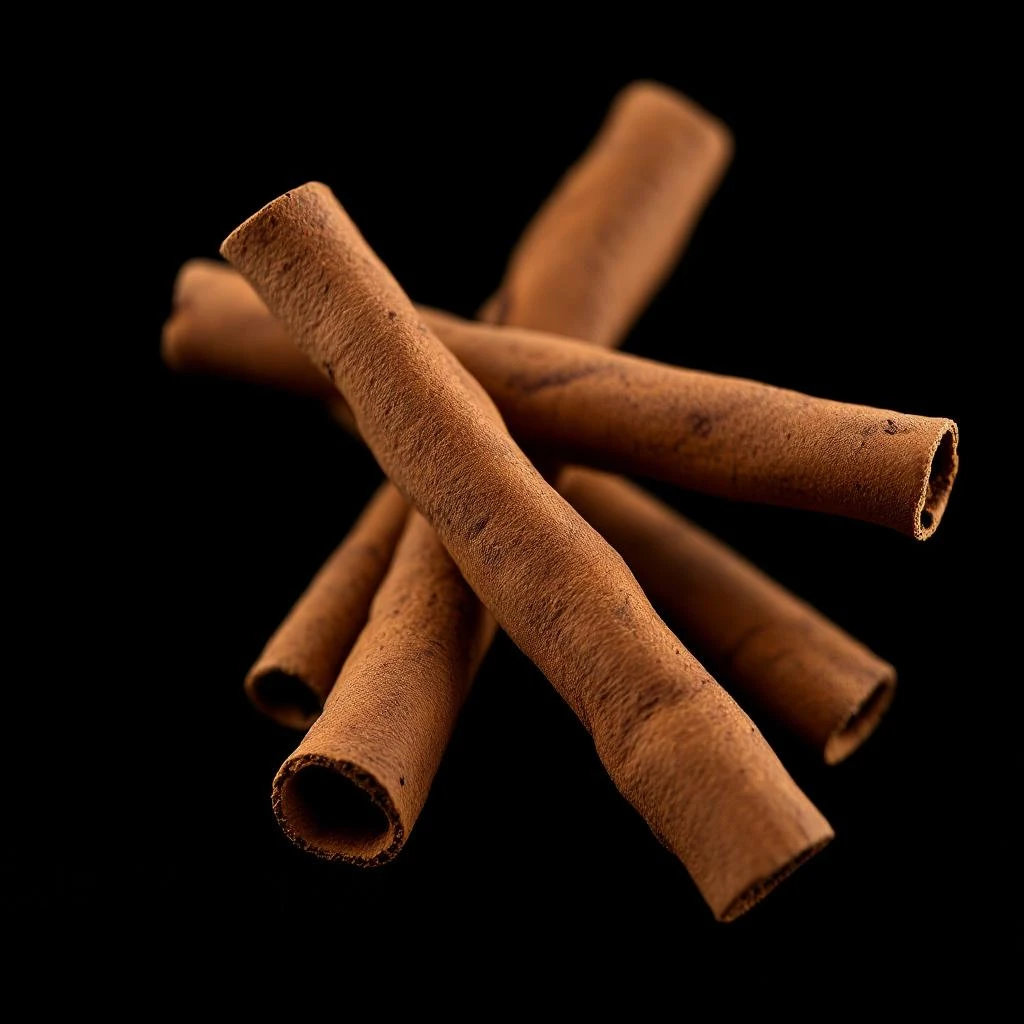
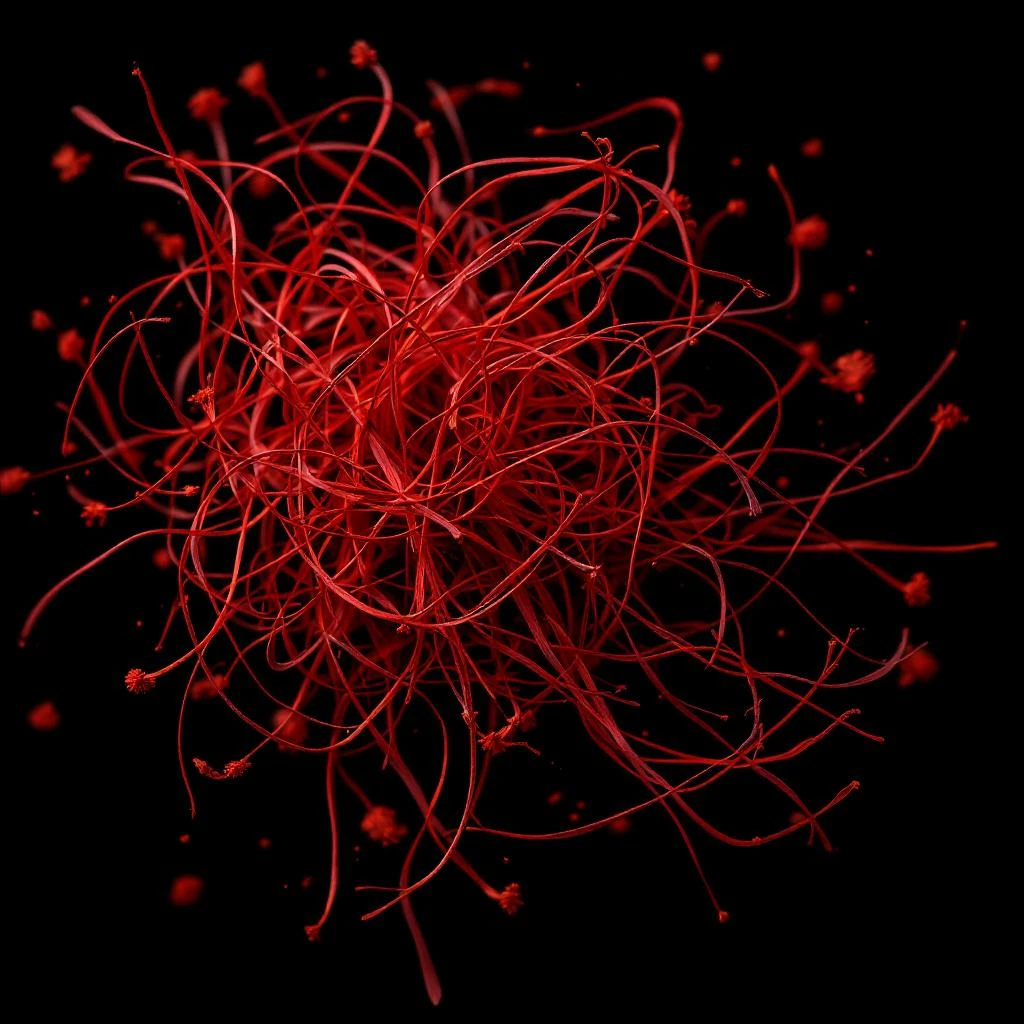
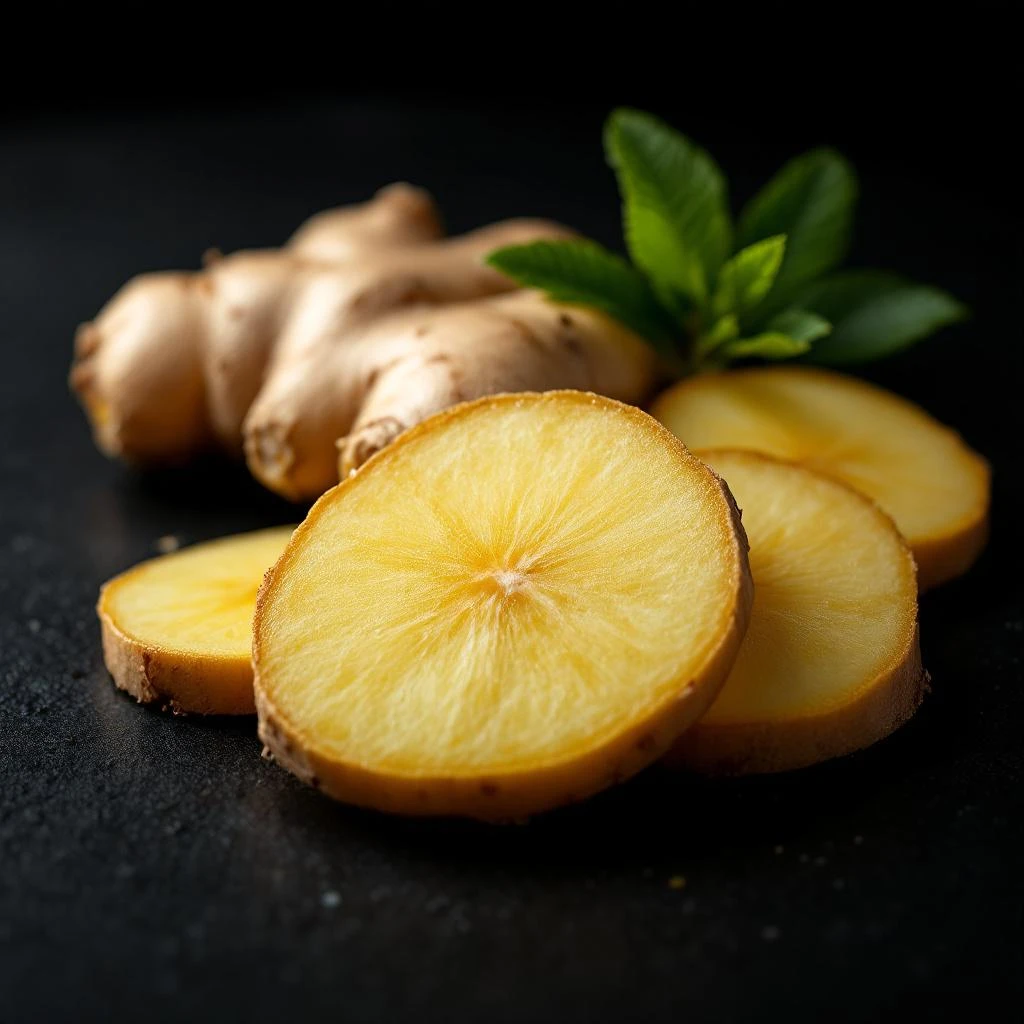
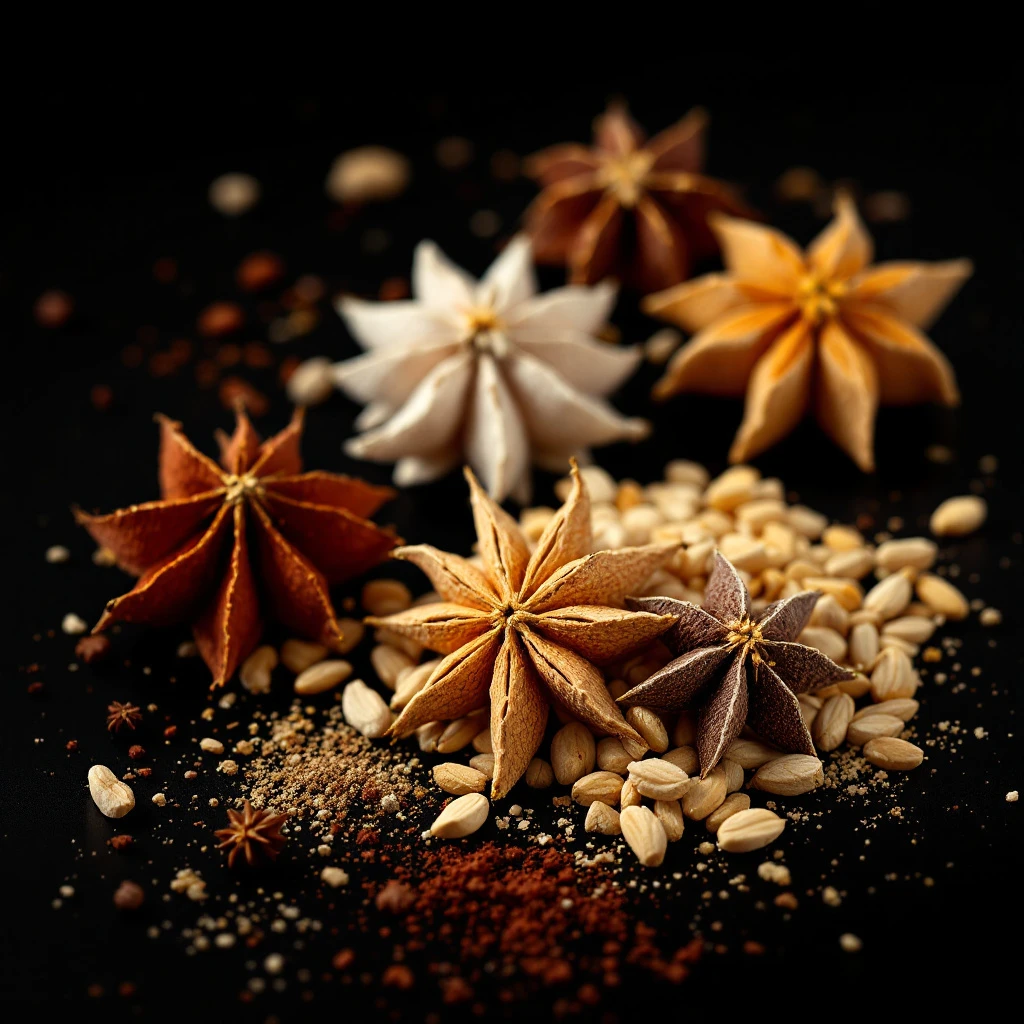
Tropical spices bring warmth, pungency, and sun-warmed resinous depth to a blend. Think pepper, cardamom, nutmeg, clove, ginger, and cinnamon leaf, gathered from equatorial regions where heat concentrates aromatic oils.
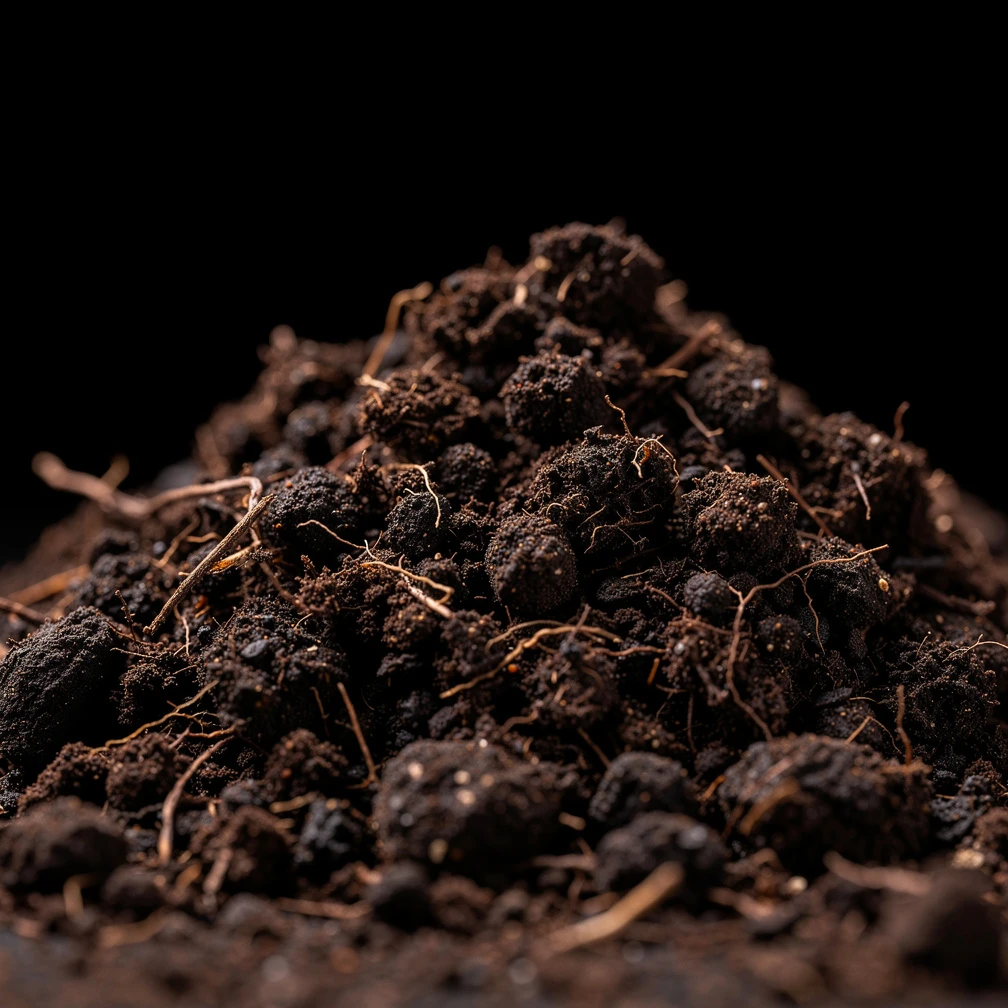
Origin
India (Malabar Coast)
Tropical spices drove the earliest chapters of global perfumery and trade. The Indus Valley civilizations traded cardamom, cinnamon, and turmeric as aromatic goods by 2000 BCE. Arab merchants refined distillation techniques over centuries, with Al-Kindi documenting their aromatic applications in the 9th century.
The Portuguese, Dutch, and British competed violently for control of spice-producing islands from the 15th through 19th centuries, with nutmeg and mace from the Banda Islands once worth more than gold by weight. By the mid-20th century, Madagascar, Indonesia, and the Malabar Coast supplied the bulk of perfumery-grade spice oils. Today, Sri Lanka produces much of the world's true cinnamon bark oil, while Guatemala leads cardamom oil production for fragrance applications.
The category entered Western fine fragrance heavily through orientalist compositions of the 1880s and remains a backbone accord in both masculine and gourmand compositions.
Wears it best
Fragrances featuring Tropical Spices
Brands
Brands known for Tropical Spices
Good to know
Questions, answered
The essentials on Tropical Spices in perfumery: how it smells, where it comes from, and how it behaves on skin.
What does tropical spices mean in perfumery?
Tropical spices refers to a category of warm, pungent aromatic materials sourced from equatorial regions. Common examples include black pepper, cardamom, nutmeg, clove, ginger, and cinnamon. They contribute heat, depth, and a resinous quality to fragrance compositions.
Are tropical spices natural or synthetic in perfume?
Both forms exist naturally and as synthetic reconstructions. Natural spice oils are steam-distilled from dried plant material, while isolates like eugenol (from clove) or cinnamaldehyde (from cinnamon) can be reproduced synthetically for consistency and cost efficiency.
What does the tropical spices note smell like?
The tropical spices accord smells warm, sharp, and slightly sweet with varying nuances: pepper adds dry pungency, nutmeg contributes a soft woody warmth, clove brings medicinal intensity, and ginger offers a clean citrus-like heat.
Which perfumes use tropical spices prominently?
Tropical spices anchor many oriental and spicy compositions. Examples include Yves Saint Laurent Opium, with clove and pepper among its dominant notes, and Serge Lutens Cinq Aurès, which highlights cumin and other warm spice materials in a classical apothecary style.
Where are perfumery-grade tropical spices grown?
Major producing regions include India's Malabar Coast for pepper, Sri Lanka and Madagascar for cinnamon, Indonesia for nutmeg and clove, and Guatemala for cardamom. These equatorial climates concentrate the volatile oils that perfumers prize.
How are tropical spice oils extracted for perfume?
Most tropical spice oils come from steam distillation of dried berries, seeds, bark, or rhizomes. The plant material sits on a perforated screen above boiling water; steam carries the volatile aromatics into a condenser, where the oil separates from the hydrosol.
Are tropical spices the same as warm spices in fragrance?
Tropical and warm spices overlap significantly but differ in geographic sourcing. Warm spices can include Mediterranean materials like coriander and cumin, while tropical spices specifically refer to materials grown in equatorial regions, primarily South and Southeast Asia.
When were tropical spices first used in perfume?
Tropical spices appear in aromatic applications as early as 3300 BCE in the Indus Valley civilizations, where cardamom, cinnamon, and turmeric served perfumery and ritual purposes. Arab chemists later codified their use in the 9th century, spreading recipes across medieval trade networks.