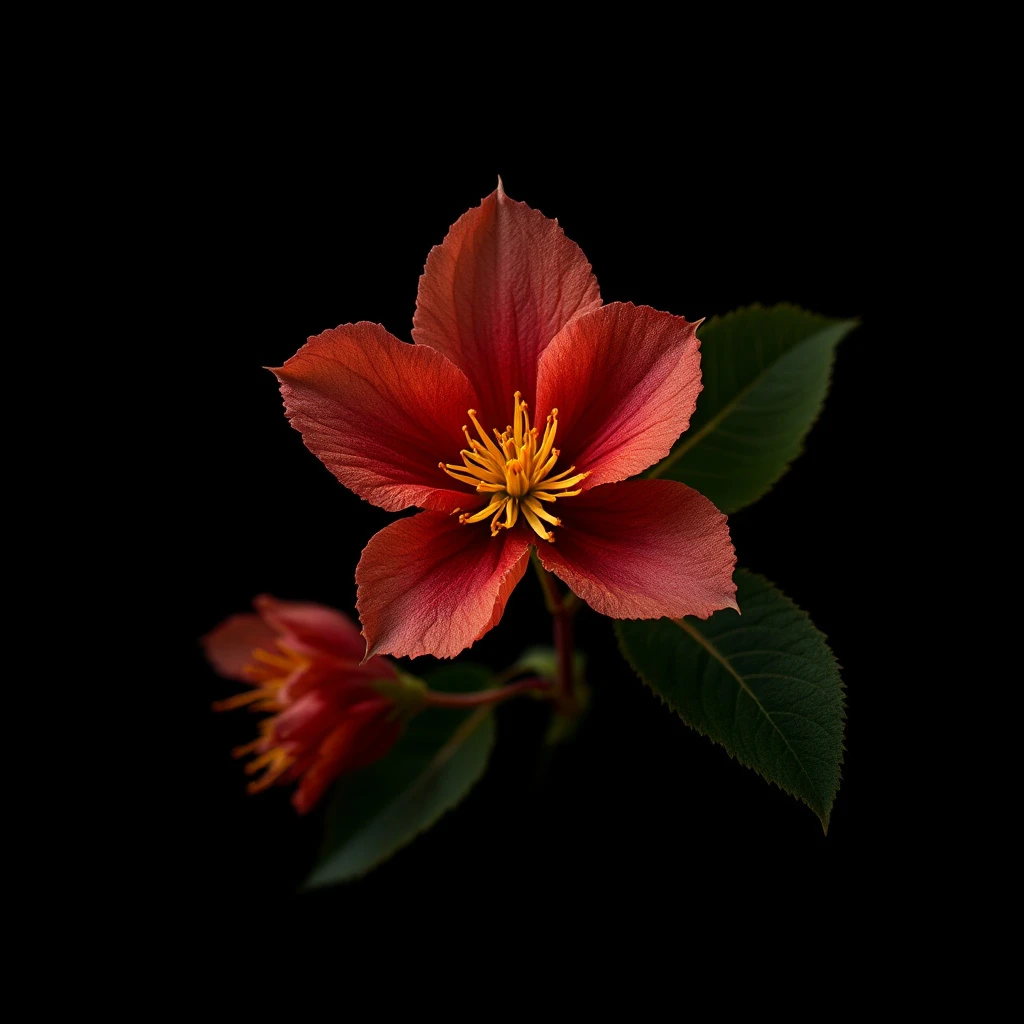
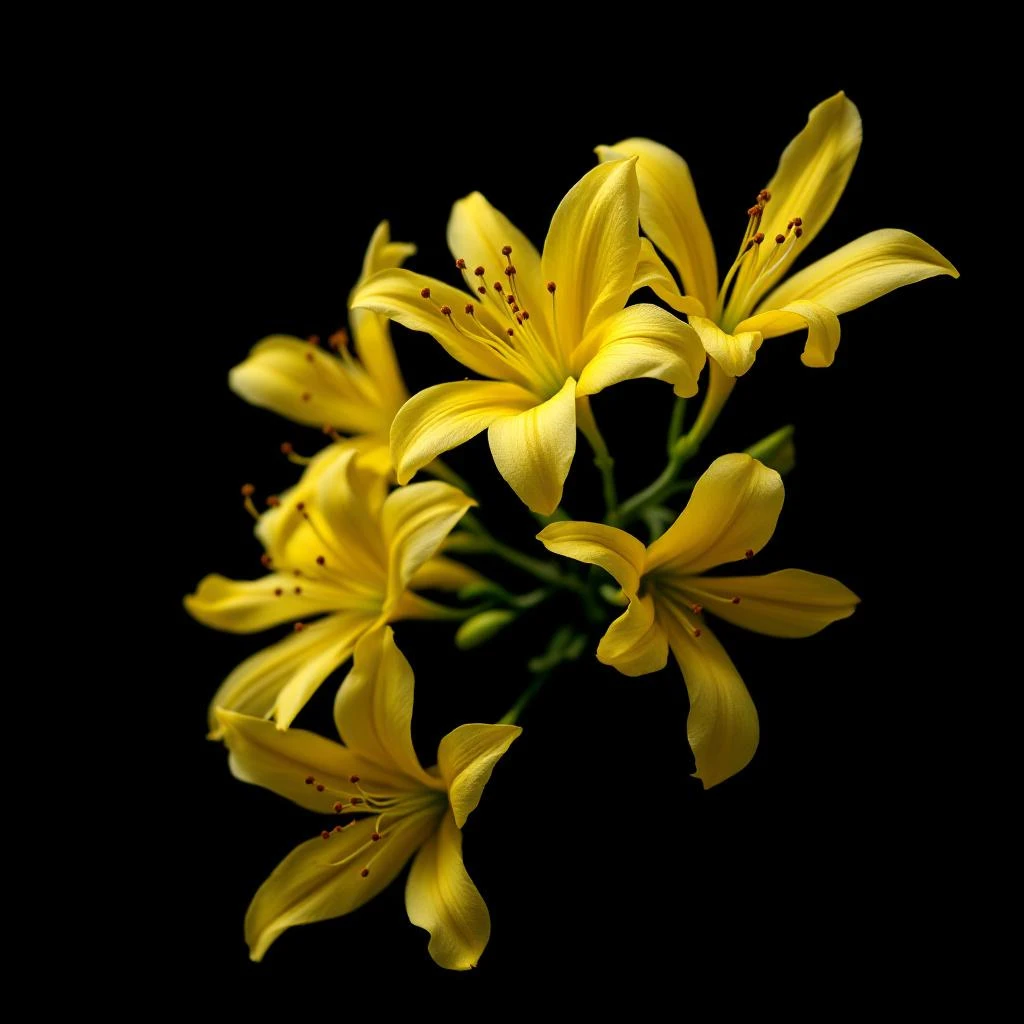
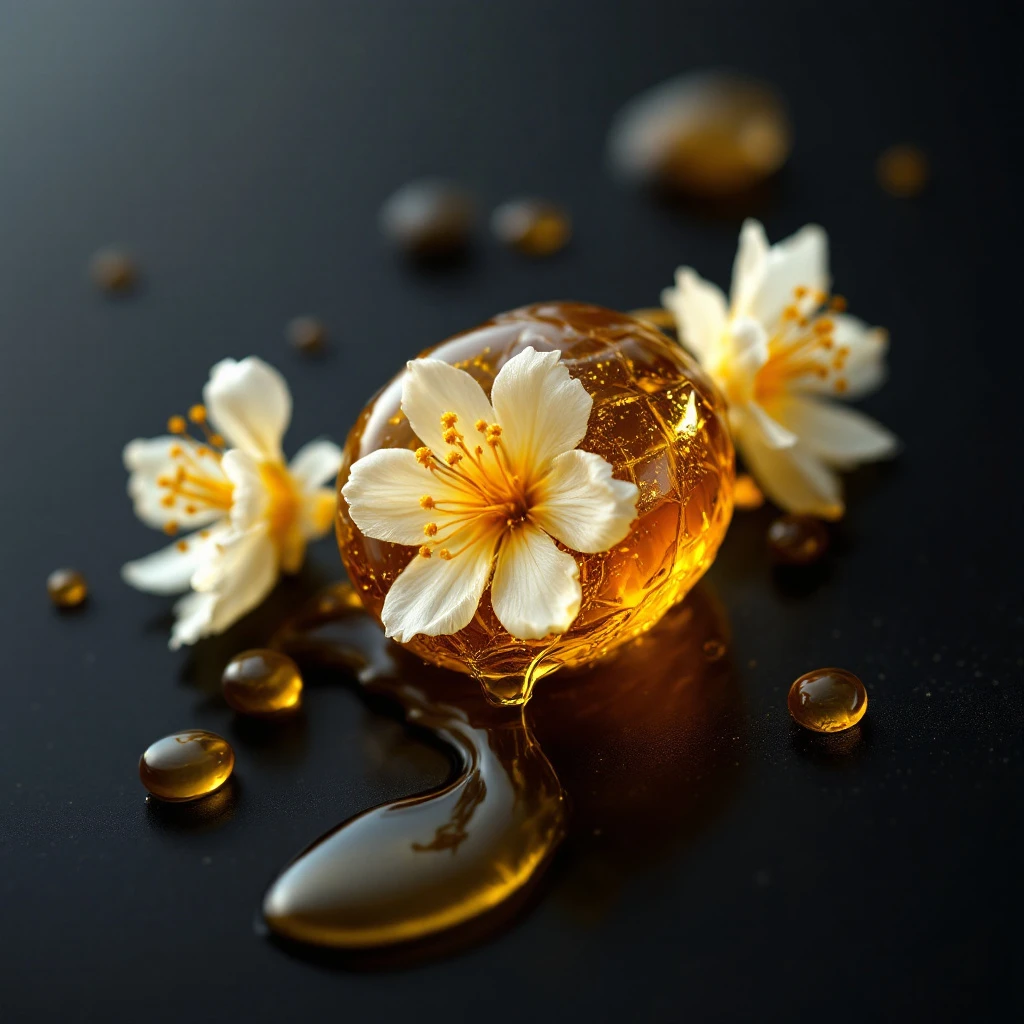
Tamarind blossom
The sweet-tart floral essence of the tamarind tree, offering a unique blend of honeyed warmth and tropical acidity rarely found in perfumery.
Character
How it smells
Tropical sweetness with an unexpected tang.
Tamarind trees can live for over 200 years, with some specimens in India said to be centuries old.



Origin
India
Tamarind originated in East Africa, where it has grown wild for millennia, and ancient traders carried it across the Indian Ocean to India and Southeast Asia. Indian merchants then spread the tree throughout the Malay Archipelago and across to the Americas during the colonial era.
In India, tamarind became embedded in Ayurvedic tradition and daily cooking, while in Mexico it became foundational to moles and beverages. The tree holds religious significance in Hindu culture, and Asian immigrants brought tamarind to the Caribbean, where it flavors drinks and candies.
In perfumery, tamarind absolute emerged as perfumers sought exotic Gourmand materials that captured edible, tropical character. Though not as celebrated as rose or jasmine in fragrance history, tamarind has quietly influenced tropical and Gourmand compositions, valued for its complexity and its ability to evoke the tangy-sweet character of tropical markets.
Wears it best
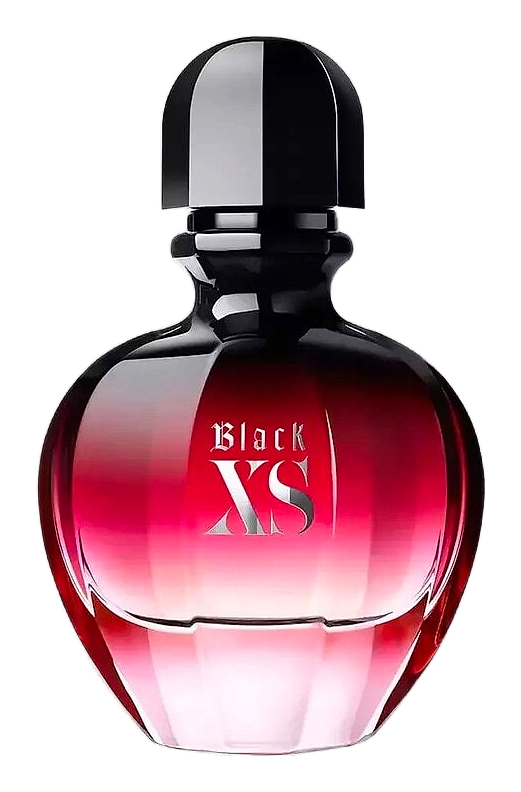
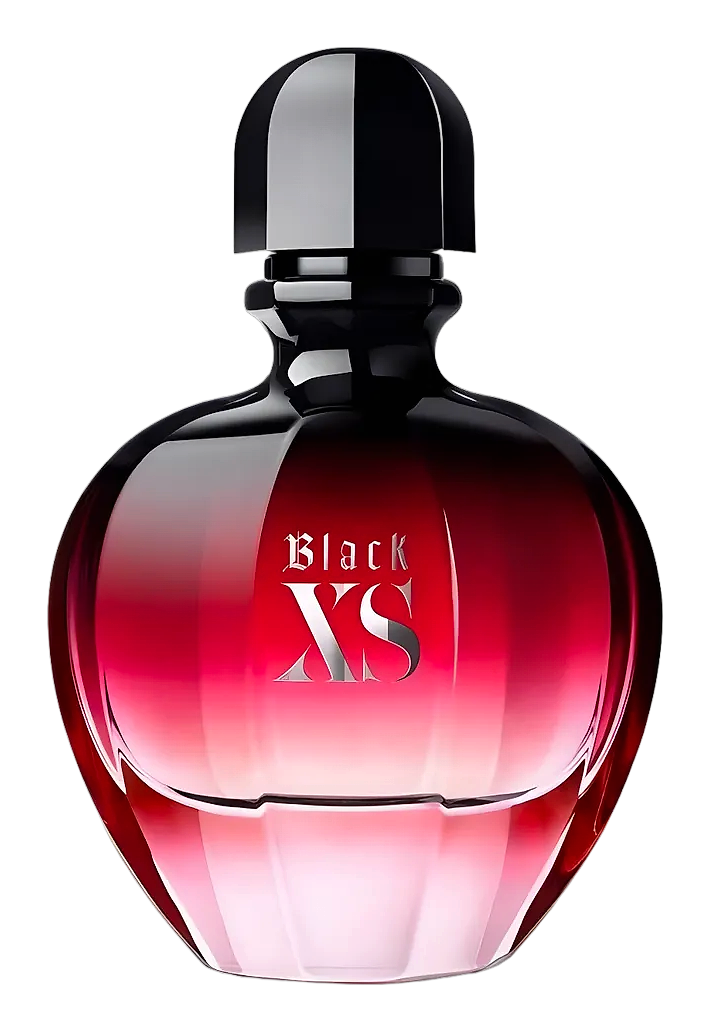
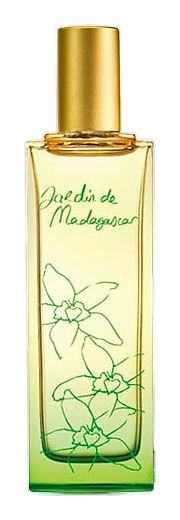
Fragrances featuring Tamarind blossom
Brands
Brands known for Tamarind blossom
Good to know
Questions, answered
The essentials on Tamarind blossom in perfumery: how it smells, where it comes from, and how it behaves on skin.
What does tamarind absolute smell like?
Tamarind absolute offers caramel and fig sweetness with tangy, wine-like acidic undertones. The overall effect is sweet-tart and Gourmand, reminiscent of dried tropical fruit.
Is tamarind used in perfumery?
Yes, tamarind absolute is used in niche and luxury fragrances, particularly in Gourmand and tropical scent families. Its sweet-tart character adds complexity to compositions.
Is tamarind blossom a natural ingredient?
Natural tamarind absolute comes from the fruit pulp of Tamarindus indica using solvent or supercritical CO2 extraction. It is not synthetic.
What fragrance families use tamarind?
Tamarind appears in Gourmand and tropical fragrances. It pairs well with vanilla, tonka bean, coconut, and tropical florals like ylang-ylang.
Where does tamarind grow?
Tamarind is native to tropical Africa but widely cultivated in India, Southeast Asia, and Mexico. India and Thailand are major producers for commercial use.
Is tamarind related to other perfumery ingredients?
Tamarind belongs to the legume family (Fabaceae). It shares botanical territory with other tropical materials but is unique in its sweet-tart aromatic profile.
How rare is tamarind in perfumery?
Tamarind absolute is relatively uncommon compared to mainstream ingredients like rose or sandalwood. Only a limited number of fragrances feature it prominently.
Can tamarind be replaced synthetically?
While some aromatic molecules in tamarind can be synthesized, the full complexity of natural tamarind absolute is difficult to replicate. Synthetic alternatives tend to lack its depth.