Christmas rose
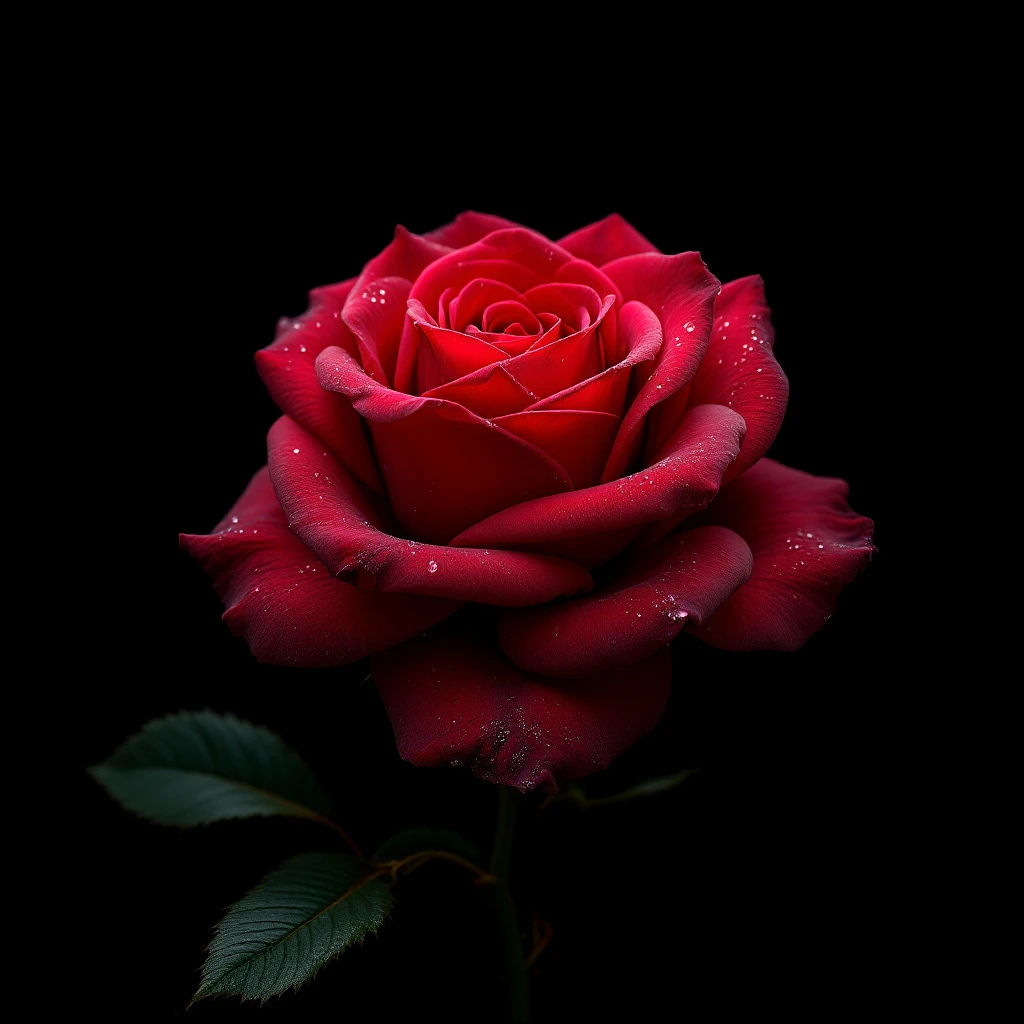
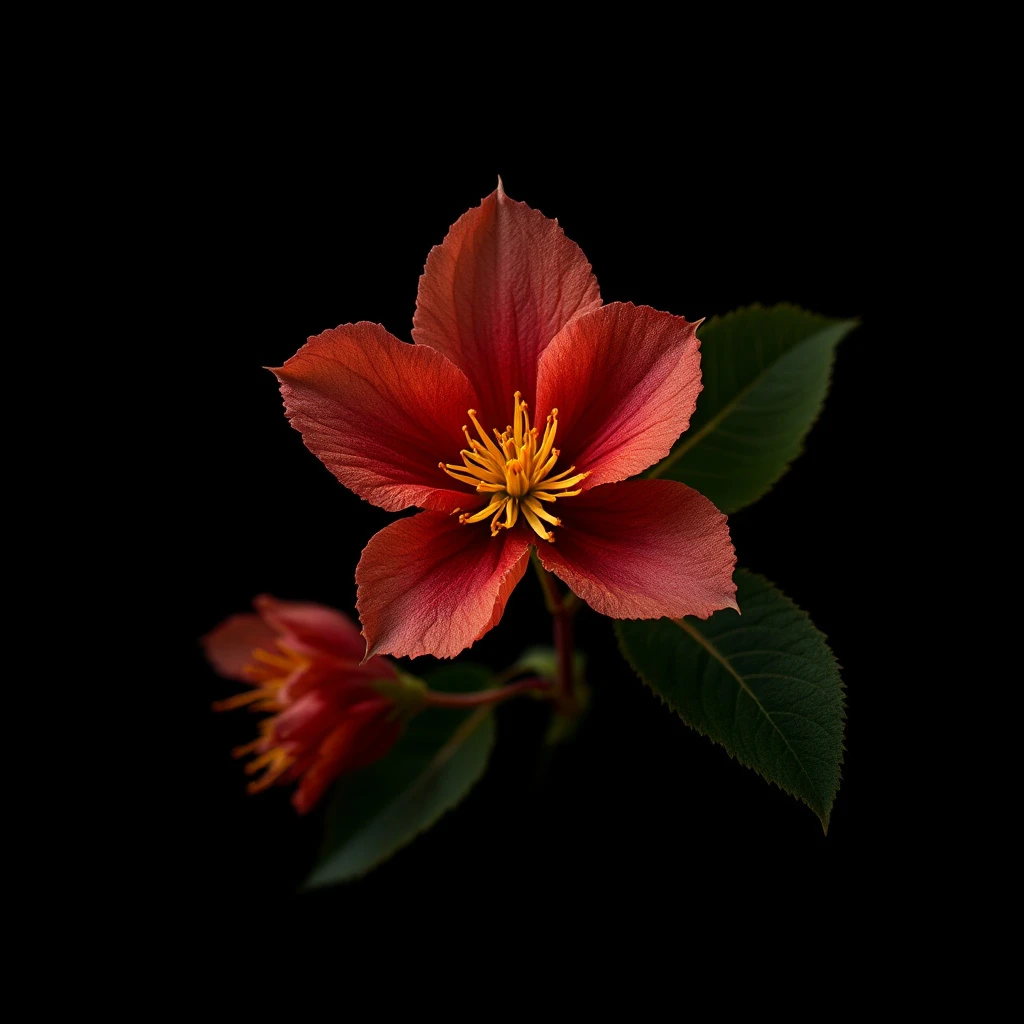
Christmas rose (Helleborus niger) is a winter-blooming hellebore, not a true rose. Native to Alpine regions of Central Europe, it blooms beneath snow, offering perfumers a rare, cold-season floral note with musky, green undertones rarely found in warmer months.
Character
How it smells
Winter's secret bloom defies the frost
Christmas rose flowers in December through February when most gardens lie dormant, earning its name from its uncanny ability to bloom in frozen soil.





Origin
Austria
Helleborus niger earned its Christmas rose common name from its remarkable winter-blooming habit observed across Alpine monasteries and gardens of Central Europe. Monks cultivated the plant in monastery gardens specifically for winter beauty when few other plants survived. Ancient sources from the Mediterranean region mention hellebores in medicinal contexts, though historical use was primarily herbal rather than aromatic.
The plant's association with Christmas emerged from European folklore that traced its origin to tears shed by a young shepherd who had no gift to offer the infant Christ, and where her tears fell, the Christmas rose bloomed. While true roses have ancient perfumery documented across Persian, Egyptian, and Roman civilizations, Christmas rose remained primarily a garden ornamental throughout most of recorded history. Its rare appearance in fragrance represents a modern rediscovery by perfumers seeking unusual cold-season florals.
Today, conservation-minded sourcing ensures wild populations remain protected while cultivated supplies serve the niche demands of independent perfumers.
Wears it best
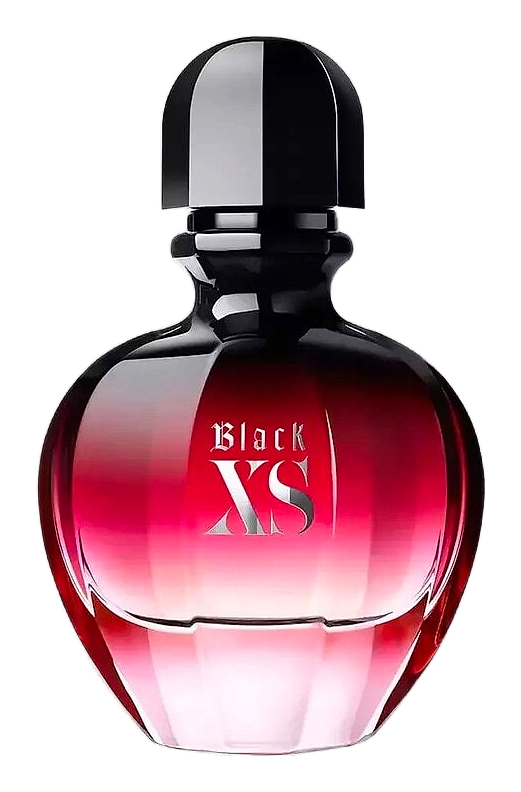
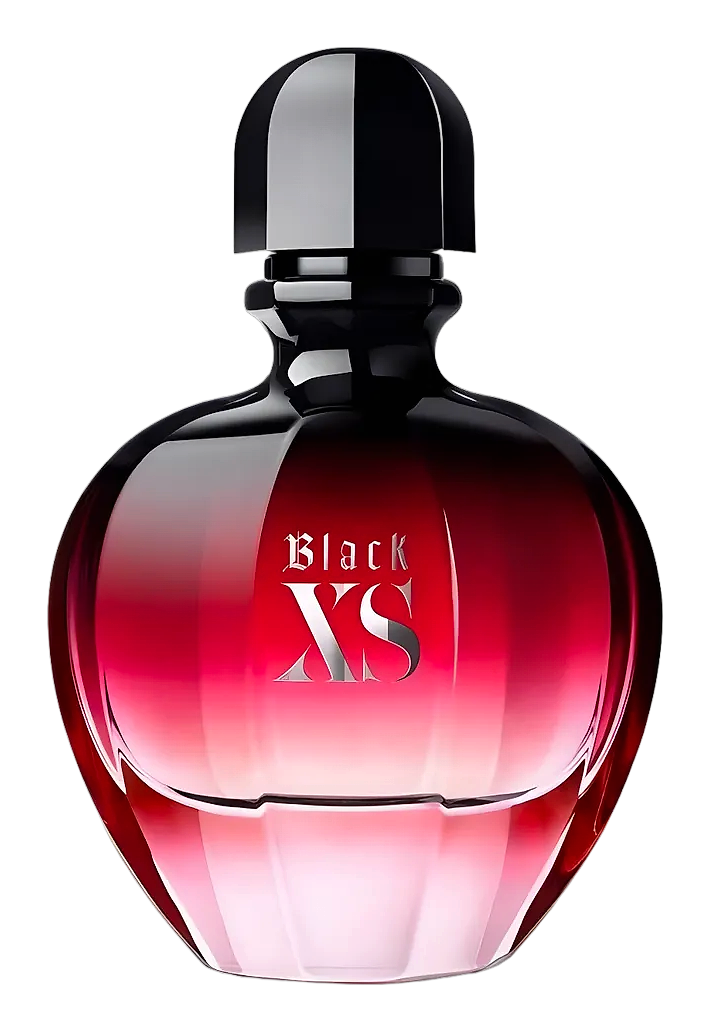
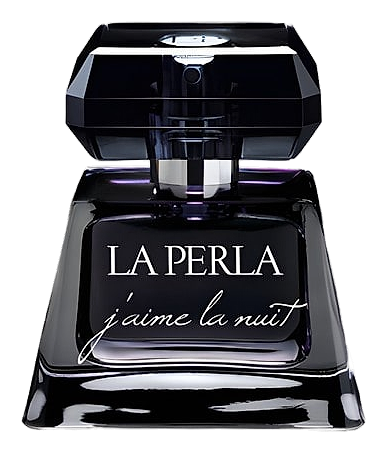
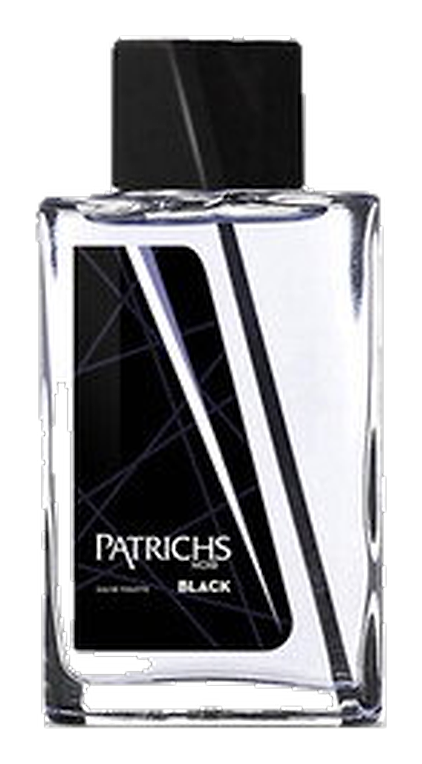
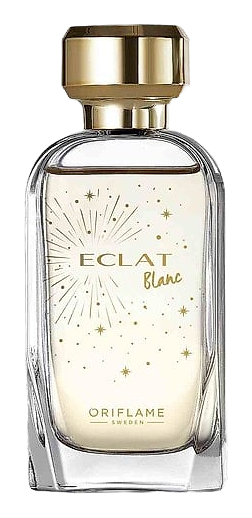
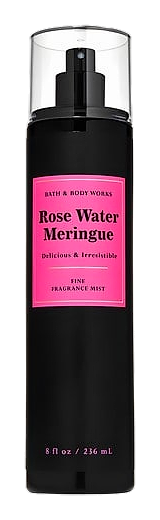
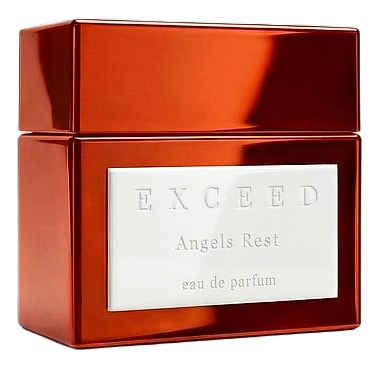
Fragrances featuring Christmas rose

Good to know
Questions, answered
The essentials on Christmas rose in perfumery: how it smells, where it comes from, and how it behaves on skin.
Is Christmas rose a true rose species?
No. Christmas rose (Helleborus niger) is a hellebore, a member of the Ranunculaceae family. The name reflects its winter bloom time rather than botanical relation to true roses.
How common is Christmas rose in perfumery?
Christmas rose is exceptionally rare in commercial fragrances. Most major perfume houses do not use it due to limited supply and the complexity of obtaining usable material.
What does Christmas rose smell like?
Christmas rose offers green-floral notes with musky undertones, distinctly different from Rosa damascena. The scent has a cool, wintry quality that resembles fresh-cut stems and subtle white florals.
Is Christmas rose safe to use in skin products?
Fresh Christmas rose contains protoanemonin, which can cause skin irritation. Professional extraction processes neutralize this compound, making properly processed materials suitable for cosmetic use.
When does Christmas rose bloom?
Christmas rose blooms from December through February, often pushing through snow cover. This winter flowering period is the source of both its common name and its cultural significance.
How is Christmas rose harvested for perfumery?
Cultivators hand-pick flowers during the brief winter bloom, typically within narrow temperature windows. Harvesting in freezing conditions requires specialized knowledge to protect plant quality.
Are there synthetic alternatives to Christmas rose?
No direct synthetic equivalent exists for Christmas rose. Its unique cold-season character makes it difficult to replicate with available aroma chemicals, preserving its status as a rare natural material.