Tahitian vanilla CO2
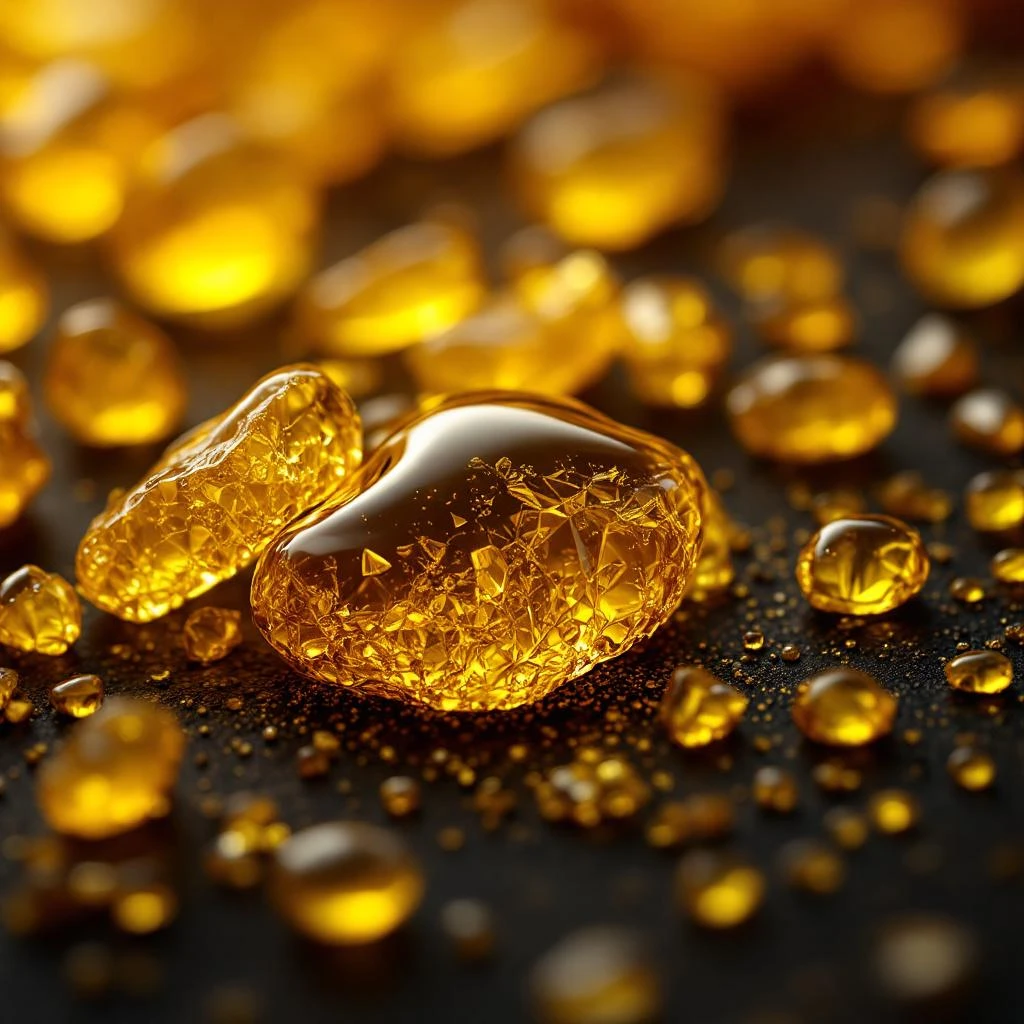
Tahitian vanilla CO2 captures the sun-drenched sweetness of Polynesian orchid pods, yielding a rounder, floral vanilla with cherry-anise undertones absent from Bourbon varieties.
Character
How it smells
Floral Polynesian sweetness beyond basic vanilla
Tahiti produces less than 1% of global vanilla yet commands premium prices for its unique floral-fruity character prized in fine perfumery.




Origin
French Polynesia
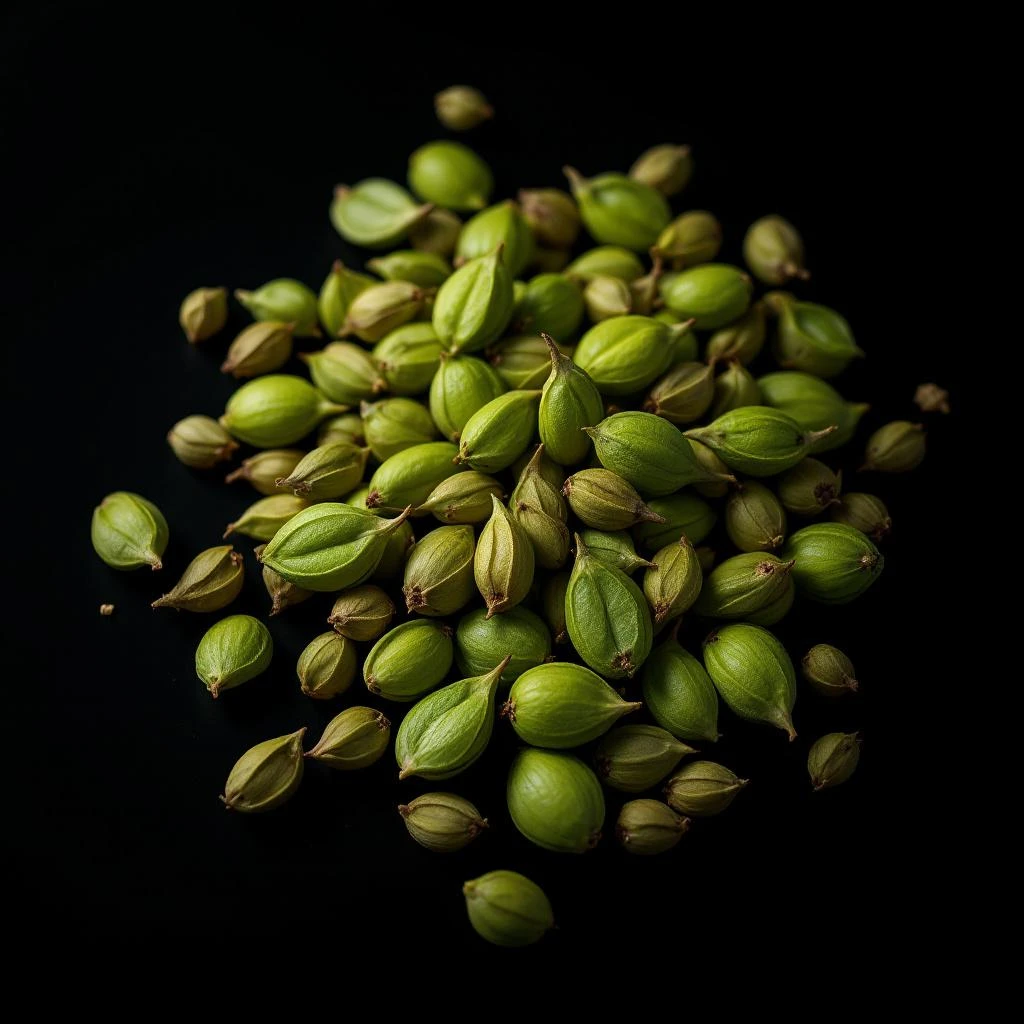
Vanilla's journey to Tahiti began when French colonizers transported vanilla cuttings from Mexico in the 1840s. Mexico remains vanilla's ancestral home, where the Vanilla planifolia orchid evolved alongside native Melipona bees for natural pollination.
The 1841 discovery by 12-year-old Edmond Albius on Réunion Island of hand-pollination techniques unlocked vanilla cultivation outside Mexico, enabling global spread including French Polynesia. Tahitian vanilla developed distinct characteristics over generations of cultivation, shaped by volcanic soils, humid climate, and artisanal curing methods unique to the islands.
Unlike Bourbon vanilla from Madagascar, Tahitian varieties carry floral and fruity undertones that perfumers value for their complexity. The combination of manual pollination, labor-intensive curing, and limited growing region makes Tahitian vanilla among the most prized materials in natural perfumery, representing centuries of agricultural adaptation.
Wears it best
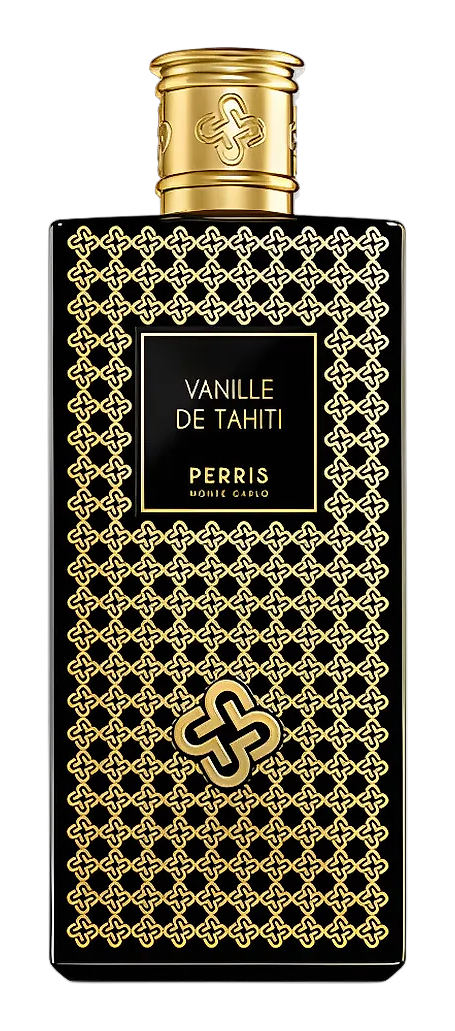
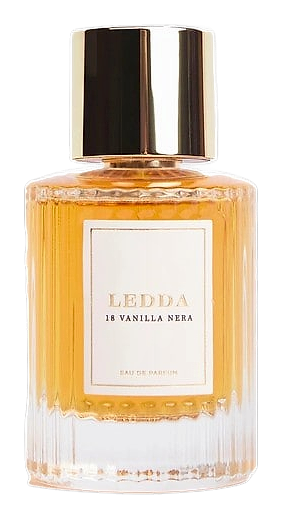
Fragrances featuring Tahitian vanilla CO2
Brands
Brands known for Tahitian vanilla CO2
Good to know
Questions, answered
The essentials on Tahitian vanilla CO2 in perfumery: how it smells, where it comes from, and how it behaves on skin.
What makes Tahitian vanilla different from Bourbon vanilla in perfumery?
Tahitian vanilla carries floral and fruity undertones—reminiscent of cherry and anise—that Bourbon varieties lack. Bourbon vanilla offers classic creamy sweetness; Tahitian adds aromatic complexity valued in sophisticated warm compositions.
How does CO2 extraction benefit vanilla as a perfume ingredient?
CO2 extraction operates at lower temperatures than steam distillation, preserving delicate volatile compounds that give Tahitian vanilla its distinctive floral character. This produces a more complete aromatic profile than conventional methods.
What fragrance families pair well with Tahitian vanilla CO2?
Warm orientals, Gourmand compositions, and Floral-Amber scents complement Tahitian vanilla naturally. It pairs exceptionally well with benzoin, tonka, sandalwood, and white florals like jasmine and ylang-ylang.
Why is Tahitian vanilla more expensive than other vanilla extracts?
Tahiti produces less than 1% of global vanilla. The labor-intensive hand-pollination, nine-month pod development, and months of curing combined with limited growing region command premium pricing for this specialty ingredient.
What compounds create Tahitian vanilla's unique scent?
Tahitian vanilla contains over 250 identified compounds, including vanillin as primary odorant. Its floral character comes from phenylacetaldehyde and other esters; fruity notes derive from compounds developed during the unique curing process in volcanic island conditions.
How does CO2-extracted vanilla differ from vanilla absolute?
Solvent extraction produces vanilla absolute with superior odor retention and a thick, resinous character. CO2 extraction is particularly effective for capturing delicate Tahitian notes, yielding an extract closer to the raw material's full complexity.
Can synthetic vanillin replace natural Tahitian vanilla in perfumery?
Synthetic vanillin provides only the primary molecule. Natural Tahitian vanilla CO2 contains 250+ compounds including floral esters and fruity undertones that create depth and authenticity no synthetic replicate can fully reproduce.
What makes Tahitian vanilla suitable for natural perfumery?
CO2 extraction requires no chemical solvents, producing a clean extract using only compressed carbon dioxide. This aligns with natural perfumery principles while preserving the full aromatic complexity that defines Tahitian vanilla's character.