Synthetic Florals
Synthetic florals are lab-created aromatic molecules that replicate or reimagine flower scents. They form the foundation of modern perfumery, giving perfumers precise control over fragrance character.
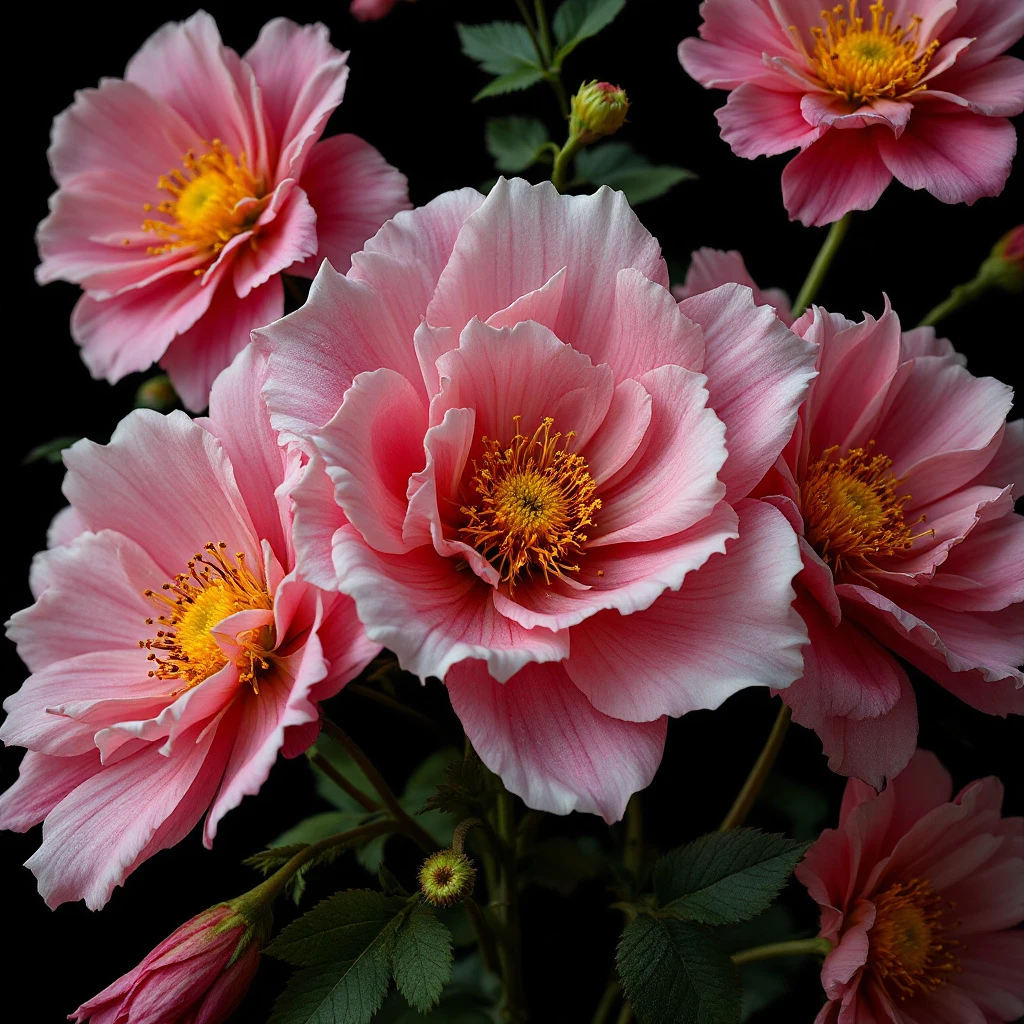
Character
How it smells
Flowers born from chemistry, not nature.
Chanel No. 5 proved synthetic florals could smell more like flowers than actual flowers when it launched in 1921.
Pairs beautifully with
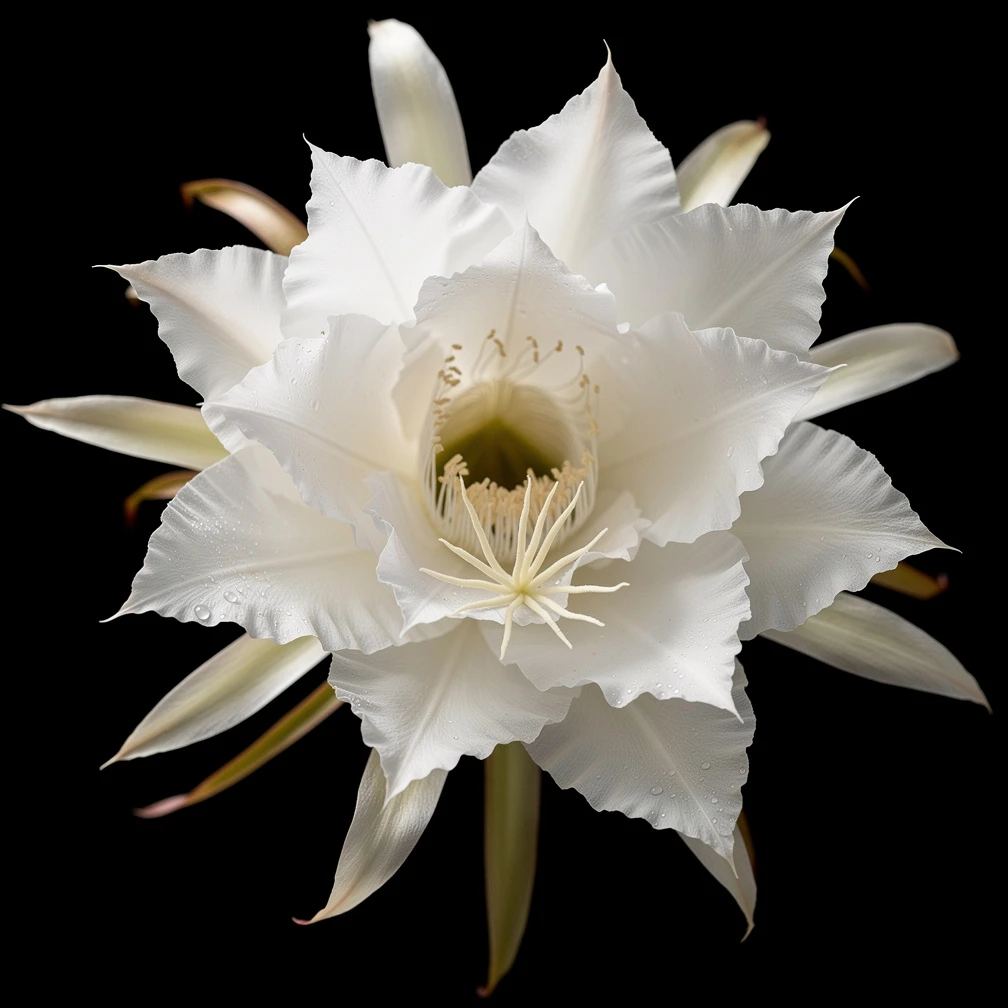

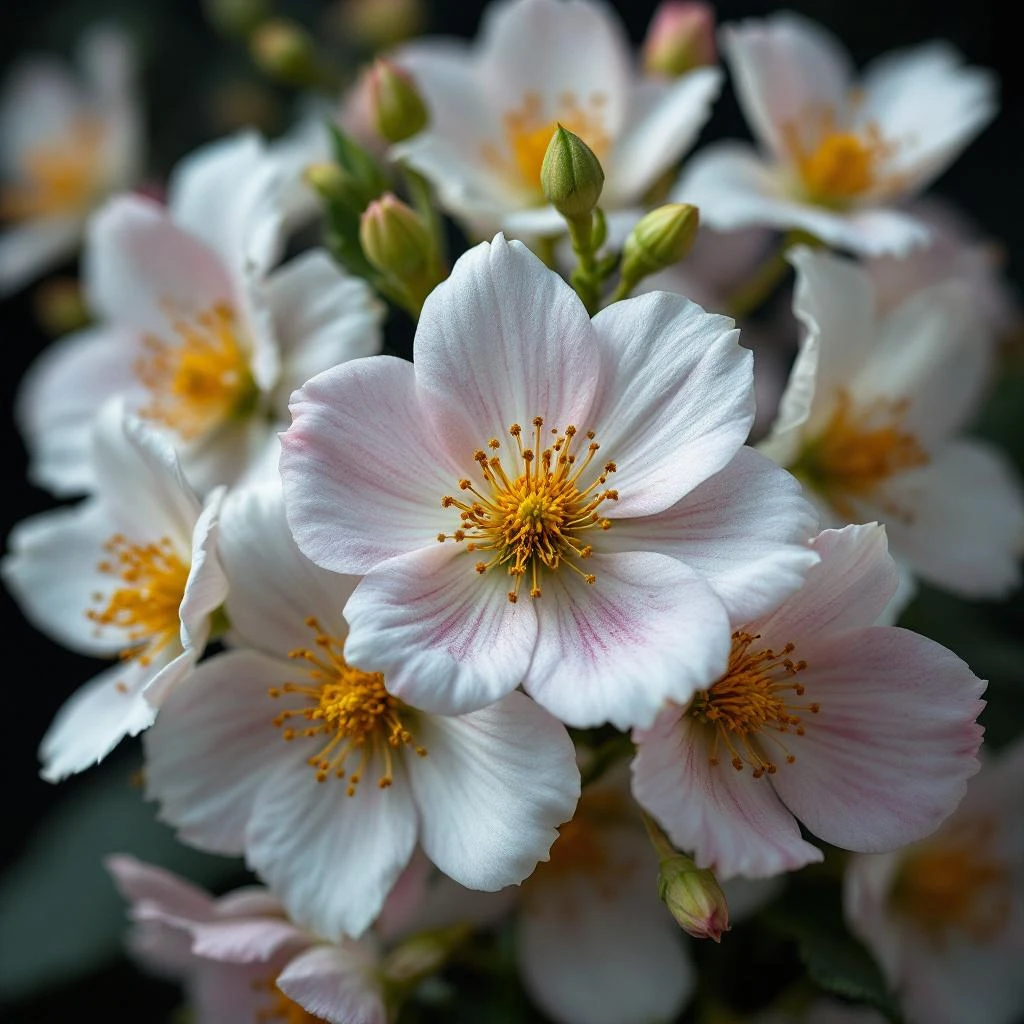
Origin
France
The first synthetic aromatic compound was coumarin, isolated from tonka beans in 1826. But the true breakthrough came in 1874 when vanillin synthesis proved that complex fragrance molecules could be constructed in a laboratory. Modern perfumery took shape between 1889 and 1921 in Paris, when perfumers began incorporating synthetic ingredients at scale.
Chanel No. 5 changed everything in 1921 with its aldehydic floral structure, demonstrating that chemistry could surpass nature. Synthetic florals democratized luxury fragrances by making production scalable and affordable.
They also expanded the perfumer's palette beyond botanical limitations, enabling entirely novel scent experiences that nature never created.
Wears it best
Fragrances featuring Synthetic Florals
Brands
Brands known for Synthetic Florals
Good to know
Questions, answered
The essentials on Synthetic Florals in perfumery: how it smells, where it comes from, and how it behaves on skin.
What are synthetic florals in perfumery?
Synthetic florals are lab-created aromatic molecules designed to replicate or reimagine flower scents. They form the largest and most diverse family of aroma compounds used in modern perfumery.
How are synthetic florals manufactured?
Manufacturers build these compounds from simpler chemical building blocks through controlled molecular synthesis. Techniques include aldol condensation, esterification, and catalytic hydrogenation to create precise aromatic structures.
Why do perfumers use synthetic florals?
Synthetic florals offer batch-to-batch consistency and creative freedom impossible with natural ingredients. Natural materials vary by season and climate, while synthetics deliver reliable results and enable scents not found in nature.
Are synthetic florals safe to use?
Regulatory bodies like the International Fragrance Association require extensive toxicological testing before commercial use. Compounds undergo decades of safety evaluation before appearing in consumer products.
Can synthetic florals replace natural flower scents?
Some flower notes like lilac and lilyl-of-the-valley exist only as synthetic recreations because extraction yields no usable material. Others like jasmine and rose can be partially or fully replicated synthetically for cost efficiency.
When did synthetic florals first appear?
The emergence of modern perfumery with synthetic ingredients is symbolically dated to 1874 with vanillin synthesis. Chanel No. 5 in 1921 marked the true beginning of the synthetic floral revolution.
Do synthetic florals make fragrances cheaper?
By reducing dependence on scarce natural ingredients, synthetic florals lowered production costs and made quality fragrances accessible to broader markets without sacrificing olfactory sophistication.
Are synthetic florals better or worse than natural ingredients?
They complement rather than replace natural ingredients. Naturals provide complexity and emotional resonance, while synthetics enhance floralcy, extend longevity, and ensure consistency. Most luxury fragrances use both.





