Sweat
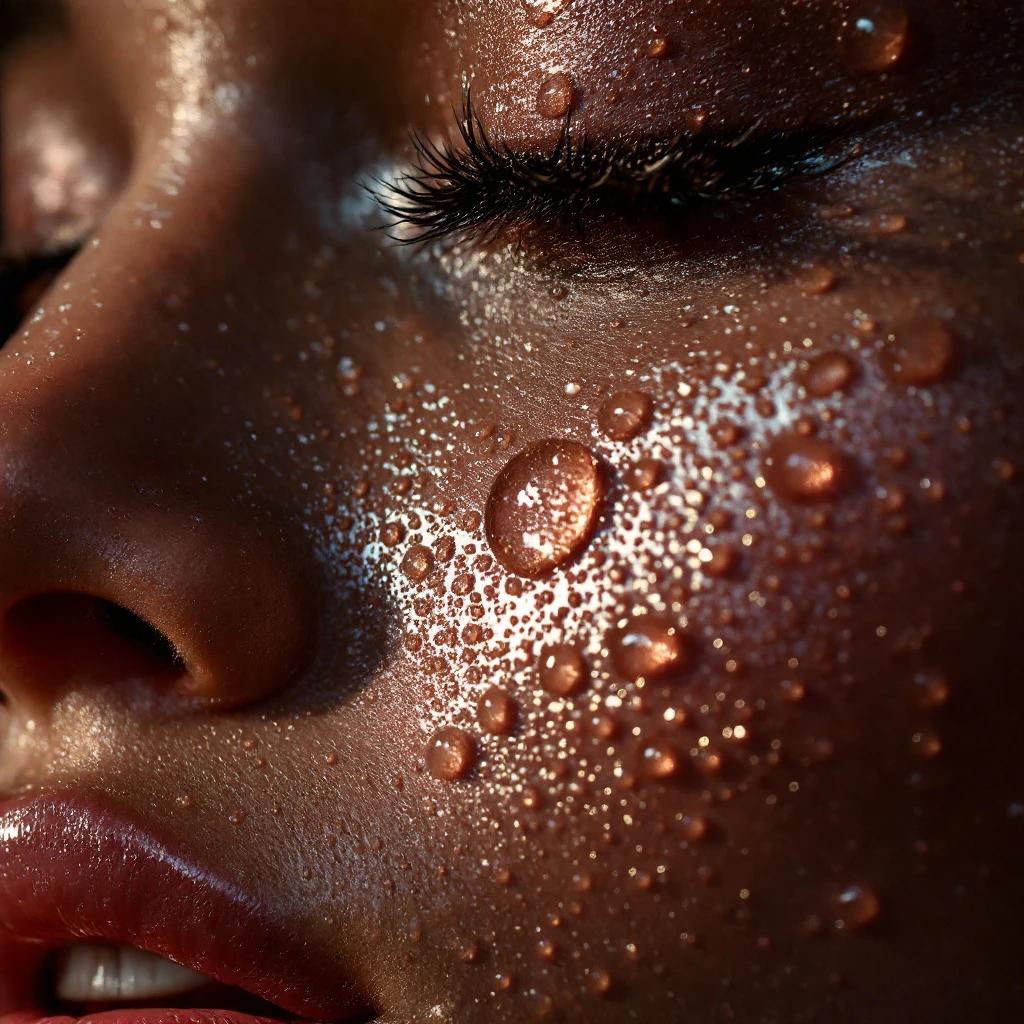
Sweat in perfumery is not a literal ingredient but a conceptual note that captures the primal, skin-close character of human biology. It describes animalic, musky, and faintly salty facets that emerge when fragrance bonds with warm skin, creating an intimate olfactory signature.
Character
How it smells
The skin remembers: where fragrance meets biology.
Human sweat itself contains over 200 identified compounds, including lactic acid, urea, and various fatty acids that each interact differently with fragrance molecules on skin.







Origin
Switzerland
Before synthetic chemistry, perfumers captured sweat-like qualities through animalic materials: civet from African civet cats, castoreum from beaver glands, and ambergris from sperm whale digestive systems. These ingredients provided the primal, intimate character that linked fragrance to human biology. Ancient Egyptian perfumers used fermented animal materials to create unguents that evolved on skin in precisely this way.
The Islamic Golden Age advanced distillation techniques, enabling Arab chemists to concentrate and purify aromatic materials. Yet animalic notes remained essential to perfumery through the European Renaissance and into the 19th century. Grasse's tanneries supplied leather-workers who noticed their skin absorbed aromatic molecules, contributing to France's emergence as the perfume capital by the 17th century.
The 20th century transformed this history. In 1895, musk honeysuckle was identified as a key sweat-component molecule. By the 1950s, synthetic musks like Galaxolide began replacing animal ingredients entirely. By 2023, biotech production had made animalic perfumery virtually obsolete. Today, sweat-like notes in fragrance represent a bridge between our most primal olfactory heritage and cutting-edge molecular science.
Wears it best
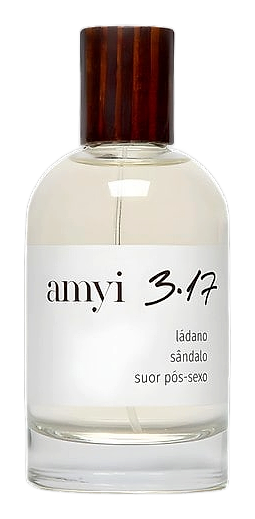
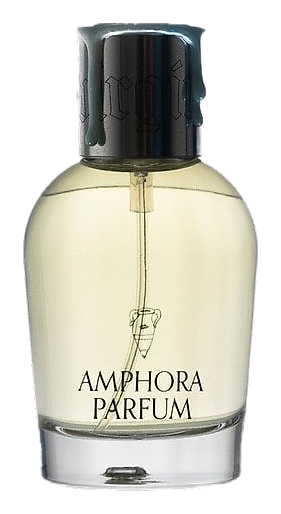
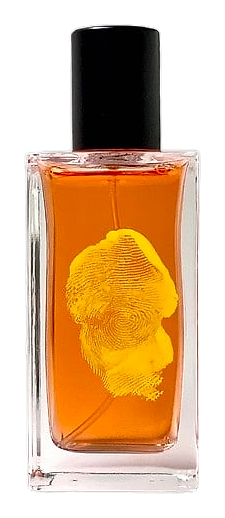
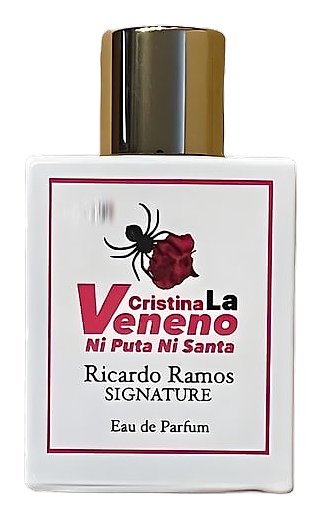
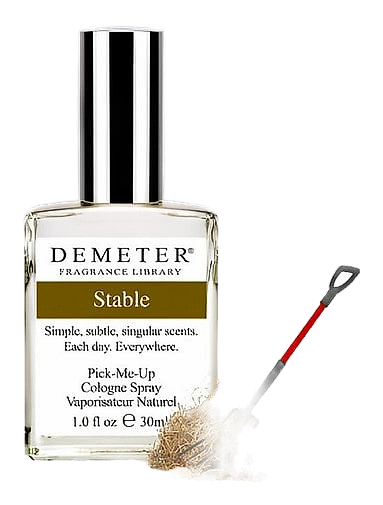
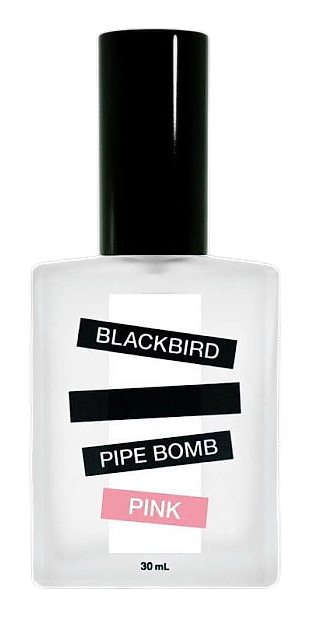
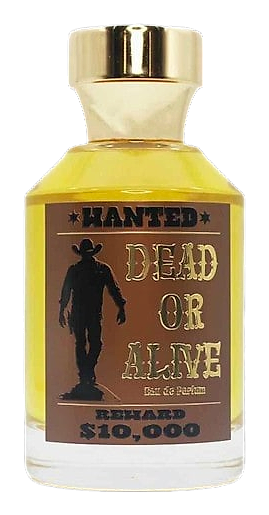
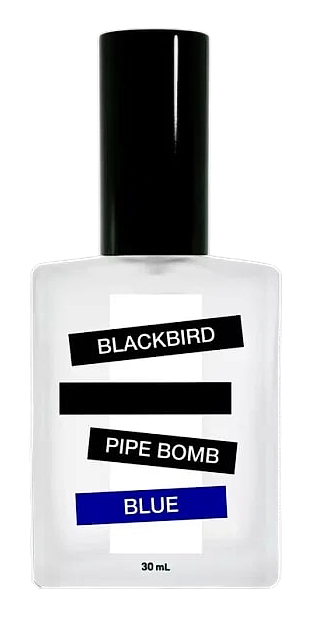
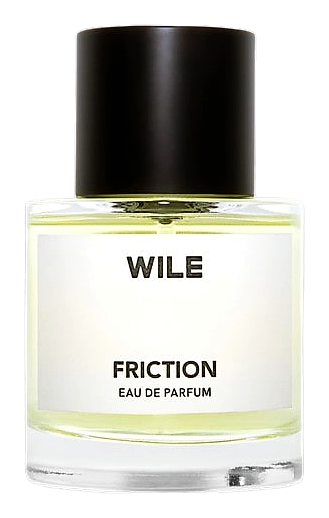
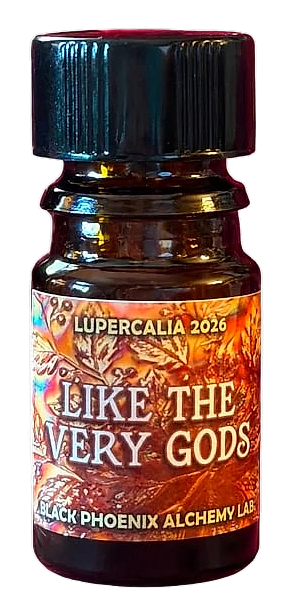
Fragrances featuring Sweat

Good to know
Questions, answered
The essentials on Sweat in perfumery: how it smells, where it comes from, and how it behaves on skin.
What does Sweat smell like in perfume?
Sweat in perfume describes warm, musky, and slightly salty qualities that emerge when fragrance bonds with skin. It presents as animalic and intimate rather than unpleasant, capturing biology's raw signature before gentle musks smooth it into something approachable.
Why is Sweat used in perfumery?
Sweat notes add biological realism and skin-close character to fragrances, creating an intimate wearing experience. These materials help fragrances evolve personally on each wearer, contributing to the modern preference for personalized scent signatures.
Is Sweat in perfume natural or synthetic?
Sweat-related notes are almost entirely synthetic. Modern biotech produces molecules like Exaltolide and Ambrettolide that replicate skin-like qualities without animal ingredients. This shift occurred dramatically after 1950 when synthetic musks became commercially viable.
What famous perfumes contain Sweat?
Many modern fragrances contain synthetic musks that provide sweat-like qualities, though this is rarely listed explicitly. Clean, skin-like fragrances and oriental fragrances typically feature these notes prominently in their dry-down phases.
Is Sweat a top note, heart note, or base note?
Sweat qualities most commonly appear as base notes because they emerge during the dry-down phase when fragrance bonds with skin chemistry. This evolution typically occurs 30-90 minutes after application as top notes evaporate.
What notes pair well with Sweat in perfume?
Sweat notes pair naturally with warm woods like sandalwood, resinous ambers, and soft florals such as iris and violet. These combinations create the intimate skin-clothing-fabric signatures found in modern skin fragrances.
How is Sweat extracted?
Sweat itself is not extracted. Sweat-like qualities derive from synthetic molecules produced through petrochemical or biotech processes. Approximately 20 major synthetic musks dominate this category, each offering different facets from clean laundry to deep animalic.
Is Sweat used in men's or women's fragrances?
Sweat notes are gender-neutral by nature. They describe skin biology rather than gendered olfactory territory. Modern perfumery increasingly avoids binary gender categorization for animalic and musky materials.