Sugared Almonds
A warm, edible embrace of caramelized nuttiness softened by a crystalline sweetness that lingers on the skin like the memory of a confectionery shop at dusk.
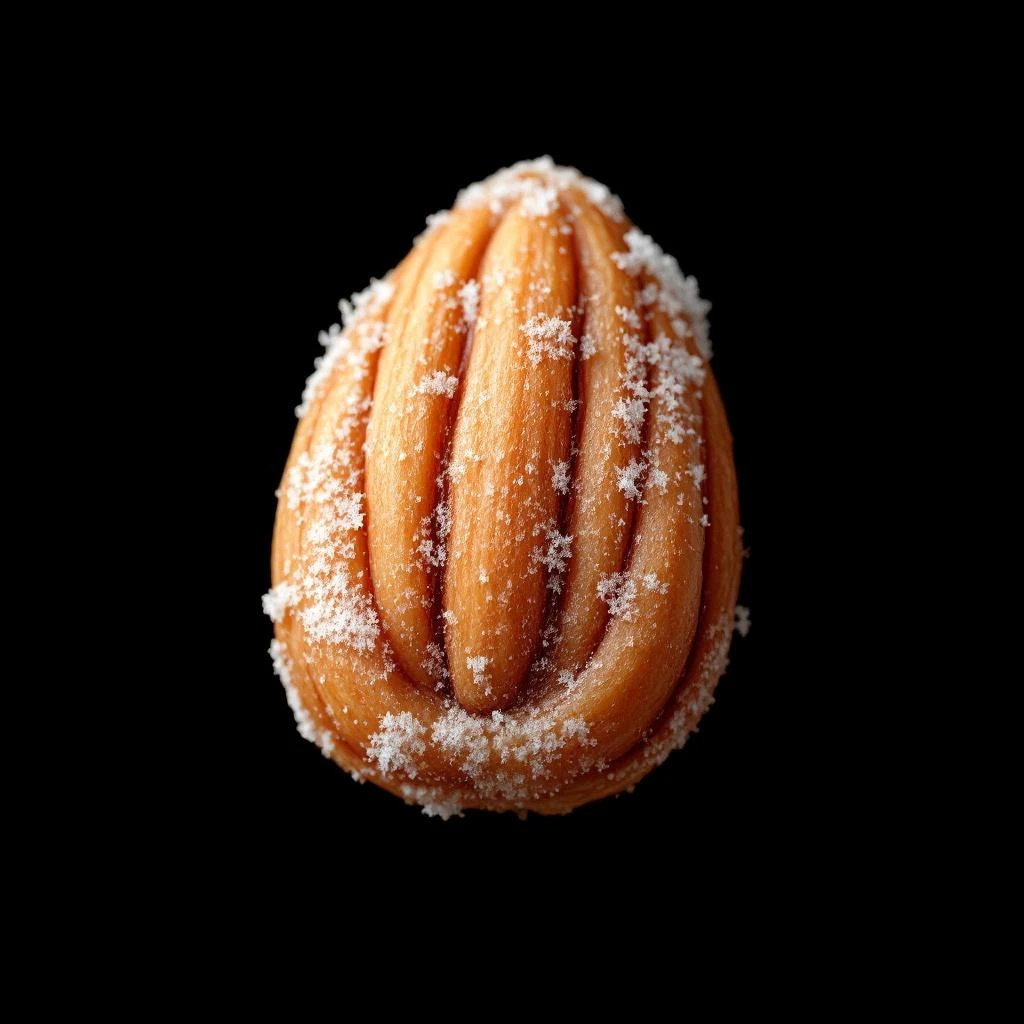
Character
How it smells
The confectioner's kiss in every bottle.
The sugar coating on almonds was invented by a pharmacist in 13th-century France to mask the bitter medicine he gave to children.




Origin
France
The story of sugared almonds begins not in a perfume laboratory, but in a pharmacy in Verdun, France, in the year 1220. A local apothecary seeking to make bitter medicinal powders palatable for children coated bitter almond kernels in sugar. The children loved them.
The tradition spread. Confectioners across Europe adopted sugared almonds as wedding favors and celebration treats by the Renaissance. By the 19th century, as organic synthesis advanced, perfumers recognized that the sensory profile of this beloved confection translated beautifully to the skin.
The warm, sweet, slightly bitter almond character offered perfumers something rare: an edible warmth that felt both nostalgic and sophisticated, bridging the gap between food and luxury.
Wears it best
Fragrances featuring Sugared Almonds
Brands
Brands known for Sugared Almonds
Good to know
Questions, answered
The essentials on Sugared Almonds in perfumery: how it smells, where it comes from, and how it behaves on skin.
What does sugared almond smell like in perfume?
It smells like warm, edible sweetness with a roasted nuttiness underneath. Think of the outer shell of a praline candy, where caramelized sugar meets toasted almond. It reads as comforting and gourmand without being sickly.
Is sugared almond a natural or synthetic note?
It is typically a constructed note combining natural benzaldehyde extracted from apricot kernels with nature-identical aromachemicals. Pure natural almond absolute exists but cannot fully recreate the sugared effect on its own.
What fragrance families use sugared almond?
Gourmand, oriental, and amber fragrances most commonly feature this note. It adds warmth and sweetness to compositions built around tonka, vanilla, caramel, and woody bases.
Does sugared almond come from actual almonds?
Not always. The primary aromatic compound, benzaldehyde, is often extracted from apricot kernels. True bitter almond oil exists but contains cyanide compounds requiring careful processing for safe perfumery use.
How is benzaldehyde sourced for perfumery?
Benzaldehyde is extracted via cold pressing or hydrodistillation of apricot kernel hearts. It can also be synthesized nature-identically in laboratories, achieving the same olfactory profile without botanical sourcing.
What aromachemicals create the sugared effect?
Heliotropin provides the sweet, cherry-almond character. Coumarin from tonka bean adds creamy warmth. Vanillin contributes the sugar-like crystallized sweetness. Together they reconstruct the confection.
Is sugared almond a top, middle, or base note?
It functions primarily as a base note due to its warmth and sillage. However, in lighter gourmand compositions, it can appear in the heart, contributing edible character throughout the dry-down.
Which famous fragrances feature sugared almond?
Guerlain Shalimar, Dior Addict, and numerous modern amber fragrances incorporate sugared almond alongside vanilla, tonka, and musks to create their signature warmth and longevity.