Starfleur 40
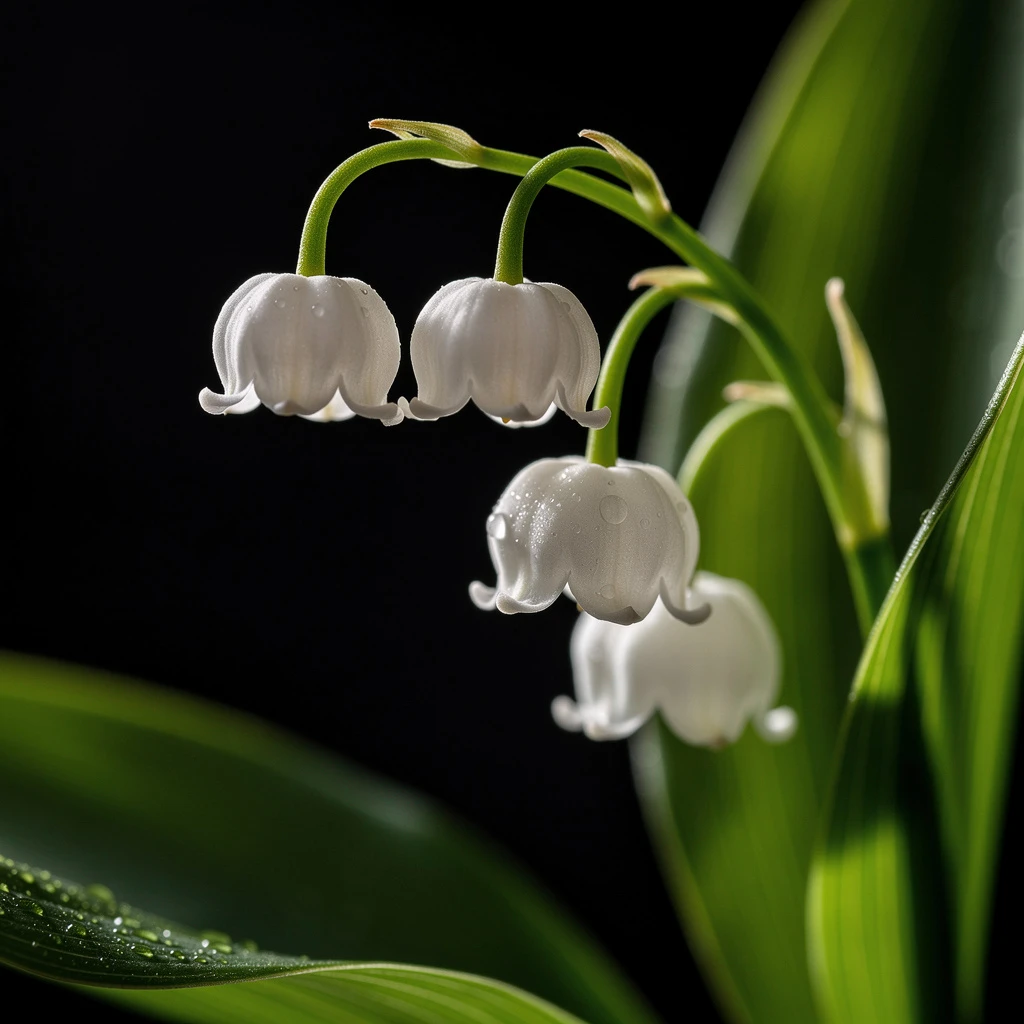
Starfleur 40 captures the dewy crispness of spring muguet and freesia in a single molecule. A modern synthetic aldehyde with a transparent floral green lift, prized for its radiance and staying power.
Character
How it smells
Muguet captured, sunlight bottled.
IFF patented Starfleur in 2010 after selecting it for its standout performance among candidate aroma molecules, marking a quiet milestone in 21st-century floral synthesis.

Origin
United States
Starfleur 40 arrived at a turning point in perfumery history. For centuries, scent came exclusively from plants, resins, and animal secretions, but the late 19th century introduced synthetic molecules that reshaped the palette.
IFF patented Starfleur in 2010, situating it within the modern wave of captive aroma chemicals, ingredients developed by a single house and not sold to competitors. The molecule answered a long-standing challenge: lily of the valley, one of perfumery's most beloved florals, cannot be efficiently extracted by steam distillation or enfleurage.
Synthetic alternatives had existed since the mid-20th century, but Starfleur offered improved freshness and a more natural green facet reminiscent of freesia. Its adoption reflects the industry's ongoing shift toward engineered molecules that expand creative possibilities while ensuring supply reliability.
Wears it best
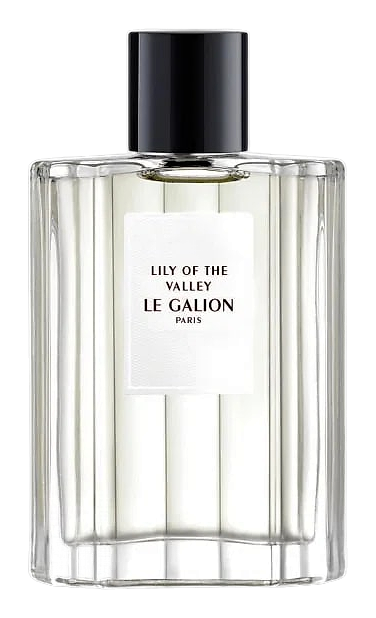
Fragrances featuring Starfleur 40
Brands
Brands known for Starfleur 40
Good to know
Questions, answered
The essentials on Starfleur 40 in perfumery: how it smells, where it comes from, and how it behaves on skin.
What does Starfleur 40 smell like?
It smells like fresh muguet and freesia with aldehydic brightness and a watery green transparency. The drydown softens into a clean floral powder, evoking dewy petals after spring rain.
Is Starfleur 40 natural?
No. Starfleur 40 is a synthetic aroma chemical produced by IFF through organic synthesis. It was created to mimic lily of the valley, a flower that yields very little extractable essential oil.
Who makes Starfleur 40?
IFF (International Flavors and Fragrances) manufactures Starfleur 40 and patented the molecule in 2010 as a captive ingredient, meaning it is not licensed to other fragrance houses.
Why is Starfleur 40 used in perfumery?
It offers the radiant muguet character that natural extraction cannot reliably deliver. Its stability in soap and alcohol bases also makes it valuable for functional fragrances where delicate florals typically fade quickly.
What is the difference between Starfleur and Hydroxycitronellal?
Hydroxycitronellal is a classic 20th-century lily of the valley aldehyde with a sweeter, more powdery profile. Starfleur 40 reads greener and fresher, with added freesia-like facets developed for modern compositions.
When was Starfleur 40 patented?
IFF filed the patent in 2010 after internal evaluation selected Starfleur from candidate molecules based on odor profile and performance characteristics across multiple product applications.
Can Starfleur 40 replace natural muguet absolute?
Functionally, yes. Natural lily of the valley absolute is rare and expensive because the flower produces minimal oil. Starfleur 40 delivers a comparable radiant character with consistent quality year-round.
Is Starfleur 40 safe for skin?
Yes, when used within IFRA guidelines established for this ingredient category. IFF supplies toxicological data supporting its safe use in fine fragrance, personal care, and home care formulations at recommended dosages.
In the same family