Spruce Resin
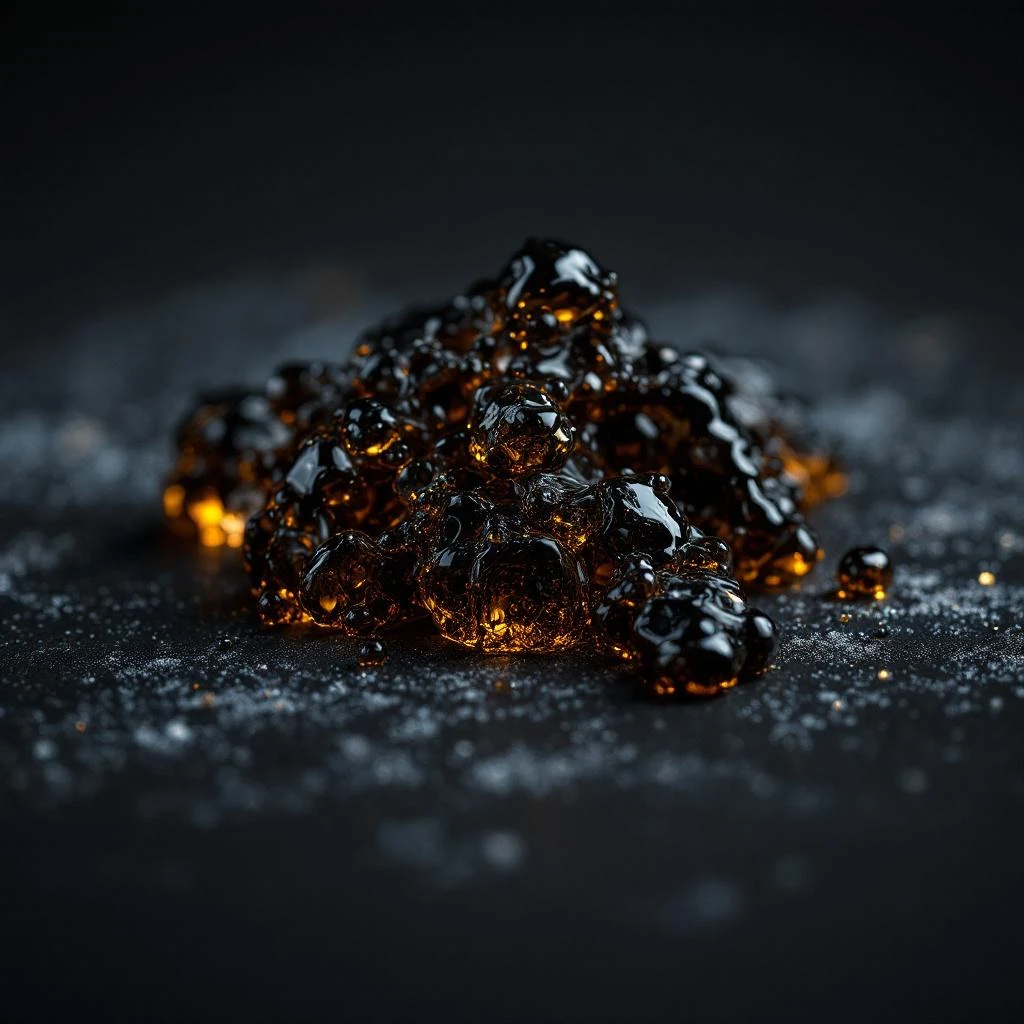
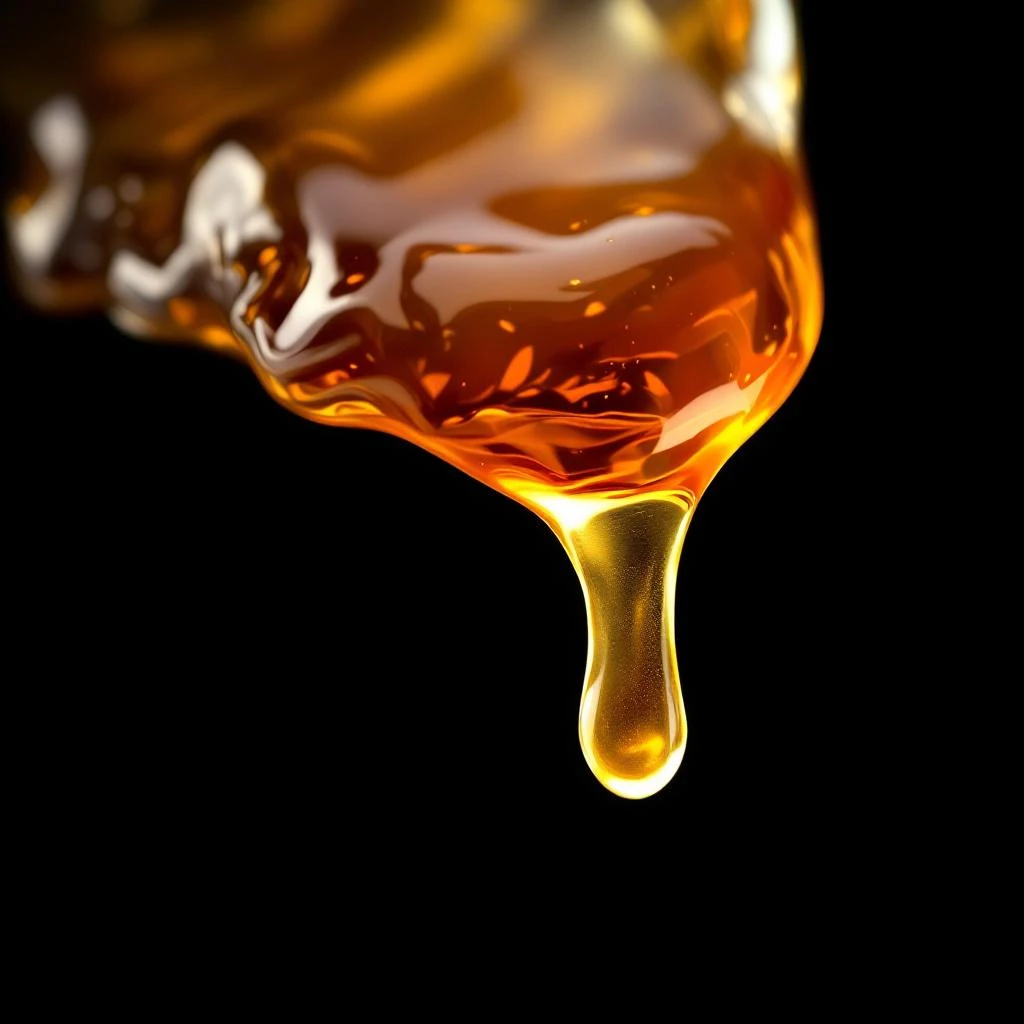
Spruce resin captures the crisp, aromatic soul of boreal forests. This aromatic oleoresin delivers a distinctive green-balsamic profile that perfumers prize for adding evergreen depth and natural complexity to compositions.
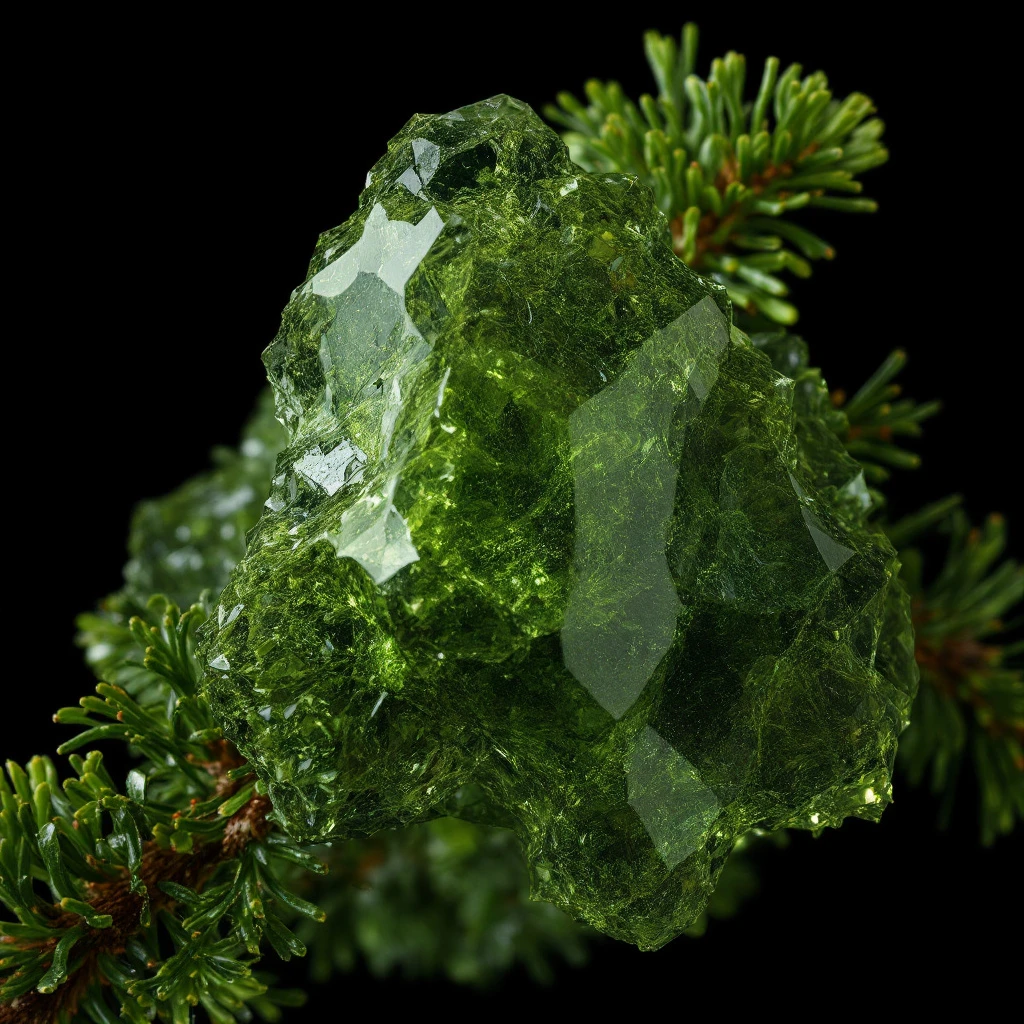
Character
How it smells
The aromatic heartbeat of the northern forest.
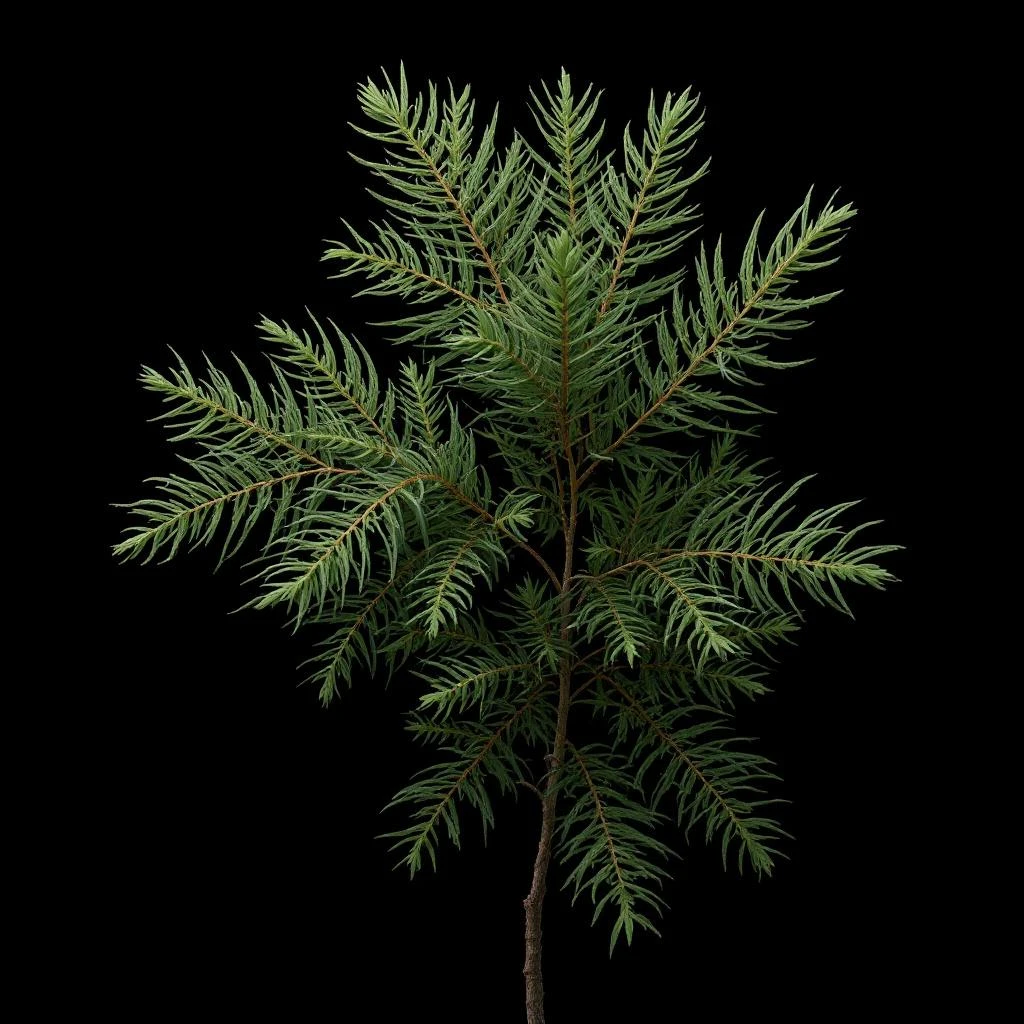
Spruce trees produce more resin when wounded, making tapping a sustainable harvesting practice that actually benefits tree health.


Origin
Canada
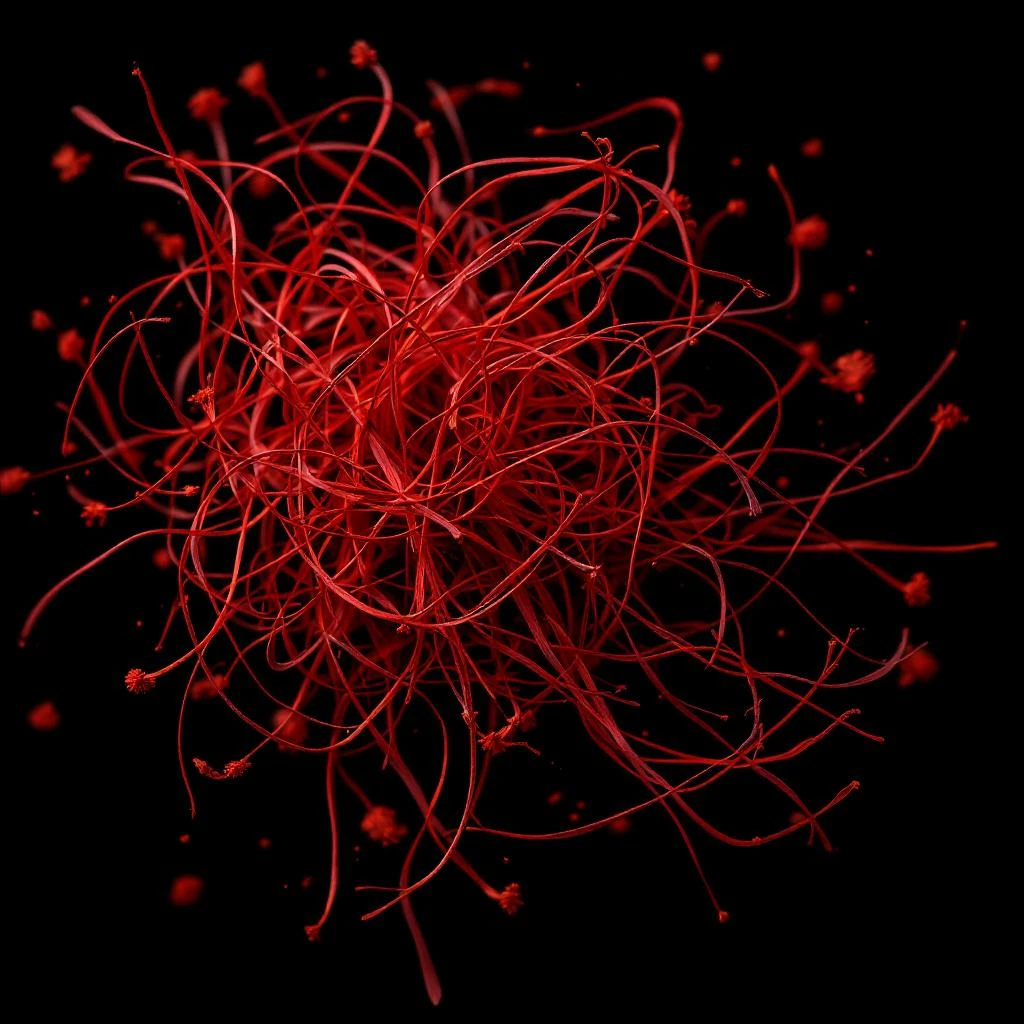
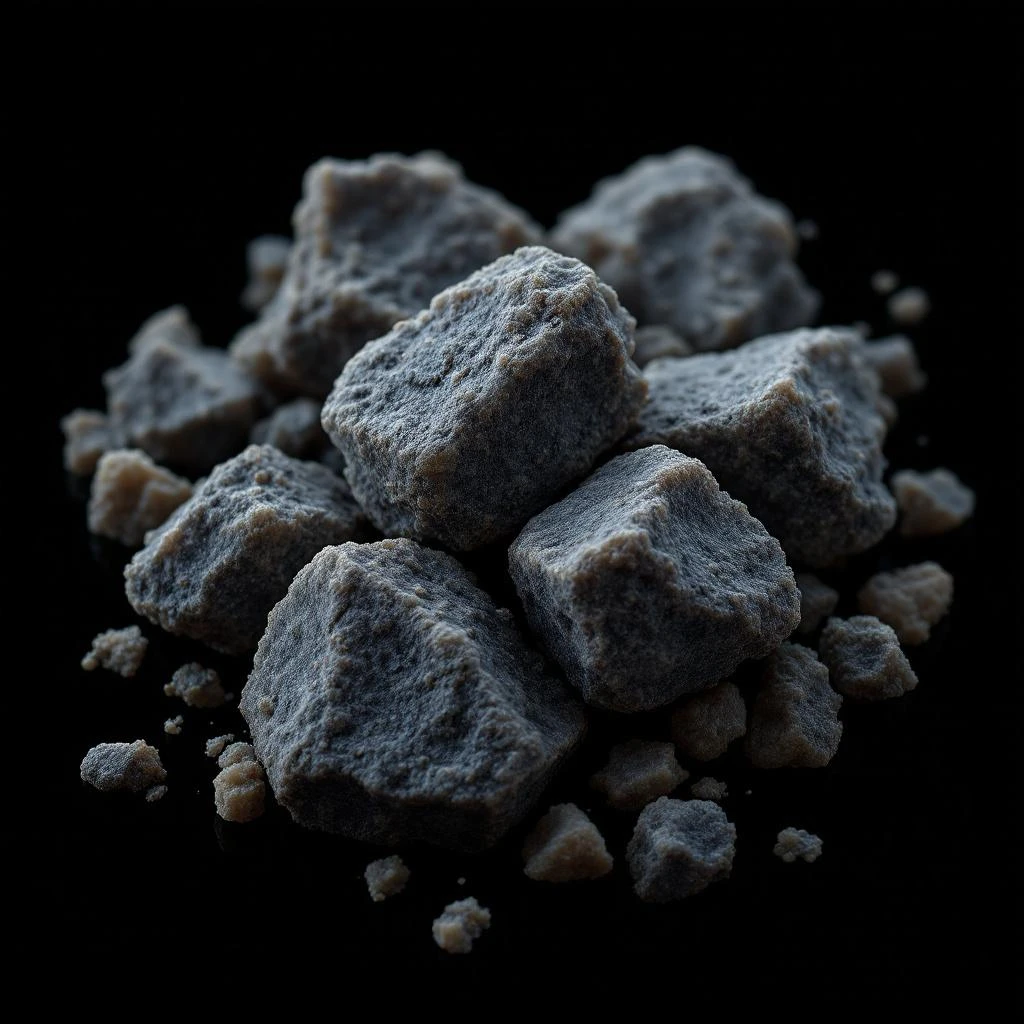
Indigenous peoples across North America and Scandinavia used spruce resin for centuries before it entered European perfumery. Native communities incorporated the material into ceremonial practices, medicinal preparations, and practical applications like waterproofing and adhesives. When 19th-century perfumers began systematically exploring conifer derivatives, spruce joined pine and fir as essential aromatic materials.
Northern European and Canadian fragrance houses developed particular expertise with the ingredient, valuing its accessibility and distinctive character. The material gained prominence during the aromatics revival of the early 20th century, finding its place in chypre structures and conifer-forward masculine compositions where it contributed authentic forest atmosphere.
Wears it best
Fragrances featuring Spruce Resin
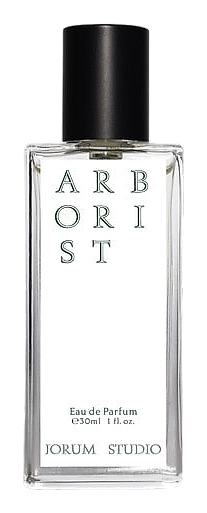
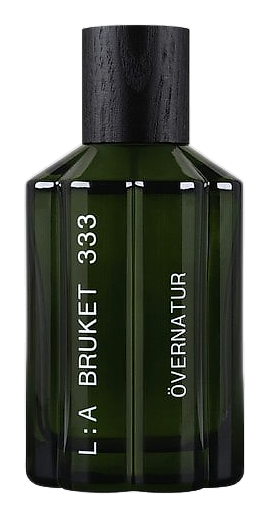
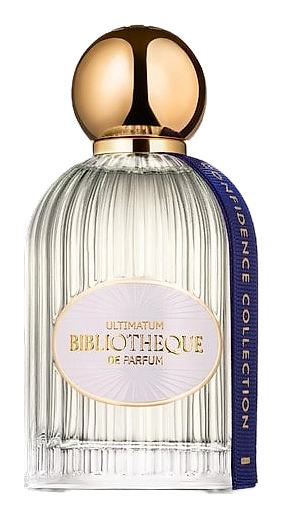
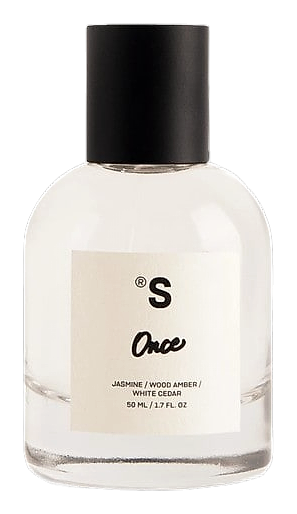
Brands
Brands known for Spruce Resin
Good to know
Questions, answered
The essentials on Spruce Resin in perfumery: how it smells, where it comes from, and how it behaves on skin.
What does spruce resin smell like?
Spruce resin offers a fresh, green-balsamic aroma with pronounced evergreen character. It combines crisp pine-like top notes with deeper, warmer balsamic undertones and a subtle turpentine edge that grounds the scent in authentic forest atmosphere.
Is spruce resin sustainable to harvest?
Yes, sustainable tapping practices make spruce resin renewable. Harvesters make shallow bark incisions that heal naturally, allowing continued resin production without harming the tree. This makes it an environmentally responsible choice for natural perfumery.
How does spruce resin differ from other conifer resins?
Spruce resin sits between pine and fir in olfactory character. It lacks pine's sharp intensity while offering more complexity than fir. Its green, slightly sweet quality makes it distinct from frankincense or myrrh, which share the resinous category but different botanical families.
What perfume families use spruce resin?
Chypre, fougère, and aromatic woody fragrances most commonly feature spruce resin. It performs especially well in masculine compositions, winter seasonal scents, and any fragrance aiming for authentic conifer atmosphere.
Can spruce resin be blended with citrus notes?
Absolutely. Citrus brightens spruce's evergreen character, creating unexpected freshness. Bergamot, lemon, and grapefruit work particularly well, adding luminosity that prevents the resin from becoming too heavy or medicinal.
Does climate affect spruce resin aroma?
Trees growing in colder climates produce denser resin with more pronounced balsamic qualities. Canadian and Scandinavian spruce resin typically offers deeper, more complex profiles than material from milder growing regions.
How long has spruce resin been used in perfumery?
European perfumers adopted spruce resin during the 19th-century expansion of natural aromatics sourcing. Indigenous peoples of North America and Scandinavia used the material for centuries earlier in practical and ceremonial applications predating modern perfumery.