Spanish mandarin orange
Fresh from sun-drenched Spanish groves, this citrus captures the essence of late-summer ripeness — a burst of sweet-tart brightness that lifts any composition into luminous clarity.
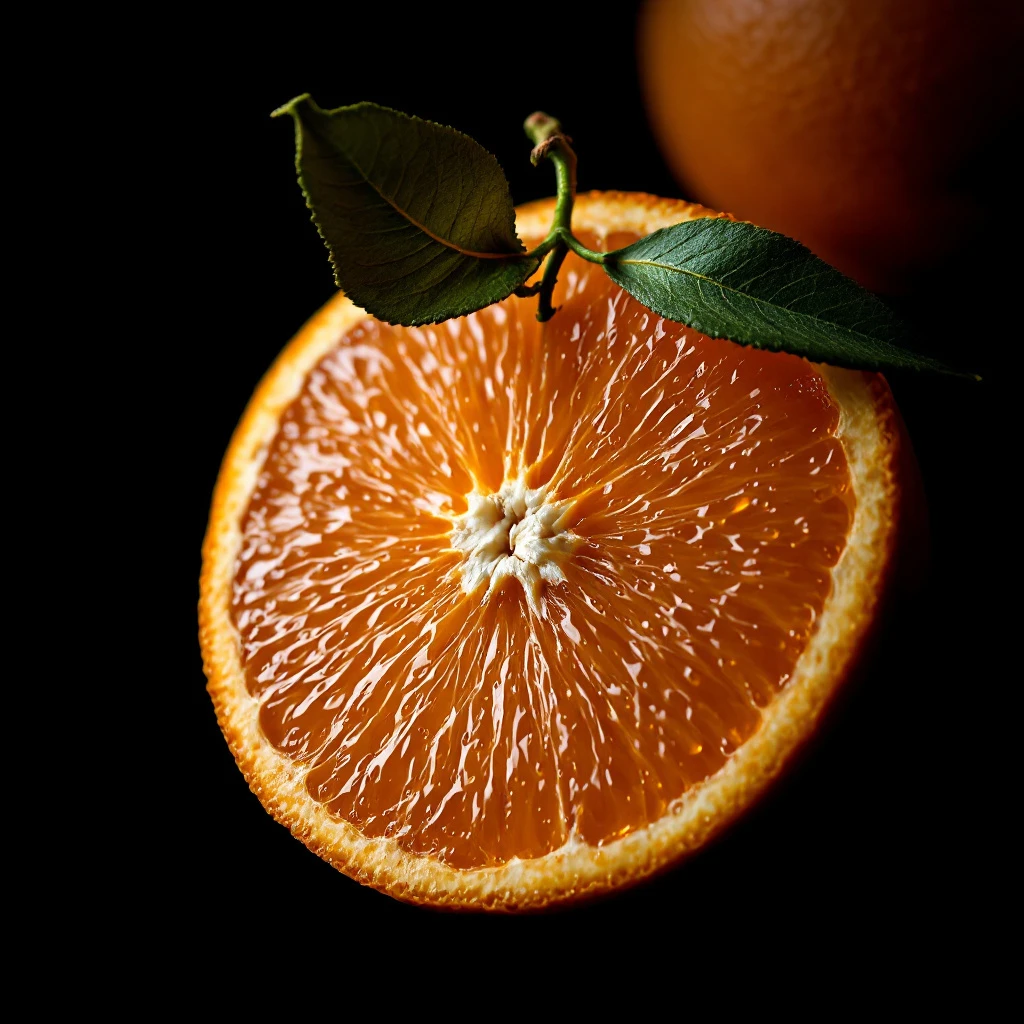
Character
How it smells
Sun-ripened Spanish citrus in every drop.
The name 'mandarin' honors Chinese diplomats who once delivered these fruits as ceremonial gifts to the imperial court.






Origin
Spain
The mandarin tree originated in China, where it has been cultivated for thousands of years as both a food source and a symbol of prosperity. Ancient texts reference mandarin oranges in court rituals and as diplomatic gifts — the fruit carried enough prestige that emperors presented them to foreign envoys as gestures of goodwill.
The name itself reflects this cultural heritage, derived from the officials who once governed imperial provinces and favored the fruit. Trade routes eventually carried Citrus reticulata westward along the Silk Road, reaching the Middle East and North Africa by the 10th century. European interest grew through maritime exchange by the 16th century.
Spain emerged as a primary cultivation zone during the 19th century, with the Valencia region proving ideally suited to the tree's preferences for Mediterranean warmth and well-drained soil. Spanish growers developed several distinct varieties optimized for flavor and oil yield. Today, Spain supplies a significant portion of global mandarin oil production, with the fruit remaining integral to Spanish citrus agriculture and culinary tradition.
The tree itself reaches 3–6 meters in height, producing fragrant white blossoms before fruit develops. Its loose, easily peeled skin distinguishes it from other citrus species and contributed to its historical name 'tangerine' in markets outside Asia.
Wears it best
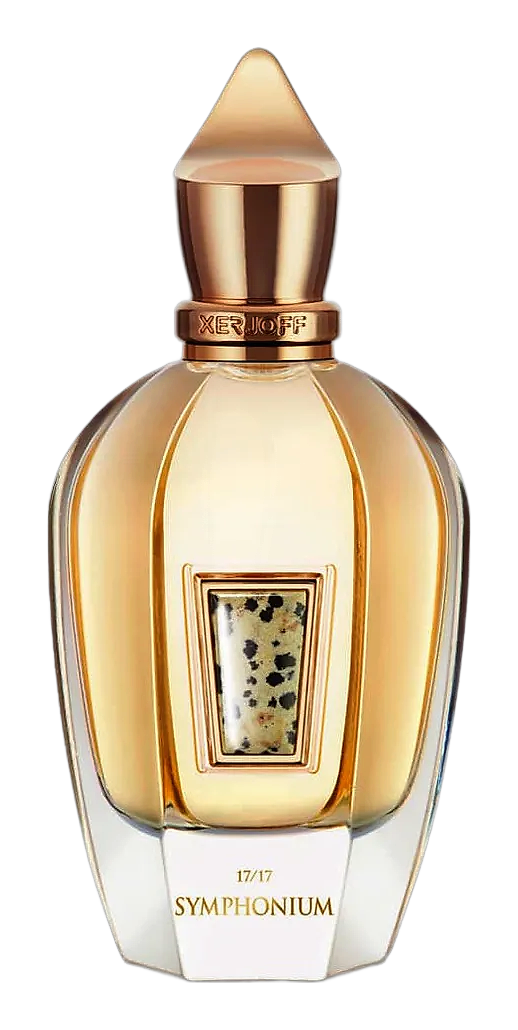
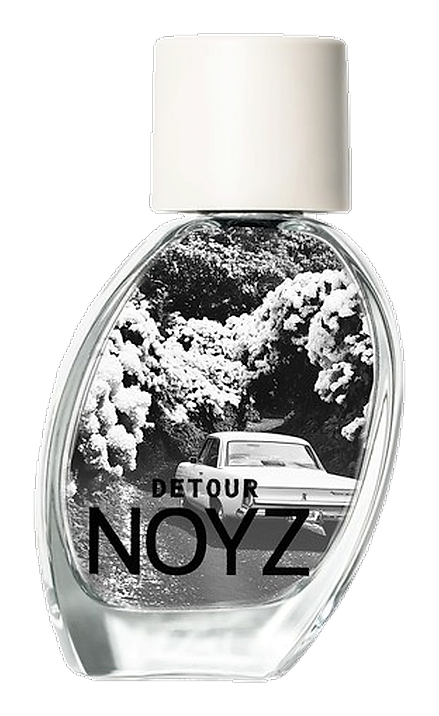
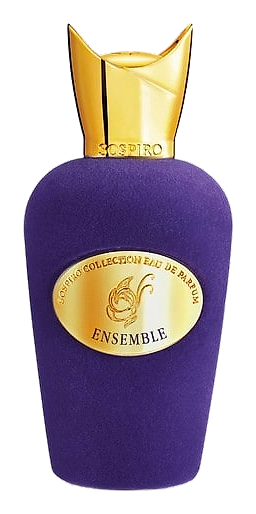
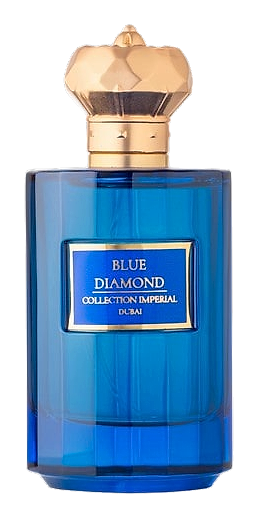
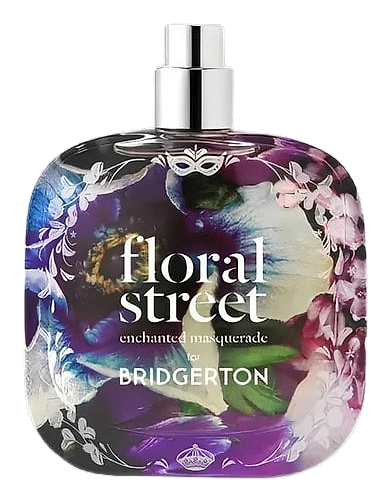
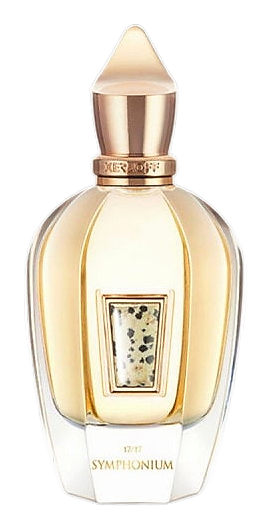
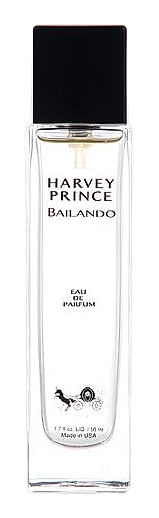
Fragrances featuring Spanish mandarin orange
Brands
Brands known for Spanish mandarin orange
Good to know
Questions, answered
The essentials on Spanish mandarin orange in perfumery: how it smells, where it comes from, and how it behaves on skin.
What does Spanish mandarin smell like?
Spanish mandarin smells sweet, zesty, and bright with subtle floral undertones. The cold-expressed oil captures the fruit's sun-ripened character — fresh and juicy with a soft, tropical warmth. It registers as more rounded and sweeter than lemon or bergamot, creating an approachable citrus impression.
How is Spanish mandarin oil extracted?
Cold expression mechanically presses the fruit peel without heat or solvents. Producers place whole fruit under hydraulic pressure to rupture oil glands in the zest, separating aromatic oils from cellular juice. This preserves delicate top-note compounds that steam distillation would destroy.
What's the difference between mandarin and tangerine in perfumery?
Mandarin and tangerine come from the same botanical species (Citrus reticulata). Historically, 'tangerine' named North African and Moroccan varieties, while 'mandarin' referred to Chinese and Spanish origins. Perfumers now use the terms interchangeably — both yield bright, sweet citrus oil with minimal functional difference.
Which countries produce the most mandarin oil for perfumery?
Spain leads global production, with Valencia as the primary growing region. Italy follows closely, particularly Sicily and Calabria. Argentina, Brazil, and South Africa also contribute significant volumes. Spain's Mediterranean climate creates ideal conditions for fruit with high aromatic yield.
Is mandarin oil sustainable to source?
Quality mandarin oil often comes from existing fruit crops rather than dedicated cultivation. The peel is a byproduct of juicing operations, making sourcing relatively sustainable. Still, organic certification, fair-trade practices, and transportation logistics vary by supplier and should be verified.
Can mandarin be synthetically replicated?
Synthetics like allyl alpha-ionone and certain ionones can mimic portions of mandarin's sweet, citrus character. However, these materials lack the natural complexity of cold-pressed oil — the multi-layered freshness and subtle carotenoid warmth that natural mandarin delivers in fine fragrance.
How should mandarin oil be stored?
Refrigerate mandarin oil after opening. Cold-pressed citrus oils oxidize faster than steam-distilled materials because they retain more unsaturated compounds. Seal in dark glass with minimal headspace, and use within 12 months for optimal scent quality. Heat and light accelerate degradation.
What notes pair well with Spanish mandarin?
Mandarin bridges citrus and floral categories, pairing naturally with bergamot, neroli, and orange blossom. For warmer compositions, it combines well with vanilla, labdanum, and sandalwood in the dry-down. In fresh fragrances, it works alongside green tea, marine notes, and light ozonic accords.