Belgian chocolate
A dual sensory icon—Belgian chocolate carries centuries of artisan craft from cacao's Mesoamerican roots to Europe's most celebrated chocolate ateliers. In fragrance, it occupies a unique space between edible comfort and dark sophistication, conjuring warmth without sweetness overload.

Character
How it smells
Dark, roasted, and unexpectedly sensual
The Aztecs valued cacao so highly they used beans as currency, a practice that continued for centuries across Mesoamerica.









Origin
Belgium
Chocolate's journey from sacred Mesoamerican drink to global luxury began with the Maya and Aztecs, who considered cacao divine. Spanish conquistadors brought it to Europe in the 16th century, where it evolved from a bitter beverage into the sweetened confection we recognize today.
Belgium entered the chocolate story in the 19th century, when artisan chocolatiers combined premium cocoa butter with precision techniques to create what became the world's most celebrated chocolate tradition. The Belgian approach—controlled roasting, extended conching, quality cocoa butter—gave the country a reputation that persists.
In perfumery, chocolate as a signature note emerged only in the late 20th century, after synthetic chemistry made its warm, roasted character reliably replicable. Thierry Mugler's Angel launched in 1992 and proved that chocolate could anchor a mainstream fragrance, transforming it from niche edible scent into a modern classic note.
Wears it best
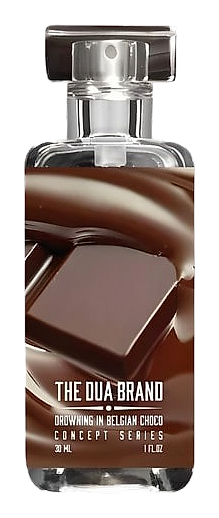
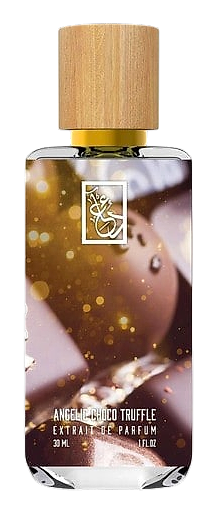
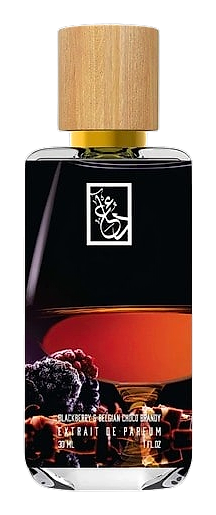
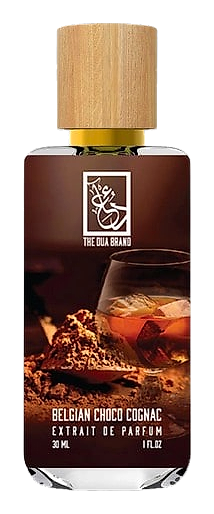
Fragrances featuring Belgian chocolate
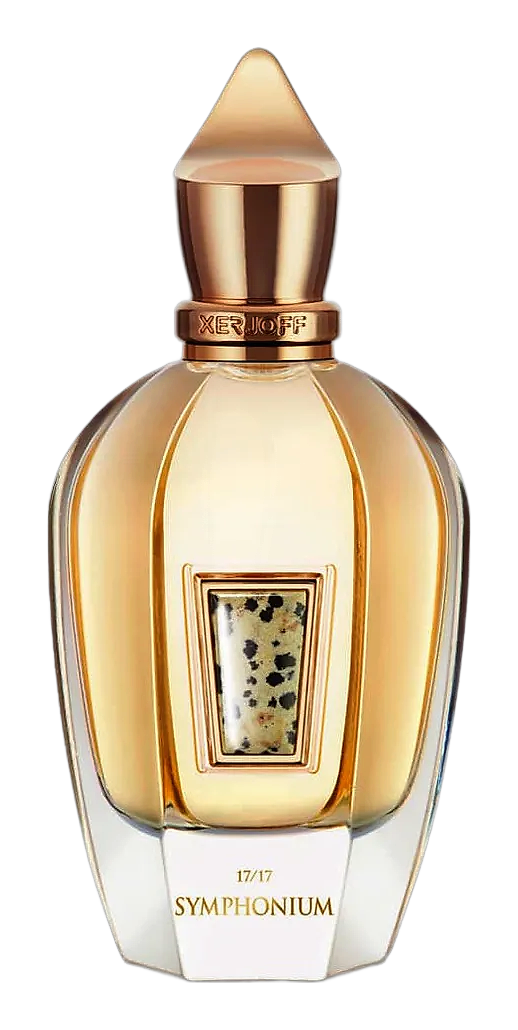
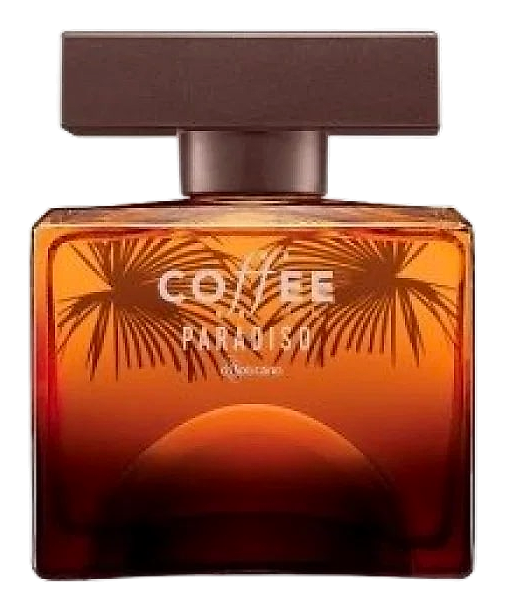


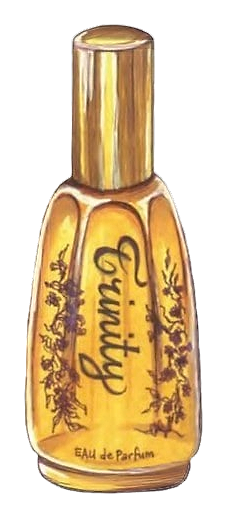
Brands
Brands known for Belgian chocolate
Good to know
Questions, answered
The essentials on Belgian chocolate in perfumery: how it smells, where it comes from, and how it behaves on skin.
Is chocolate in perfume made from real cacao?
No. Perfumers reconstruct chocolate using synthetic aroma molecules, primarily ethyl vanillin and cocoa ketone. Natural cacao absolute exists but remains rare and expensive. Modern chemistry makes chocolate's warm, roasted character reliably replicable.
What creates the chocolate scent in fragrances?
Ethyl vanillin is the primary compound responsible for chocolate's sweet character in modern perfumery. Cocoa ketone contributes darker, more bitter chocolate depth. Together they form a synthetic accord that captures the complete sensory profile of real chocolate.
How long does chocolate note last on skin?
Chocolate typically functions as a heart note, lasting 4-8 hours depending on concentration and surrounding ingredients. In oriental fragrance bases with patchouli or vanilla, it persists longer. In lighter compositions it may fade sooner.
What notes pair well with chocolate in fragrance?
Chocolate harmonizes naturally with oriental base materials—patchouli, vanilla, tonka bean, and amber share aromatic compounds that amplify warmth. Rose introduces an intriguing contrast that perfumers often exploit for elegant compositions.
When did chocolate become a mainstream fragrance note?
1992 marked the turning point. Thierry Mugler's Angel launched that year with an accord built around chocolate and caramel, proving the note could anchor a major commercial fragrance. It remains one of the most influential launches in modern perfumery.
Why is Belgian chocolate referenced in perfumery?
Belgium built its global chocolate reputation through centuries of artisan refinement—premium cocoa butter, precise roasting, extended conching. Fragrance houses reference this heritage when seeking authentic chocolate character in their materials.
What's the difference between chocolate and vanilla in fragrance?
Both are sweet and edible, but vanilla carries floral and balsamic dimensions with cooler tonality. Chocolate brings darker, more bitter complexity with roasted, almost smoky depth. They share vanillin compounds but diverge significantly.
Why do perfumers prefer synthetic chocolate over natural extraction?
Cacao's aroma develops through fermentation and roasting—processes that conflict with perfumery extraction methods. The resulting compounds are better replicated through synthesis. Synthetic chocolate also offers consistency, cost efficiency, and ethical sourcing that natural extraction cannot guarantee.