South Indian Oud
Compressed centuries of agarwood history into a single drop. South Indian Oud carries the weight of ancient temple rituals and royal treasuries in its complex, resinous soul.
Character
How it smells
India's liquid gold, born from wounded trees.
Only 2% of wild Aquilaria trees naturally produce the resin that becomes oud, making every batch a rare discovery.





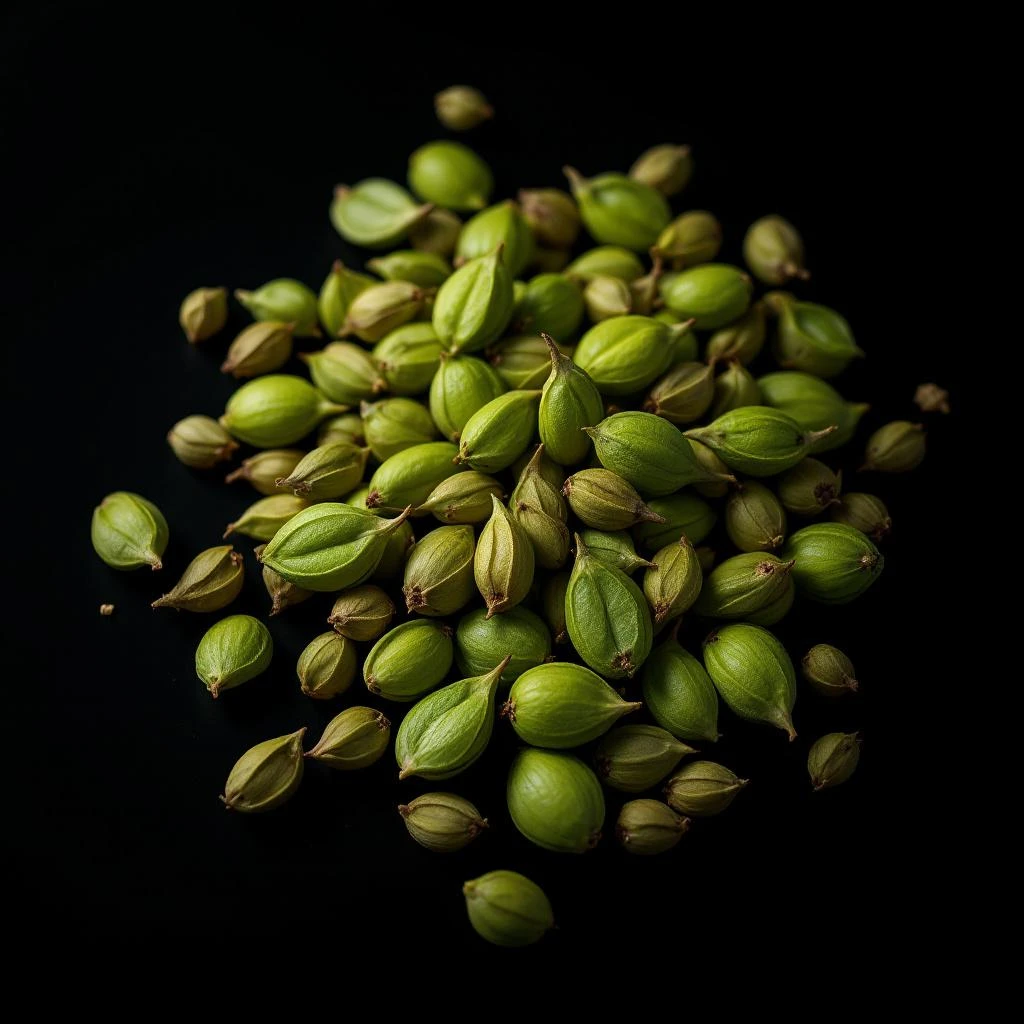
Origin
India
South India has cultivated a deep relationship with agarwood for over two millennia. Ancient Tamil scriptures reference the wood being burned in temple ceremonies as early as 300 BCE, where priests used its smoke to mark sacred spaces and communicate with the divine. The material traveled along the Spice Route, reaching Arab traders who prized it for royal courts and religious contexts.
Mysore and Karnataka became particularly significant growing regions, with local dynasties maintaining strict control over harvest and trade. Colonial-era Dutch and Portuguese merchants recorded the material's exchange as a high-value commodity, noting that small quantities commanded prices equivalent to gold by weight. The 16th-century Vijayanagara empire used oud as diplomatic gifts, sending carved agarwood boxes alongside precious stones to foreign ambassadors.
This tradition of gifting reinforced oud's status as a marker of wealth and spiritual devotion. Today, sustainable cultivation in Kerala and Tamil Nadu aims to preserve this heritage while meeting renewed global demand from perfumers and collectors.
Wears it best
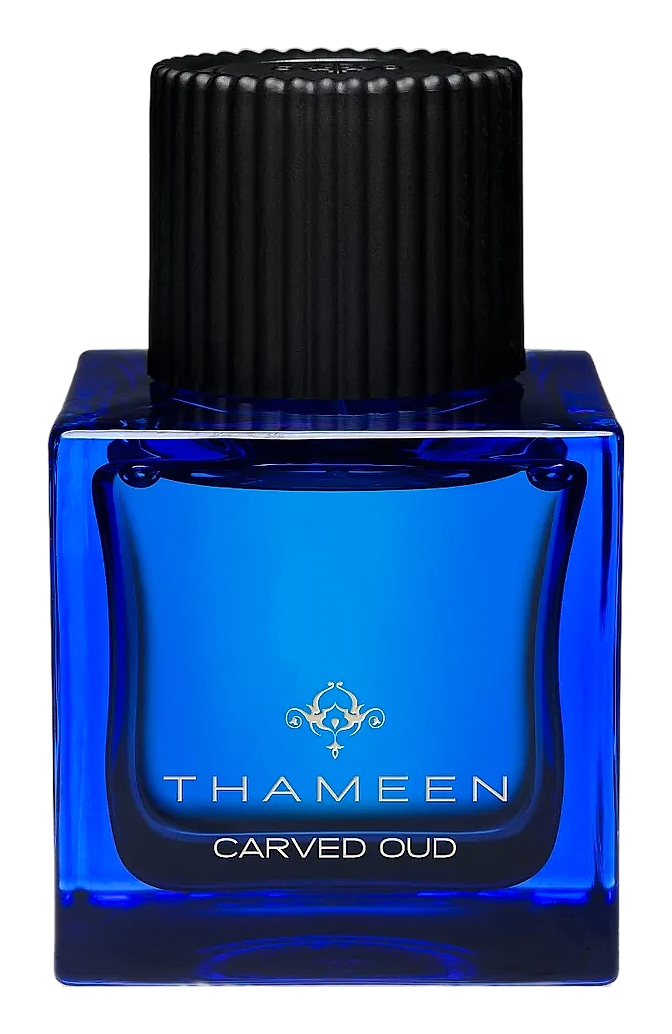
Fragrances featuring South Indian Oud
Brands
Brands known for South Indian Oud
Good to know
Questions, answered
The essentials on South Indian Oud in perfumery: how it smells, where it comes from, and how it behaves on skin.
What makes South Indian Oud different from other oud varieties?
South Indian Oud tends to feature deeper, darker woody notes with stronger balsamic undertones compared to Southeast Asian varieties. The specific terroir of Kerala and Karnataka produces a distinct resin profile that perfumers value for its smoky, almost leathery character.
Why is oud considered one of the world's most expensive fragrance ingredients?
Natural oud forms only when an Aquilaria tree is infected, a process that can take decades. Combined with steam distillation requiring several days per batch, global demand far outpaces supply, creating prices that reach several thousand dollars per ounce.
How should I store oud oil to preserve its quality?
Keep oud oil in a cool, dark place in a tightly sealed glass vial. Exposure to light and heat degrades the aromatic compounds over time. Properly stored, it can maintain its character for years.
Can oud be synthetically replicated?
Some aromatic compounds found in oud can be synthesized, but no artificial version fully captures the complexity of natural oud. Synthetic alternatives lack the depth and natural variance that real oud offers.
Is sustainable oud farming practiced in South India?
Yes, several farms in Kerala and Karnataka now induce infection in Aquilaria trees through controlled methods, creating a sustainable supply that protects wild populations while meeting market demand.
What does high-quality South Indian Oud smell like?
Expect deep notes of smoked wood, warm resin, and dark chocolate, with hints of leather and subtle sweetness. The dry-down reveals a lingering, complex warmth that can persist for hours.
How much oud oil is typically used in a fragrance?
Oud usually appears as a heart or base note at concentrations between 1-5% in fine fragrances. Some attars and oils feature higher concentrations, but even small amounts provide noticeable depth.
What is the difference between oud oil and oud wood chips?
Oud oil is steam-distilled from chipped heartwood, yielding a concentrated liquid. Wood chips are burned directly as incense or aged for收藏. Oil offers precision in perfumery; chips provide a more traditional aromatic experience.