Soft Spices
Soft spices wrap the skin in gentle warmth, offering aromatic comfort without sharp edges. These rounded, welcoming notes create an immediate sense of intimacy and coziness in fragrance.
Character
How it smells
Warmth without the burn
Perfumers often blend materials from opposite spice families to achieve softness, combining sweet and woody notes to mute sharpness.
Pairs beautifully with
Origin
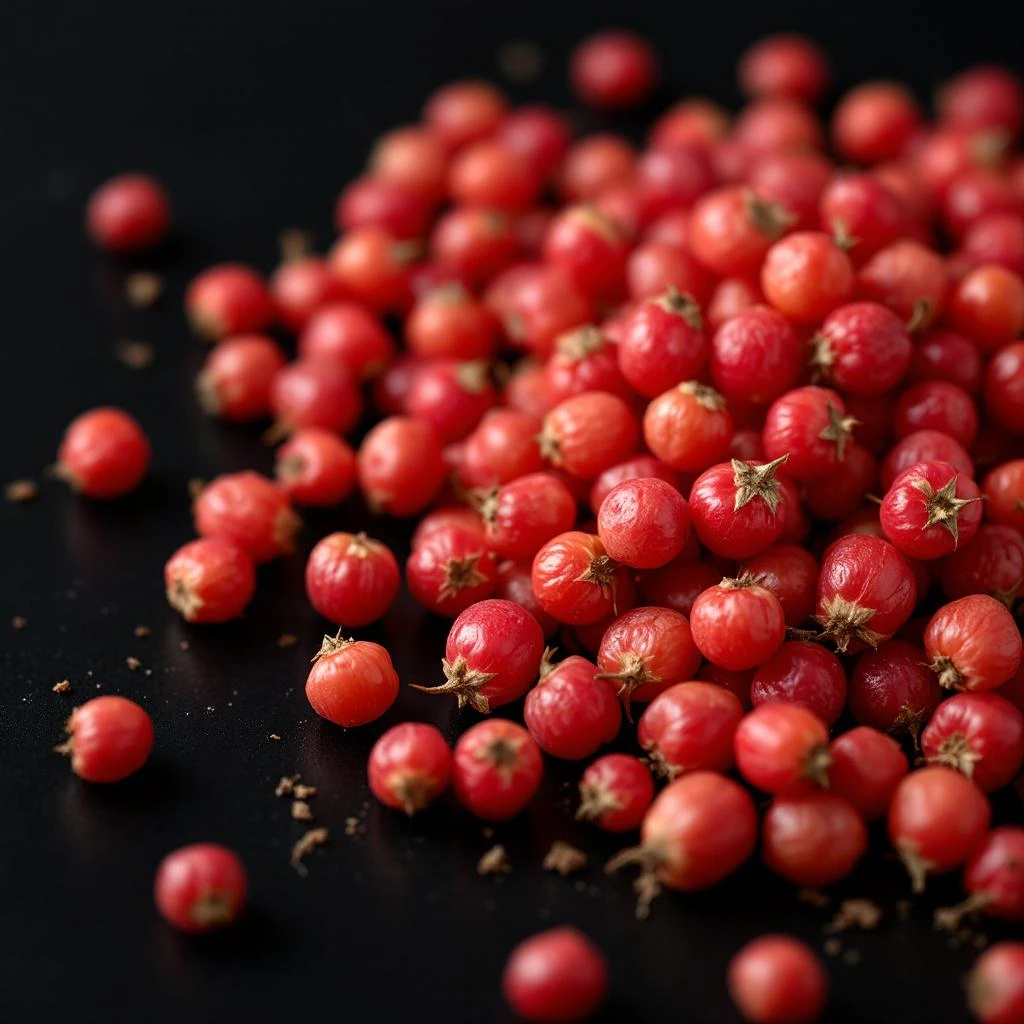
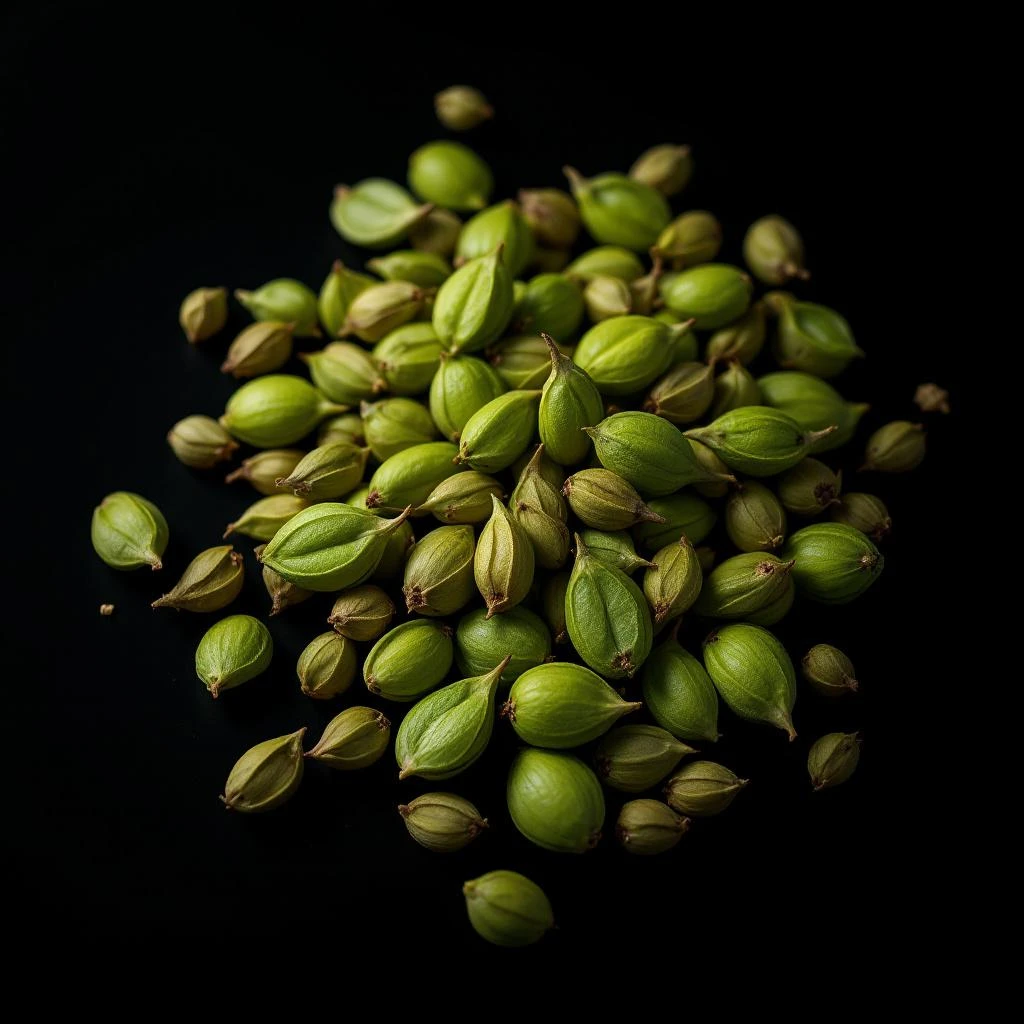
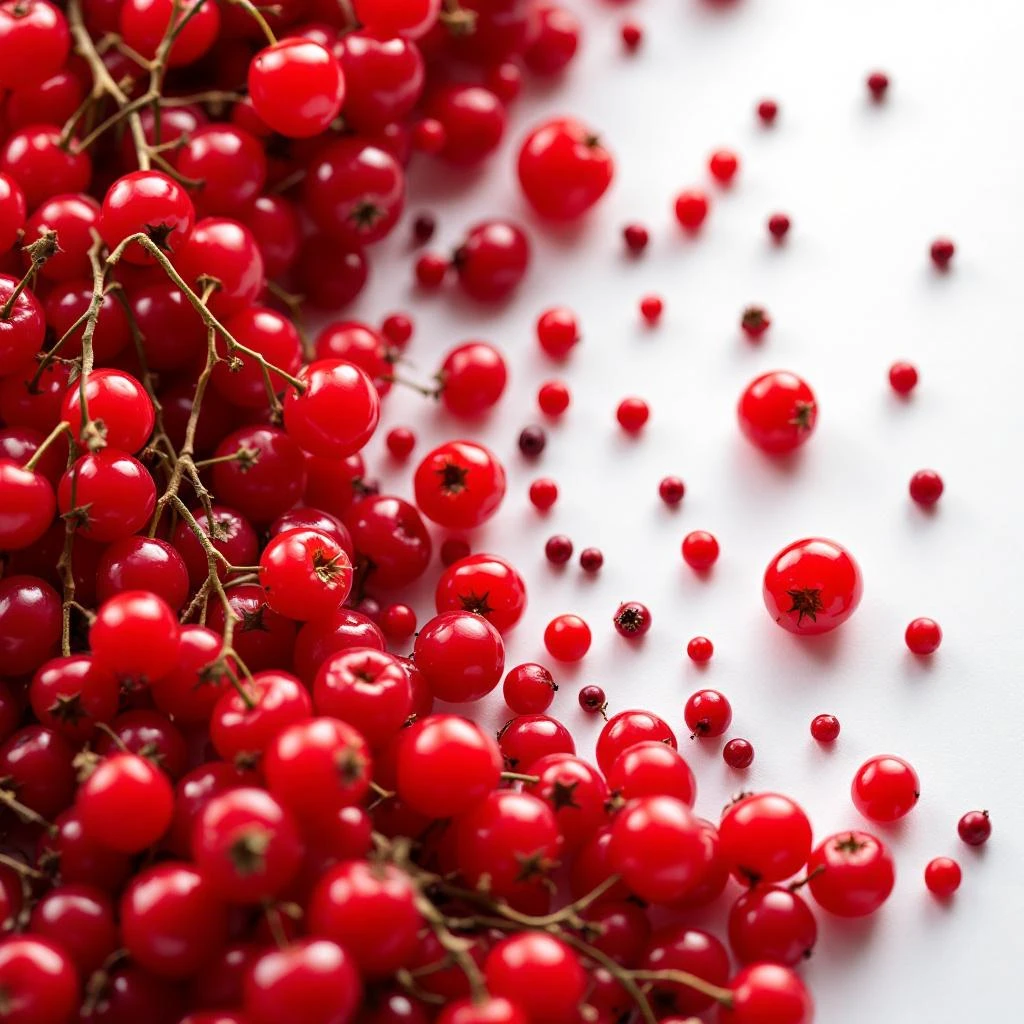
India (cardamom), Peru (pink pepper)
Spice use in perfumery traces back thousands of years. Ancient Mesopotamians traded aromatic resins and spices by 1200 BCE. Islamic scholars, particularly Avicenna, refined extraction methods during the Golden Age.
However, soft spice accords as a distinct category emerged in twentieth-century perfumery when creators sought to temper aggressive spice notes. The post-war era saw a shift toward comfort scents, driving innovation in warm, gentle aromatic materials. Chanel positioned soft spices as luxurious and accessible.
Today, soft spices represent a philosophy of restraint and nuance, prioritizing subtlety over boldness.
Wears it best
Fragrances featuring Soft Spices
Brands
Brands known for Soft Spices
Good to know
Questions, answered
The essentials on Soft Spices in perfumery: how it smells, where it comes from, and how it behaves on skin.
What makes a spice 'soft' in perfumery?
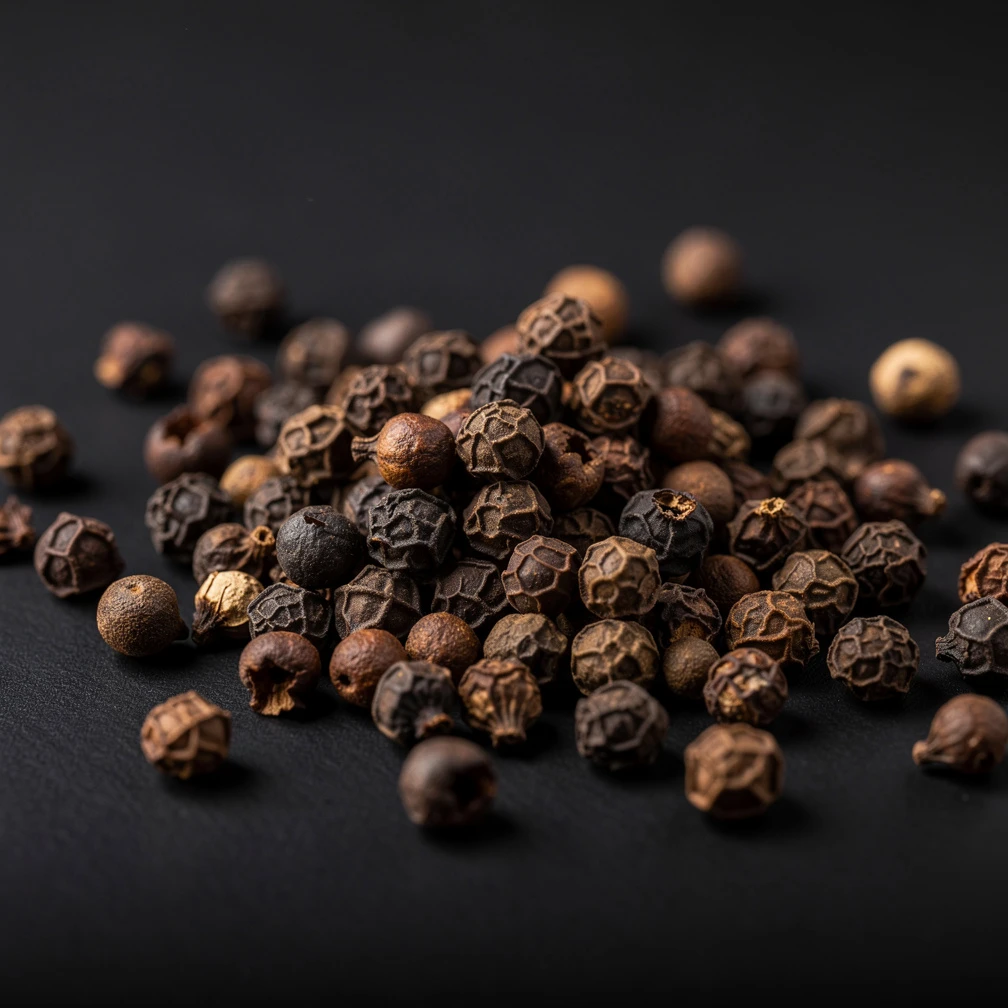
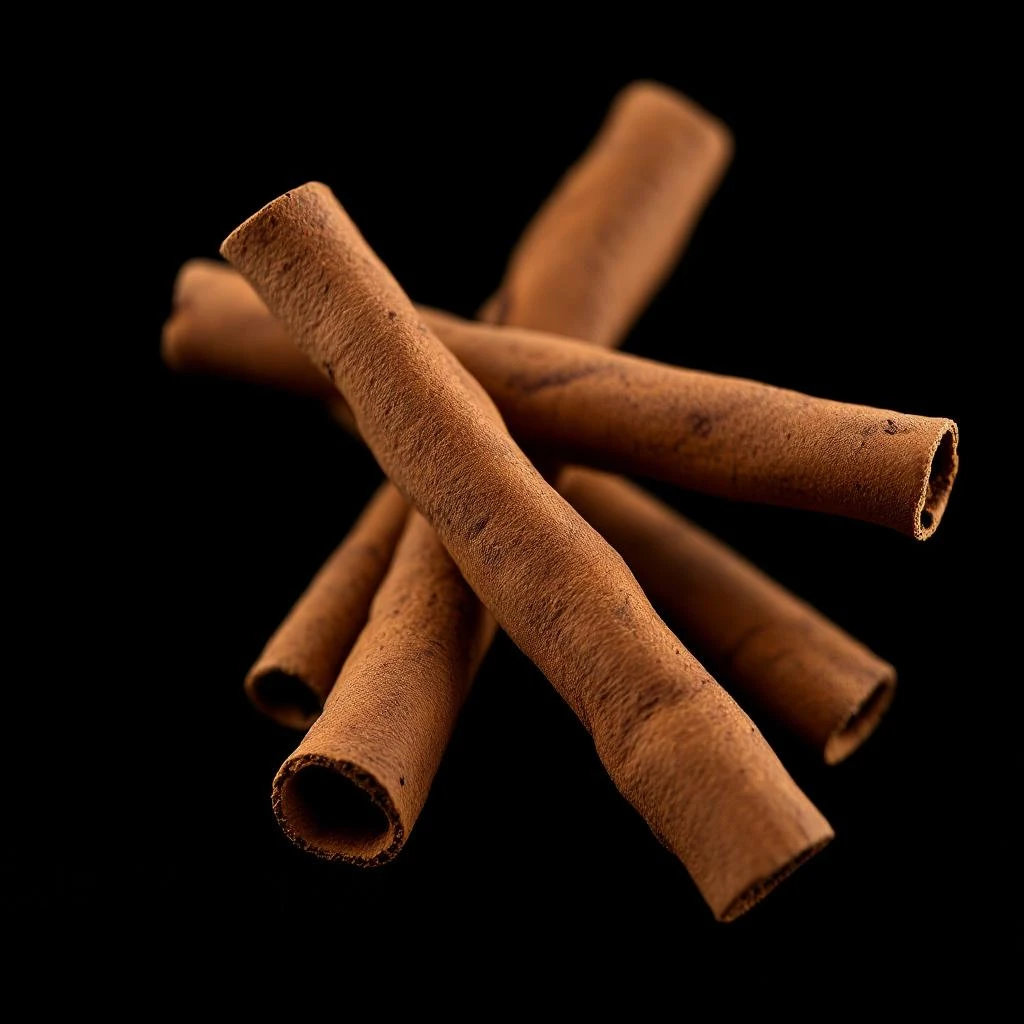
Soft spices lack sharp, hot qualities. They provide warmth without intensity. Pink pepper, cardamom, and tonka achieve this through lower concentrations of piperine and cinnamaldehyde compounds compared to black pepper or cinnamon.
Are soft spices natural or synthetic?
Both. Natural soft spices include pink peppercorn, cardamom, and tonka bean. Synthetic soft spices include heliotropin and various warm molecules. Many modern fragrances use both natural and synthetic sources to achieve balanced softness.
What fragrance families use soft spices?
Oriental, amber, and gourmand fragrances feature soft spices prominently. These notes also appear in contemporary fougère and woody compositions. They work across masculine and feminine fragrances equally.
How do soft spices differ from warm spices?
Warm spices like cinnamon and clove deliver bold, persistent heat. Soft spices provide the same psychological comfort with gentler projection and shorter longevity. They create intimacy rather than announce presence.
Which soft spice is most common in modern perfumery?
Pink peppercorn became a perfumery staple in the 1990s. Its bright, rosy warmth blends easily with florals and woods. Tonka bean absolute appears in approximately 60% of modern fragrances as a soft, sweet base note.
Do soft spices cause skin reactions?
Soft spices generally irritate skin less than hot spices. Tonka contains coumarin, which may sensitize some individuals. Cardamom shows low allergen potential. Always patch test fragrances containing any spice materials.
How long do soft spice notes last on skin?
Longevity varies by material. Pink pepper notes fade within 2 to 4 hours. Tonka bean absolute lingers for 6 to 8 hours or longer. Blending soft spices with fixatives extends their presence.
Can soft spices replace traditional spices in recipes?
This question appears to concern culinary applications. For perfumery: soft spices rarely substitute for traditional spices. They complement them instead, adding nuance and preventing harshness in spice-forward compositions.