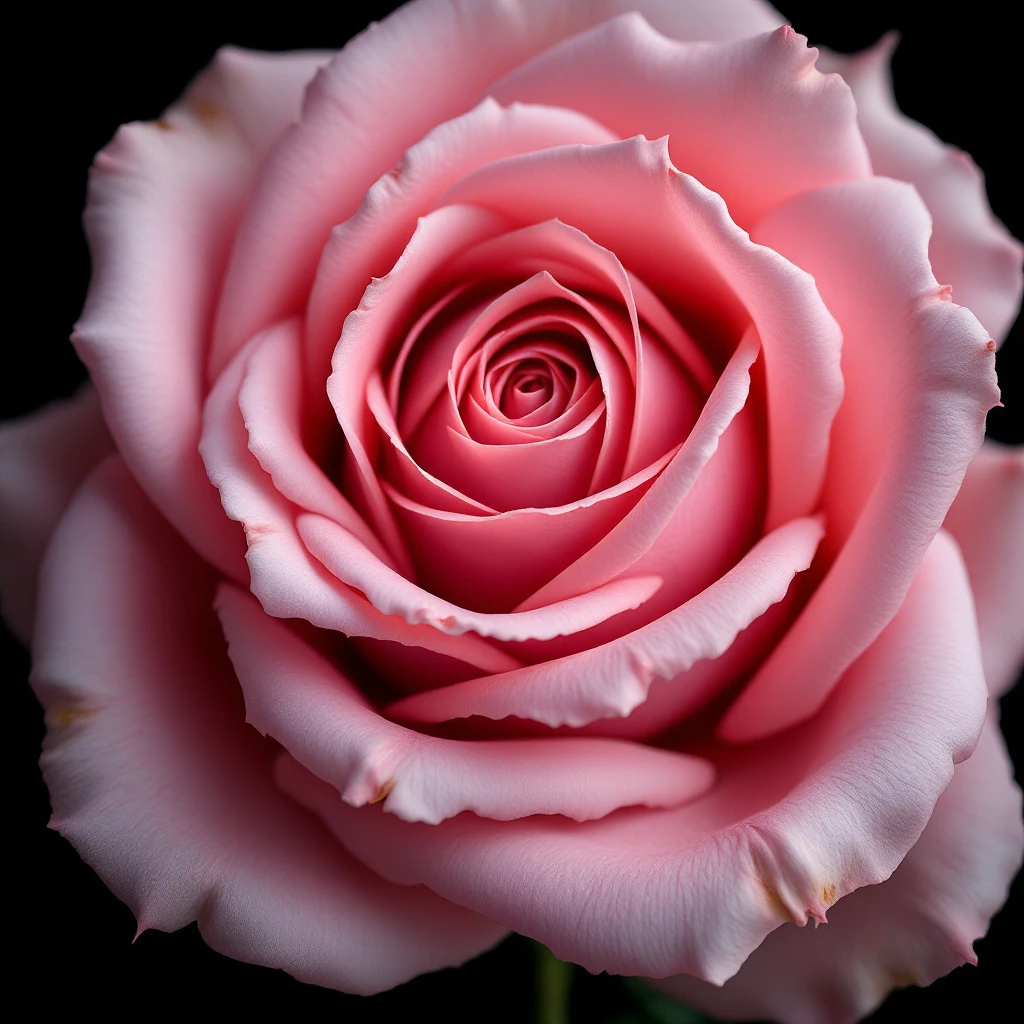
Soft Rose
Soft Rose captures the queen of flowers in her most intimate form. Gentle, powdery, and classically romantic, this note brings the timeless elegance of rose petals to modern fragrance. A whisper rather than a shout, it evokes sun-warmed petals and quiet gardens.
Character
How it smells
The queen of flowers, in her gentlest voice.
It takes roughly 5,000 kilograms of rose petals to produce just 1 kilogram of rose absolute, making it one of the most precious natural materials in perfumery.
Pairs beautifully with

Origin
Morocco
The rose has been celebrated across civilizations for over 4,000 years. Ancient Persians, Egyptians, Greeks, and Romans all incorporated rose into their cosmetics, religious rituals, and lavish banquets. Historical accounts suggest the floors of Babylonian palaces were carpeted in rose petals for visiting dignitaries.
Egyptian perfumers developed early extraction techniques, creating scented ointments and oils for ceremonial purposes. The Greeks associated the rose with Aphrodite, cementing its romantic symbolism. When laboratory-created floral scents emerged in 1895, rose was among the first to be synthesized, democratizing its use beyond aristocratic gardens.
Today, the Damask Rose remains the benchmark variety, with Morocco's Valley of Roses serving as one of the world's most celebrated growing regions.
Wears it best
Fragrances featuring Soft Rose
Brands
Brands known for Soft Rose
Good to know
Questions, answered
The essentials on Soft Rose in perfumery: how it smells, where it comes from, and how it behaves on skin.
What does Soft Rose smell like?
Soft Rose carries a gentle, powdery floral character with a clean, romantic quality. It reads as less sharp and more intimate than full-bodied rose, often combining fresh petal brightness with a subtle sweetness.
Is Soft Rose a natural or synthetic ingredient?
It can be either. Natural soft rose comes from Rosa damascena via solvent extraction or steam distillation. Synthetic versions using compounds like phenethyl alcohol replicate the effect consistently and affordably.
How much rose is needed to produce fragrance materials?
Rose extraction is highly concentrated. Around 5,000 kilograms of Damask Rose petals yield approximately 1 kilogram of absolute, making natural rose one of the most material-intensive ingredients in perfumery.
What type of rose is used in perfumery?
The Damask Rose (Rosa damascena) is the primary species. It thrives in regions like Morocco's Valley of Roses, Bulgaria's Rose Valley, and parts of Turkey, each producing subtly different aromatic profiles.
Does Soft Rose differ from other rose perfume notes?
Yes. Soft Rose specifically describes a gentler, more muted rose expression. Full rose notes tend toward rich, deep floralcy, while soft rose emphasizes lightness and approachability.
Which fragrance families commonly use Soft Rose?
Soft Rose appears frequently in floral, chypre, and soft oriental compositions. It also works well in gender-ambiguous fragrances where a clean, powdery rose note bridges masculine and feminine elements.
What extraction method best preserves rose's character?
Solvent extraction captures the broadest aromatic range, including heavier molecules that give rose its signature depth. Steam-distilled rose otto tends toward a fresher, more aqueous profile.
Can Soft Rose be combined with other ingredients?
Soft Rose pairs naturally with peony, lily of the valley, musk, sandalwood, and bergamot. These pairings amplify its powdery softness without overwhelming the composition.