Serbian Oakmoss
Gathered from oak bark in Balkan forests, Serbian Oakmoss delivers a rich, earthy complexity prized by perfumers for its ability to anchor fragrance foundations with forest-floor depth.
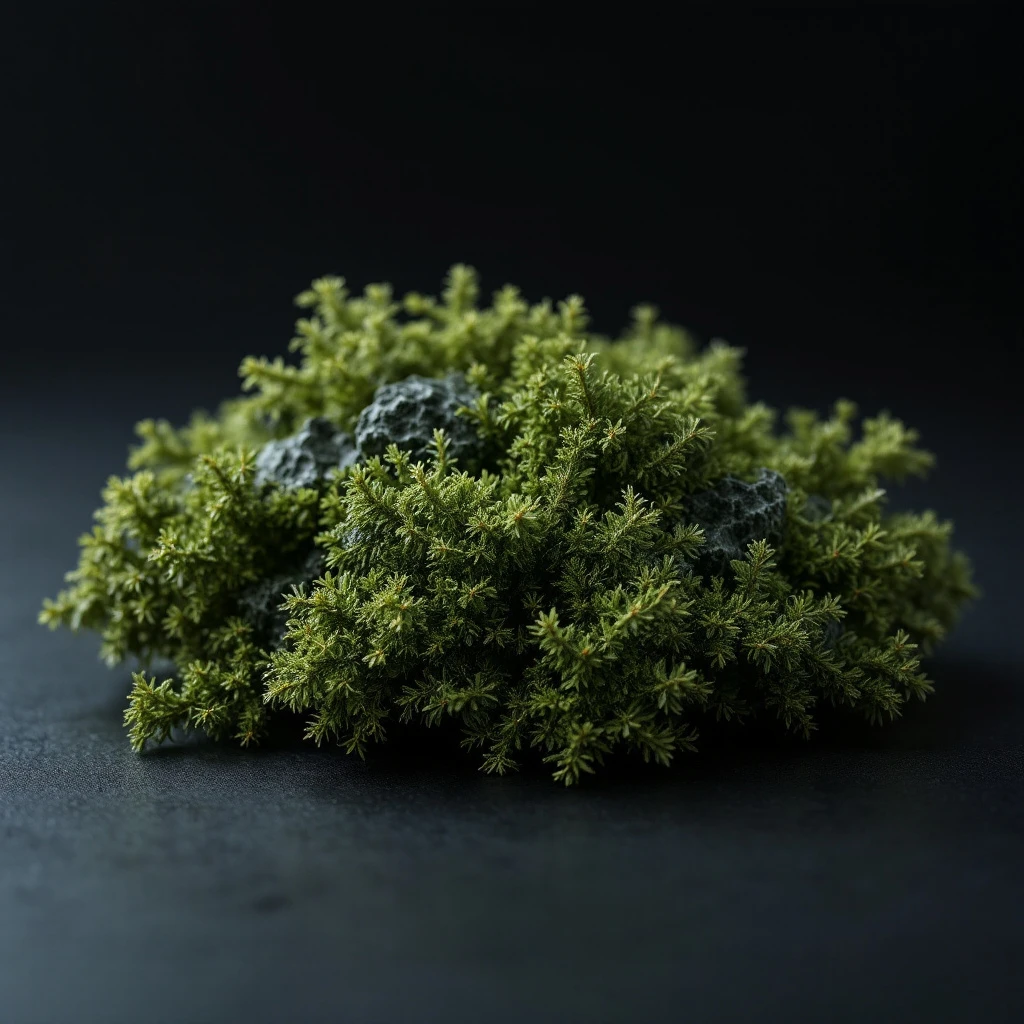
Character
How it smells
Bold forest depths, stone and moss.
A single oak tree may yield oakmoss for only three harvests before the lichen needs years to regenerate.





Origin
Serbia
Oakmoss entered modern perfumery at the end of the nineteenth century, coinciding with advances in synthetic chemistry that allowed perfumers to explore natural materials with greater precision. Yet its aromatic use predates commercial perfumery by centuries—the lichen was gathered and infused in alcohol for fragrance purposes long before industrial extraction.
The ingredient reached prominence with Coty's launch of Chypre in 1917, a fragrance that defined an entire olfactory family. The success of Chypre established oakmoss as a cornerstone material, creating what became known as the chypre accord: bergamot opening, cistus labdanum body, patchouli base, all united by the earthy, mossy foundation that only oakmoss could provide.
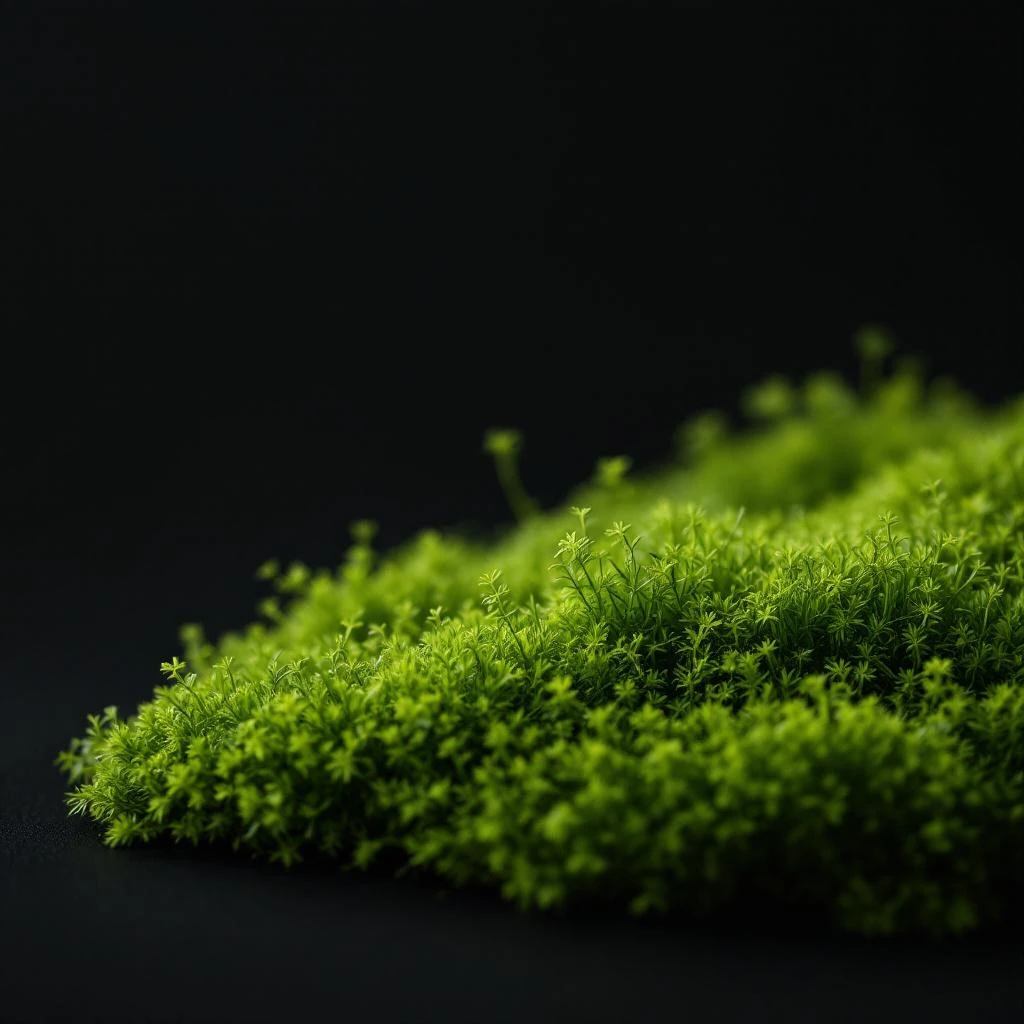
Serbia's position in South-Central Europe places it within the natural growing range for Evernia prunastri. The continental climate of the Balkans, with cold winters and warm summers, produces oakmoss with distinctive character. Balkan forests at moderate altitudes provide ideal conditions for the lichen, which attaches to oak bark and develops its complex aromatic profile slowly over seasons.
Wears it best
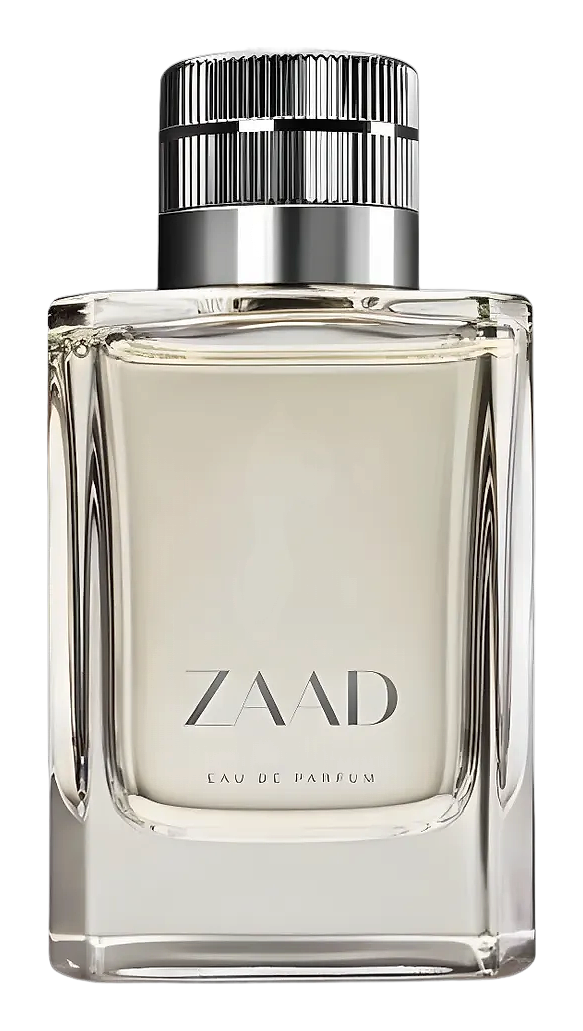
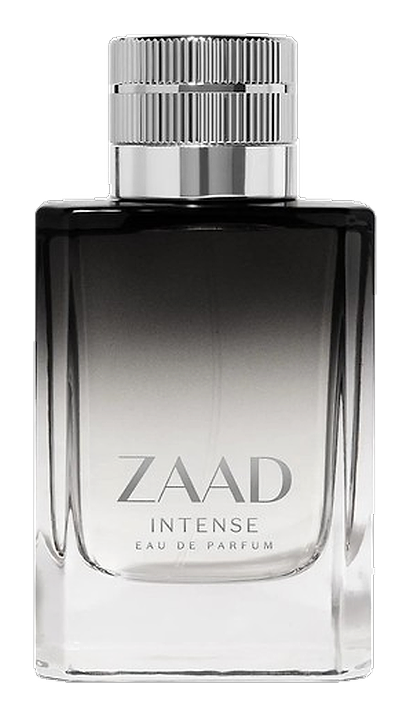
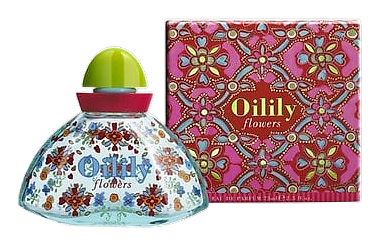
Fragrances featuring Serbian Oakmoss

Brands
Brands known for Serbian Oakmoss
Good to know
Questions, answered
The essentials on Serbian Oakmoss in perfumery: how it smells, where it comes from, and how it behaves on skin.
What is oakmoss and how does it grow?
Oakmoss is the common name for Evernia prunastri, a lichen that clings to oak bark across southern Europe and North Africa. It survives by photosynthesizing while absorbing moisture and nutrients from rain and fog, growing slowly into branching forms that resemble tiny ferns.
What does Serbian oakmoss smell like?
Serbian oakmoss presents a deep, complex earthy aroma with woody, mossy, and slightly sweet undertones reminiscent of damp forest floors. It carries an animalic depth that develops over hours, making it exceptional for grounding fragrance compositions.
Why is oakmoss valuable in perfumery?
Oakmoss serves as a foundational base note in perfumes, providing depth and staying power to fragrance structures. It acts as a natural fixative, slowing the evaporation of lighter top notes and lending an earthy authenticity that synthetic materials struggle to replicate.
How is oakmoss extracted from the lichen?
Harvesters gather the lichen, dry it, then soak it in a volatile solvent to produce a concrete. This concrete undergoes further extraction with ethanol, separating waxy components from the aromatic absolutes to produce oakmoss absolute—thick and dark.
What distinguishes Serbian oakmoss from other origins?
Serbian oakmoss grows under continental climate conditions with cold winters and warm summers, which influences the lichen's development and aromatic profile. The specific altitude ranges and seasonal humidity patterns in Balkan forests contribute unique characteristics distinguishing it from Mediterranean sources.
How does oakmoss feature in fragrance families?
Oakmoss defines the chypre fragrance family, one of perfumery's most enduring structures. Coty's 1917 launch of Chypre codified the family using oakmoss as the foundational element supporting bergamot, cistus labdanum, and patchouli. This family continues influencing fragrance creation today.
What is the regulatory status of oakmoss?
Oakmoss contains atranol and chloroatranol, compounds subject to International Fragrance Association restrictions due to sensitization concerns.IFRA limits these substances in consumer products, ensuring safe usage concentrations while preserving the ingredient's role in perfumery.
Where does Serbian oakmoss fit in the supply chain?
Serbia operates as a commercial harvest zone for oakmoss rather than a primary processing center. Most collected material exports to Grasse, France, where extraction into absolute takes place. This trade pattern reflects Grasse's historical dominance in perfume chemistry and raw material refinement.