Schisandra
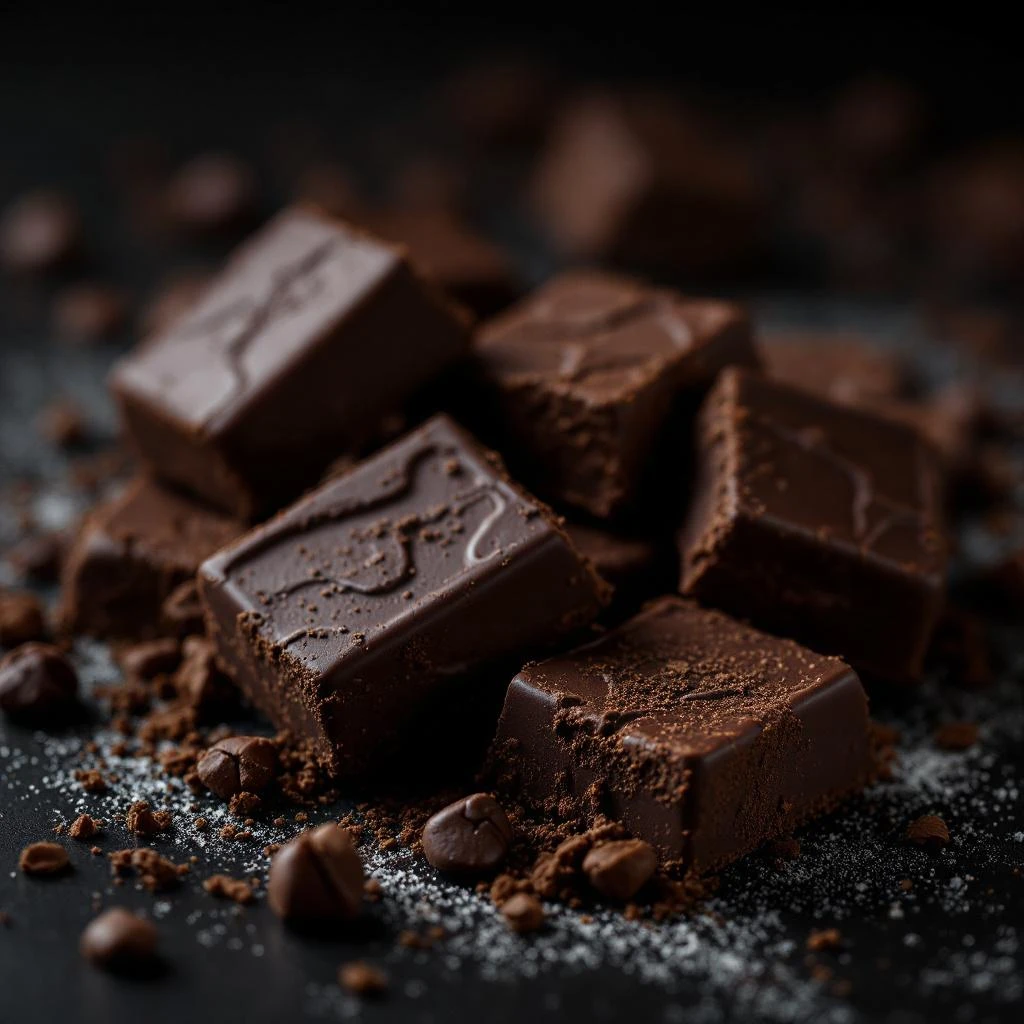
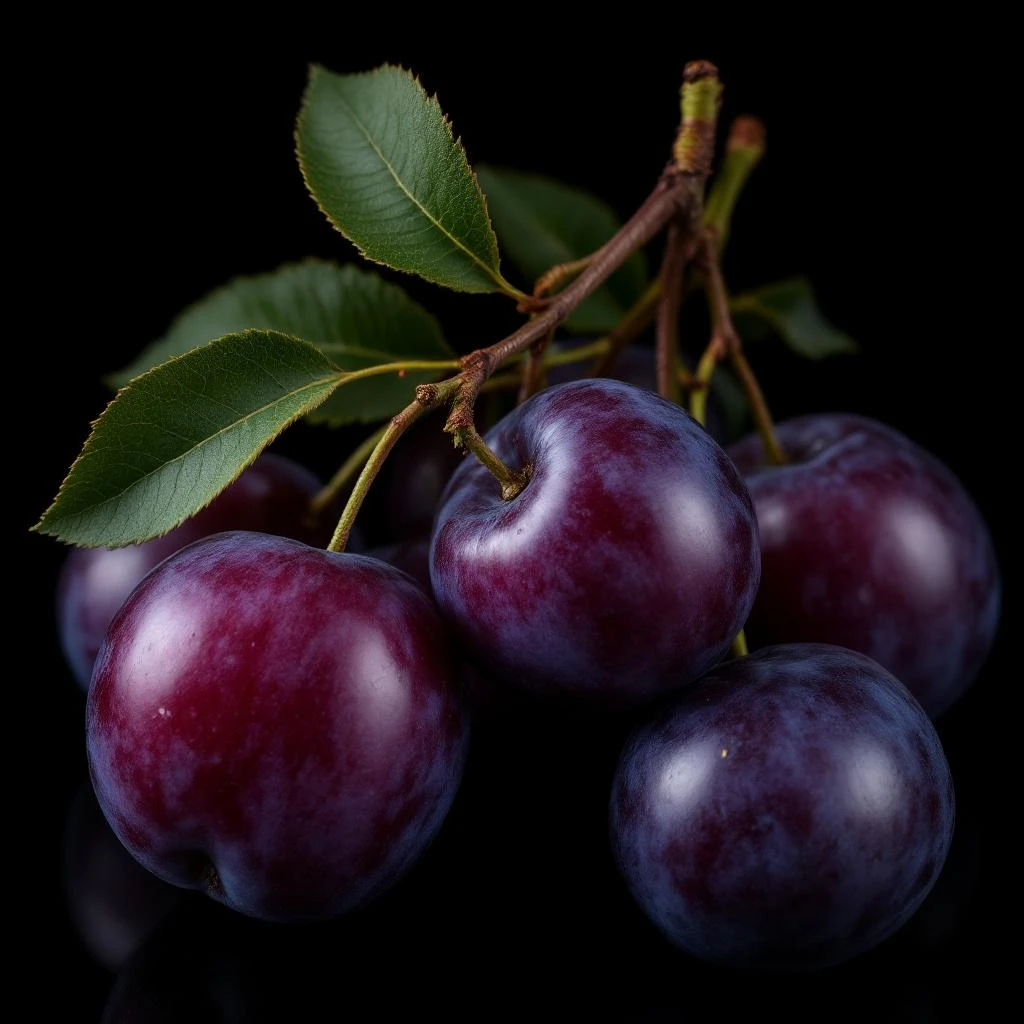
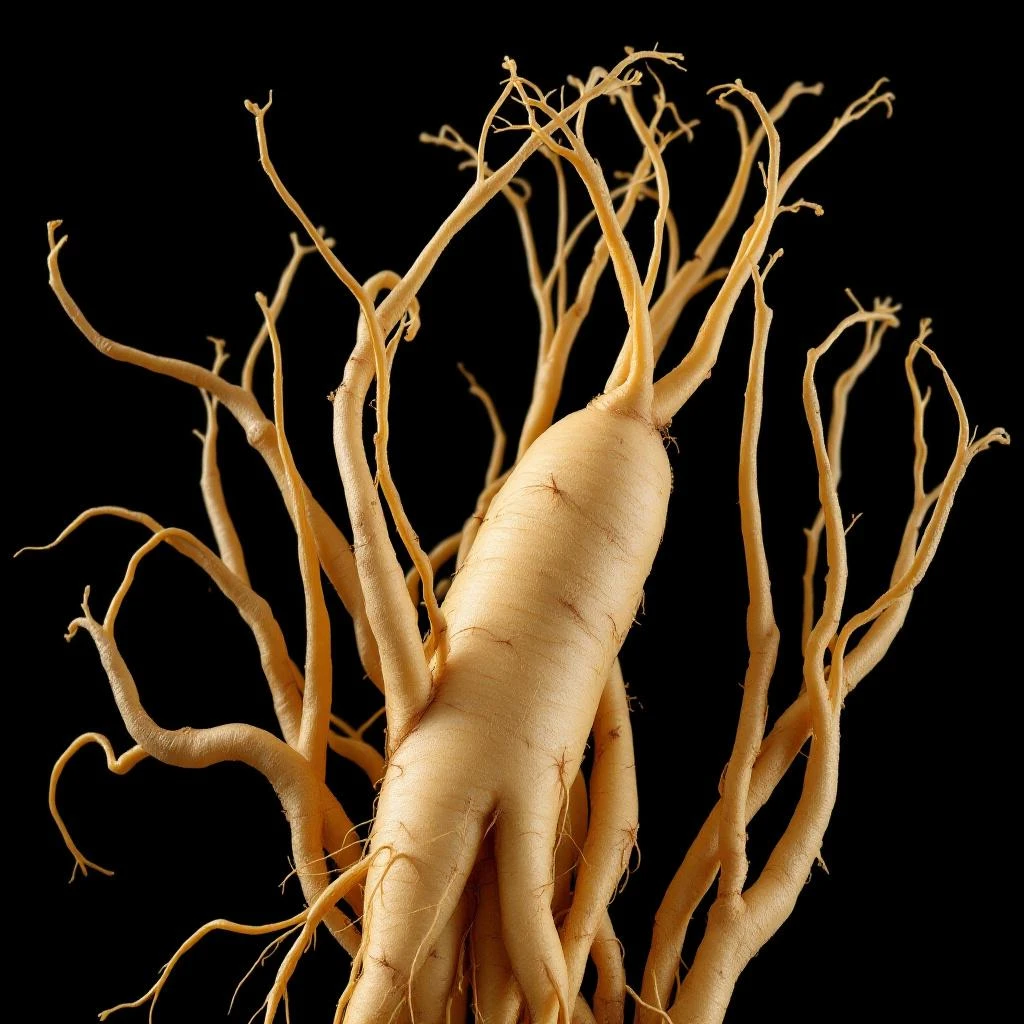
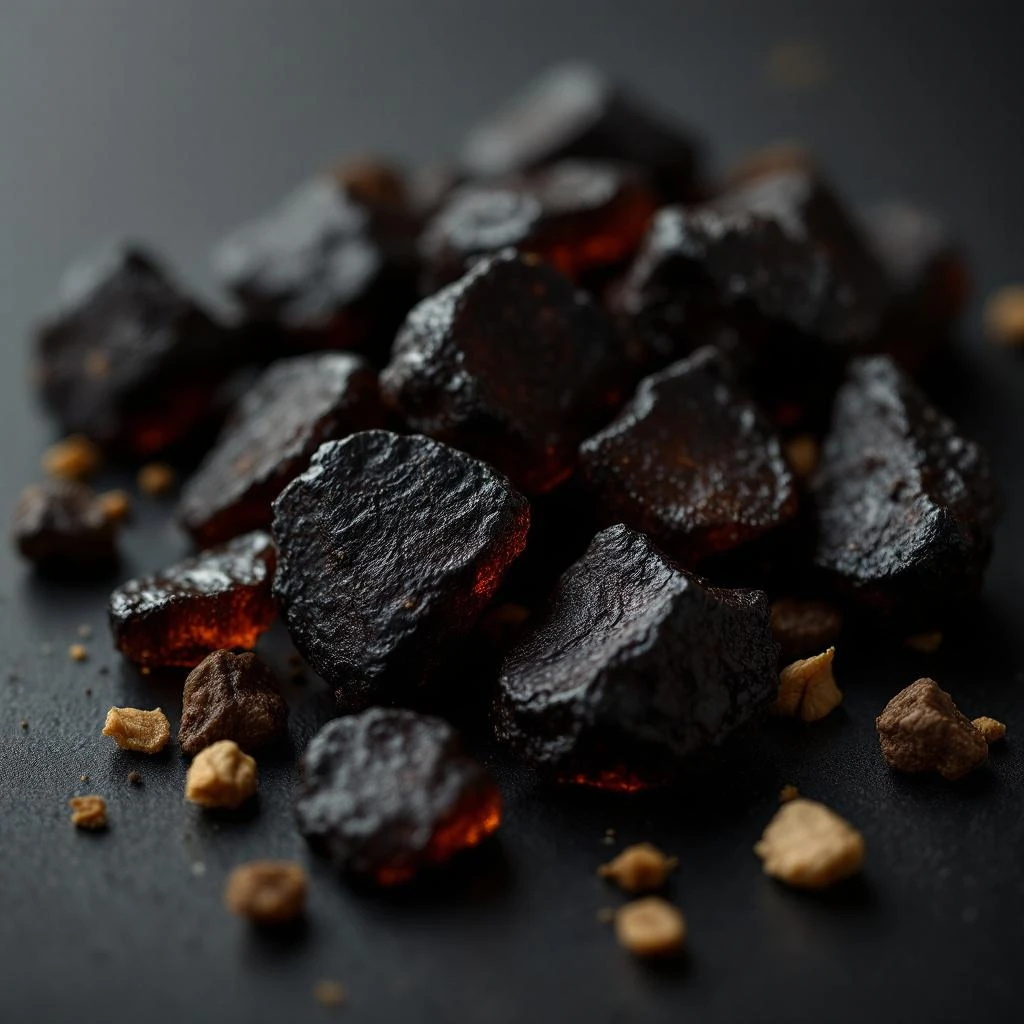
Schisandra brings a warm, woody fruit note with dried plum, goji berry, pepper, and a faint smoky edge. It adds quiet depth to orientals and spiced compositions.
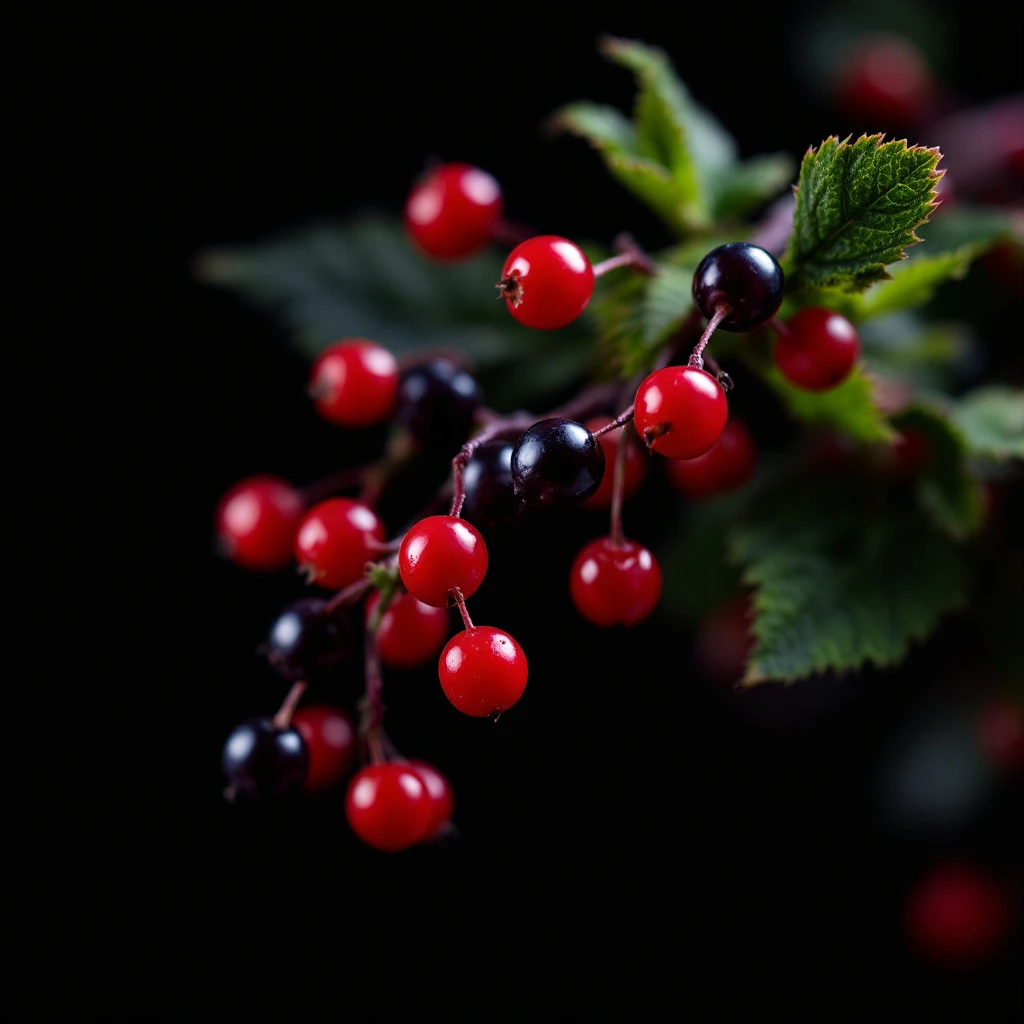
Character
How it smells
Five tastes, one woody fruit note.
Schisandra earned the name “five-flavour berry” because its fruit reportedly expresses sour, sweet, salty, bitter, and pungent tastes together.
Origin
China
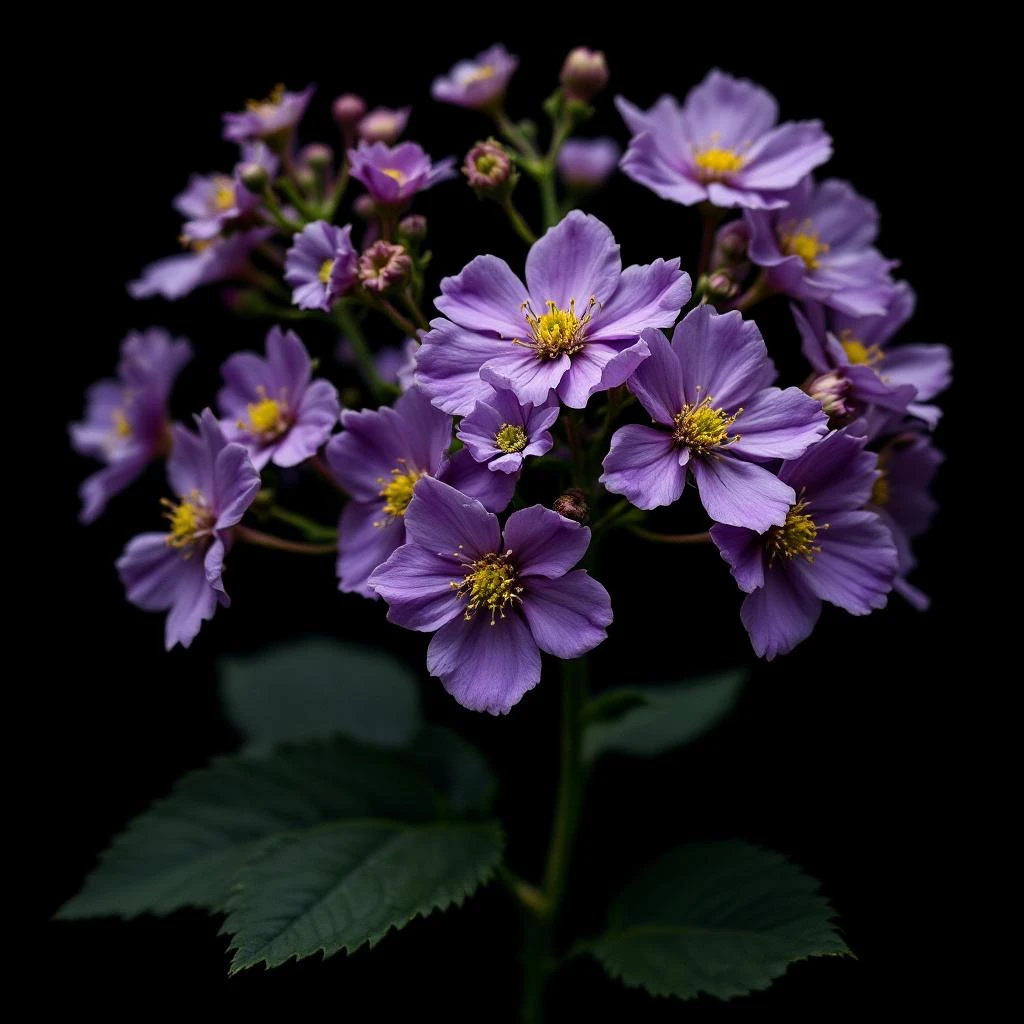
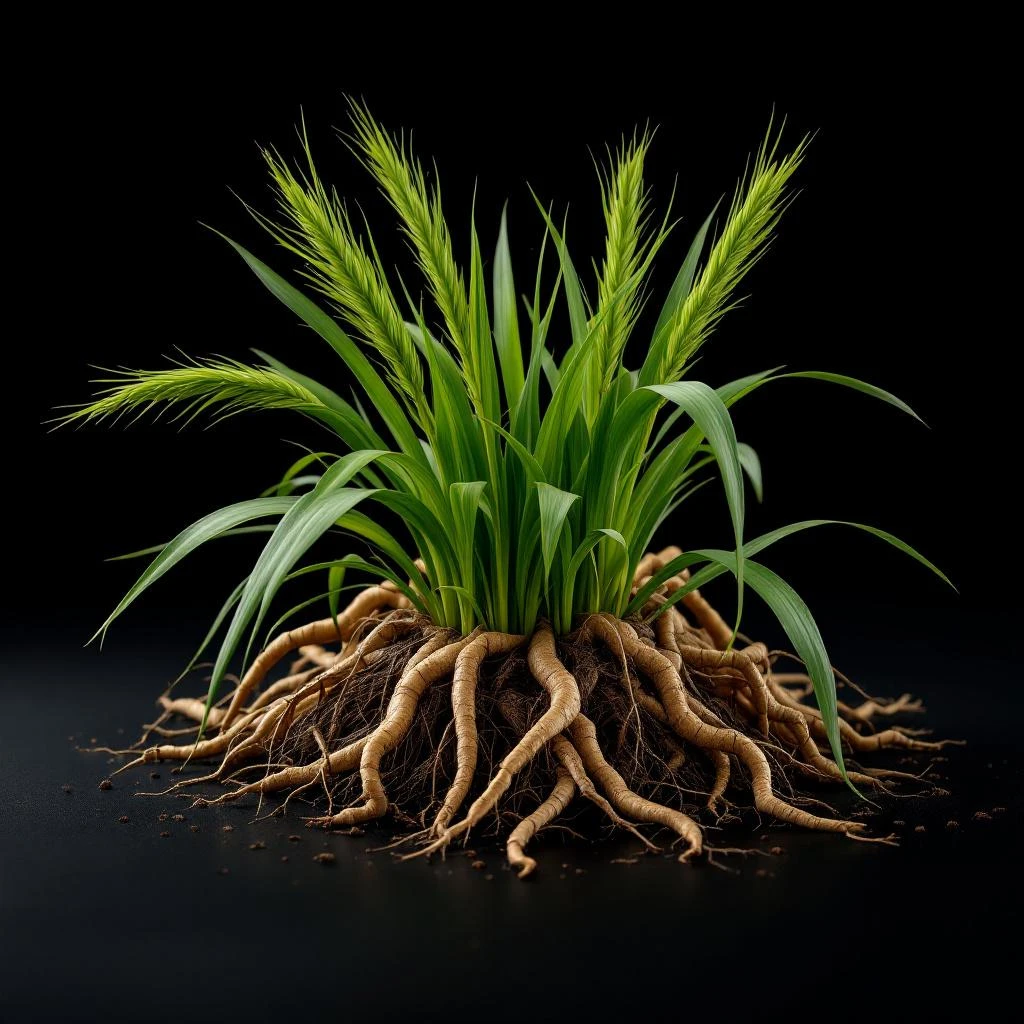
Schisandra chinensis is a climbing vine native to Northeast China, Mongolia, Manchuria, and the Russian Far East. Its clustered red berries have a long history in Chinese medicine, where the dried fruit is traditionally valued for its bitter, sour, sweet, pungent, and salty character.
The English name “five-flavour berry” reflects this remarkable balance of tastes and gives the plant an enduring place in both herbal practice and modern botanical research. Although it entered fragrance much later, schisandra fits naturally into the materials used to create woody, balsamic, and spiced compositions.
Rather than smelling like a fresh berry, it carries the memory of fruit dried slowly over heat: plum skin, goji, pepper, and a trace of smoke. Its uncommon profile gives contemporary perfumers a precise way to introduce bitter fruit and forest-floor depth into orientals, amber compositions, and woody fragrances.
Wears it best
Fragrances featuring Schisandra
Brands
Brands known for Schisandra
Good to know
Questions, answered
The essentials on Schisandra in perfumery: how it smells, where it comes from, and how it behaves on skin.
What does schisandra smell like in perfumery?
Schisandra smells warm, woody, and softly balsamic, with dried plum and goji berry over a peppery, lightly smoky base. It reads more like forest floor and preserved fruit than a fresh berry.
Why is schisandra called the five-flavour berry?
Schisandra is called the five-flavour berry because its fruit presents sour, sweet, salty, bitter, and pungent tastes at once. This unusual sensory balance explains its traditional use and distinctive character.
How is schisandra fruit oil extracted for fragrance use?
Schisandra fruit oil is commonly extracted with supercritical carbon dioxide. Pressurized CO2 carries aromatic compounds from the dried berries, then separates from the extract without leaving solvent residues.
What part of the schisandra plant is used in perfumery?
Perfumers generally use an extract made from the dried fruit of Schisandra chinensis. The berries provide a bitter, slightly fruity material classified as a middle note.
Where does schisandra naturally grow?
Schisandra chinensis grows wild across Northeast China, Mongolia, Manchuria, and the Russian Far East. It is a climbing vine that produces clusters of red berries in cool temperate forests.
Which fragrance families suit schisandra?
Schisandra works especially well in woody, amber, oriental, and spiced compositions. Its dried-fruit and peppery facets also give citrus, rose, lavender, and black spruce accords greater depth.
Does schisandra smell sweet like goji berries?
Not exactly. Its profile combines sweet dried fruit with bitterness, warm woods, pepper, and light smoke, creating a more rustic and restrained aroma than fresh goji or plum.
Is schisandra a common ingredient in mainstream perfume?
Schisandra remains uncommon in mainstream perfumery. Its distinctive bitter fruit character makes it more likely to appear in niche compositions, woody fragrances, and experimental botanical accords.