Ruby chocolate
Ruby chocolate is the fourth distinct chocolate type, distinguished by its natural pink hue and bright berry-tart finish that differentiates it from dark, milk, and white chocolate. Perfumers recreate this uniquely fruity-chocolate character synthetically to add playful sophistication to gourmand fragrances.
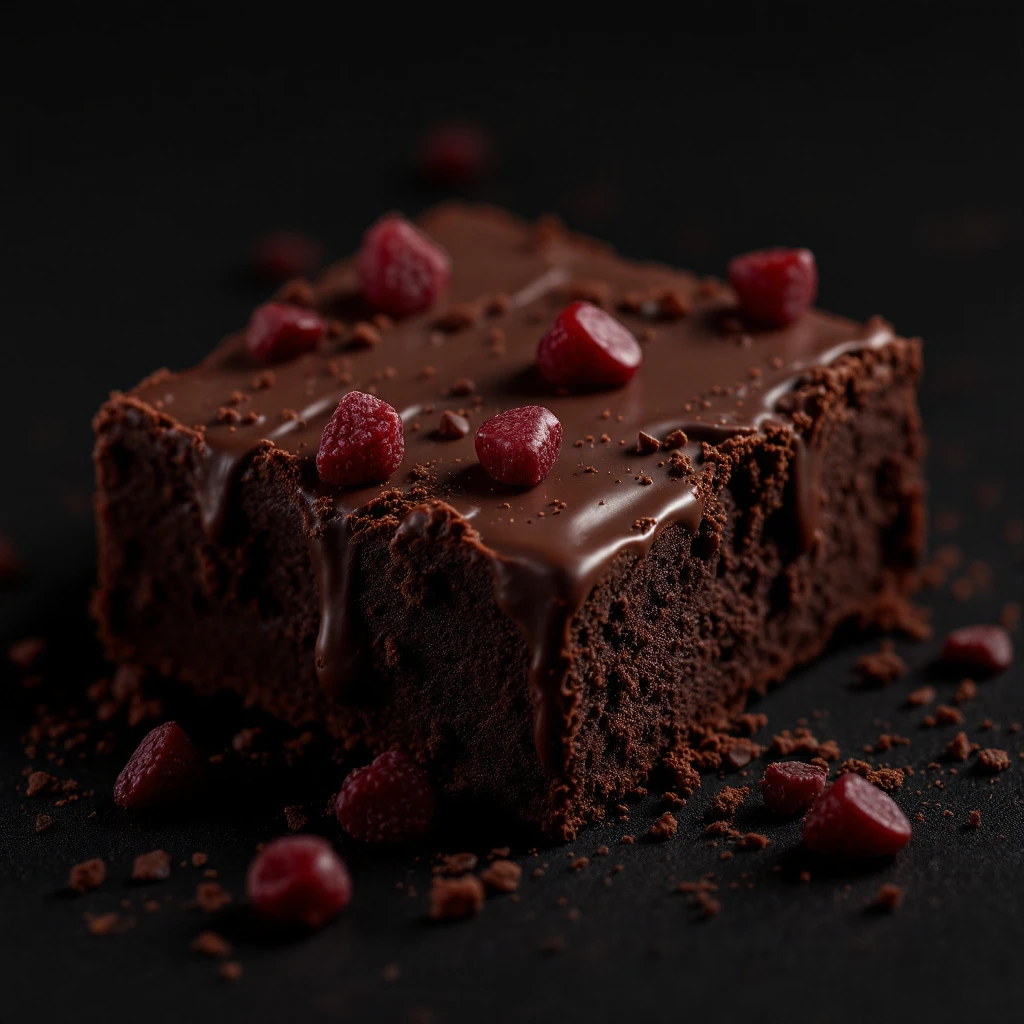
Character
How it smells
The pink revolution in chocolate — and perfumery.
Ruby chocolate is naturally pink. No strawberries, no food coloring — the hue comes from a specific variety of cocoa bean and the gentle processing method that preserves its berry-like compounds.




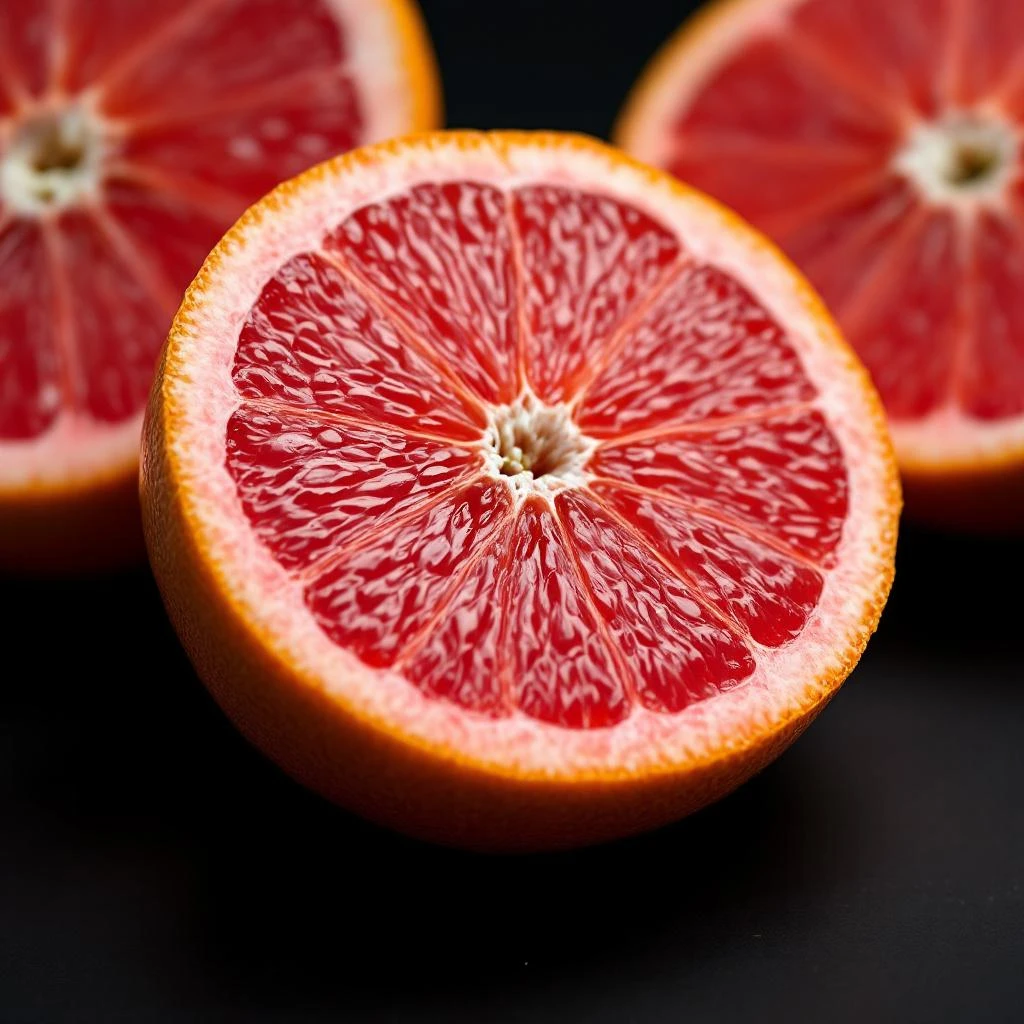
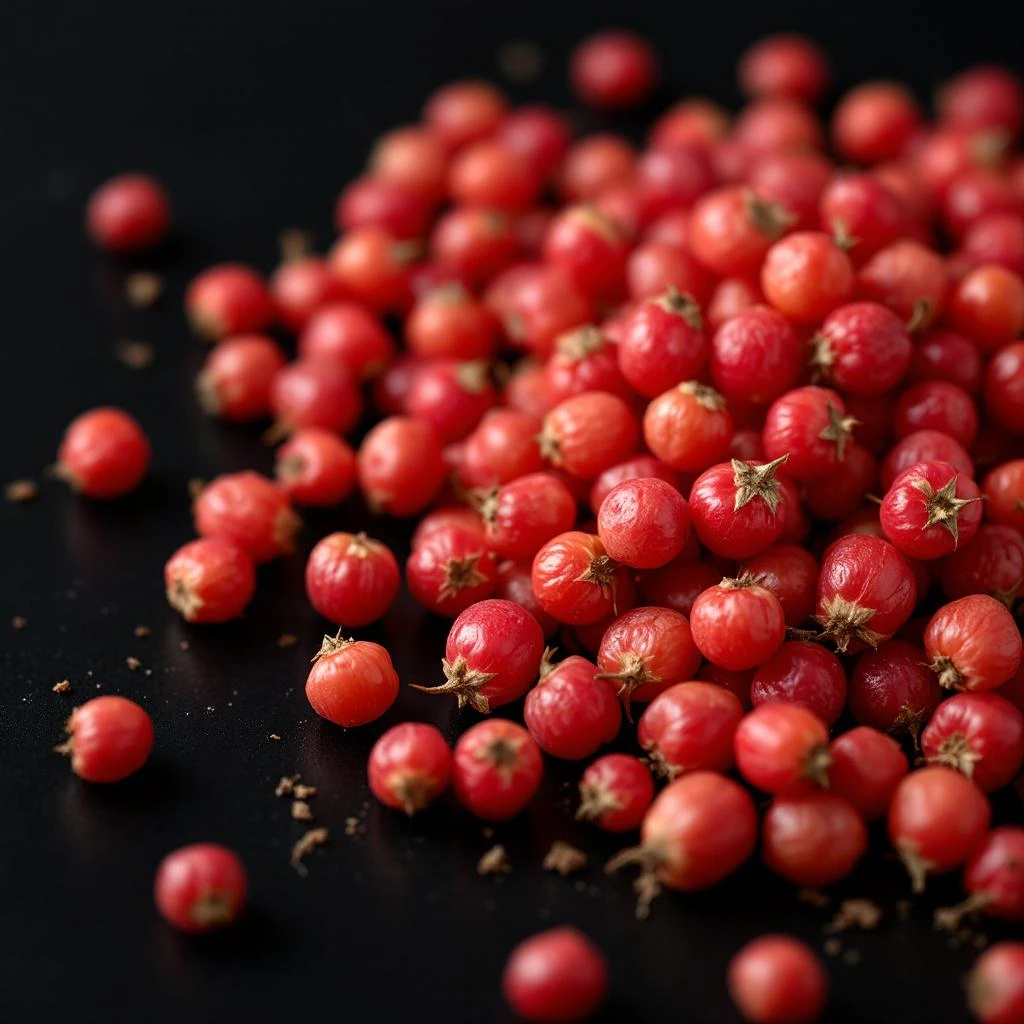

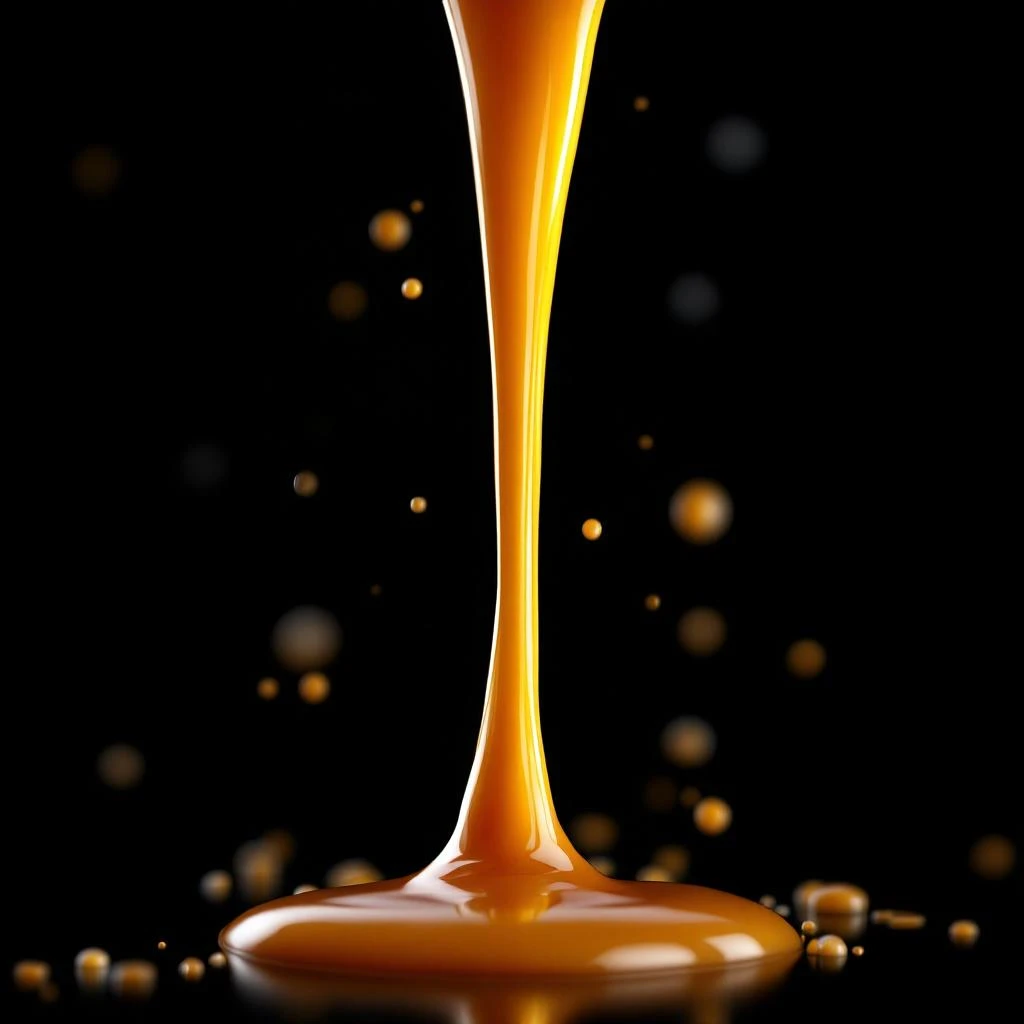

Origin
Belgium
Ruby chocolate made its debut on September 5, 2017, introduced by Barry Callebaut, the Belgian-Swiss cocoa company that spent over a decade developing the product after beginning research in 2004. It was immediately recognized as the first new chocolate type since white chocolate, joining dark, milk, and white as the fourth category. The pink color develops naturally during fermentation and is not added — it stems from the specific botanical origin of the ruby cocoa bean variety and the retention of anthocyanin compounds typically destroyed in standard chocolate processing.
Originally launched as a confectionery product for premium chocolate manufacturers, the ruby chocolate concept soon drew interest from perfumers seeking novel gourmand materials. The fragrance industry adopted 'ruby chocolate' as a conceptual note, recreating its berry-tart, creamy character to evoke modern sweetness and playful sophistication in scent design.
Wears it best
Fragrances featuring Ruby chocolate
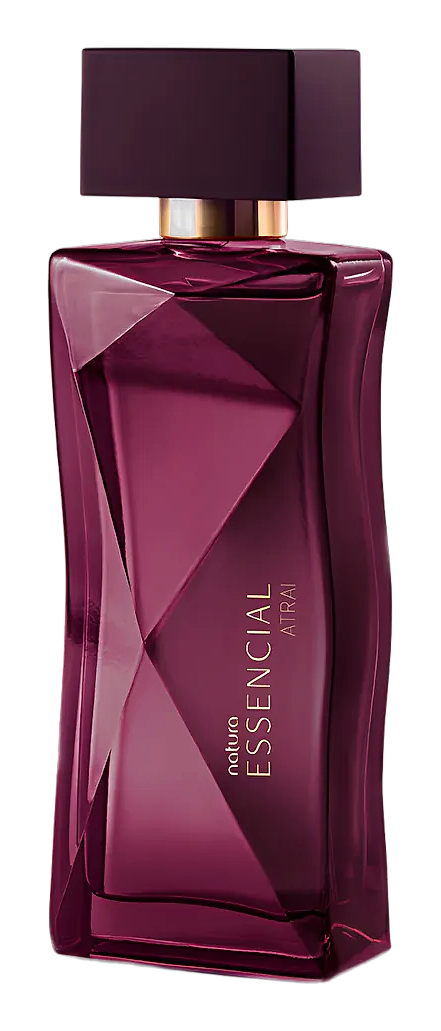
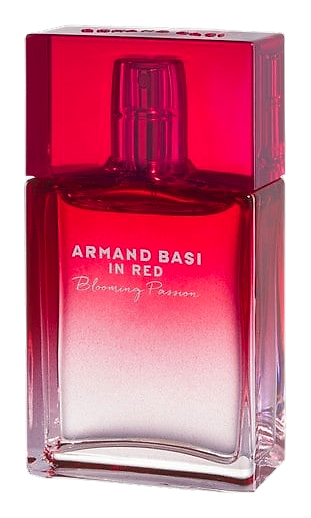
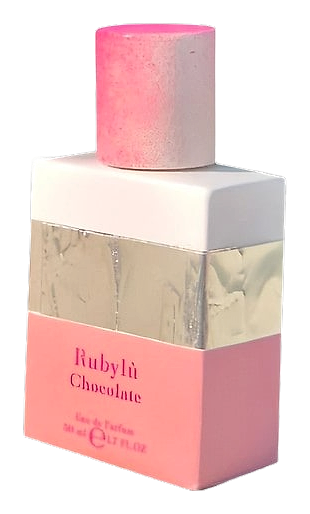
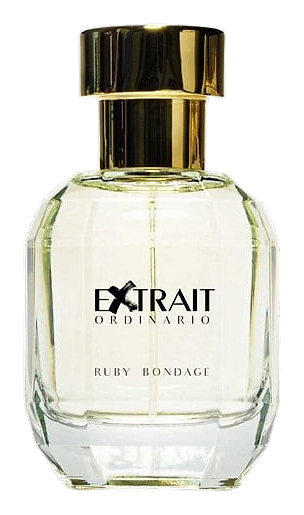
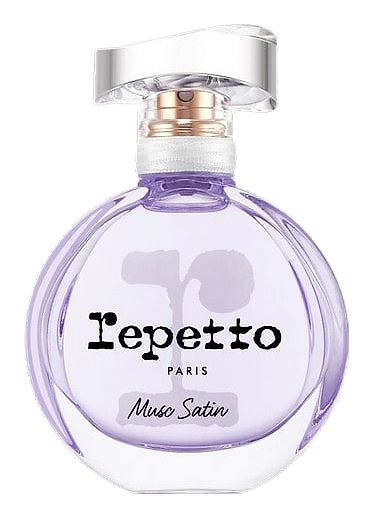
Brands
Brands known for Ruby chocolate
Good to know
Questions, answered
The essentials on Ruby chocolate in perfumery: how it smells, where it comes from, and how it behaves on skin.
Is ruby chocolate a natural fragrance ingredient?
Ruby chocolate is not available as a natural fragrance extract. Perfumers recreate its character synthetically by combining cocoa absolute, fruity-acidic materials, and creamy dairy notes to capture the unique berry-tart chocolate profile.
What makes ruby chocolate smell different from regular chocolate?
Ruby chocolate's scent is defined by bright berry and citrus-tart top notes, unlike dark chocolate's bitter depth or white chocolate's sweet vanilla base. The natural acidity preserved in ruby cocoa beans creates this distinctive fruity lift.
When was ruby chocolate introduced to the world?
Barry Callebaut launched ruby chocolate on September 5, 2017, after thirteen years of development starting in 2004. It became the first new chocolate type in over 80 years.
Does ruby chocolate's pink color come from added dye?
No. Ruby chocolate's pink hue develops naturally during fermentation and is retained through gentle processing. The color comes from a specific ruby cocoa bean variety rich in anthocyanins, compounds typically destroyed in standard chocolate making.
Which cocoa species is used to make ruby chocolate?
Ruby chocolate comes from the Theobroma cacao species, specifically a ruby-colored bean variety. Unlike standard cocoa processing that destroys anthocyanins, ruby production preserves these compounds, contributing both color and the characteristic berry notes.
What fragrances typically feature ruby chocolate notes?
Gourmand and sweet fragrance lines use ruby chocolate most often. Brands like Chopard, Von Burg, and various niche perfumers have incorporated ruby chocolate as a modern interpretation of the cocoa note in contemporary scent compositions.
Why is citric acid important to ruby chocolate's flavor profile?
Citric acid, naturally present in ruby cocoa beans and sometimes emphasized in processing, creates the bright tartness that distinguishes ruby chocolate from other chocolate types. Barry Callebaut highlights this naturally occurring acidity as central to ruby chocolate's character.
Is ruby chocolate considered a fourth chocolate category?
Yes. Industry and confectionery organizations recognize ruby chocolate as the fourth distinct chocolate type alongside dark, milk, and white. It is defined by its natural pink color and berry-tart taste rather than any added flavoring.