Royal Lily
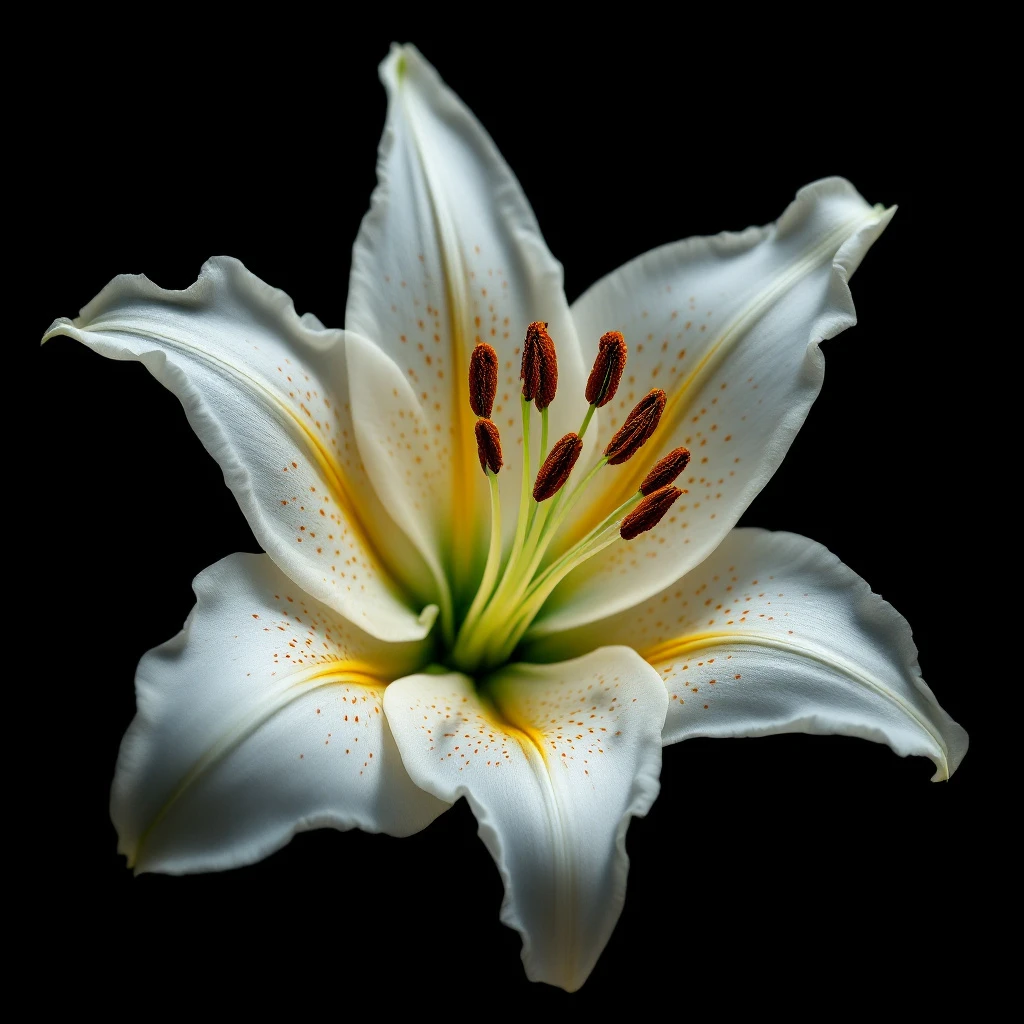
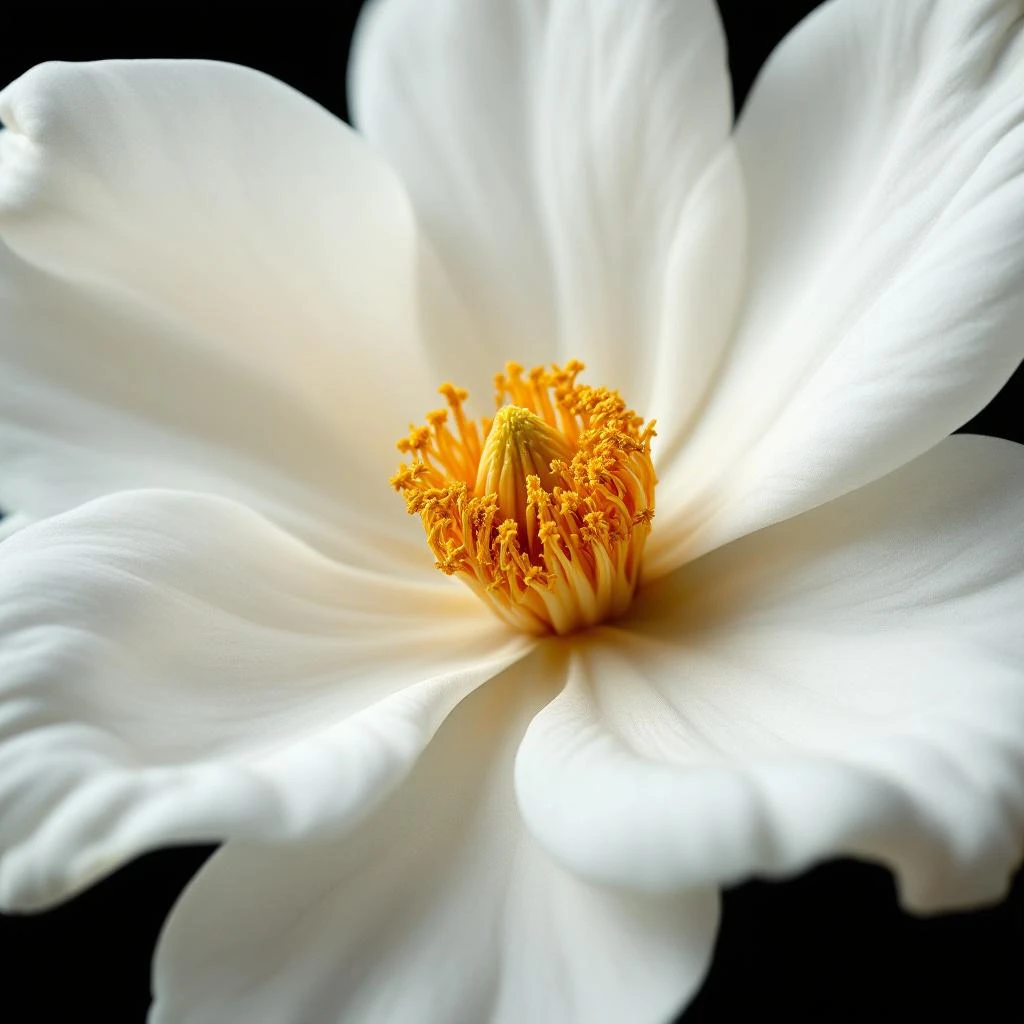
Royal Lily captures the regal elegance of white lilies—creamy, green, and subtly spiced. This carefully crafted accord delivers the flower's pristine beauty with a stability that natural extracts cannot achieve.
Character
How it smells
White florals at their most regal
Natural lily extracts degrade within hours of harvest, making synthetic accords the industry standard since the mid-20th century.






Origin
Netherlands
Lilies held sacred significance across ancient Mediterranean civilizations. Egyptians wove them into funerary garlands and used their extracted oils in religious rituals. Greek mythology associated the white lily with Hera, queen of the gods, while Roman nobility favored lily-laden baths and perfumed cosmetics.
Mesopotamian texts describe distillation techniques applied to fragrant flowers, though lilies posed particular challenges due to their low aromatic yield. The flower's cultural prominence faded somewhat during Europe's medieval period, when floral perfumery shifted toward rose and violet. The modern revival came through 20th-century aromatic chemistry, when perfumers learned to reconstruct lilies' delicate profile using synthetic compounds and advanced extraction methods.
Today Royal Lily represents this technological achievement—a white floral once reserved for royalty through natural scarcity now accessible to contemporary perfumery.
Wears it best
Fragrances featuring Royal Lily
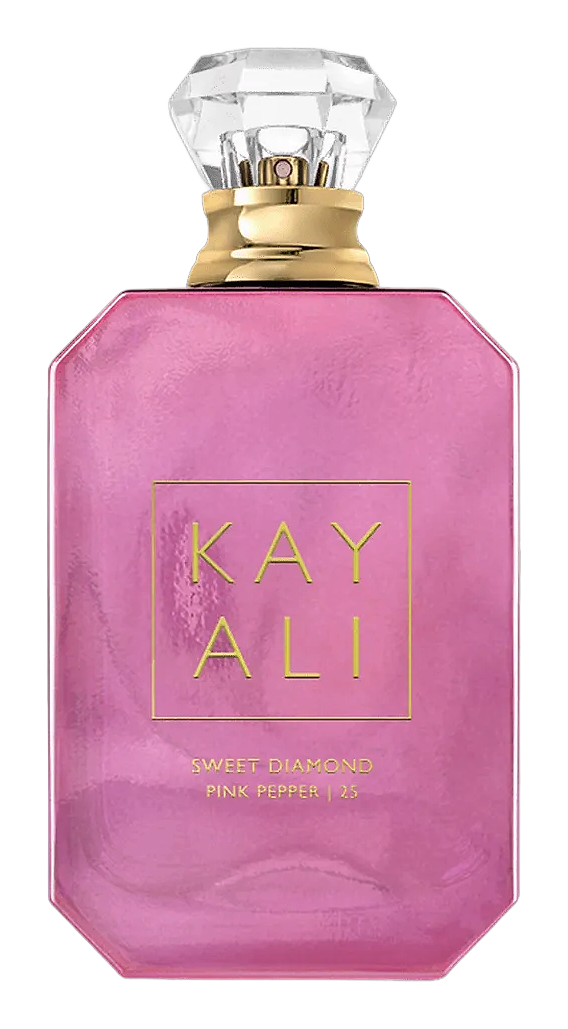
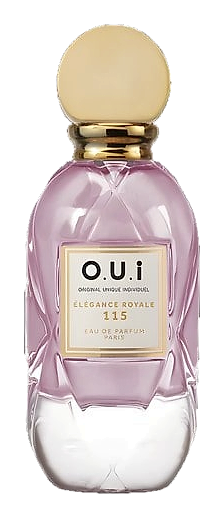
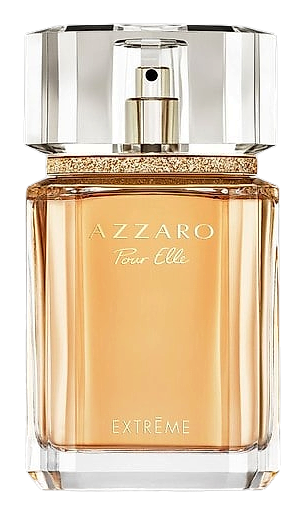
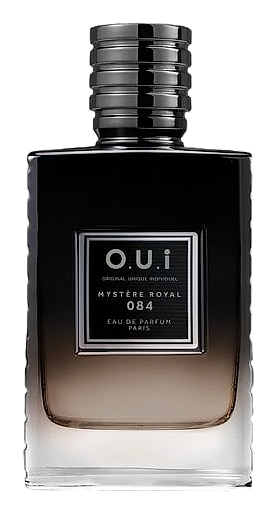
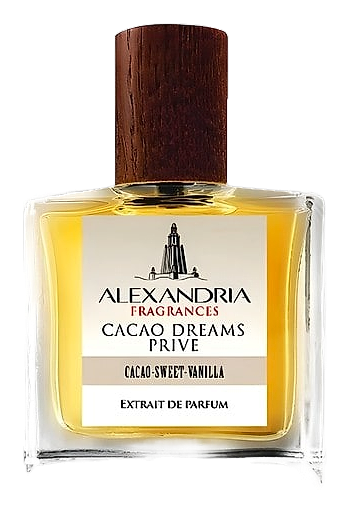
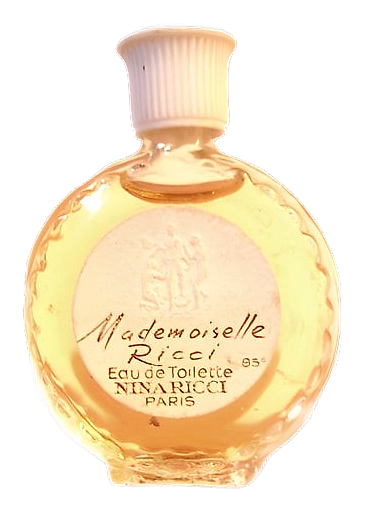
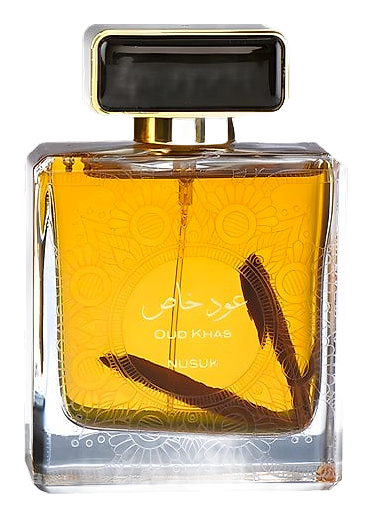
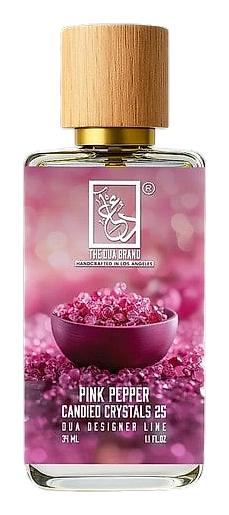

Brands
Brands known for Royal Lily
Good to know
Questions, answered
The essentials on Royal Lily in perfumery: how it smells, where it comes from, and how it behaves on skin.
Is Royal Lily a natural or synthetic ingredient?
Royal Lily typically combines natural extraction with synthetic components. Natural lily extracts exist but cost over $15,000 per kilogram with poor yield and instability. Most commercial Royal Lily accords use laboratory-crafted materials that replicate the flower's characteristic profile with consistent quality.
What does Royal Lily smell like?
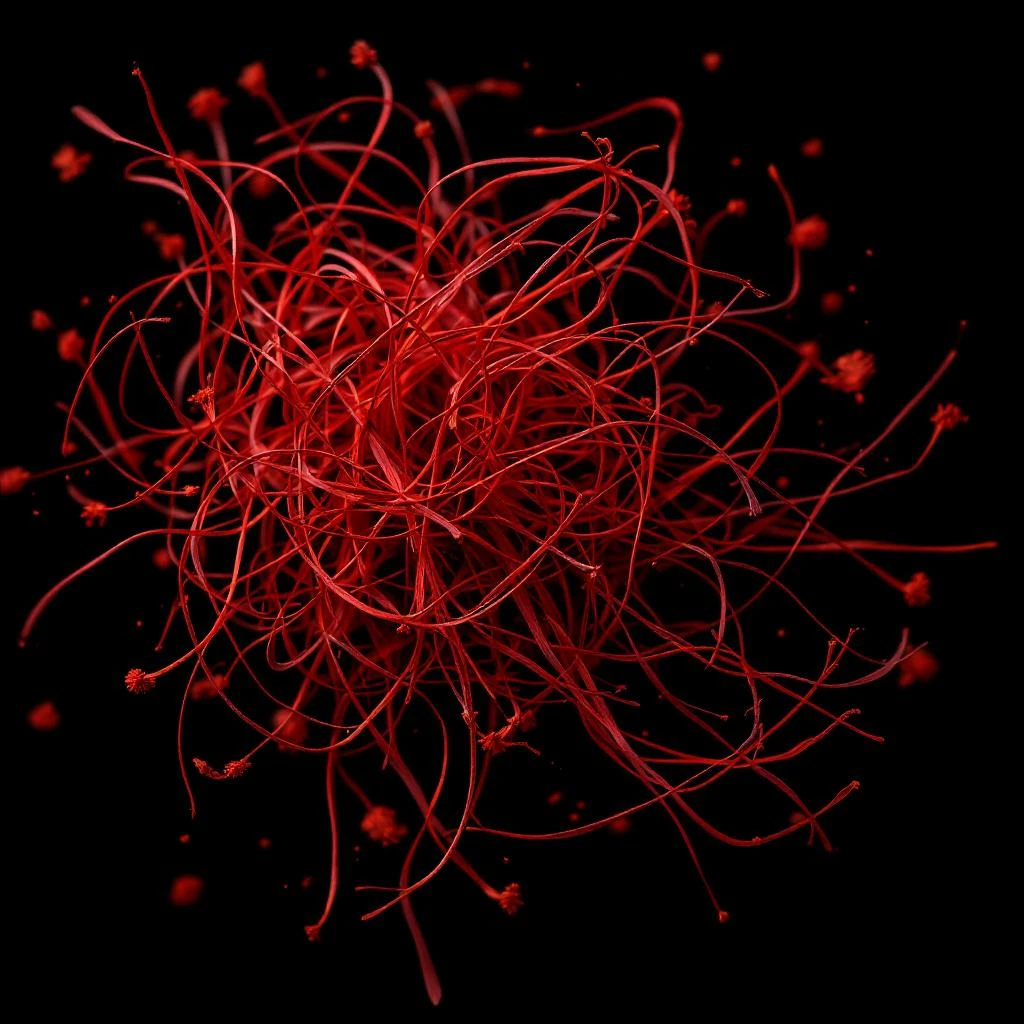
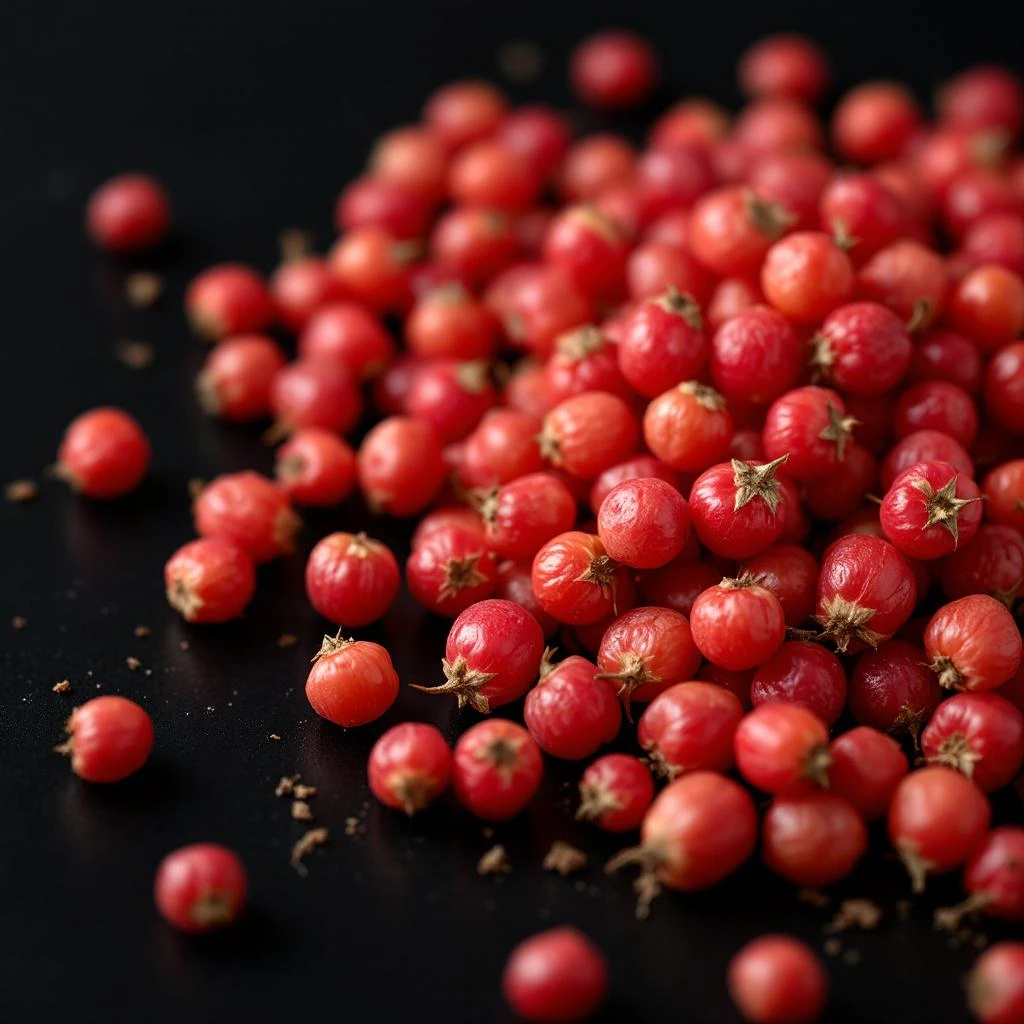
Royal Lily presents as creamy and sweet with green, leafy undertones that prevent it from becoming heavy. A subtle spiced facet adds complexity. The result feels fresh yet opulent, combining the elegance of white florals with an organic, garden-fresh quality.
Why is Royal Lily used instead of natural lily extract?
Natural lily extracts degrade within hours of harvesting due to their molecular instability. Royal Lily delivers consistent aromatic performance over a fragrance product's lifetime. This stability makes it practical for commercial perfumery where natural extracts would fail prematurely.
Can Royal Lily replace real lilies in fragrance formulas?
Yes, for most applications. Synthetic and extracted Royal Lily accords capture the flower's recognizable character—the creamy white floralcy, green notes, and honeyed warmth. Only highly specialized natural absolutes offer marginally different nuances that trained noses might distinguish.
What extraction methods produce Royal Lily?
Multiple techniques create Royal Lily materials. Solvent extraction yields a waxy absolute. Headspace technology captures volatiles released by living flowers. Supercritical CO2 extraction produces materials with exceptional aromatic fidelity. Biotech synthesis creates sustainable aromatic compounds through fermentation.
Which perfumes traditionally feature Royal Lily?
Royal Lily appears frequently in floral and chypre compositions. It serves as a centerpiece in many white floral fragrances and functions as a supporting note in oriental and woody formulas where its creamy warmth complements other ingredients.
Where do lily materials used in perfumery originate?
Lilies suitable for fragrance materials grow throughout temperate regions. The Netherlands dominates commercial bulb and cut flower production globally. Traditional perfumery regions like Grasse, France, and certain Indian cultivation areas also contribute to specialized extraction.
Are there ethical concerns with lily fragrance materials?
Modern Royal Lily production typically avoids harvest disruptions to living lily crops since extraction yields from actual flowers remain minimal. Biotech and synthetic production methods offer particularly sustainable pathways, reducing agricultural land use and eliminating seasonal harvest constraints.