Rosyrane
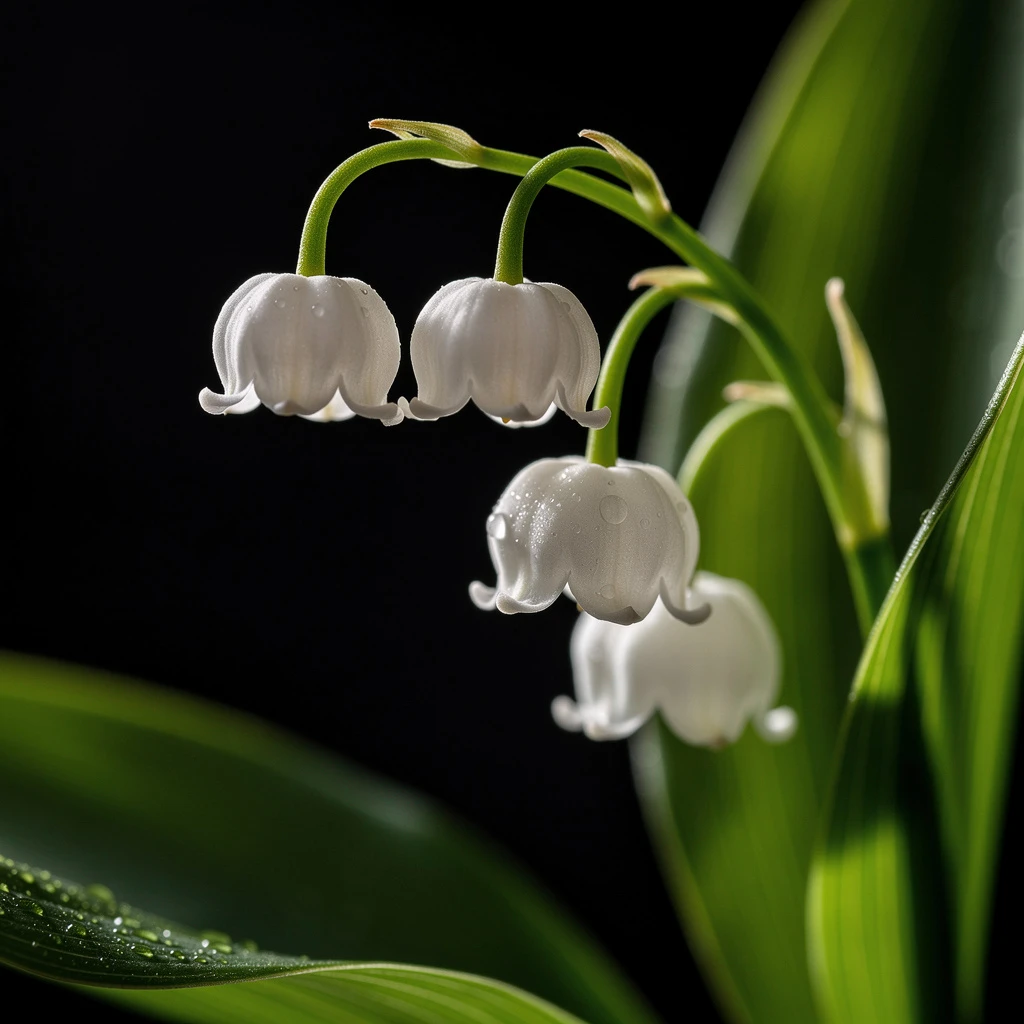
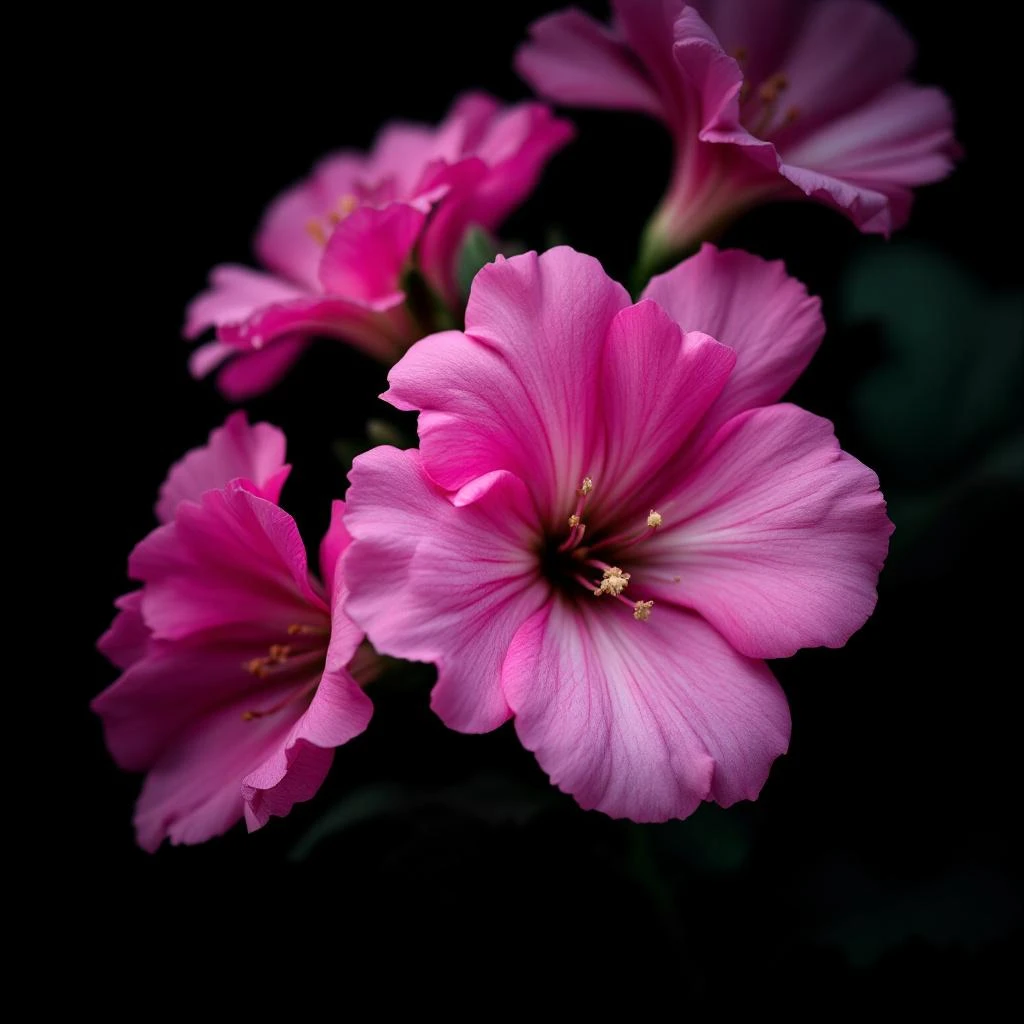
Synthetic rose compound with an aromatic profile blending dewy greenness and soft floral sweetness. Developed for modern perfumery, Rosyrane captures rose's luminous character without natural rose oil's resource-intensive extraction.

Character
How it smells
Modern science distills the soul of a rose
Rose oxide, a key rose aroma molecule, was first isolated from fermented tea leaves before chemists learned to produce it synthetically.


Origin
France
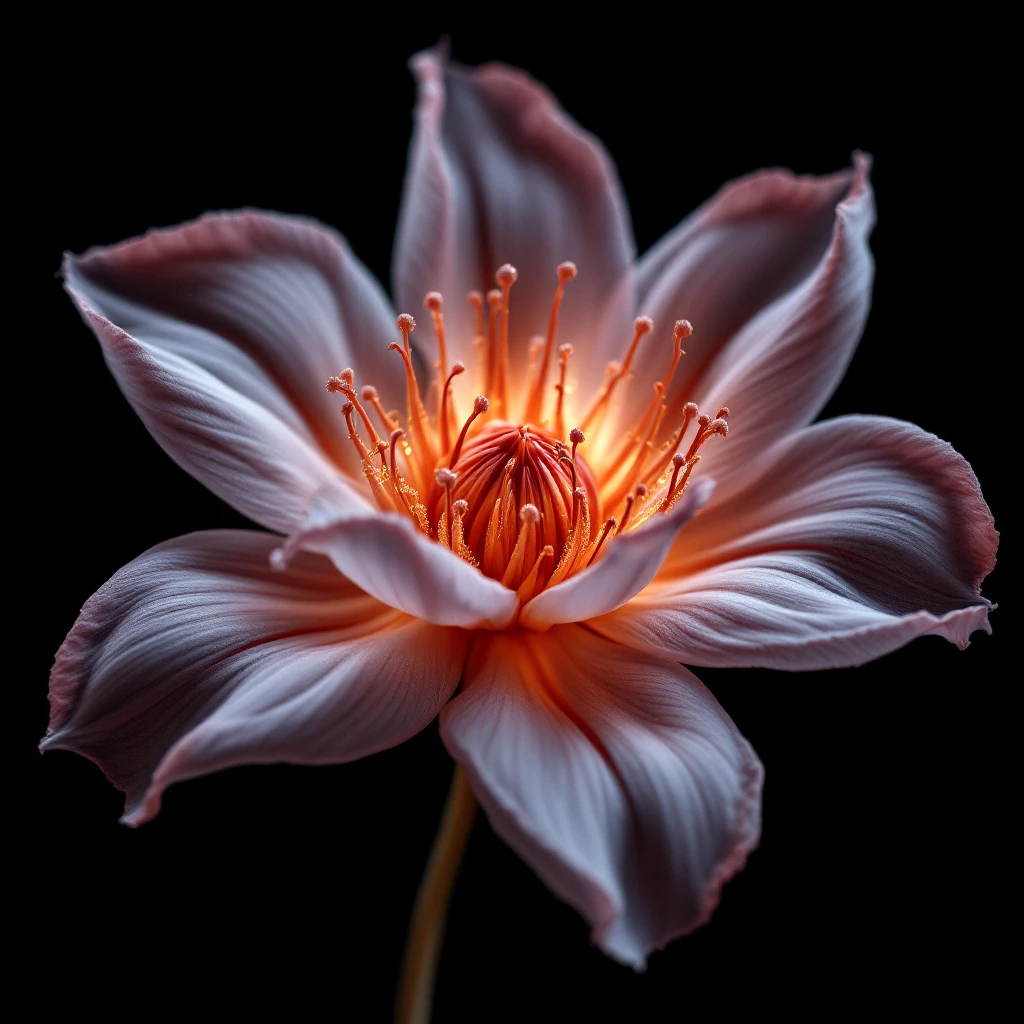
The rose has anchored fragrance for millennia, celebrated by ancient Persians, Egyptians, Greeks, and Romans. For centuries, perfumers relied solely on rose water and steam-distilled rose Otto. Modern perfumery transformed in the late nineteenth century with commercial synthesis of aroma compounds, eventually enabling chemists to isolate and recreate rose's key aroma molecules.
Rose oxide, first identified from fermented tea, became commercially available in the 1960s. Today, synthetic rose materials like Rosyrane represent perfumery's evolution from agricultural dependency to molecular precision—capturing the luminous, fresh character of a morning rose through pure chemistry.
Wears it best
Fragrances featuring Rosyrane
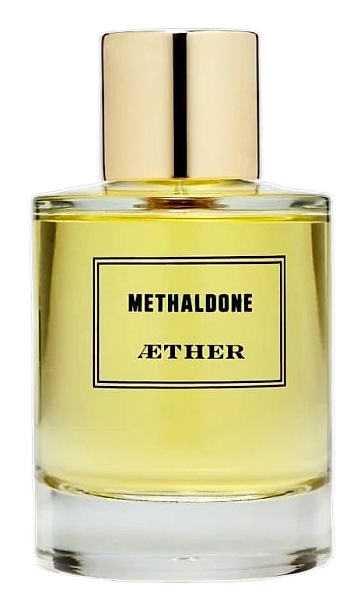
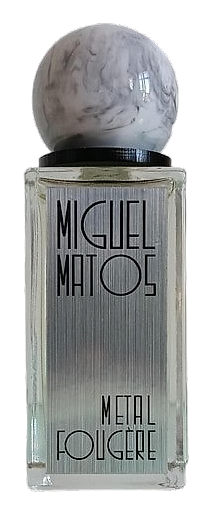
Brands
Brands known for Rosyrane
Good to know
Questions, answered
The essentials on Rosyrane in perfumery: how it smells, where it comes from, and how it behaves on skin.
What does Rosyrane smell like?
Rosyrane smells like the fresh, dewy opening of a rose—green and floral with subtle fruity undertones. It captures the bright top-note character of rose without the heavier, honeyed base that natural rose oil provides.
Is Rosyrane derived from natural roses?
No. Rosyrane is a synthetic fragrance ingredient produced through controlled chemical synthesis. It replicates rose's aromatic profile without requiring the cultivation and extraction of natural rose materials.
When was synthetic rose chemistry developed?
Modern perfumery began synthesizing rose compounds in the late nineteenth century alongside vanillin and coumarin. Rose oxide, a key rose aroma molecule, became commercially available in the 1960s, expanding the perfumer's rose toolkit significantly.
What fragrances use Rosyrane?
Rosyrane appears in modern florals, chypres, and rose bases across mass and luxury segments. Perfumers use it to lift rose accords, add green freshness, and ensure consistent scent profiles across production batches.
Is Rosyrane safe to use in skin products?
Rosyrane complies with IFRA standards for fragrance safety when used at recommended concentrations. Like all fragrance materials, it undergoes toxicological evaluation before commercial use in consumer products.
How does Rosyrane differ from natural rose oil?
Natural rose oil contains hundreds of molecules including phenylethyl alcohol, citronellol, and geraniol, giving it richness and complexity. Rosyrane isolates specific aromatic qualities—typically the fresh, green character—for targeted perfumery use.
Why do perfumers choose synthetic rose materials?
Synthetics like Rosyrane offer batch-to-batch consistency that natural sourcing cannot match. Natural rose oil shows seasonal variation; synthetic production ensures every formula performs identically across production runs.
What is the environmental impact of synthetic rose materials?
Producing one kilogram of natural rose oil requires approximately one million rose petals. Synthetic alternatives like Rosyrane sidestep this agricultural footprint, reducing land use, water consumption, and seasonal dependency inherent in growing roses for extraction.
In the same family