Sclarene
Sclarene is a naturally occurring sesquiterpene hydrocarbon found primarily in clary sage essential oil. It contributes to the herbaceous, slightly sweet character that defines clary sage's aromatic profile and plays a supporting role in modern perfumery formulations.
Character
How it smells
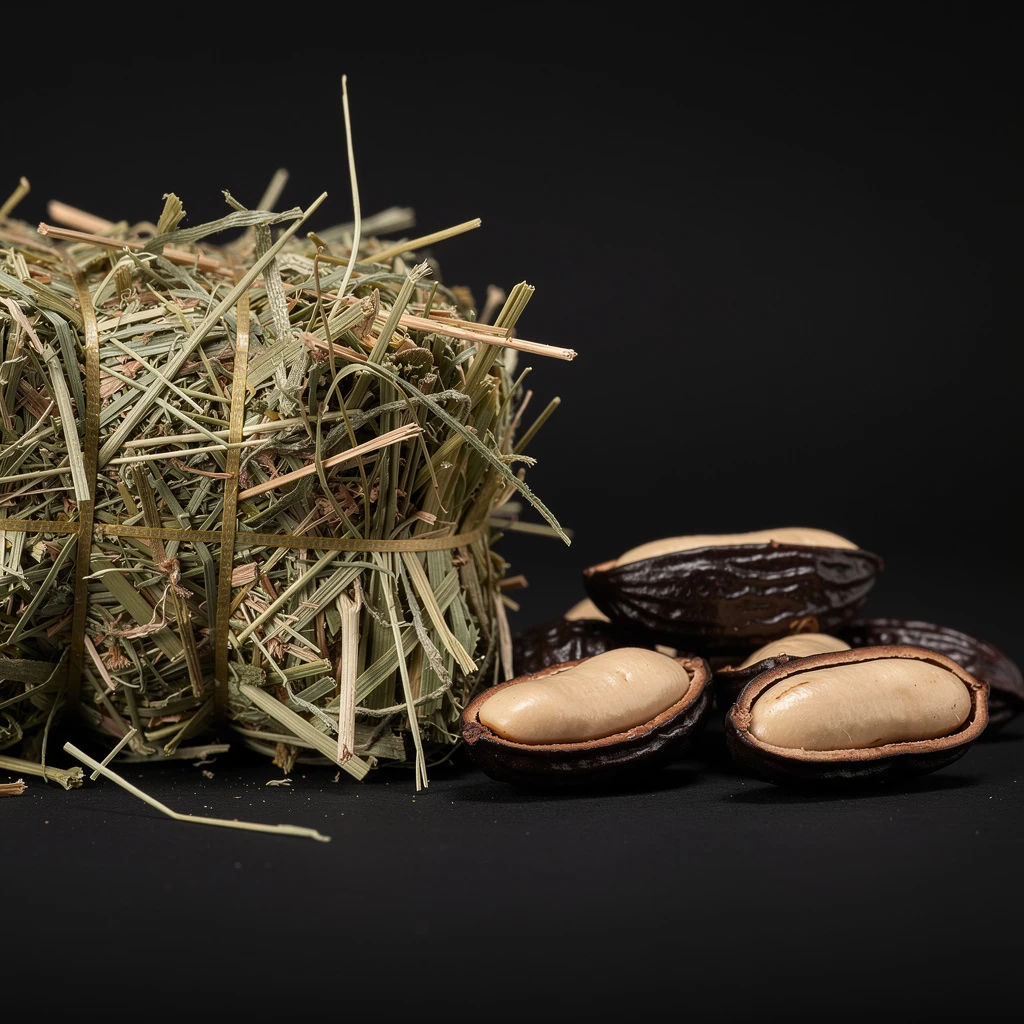
Grassy, herbal warmth with a honeyed drydown.
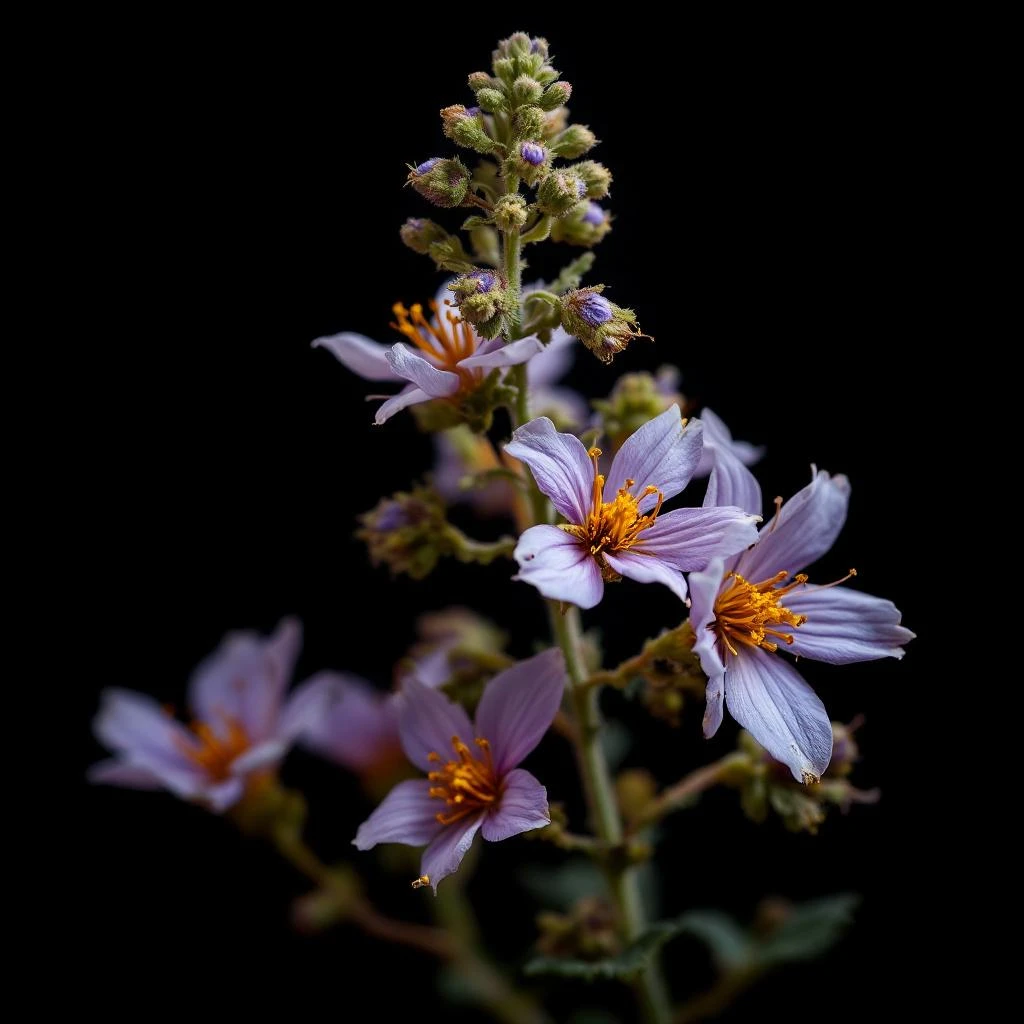
Sclarene derives its name from clary sage (Salvia sclarea), one of the oldest medicinal herbs cultivated in Europe, documented in texts dating back to 16th-century herbalists.

Origin
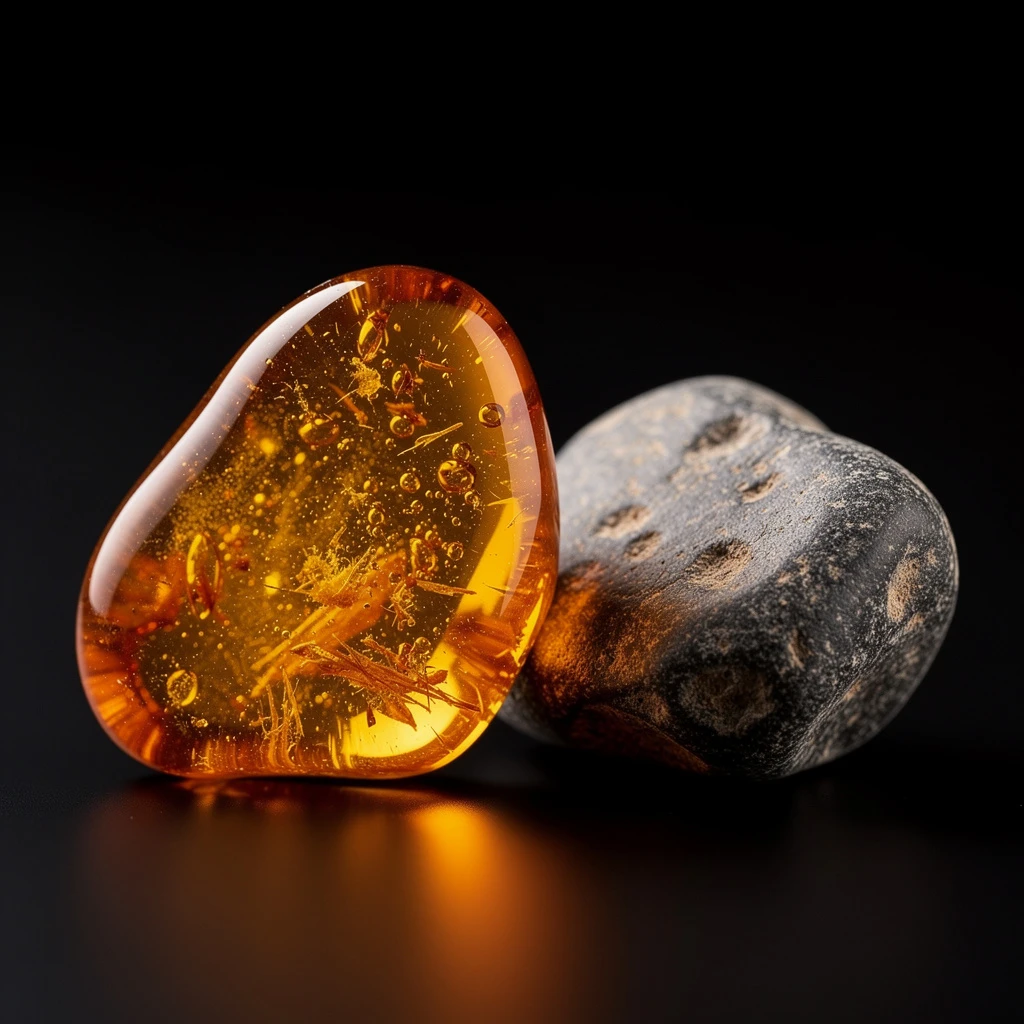
France
Clary sage has been known since antiquity, though sclarene itself only became identifiable once analytical chemistry advanced. The plant earned its name from the Latin 'clarius,' meaning clear, and was historically used in European folk medicine to treat digestive and nervous system complaints. Medieval herbalists in monastery gardens cultivated it alongside lavender and rosemary.
By the late 19th century, French perfume houses began sourcing clary sage systematically as the fragrance industry expanded beyond natural aromatics. The Provence region emerged as the primary cultivation zone, benefiting from its limestone soils and Mediterranean climate. Modern gas chromatography first identified sclarene as a constituent of clary sage oil in the mid-20th century.
Today, production centers on France, Russia, and Bulgaria. Synthetic sclarene has also become available, allowing perfumers to introduce the compound without using whole clary sage oil.
Wears it best
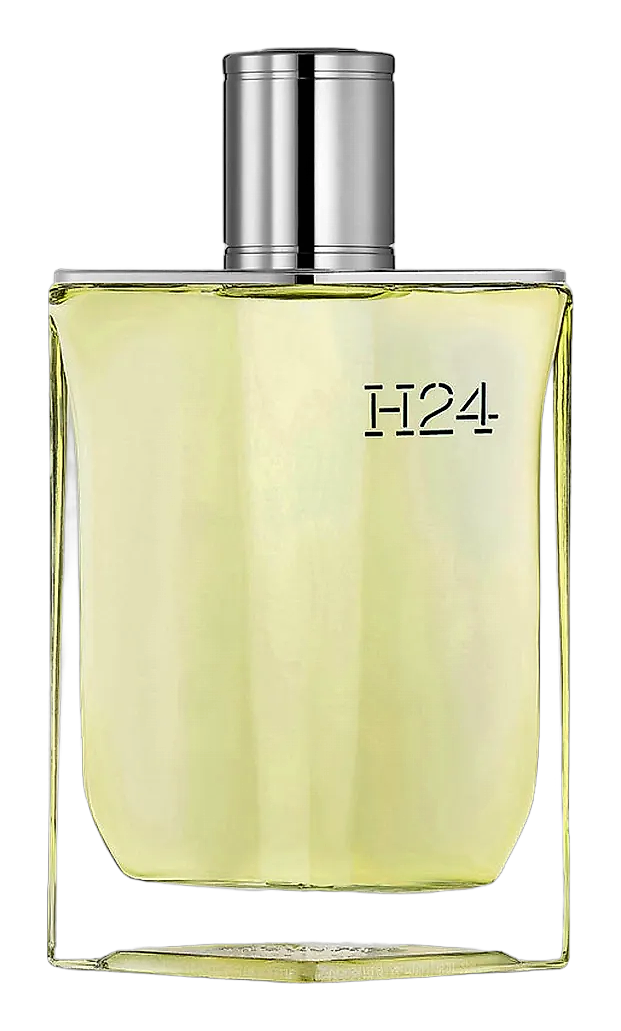
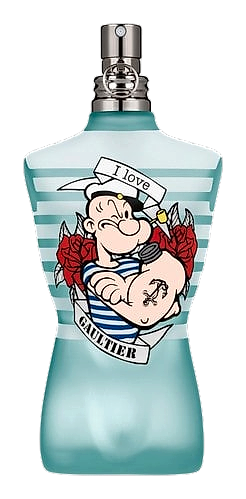
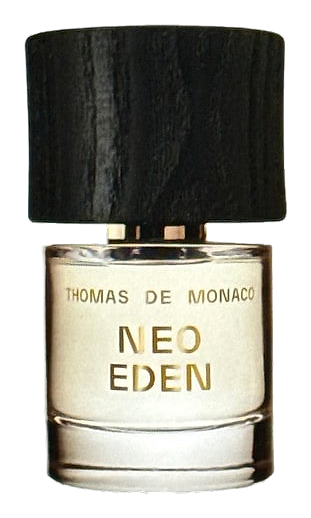
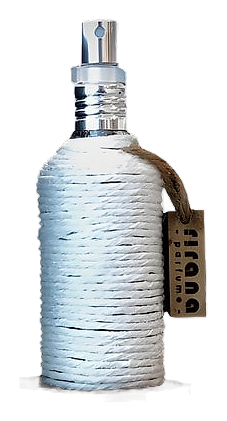
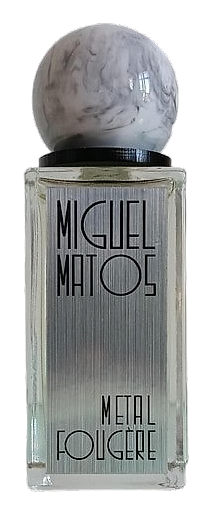
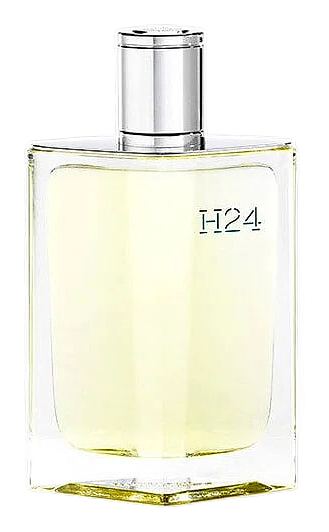
Fragrances featuring Sclarene
Brands
Brands known for Sclarene
Good to know
Questions, answered
The essentials on Sclarene in perfumery: how it smells, where it comes from, and how it behaves on skin.
What is sclarene?
Sclarene is a naturally occurring sesquiterpene hydrocarbon found in clary sage essential oil. It was first identified as a distinct chemical constituent during the mid-20th century using gas chromatography.
What does sclarene smell like?
Sclarene itself carries subtle herbaceous and faintly sweet notes. It contributes to clary sage oil's characteristic earthy, floral, and slightly musky quality. Its contribution becomes most apparent when clary sage oil is smelled side-by-side with synthetic fragrance bases.
Which plants naturally contain sclarene?
Clary sage (Salvia sclarea) is the primary natural source of sclarene. It appears as one constituent among many in clary sage essential oil, which typically contains between 0.5 and 2% sesquiterpene hydrocarbons in total.
Is sclarene used in modern perfumery?
Sclarene is used as part of clary sage oil in perfumery rather than as an isolated ingredient. It adds aromatic complexity and functions as a fragrance fixative by modulating evaporation rates of a fragrance composition.
Where is clary sage grown for fragrance production?
France produces the highest-quality clary sage oil, particularly in the Provence region. Russia and Bulgaria also cultivate significant quantities. The growing region directly influences the sesquiterpene composition of the resulting oil.
Is sclarene natural or synthetic?
Sclarene exists naturally in clary sage oil obtained through steam distillation. Synthetic sclarene is also available through laboratory synthesis, allowing perfumers to introduce the compound without using whole clary sage oil.
What is the chemical structure of sclarene?
Sclarene is classified as a sesquiterpene hydrocarbon with the molecular formula C15H24. Sesquiterpenes consist of three isoprene units, giving them 15 carbon atoms. This structure influences their relatively low volatility compared to monoterpenes.
Can sclarene cause allergic reactions?
Like many plant-derived fragrance compounds, sclarene and clary sage oil may trigger contact sensitivity in susceptible individuals. IFRA guidelines regulate clary sage oil concentration in finished products to minimize risk. Patch testing is recommended for individuals with fragrance sensitivities.
In the same family