Rose honey
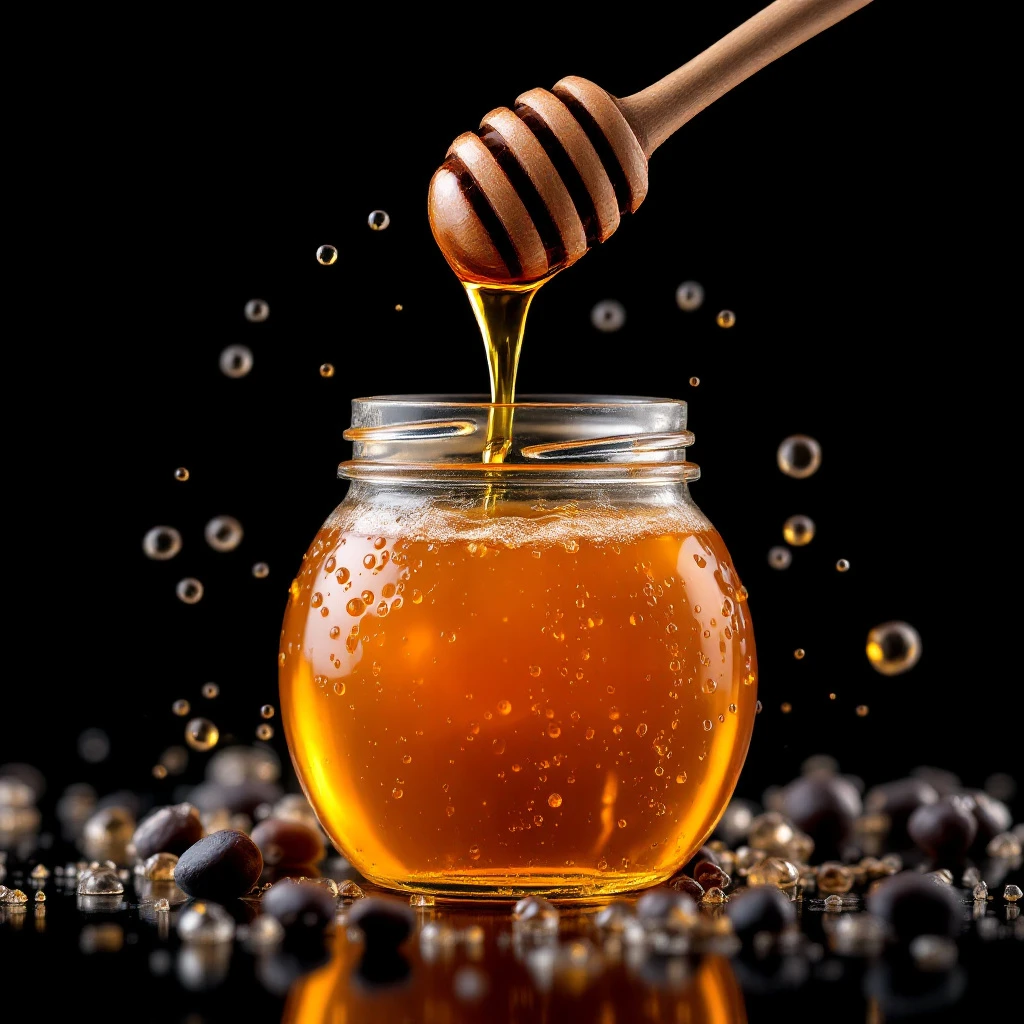
Where rose petals meet golden honeycomb. Rose honey captures the moment floral elegance melts into warm, amber sweetness, creating a note that feels like sunlight through a jar of preserves.
Character
How it smells
Golden nectar of the rose garden
It takes approximately one million rose petals to produce just 500 grams of rose attar, and beekeepers often place hives near rose gardens to produce honey with subtle floral undertones.






Origin
Bulgaria
Both rose and honey rank among humanity's oldest aromatic materials. Ancient Persians and Egyptians revered the rose, incorporating its petals into cosmetics and religious ceremonies. Honey's use stretches back even further, with archaeological evidence suggesting beekeeping existed over 9,000 years ago.
The marriage of these two ingredients reflects a natural synergy: honey bees have long been drawn to rose gardens, and historical texts document the unique honey produced near rose cultivation areas. Medieval monks preserved both beekeeping and rose cultivation traditions across Europe, laying groundwork for the sophisticated rose honey accords found in contemporary perfumery.
Wears it best
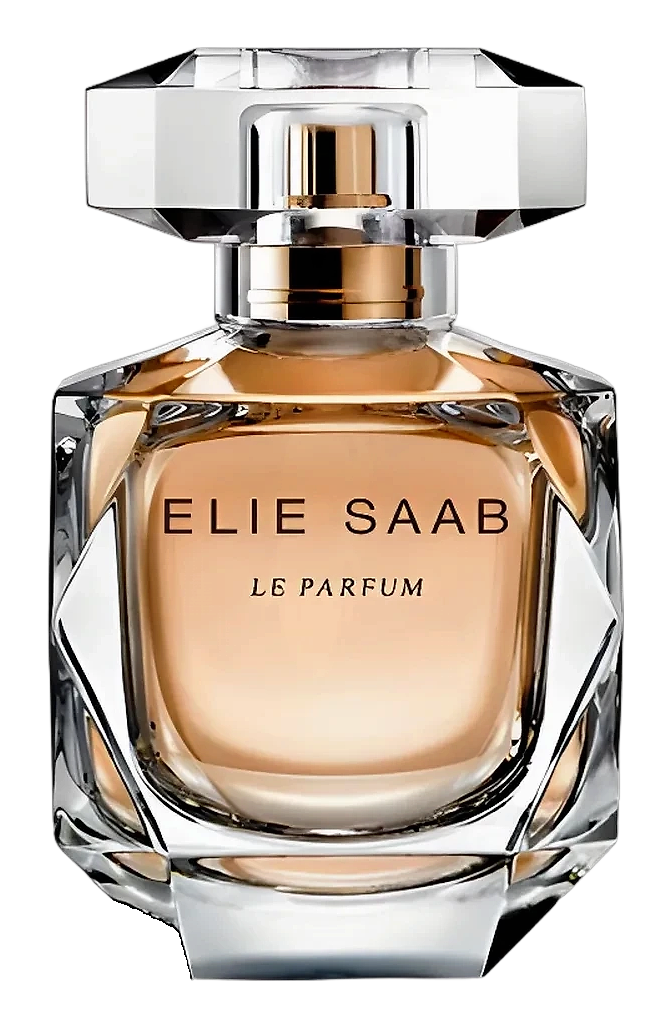
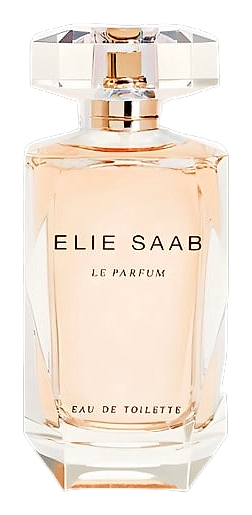
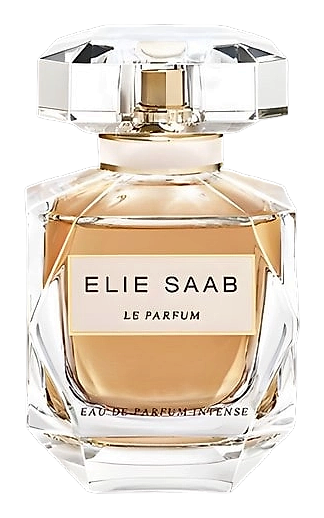
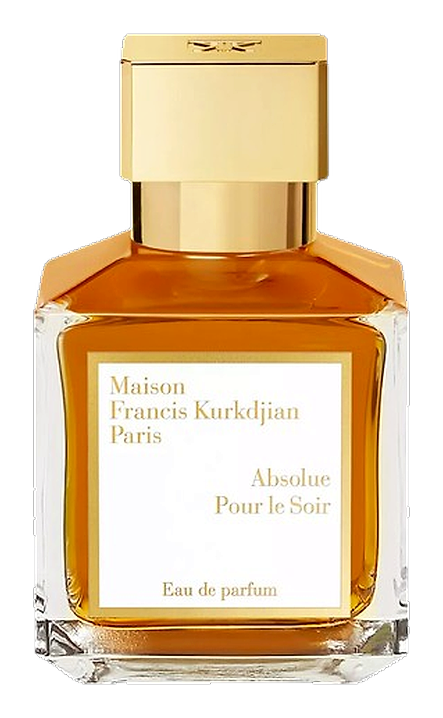
Fragrances featuring Rose honey
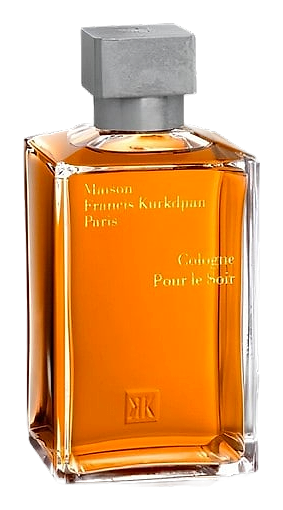
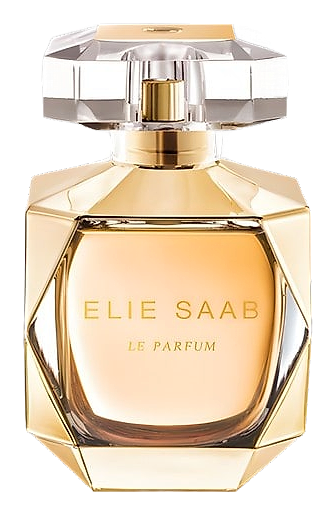
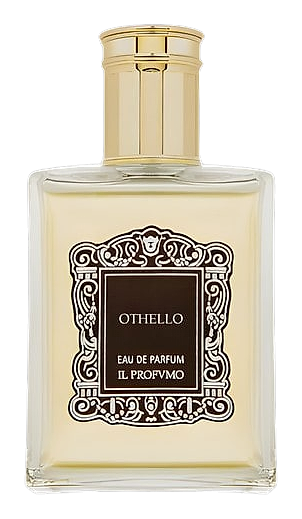
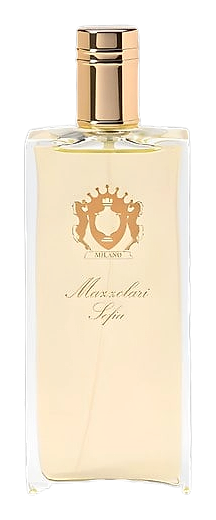
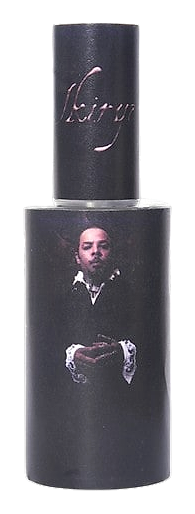
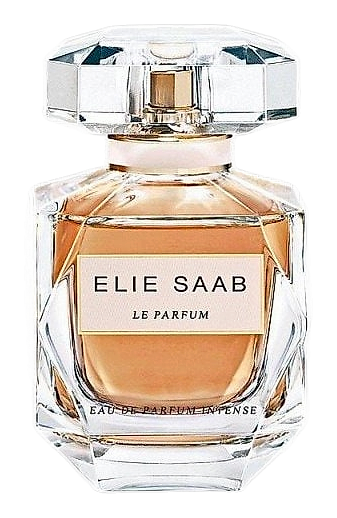
Brands
Brands known for Rose honey
Good to know
Questions, answered
The essentials on Rose honey in perfumery: how it smells, where it comes from, and how it behaves on skin.
What does rose honey smell like?
Rose honey combines the intoxicating, slightly spicy floral character of Damask rose with warm, amber, slightly waxy honey notes. The result is a rich, golden sweetness balanced by sophisticated floral depth.
Is rose honey a natural or synthetic ingredient?
Rose honey is typically an accord created from natural and/or synthetic materials. Natural versions combine beeswax absolute with rose absolute, while synthetic versions recreate honey's sweet, fermented character lab-created.
Which fragrances feature rose honey prominently?
Rose honey appears in numerous warm, oriental fragrances and gourmand compositions. It works particularly well in scents aiming for a golden, amber-rich character with floral sophistication.
What extraction method produces beeswax absolute?
Beeswax absolute comes from raw beeswax, which bees produce to build honeycombs. After honey extraction, processors wash the wax with alcohol to dissolve and isolate the aromatic compounds.
What pairs well with rose honey in fragrance?
Vanilla, benzoin, sandalwood, and amber create natural companions. For contrast, citrus top notes and green accords prevent rose honey from becoming overly heavy.
How does rose honey differ from单纯 rose notes?
Rose alone offers elegant, sometimes sharp floral character. Rose honey adds warmth, sweetness, and a deeper amber quality that grounds the fragrance and increases longevity on skin.
Can rose honey be found in natural perfumery?
Natural perfumers use authentic beeswax absolute combined with rose otto or rose absolute. These combinations produce true rose honey accords without synthetic components.