Rondeletia
A 19th-century perfumery compound named after the French botanist who pioneered scientific naming, blending lavender's floral calm with clove's warm spice.
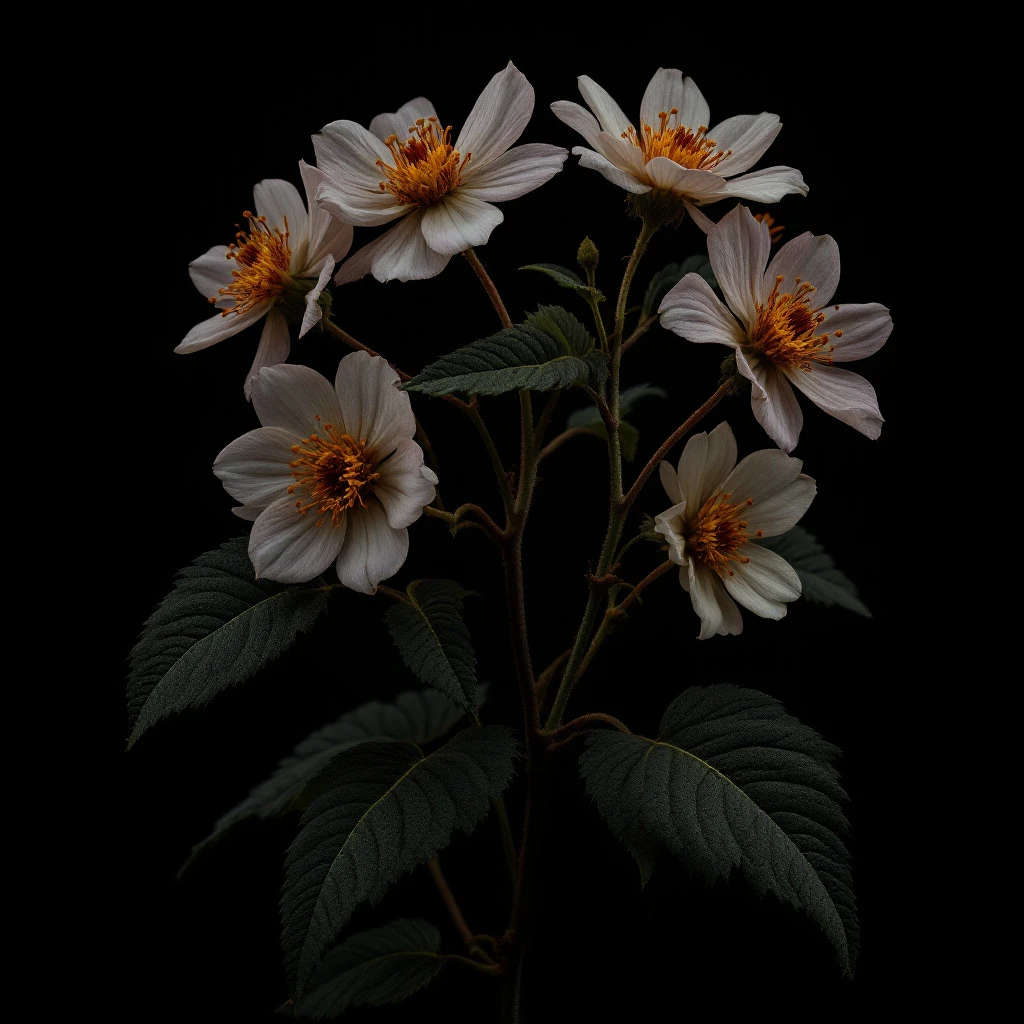
Character
How it smells
Botanical science meets aromatic art.
Rondeletia honors Guillaume Rondelet, the 16th-century French physician who helped establish the binomial naming system still used today.

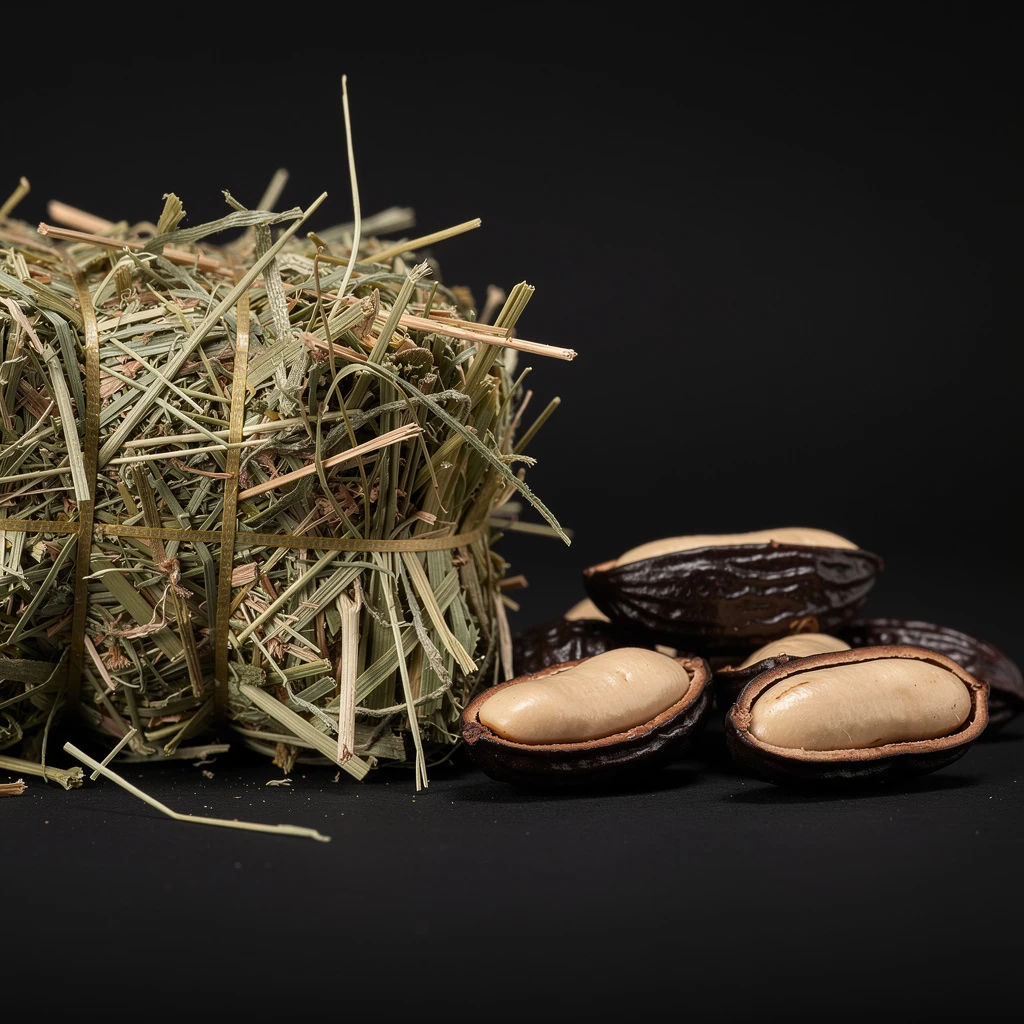



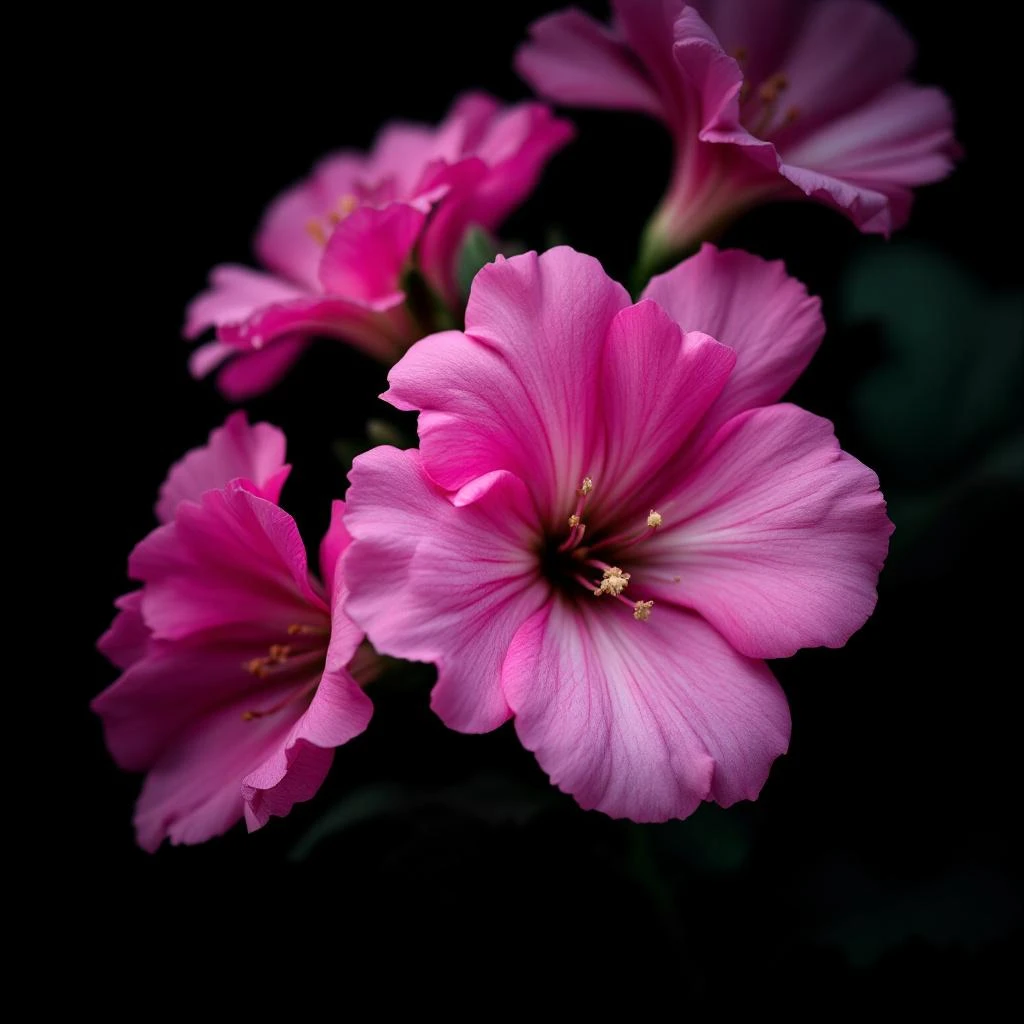



Origin
France
The name commemorates Guillaume Rondelet, a French physician and naturalist born in 1507 near Montpellier. Rondelet's systematic work in botanical taxonomy helped establish the standardized naming conventions that perfumery adopted for aromatic materials. By the 19th century, when Grasse dominated global perfume production, the industry began naming certain fragrance compounds after eminent botanists.
The lavender-clove blend became known as Rondeletia, creating a lasting memorial to the intersection of botanical science and aromatic craft. This practice reflected perfumery's deep roots in plant-derived materials and the industry's respect for the naturalists who classified them.
Wears it best
Fragrances featuring Rondeletia
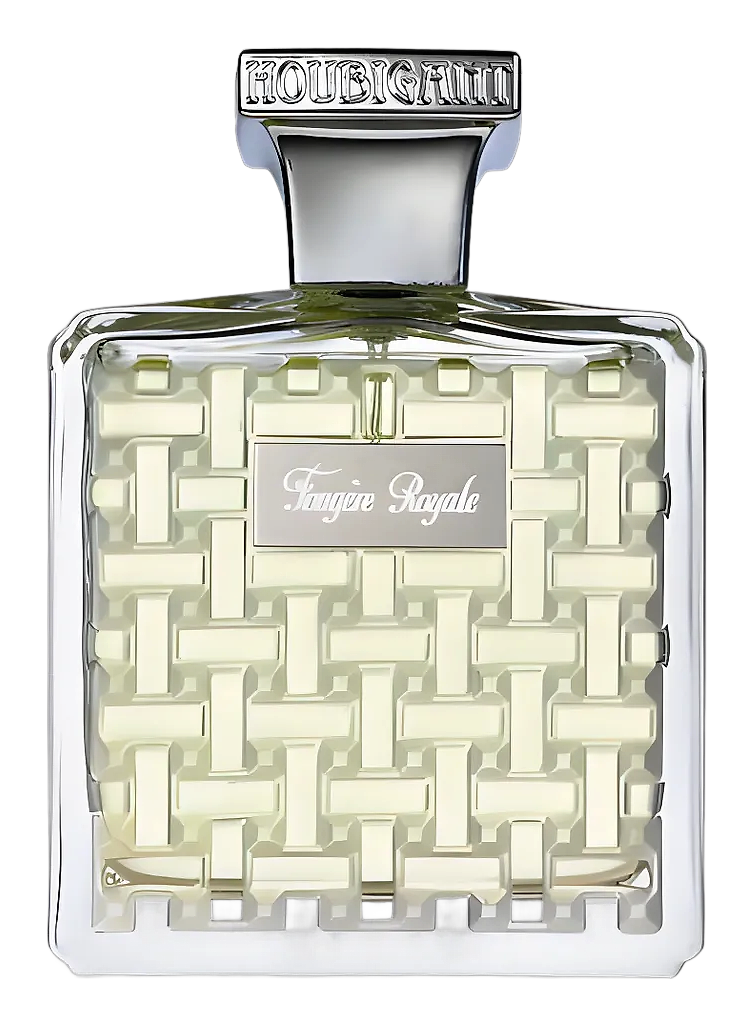
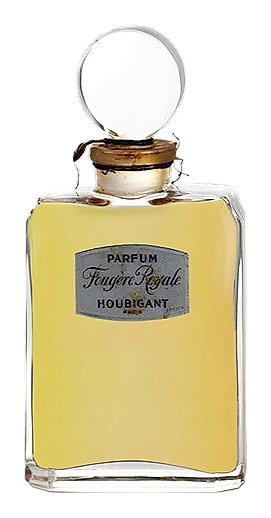
Brands
Brands known for Rondeletia
Good to know
Questions, answered
The essentials on Rondeletia in perfumery: how it smells, where it comes from, and how it behaves on skin.
What is Rondeletia in perfumery?
Rondeletia is a named fragrance compound created by blending lavender and clove essential oils. It represents a historical perfumery tradition of naming aromatic accords after eminent botanists.
Is Rondeletia a natural ingredient?
Rondeletia is a compound accord rather than a single natural material. It is produced by blending two natural essential oils in specific ratios to achieve its characteristic scent profile.
What does Rondeletia smell like?
Rondeletia combines lavender's fresh, floral, herbaceous character with clove's warm, spicy, slightly woody notes. The overall effect is aromatic with a gentle sweetness and underlying warmth.
Why is it called Rondeletia?
The compound honors Guillaume Rondelet, a 16th-century French physician and naturalist who contributed to binomial nomenclature. Perfumery adopted this naming practice for botanical-inspired accords.
What oils create the Rondeletia accord?
The accord combines Lavandula angustifolia essential oil (lavender) with Syzygium aromaticum essential oil (clove). Lavender typically comprises the larger proportion at roughly 70-80 percent.
Where did the Rondeletia compound originate?
The compound emerged from 19th-century French perfumery, particularly the region around Grasse. Its naming reflects the industry's botanical roots and scientific connections.
What is the extraction method for the component oils?
Lavender oil uses steam distillation of flowering tops, while clove oil is produced via water distillation of dried flower buds. These oils are then blended to create the Rondeletia accord.
How is Rondeletia used in fragrance compositions?
Perfumery uses Rondeletia to introduce aromatic, slightly spicy character with floral undertones. It appears in colognes, herbal fragrances, and oriental-style compositions where warmth and botanical authenticity are desired.