Moroccan chamomile
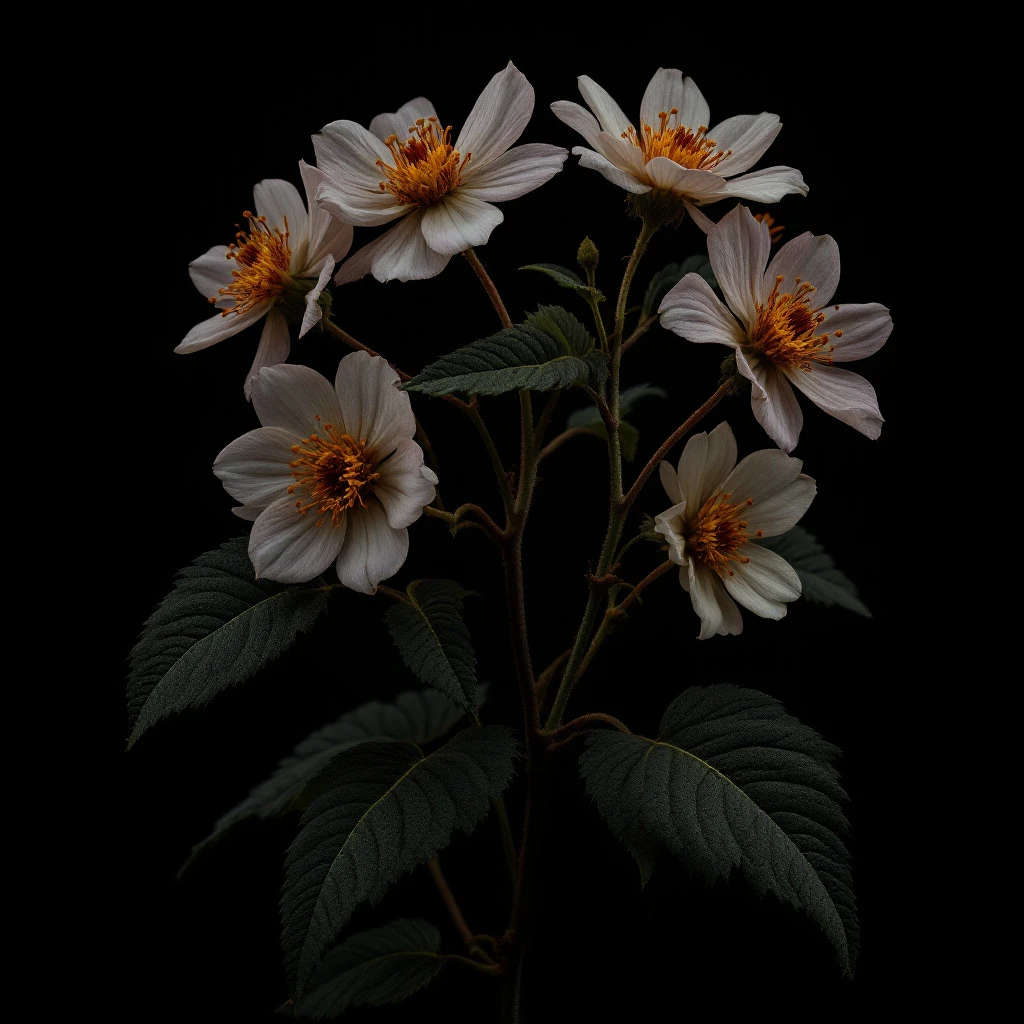
Moroccan chamomile (Ormenis multicaulis) grows wild across the Atlas Mountains, offering a warm, herbaceous aroma distinct from its German and Roman relatives. A treasured niche material in fine perfumery.
Character
How it smells
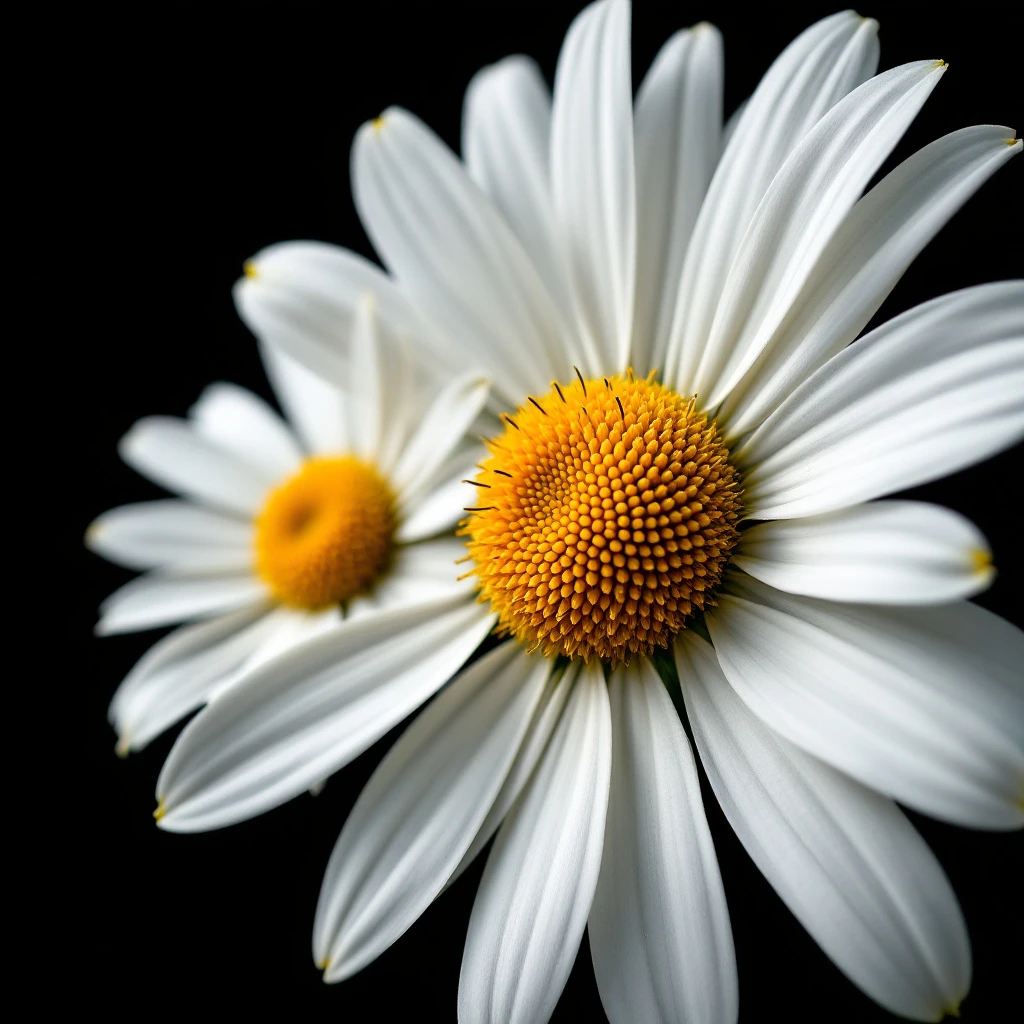
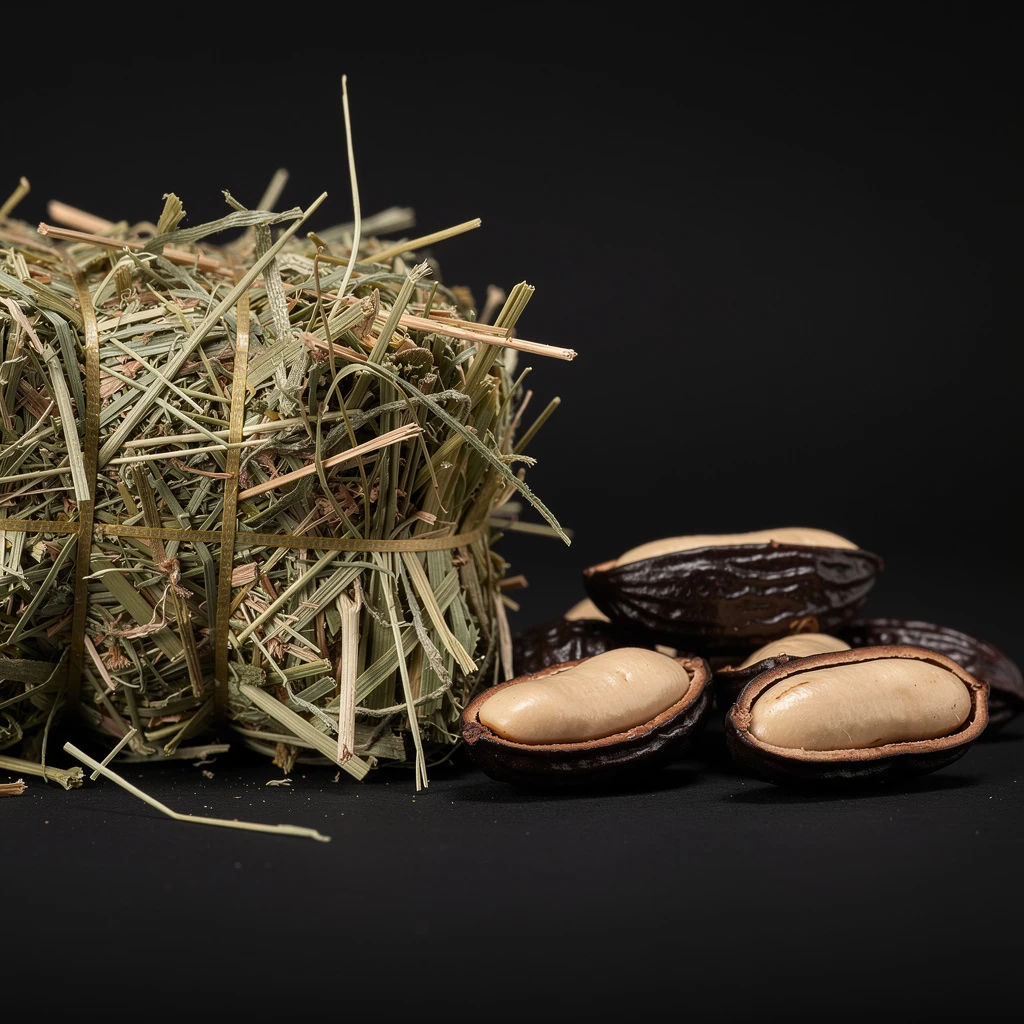
Warm hay and herbs from North African highlands.
Unlike German and Roman chamomile, Moroccan chamomile comes from an entirely different botanical genus.





Origin
Morocco
Moroccan chamomile has deep roots in North African folk traditions, where communities recognized the plant's aromatic and soothing properties long before commercial distillation emerged. The country's position as a historic crossroads of trade and cultivation made it a natural center for aromatic plant knowledge.
Large-scale essential oil production developed during the colonial period when European markets increasingly demanded natural fragrance materials. Morocco's distillation infrastructure grew in the Atlas foothills, establishing supply chains that persist today.
Contemporary production operates through small cooperatives and family operations, blending traditional knowledge with modern quality standards. The material holds a respected place in natural perfumery as a distinctive alternative to more common chamomile varieties.
Wears it best
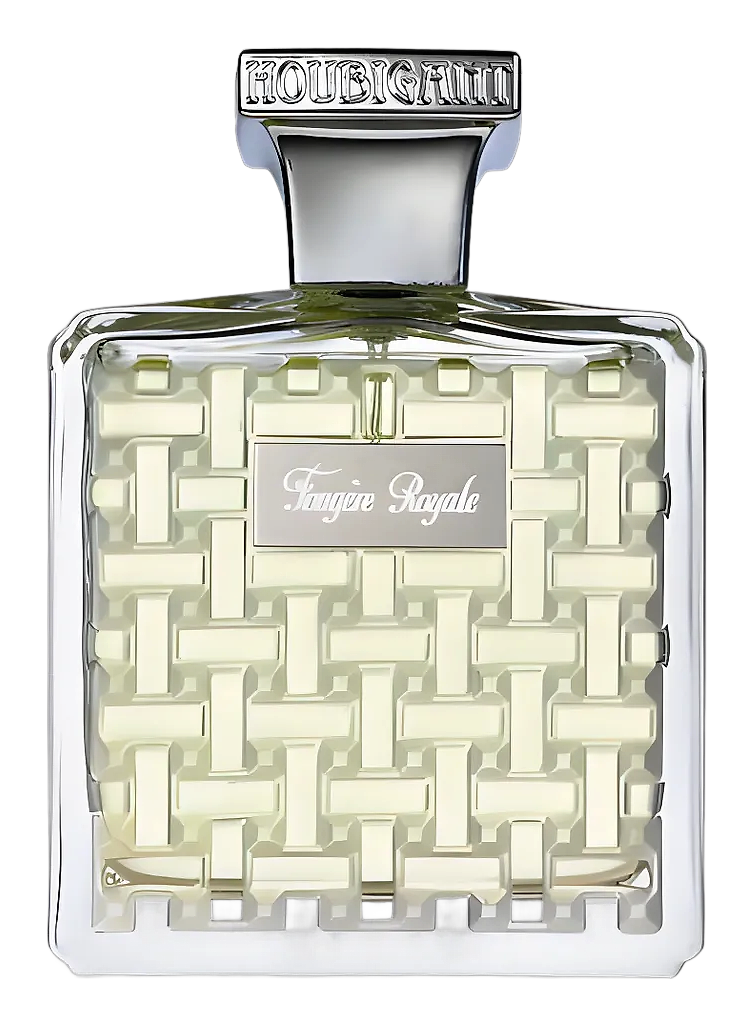
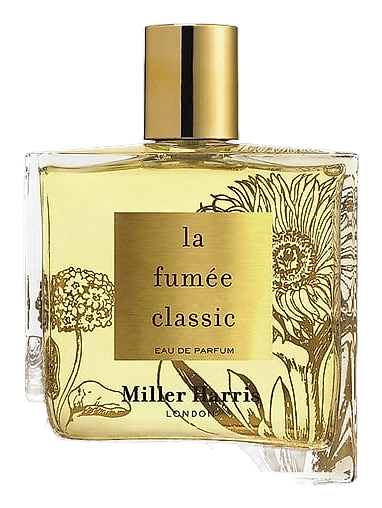
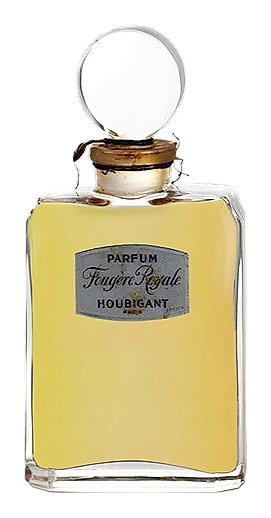
Fragrances featuring Moroccan chamomile
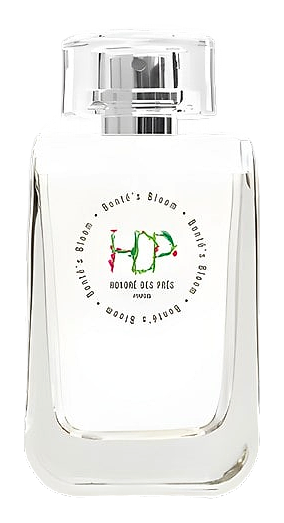
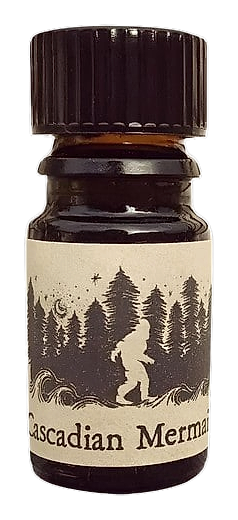
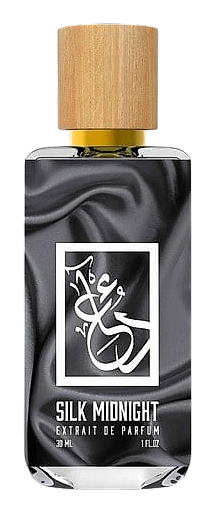
Brands
Brands known for Moroccan chamomile
Good to know
Questions, answered
The essentials on Moroccan chamomile in perfumery: how it smells, where it comes from, and how it behaves on skin.
What does Moroccan chamomile smell like?
Moroccan chamomile has a warm, herbaceous aroma with sweet hay notes and subtle floral undertones. It differs significantly from German chamomile's crisp apple character, offering instead a deeper, more aromatic profile.
How is Moroccan chamomile essential oil produced?
Steam distillation extracts the oil from the flowering herb of Ormenis multicaulis. The plant grows wild in Morocco's Atlas Mountain regions and is harvested seasonally before distillation in traditional copper stills.
How does Moroccan chamomile differ from German or Roman chamomile?
Moroccan chamomile comes from Ormenis multicaulis, a different botanical genus entirely. German and Roman varieties belong to Matricaria and Chamaemelum, making Moroccan chamomile botanically distinct with a unique aromatic profile.
What role does Moroccan chamomile play in perfumery?
Perfumers use Ormenis multicaulis oil as a modifier and blender in fragrance compositions. Its warm, herbaceous character adds depth to bases without dominating, making it valuable for creating natural-smelling accords.
Where does Moroccan chamomile grow?
Ormenis multicaulis grows wild across Morocco's Atlas Mountain interior. The high-altitude environment influences the plant's chemistry, and the essential oil carries aromatic characteristics specific to that terroir.
Is Moroccan chamomile widely used in perfumery?
Production remains relatively small compared to other aromatic materials, placing Moroccan chamomile in the niche category. It appears selectively in natural-focused and fine fragrances rather than mainstream commercial perfumes.
Why does terroir matter for Moroccan chamomile?
Soil composition, altitude, and climate in the Atlas Mountains shape the plant's aromatic compounds. Like wine, these environmental factors create distinctive scent profiles that vary by harvest year and region.
What should I expect when sampling fragrances with Moroccan chamomile?
Look for warm, soothing undertones with herbal and hay-like qualities. It rarely dominates a fragrance, instead working in the background to add comfort and natural complexity to the composition.