Roasted Notes
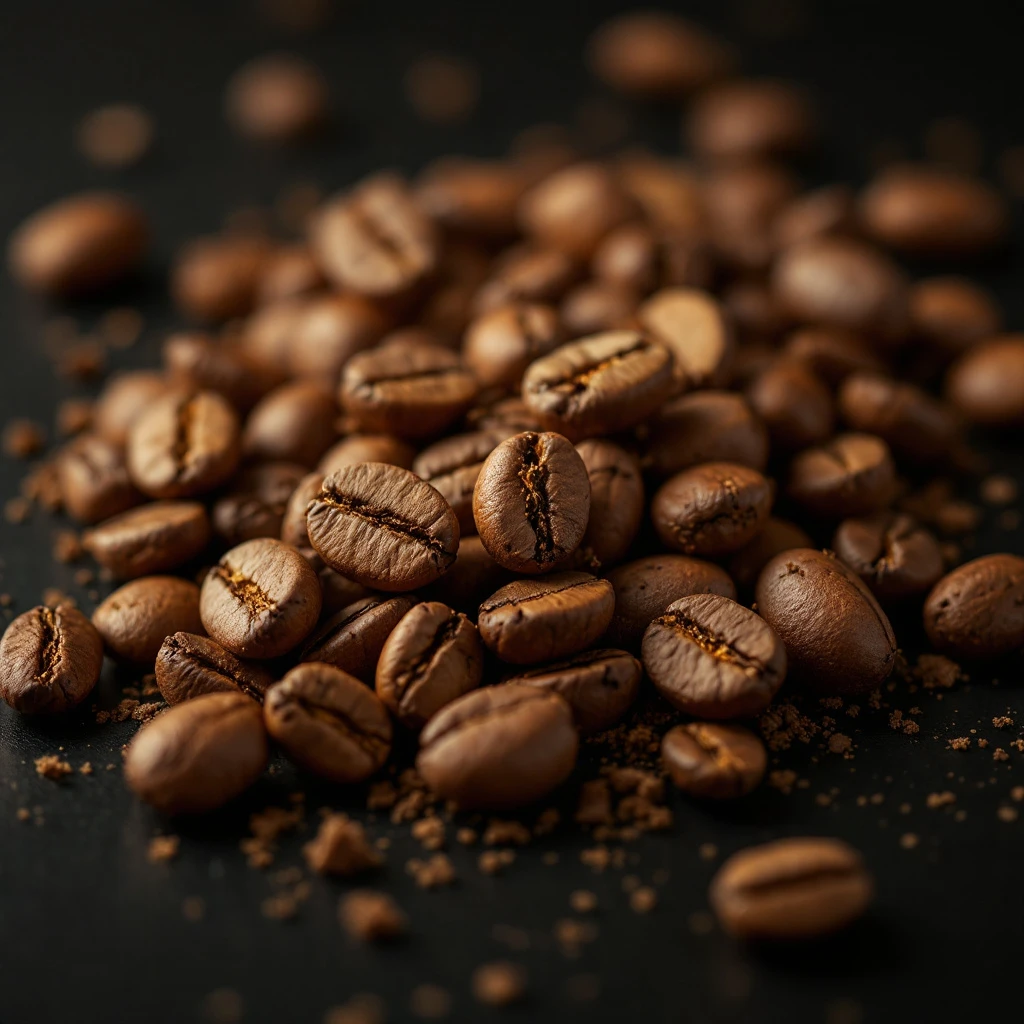
Roasted notes capture the warm, caramelized depths of ingredients transformed by heat, think toasted beans, scorched sugars, and smoldering woods. They lend a gourmand richness to modern perfumery, anchoring airy compositions with an unmistakable ember-like comfort.
Character
How it smells
Heat transformed into scent.
The first synthetic aroma chemicals, vanillin and coumarin, both produced in the late nineteenth century, share the toasted, caramel-like profile that defines roasted accords today.
Pairs beautifully with

Origin
France (modern synthesis) / Ethiopia (coffee origin)
The history of roasted fragrance notes intertwines with the broader story of aromatic materials reaching Europe through trade routes. By the late nineteenth century, the commercial synthesis of vanillin (1874) and coumarin (1868) gave perfumers access to the warm, toasted character that had previously required rare naturals.
Before this shift, perfumers relied on tinctures of vanilla pods, benzoin resin, and toasted tonka beans to approximate that sweet-smoky depth. Ancient incense traditions, dating back roughly 4,000 years to Mesopotamia, already incorporated resins and woods that smoldered to release roasted, balsamic smoke, arguably the earliest use of pyrolized aroma.
As organic chemistry advanced through the 1800s, isolated molecules like maltol (first described in 1894) and later pyrazines expanded the perfumer's roasted palette. Today, these notes anchor countless gourmand and oriental compositions, bridging food culture and fine fragrance.
Wears it best
Fragrances featuring Roasted Notes
Brands
Brands known for Roasted Notes
Good to know
Questions, answered
The essentials on Roasted Notes in perfumery: how it smells, where it comes from, and how it behaves on skin.
What does roasted smell like in perfume?
Roasted notes evoke warm, caramelized aromas like scorched sugar, toasted nuts, and brewed coffee. They add a gourmand, slightly bitter warmth that grounds brighter top notes with an ember-like depth.
Are roasted notes natural or synthetic?
Both. Natural roasted materials include coffee absolute and cocoa extract from heat-treated beans. Synthetics like coumarin (isolated in 1868) and various pyrazines supply consistent, scalable roasted character.
Which ingredients create roasted accords?
Common contributors include coffee absolute, cocoa absolute, tonka bean, vanilla, benzoin, and maltol. Synthetic pyrazines and furans, generated naturally during the Maillard reaction, supply the toasted signature.
When did roasted notes first appear in perfumery?
Roasted-smelling molecules entered perfumery in the late 1800s with the commercial production of vanillin (1874) and coumarin (1868). Before that, perfumers used tinctures of vanilla and tonka to approximate the effect.
Do roasted notes last long on skin?
Yes. Roasted accords typically belong to the base note category, anchored by heavy molecules like coumarin and benzoin that persist for six to ten hours depending on concentration.
What fragrance families use roasted notes?
Gourmand and oriental families rely heavily on roasted accords. They also appear in modern woody and unisex compositions where warmth and depth replace traditional floral sweetness.
Are roasted notes safe to wear?
Roasted materials are generally safe at standard perfumery concentrations. Coumarin, for example, is restricted to about 2.5 percent in leave-on cosmetics in the EU but remains widely used within those limits.
How are roasted notes produced commercially?
Manufacturers extract coffee or cocoa absolutes using supercritical CO2 or solvents after roasting the raw beans. Synthetic aroma chemicals like maltol and pyrazines are produced in laboratories for batch consistency.