Roasted Coconut
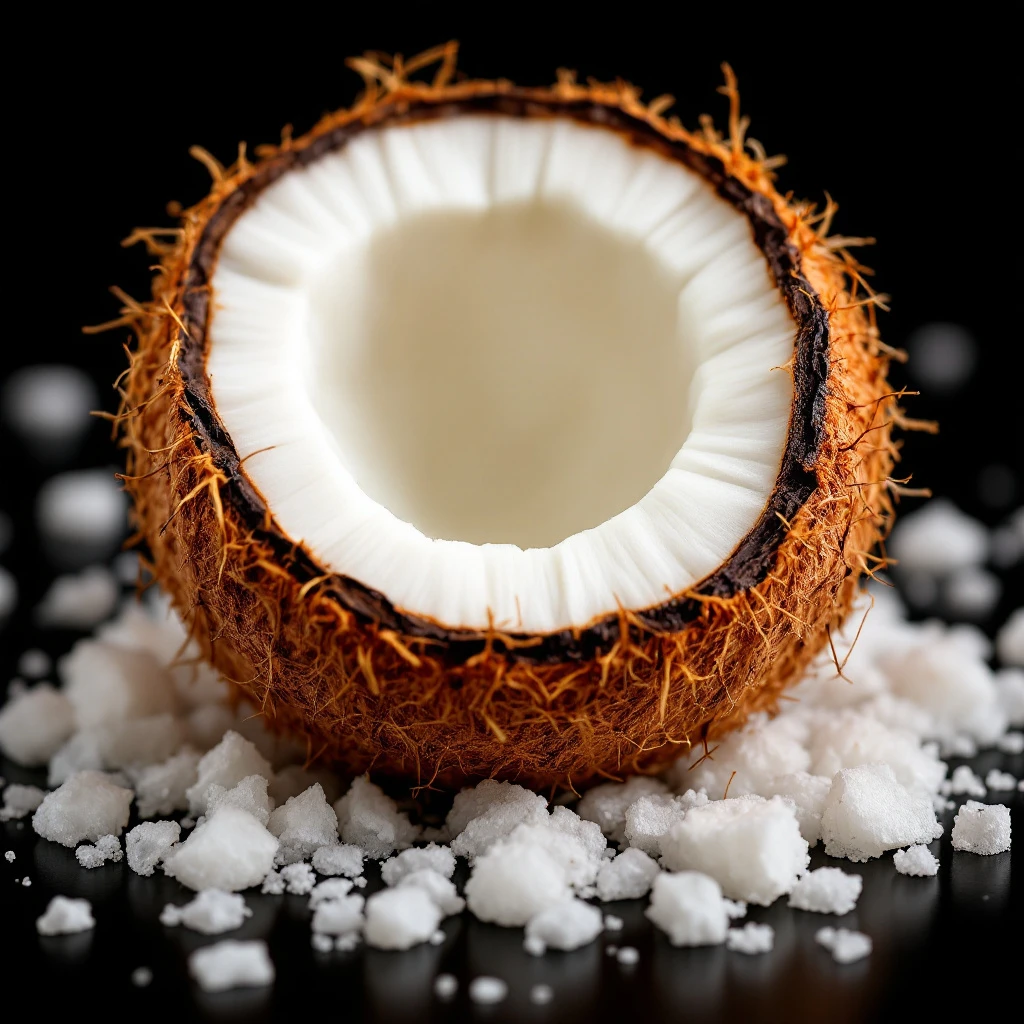
Toasted coconut meat delivers a warm, nutty sweetness with caramel undertones, far richer than fresh coconut. This gourmand note brings depth, sun-drenched comfort, and a toasted edge to tropical and oriental compositions.
Character
How it smells
Sun-warmed sweetness with a caramel bite
Coconut fibers from the Kiribati islands were historically woven into protective armor, showcasing the remarkable versatility of a single palm species.






Origin
Philippines
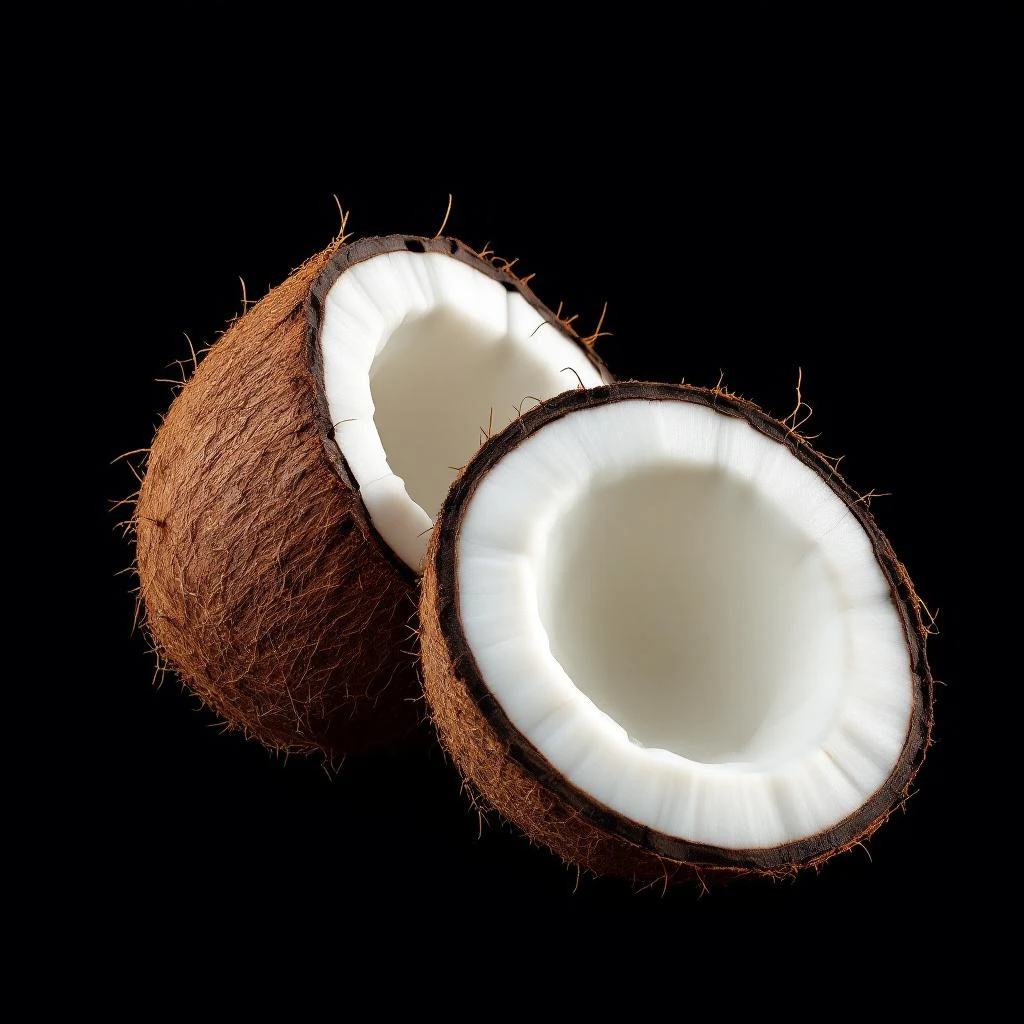
Coconut palms have sustained Pacific and Indo-Atlantic coastal communities for over 3,000 years. Indigenous populations across the Philippines, Sri Lanka, and the Pacific islands pressed oil from copra for cooking, skin care, and ceremonial anointing. By the 16th century, Arab and Indian traders carried coconut oil along spice routes into the Mediterranean, where it was occasionally blended into early attars.
Coconut entered modern perfumery slowly. The fresh coconut note became iconic in 1934 with Huile de Chaldée, and the toasted variant gained ground as gourmand fragrances surged after the 1990s. François Coty's work with solvent-extracted absolutes in the early 1900s paved the way for richer coconut derivatives.
Today, roasted coconut appears across tropical florals, beach-themed compositions, and warm gourmand bases, grounding brighter top notes with its caramelized sweetness. Its versatility makes it a cornerstone of contemporary sun-drenched fragrance families.
Wears it best
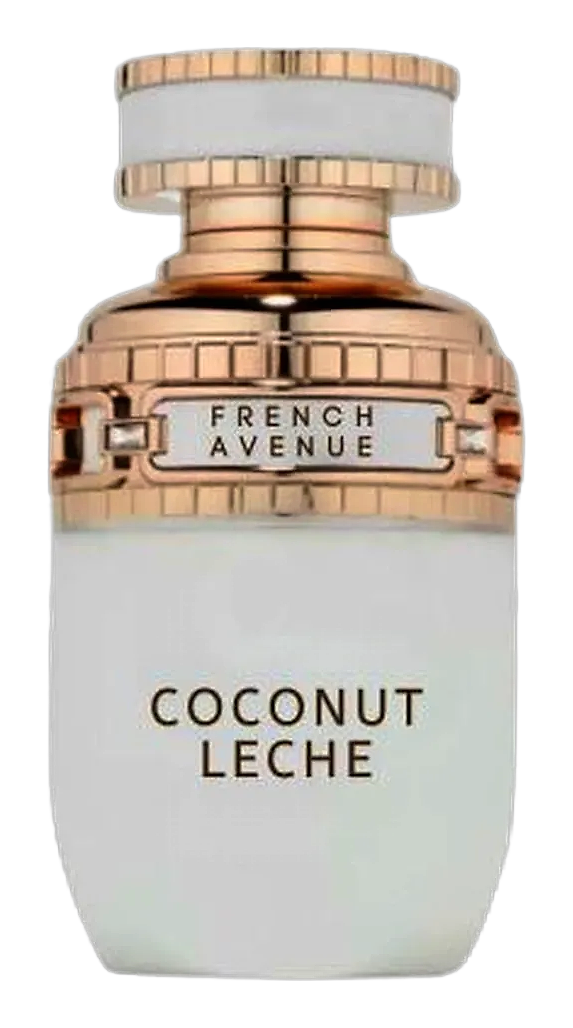
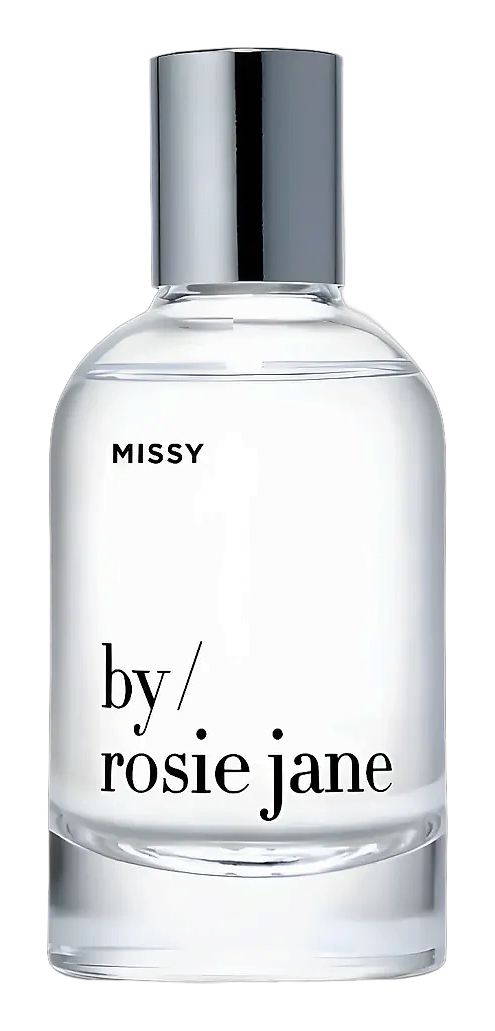
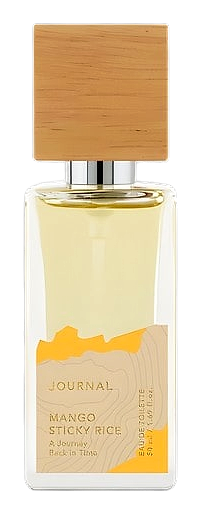
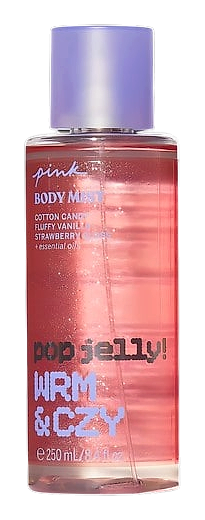
Fragrances featuring Roasted Coconut

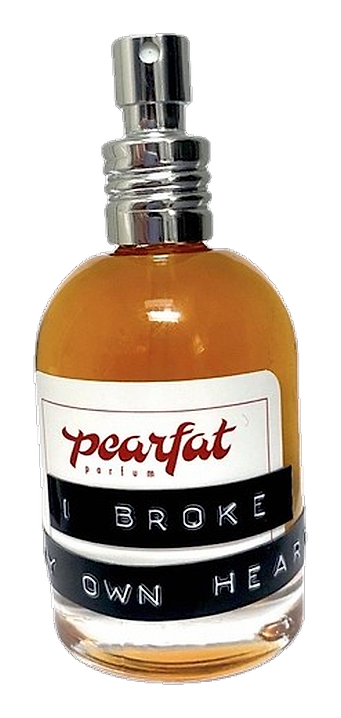
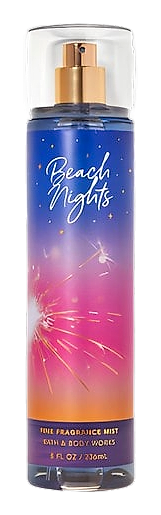
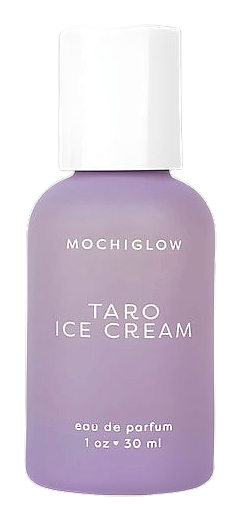
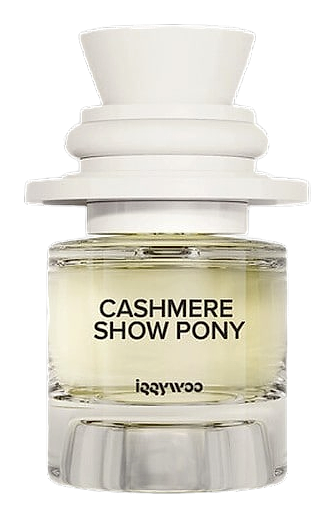
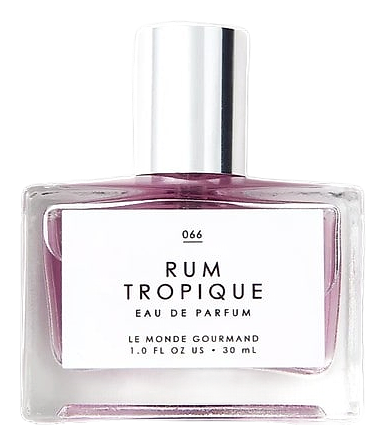
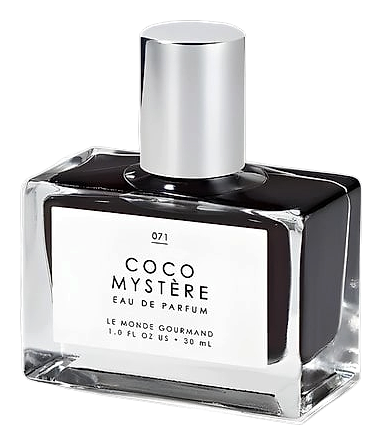
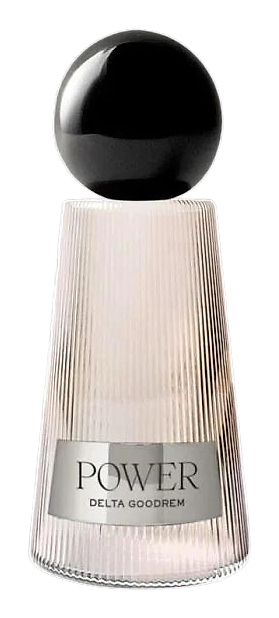
Brands
Brands known for Roasted Coconut
Good to know
Questions, answered
The essentials on Roasted Coconut in perfumery: how it smells, where it comes from, and how it behaves on skin.
What does roasted coconut smell like in perfume?
Roasted coconut carries warm, nutty, caramel-like notes distinct from fresh coconut. The toasting process develops lactones and pyrazines that produce a toasted-sugar, almost edible richness, lending depth to gourmand and tropical compositions.
Is roasted coconut a natural or synthetic note?
Both exist in modern perfumery. Natural coconut absolute comes from roasted copra via CO2 or solvent extraction, but synthetic lactones like gamma-nonalactone frequently reconstruct the note. Many commercial fragrances blend both approaches.
Which fragrances famously feature coconut?
Sun-tan lotions popularized the scent decades ago, and modern fragrances such as Bobbi Brown Beach, Tom Ford Soleil Blanc, and Estée Lauder Bronze Goddess showcase coconut prominently in their tropical compositions.
How is roasted coconut oil extracted for perfumery?
Producers toast dried coconut meat, then apply either steam distillation or supercritical CO2 extraction. CO2 is preferred for premium ingredients because it preserves heat-sensitive aroma compounds responsible for the toasted character.
Where does coconut for perfumery come from?
The Philippines, Indonesia, and India dominate global copra production. Coconut palms thrive in tropical coastal climates within 26 degrees of the equator, with the Philippines supplying roughly a third of world output.
Does roasted coconut last long on skin?
As a base-to-middle note, roasted coconut typically persists 4 to 6 hours depending on concentration and supporting ingredients. Heavier lactones anchor it well, though lighter accords fade faster than richer absolutes.
Is coconut safe for sensitive skin?
Coconut oil is generally well tolerated, but fragrance-grade coconut absolutes contain concentrated allergens. Patch testing before full application is wise, especially for those with tree nut sensitivities.
Can roasted coconut smell synthetic?
Overly sharp or plasticky coconut aromas often signal heavy synthetic reconstruction. Well-balanced roasted coconut reads warm and caramelized, with subtle nutty depth rather than artificial sweetness.