Rhodinol
One of the most historically significant rose-like materials in perfumery, rhodinol has shaped floral compositions since the late 1800s, prized for its radiant, citrus-fresh rose character found in only a handful of botanicals.
Character
How it smells
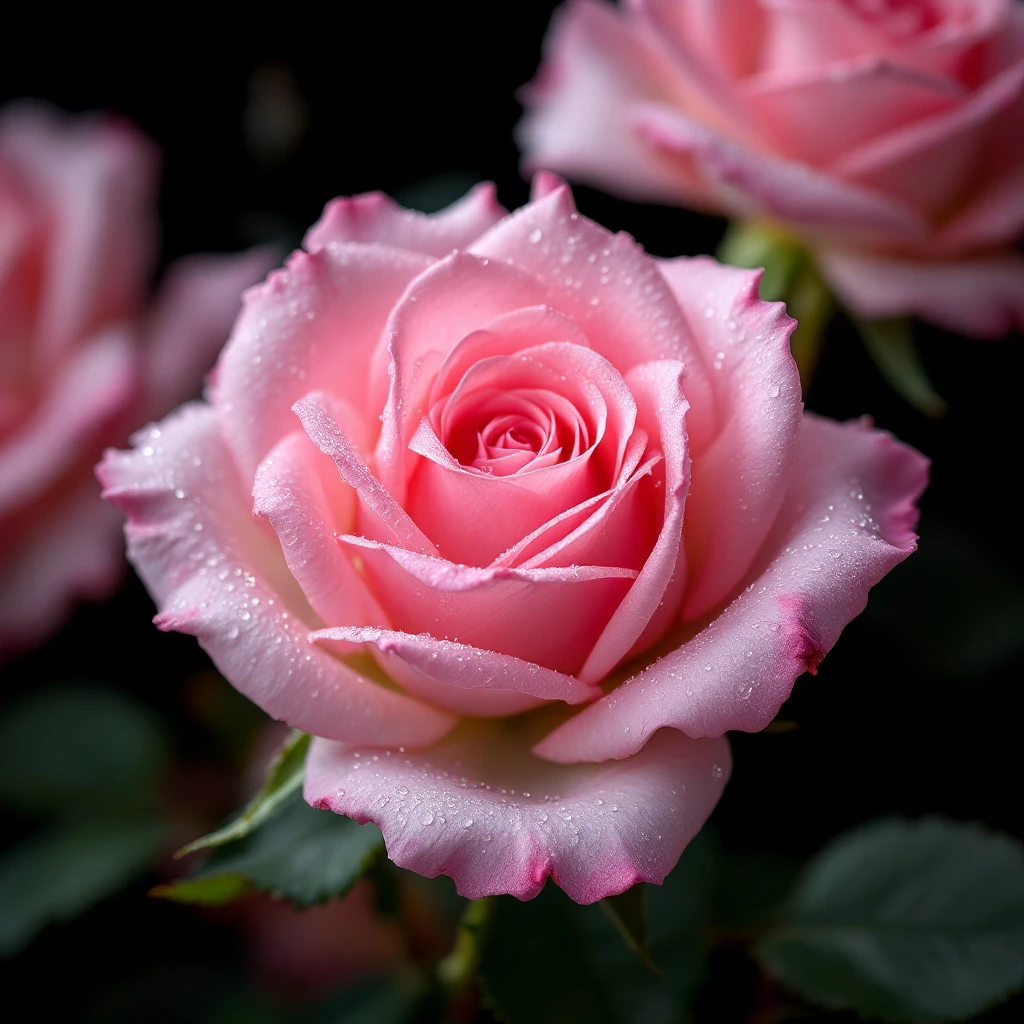
The radiant rose heart of citronella
Rhodinol makes up nearly a third of Java citronella oil, yet rose and geranium also produce this prized floral isolate naturally.





Origin
Sri Lanka
Rhodinol entered perfumery history when French chemical company Rhône Poulenc commercialized the ingredient in the late nineteenth century, a period when Western perfumers began systematically isolating and cataloging aromatic molecules from natural sources. Its first major perfumery role came through Coty, the French house founded by Francisco Schwarzlose, who embraced novel natural isolates as creative tools. Rhodinol appeared in several landmark fragrances of the early twentieth century, particularly L'Heure Bleue, a Guerlain composition launched in 1912.
The ingredient's name derives from the Greek rhodon, meaning rose, referencing its unmistakable floral character. Before synthetic aroma chemistry expanded in the mid-twentieth century, natural isolates like rhodinol represented the cutting edge of perfumery innovation, bridging the gap between raw botanical materials and deliberately constructed scent architectures.
Wears it best
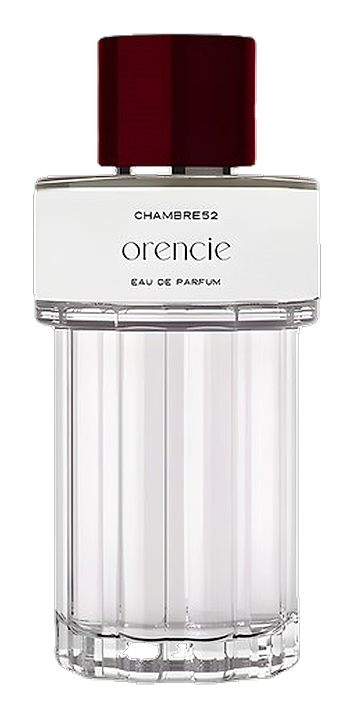
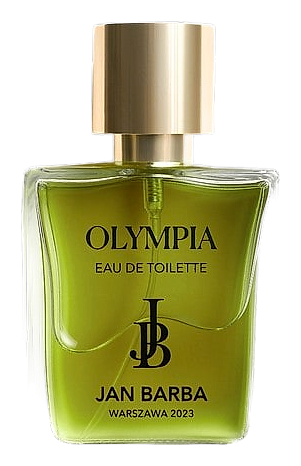
Fragrances featuring Rhodinol
Good to know
Questions, answered
The essentials on Rhodinol in perfumery: how it smells, where it comes from, and how it behaves on skin.
What is rhodinol in perfumery?
Rhodinol is a natural aromatic isolate with a bright, rose-like scent and a clean citrus character. It is found in citronella oil, rose oil, and geranium, and has been used in fine perfumery since the late 1800s.
Is rhodinol the same as geraniol?
They are isomers with similar floral rose scents, but they differ in molecular structure. Rhodinol specifically refers to the alcohol form found in citronella, while geraniol typically refers to the trans isomer found in rose and palmarosa.
What does rhodinol smell like?
Rhodinol has a fresh, petal-bright rose fragrance with a subtle citrus lift. The Good Scents Company describes it as wonderfully well-balanced and rounded, with a clean floral character that avoids heaviness.
Which plants contain natural rhodinol?
Rhodinol occurs naturally in Java and Ceylon citronella, rose oils, geranium, palmarosa, and lavender. Citronella oil is the primary commercial source, containing up to 30 percent rhodinol.
How is rhodinol extracted from citronella?
Rhodinol is obtained through steam distillation of citronella oil, followed by fractional distillation to isolate the rhodinol component. This process separates it from other compounds in the crude oil.
What fragrances first used rhodinol?
Rhodinol was commercialized by Rhône Poulenc in the late nineteenth century and saw early use in Coty fragrances. It later appeared in Guerlain's L'Heure Bleue in 1912 and became a staple in rose and floral compositions.
Is rhodinol considered natural or synthetic?
Natural rhodinol is isolated from botanicals like citronella through distillation. Some synthetic production exists, but natural isolates remain preferred in natural perfumery for their complexity and botanical connection.
What fragrance families use rhodinol?
Rhodinol appears in rose, chypre, fougère, and fresh floral compositions. Its citrus-fresh rose character makes it useful for brightening heart notes and adding natural floral lift without heaviness.