Residual Rum
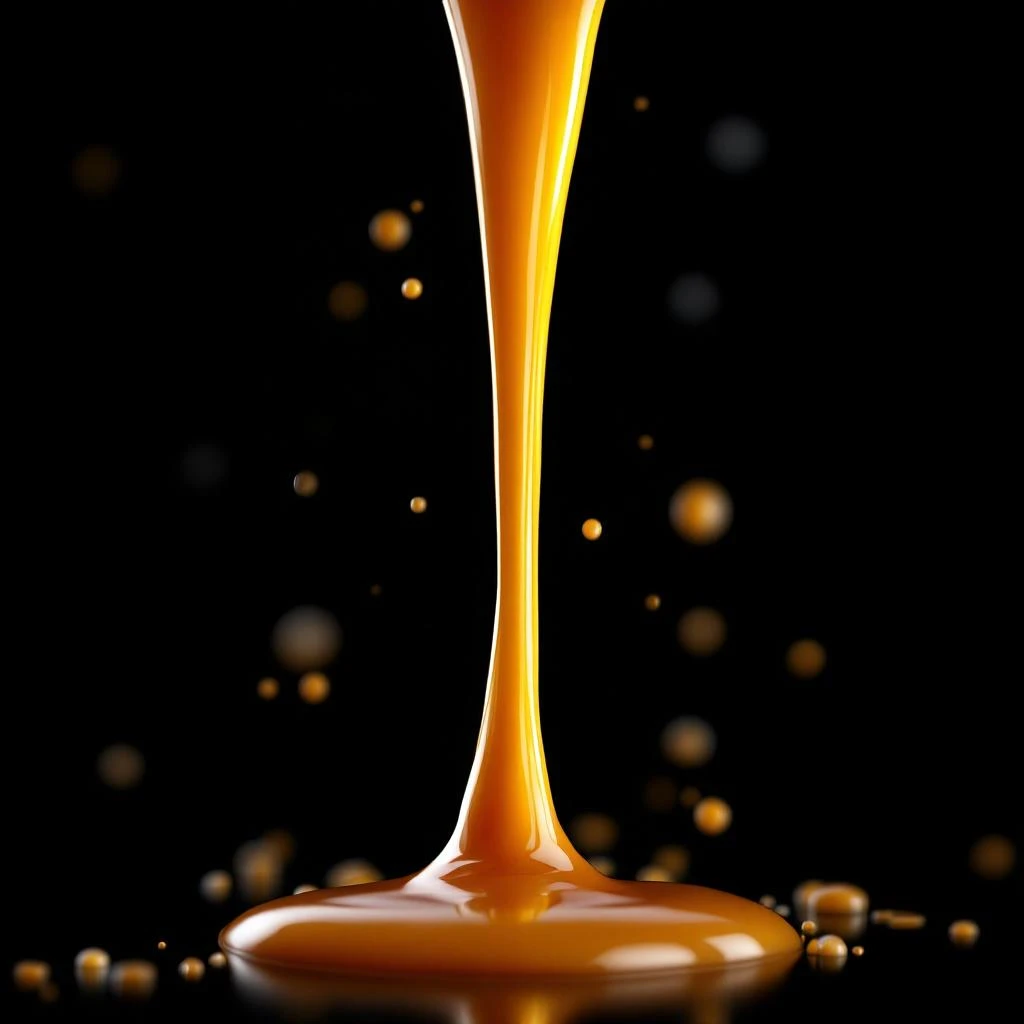
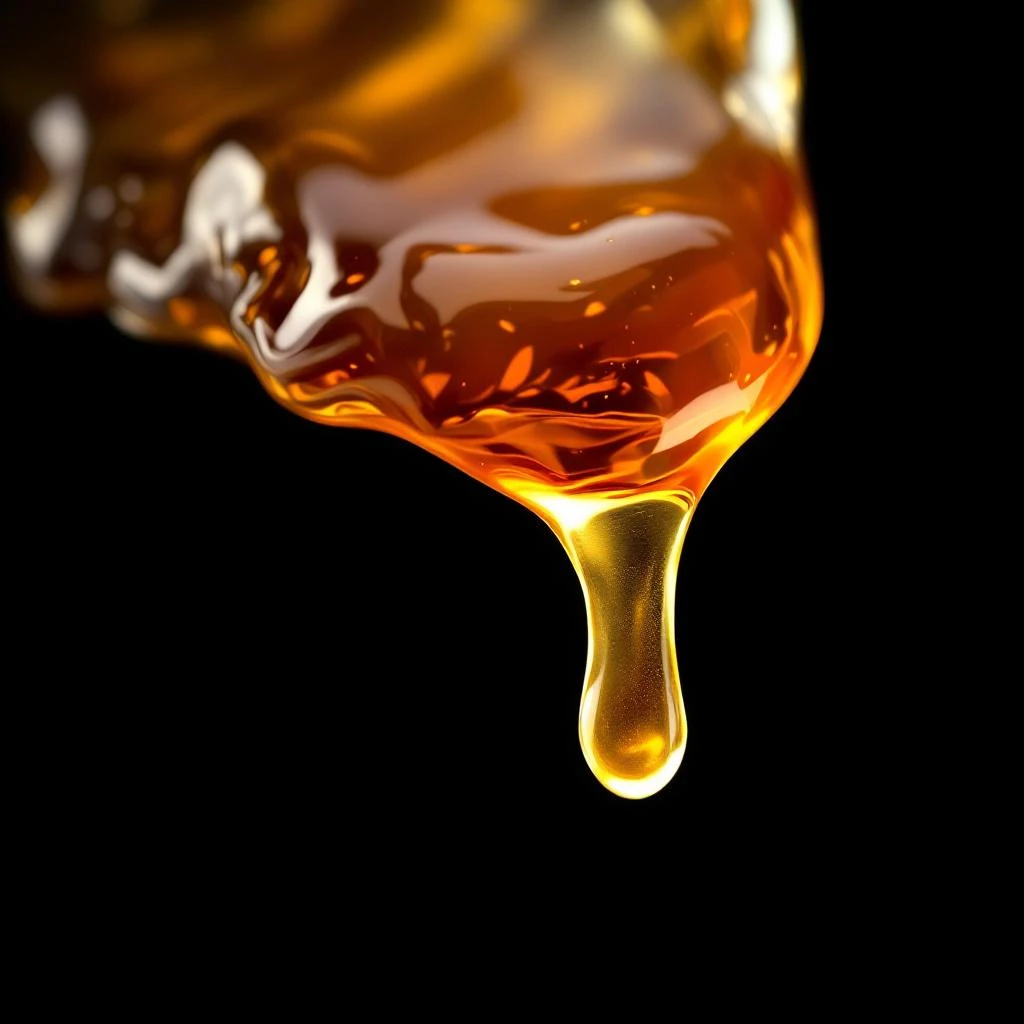
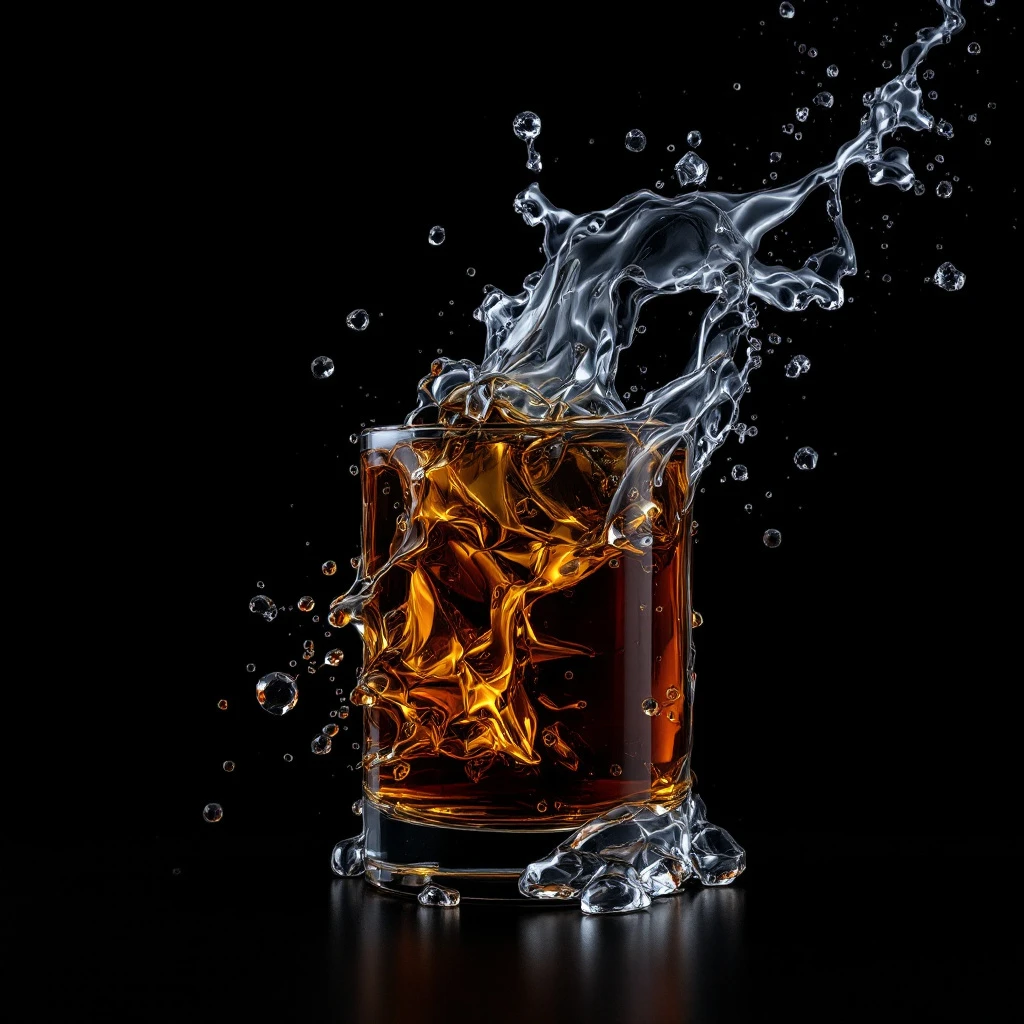
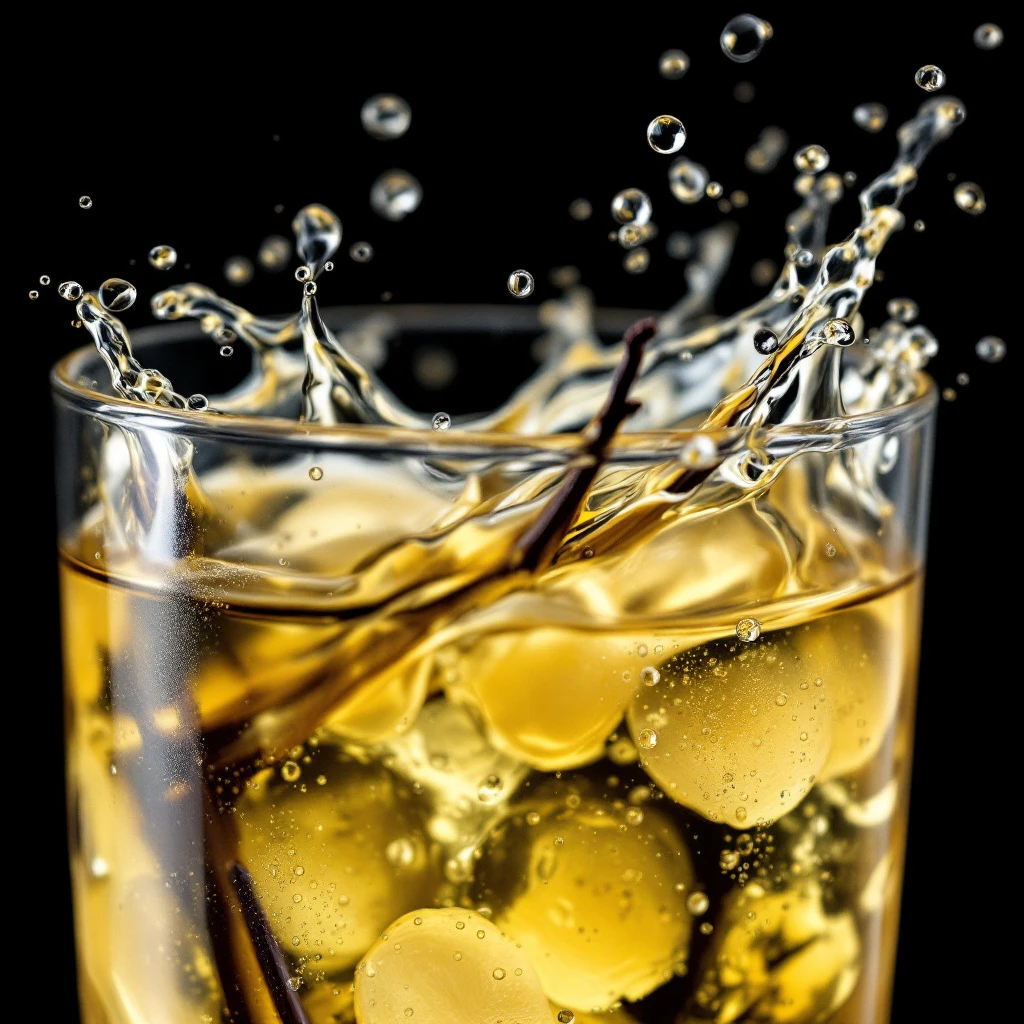
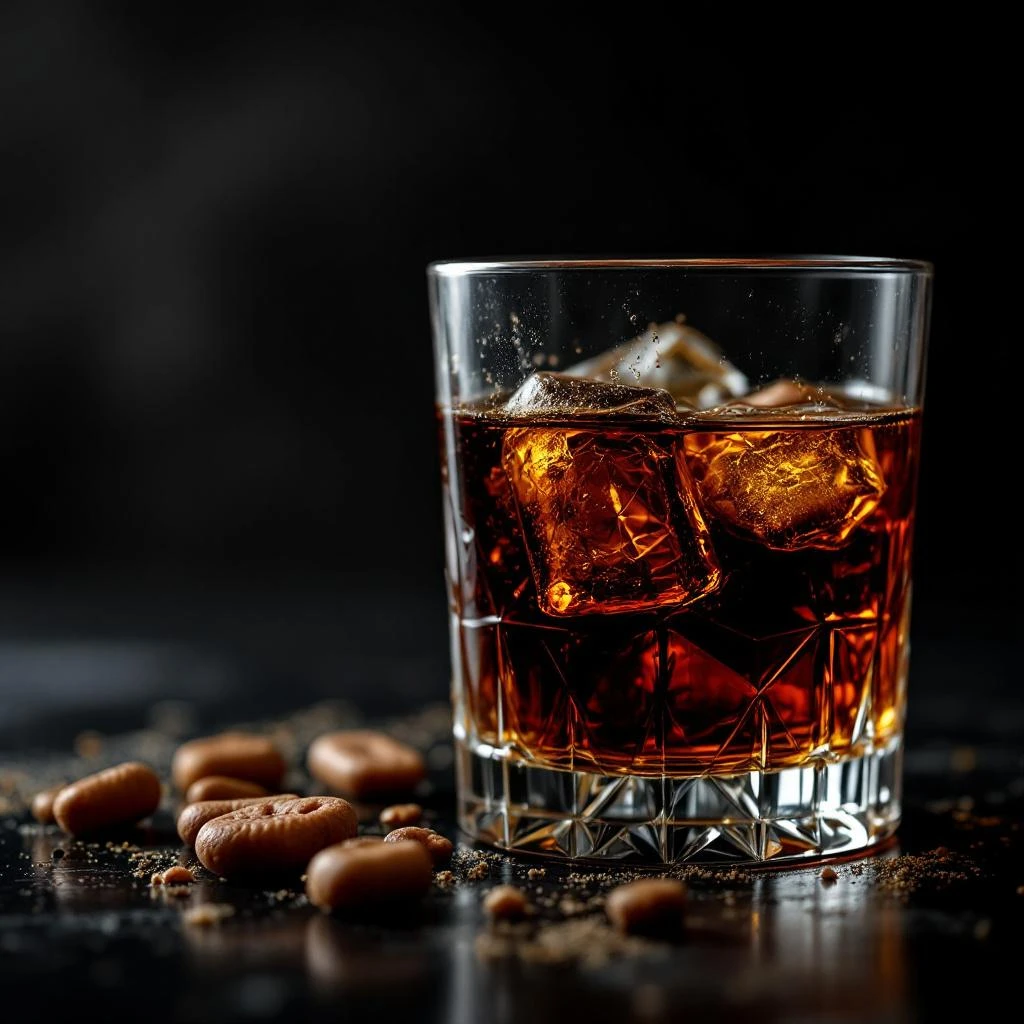
Rich, warm, and indulgently sweet Residual Rum captures the soul of aged Caribbean spirits as a fragrance material. Evoking sun-darkened oak barrels and golden liquid, this note delivers the distinctive boozy warmth cherished in oriental and gourmand perfumery.
Character
How it smells
The soul of aged spirits distilled into scent.
Barbadian rum distillers in the 1700s discovered that molasses byproducts from sugar production could transform into complex spirits when fermented in charred oak.
Origin
Barbados
Rum's perfumery story begins in the sugar colonies of the Caribbean during the 17th century. Barbados and Jamaica emerged as pioneers of rum production, transforming molasses, a byproduct of sugar refining, into the amber spirit that would reshape global taste preferences. By the 1700s, Caribbean rum had become a prized commodity, traded across the Atlantic and valued for its complex flavor developed through aging in charred oak barrels.
The connection to perfumery developed more recently, as fragrance chemists and naturists recognized that the same aromatic compounds creating rum's distinctive character could enhance perfume compositions. Today, Residual Rum materials honor this heritage by capturing the essence of traditional Caribbean production methods, bringing the warmth of aged spirits into modern fragrance creation.
Wears it best
Fragrances featuring Residual Rum
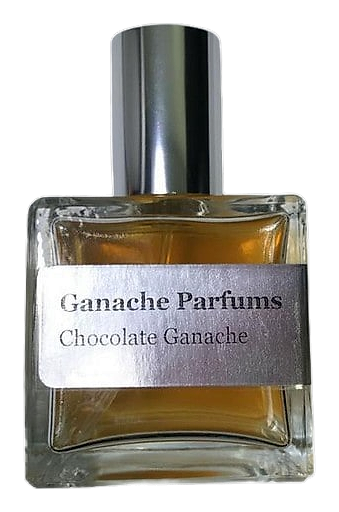
Brands
Brands known for Residual Rum
Good to know
Questions, answered
The essentials on Residual Rum in perfumery: how it smells, where it comes from, and how it behaves on skin.
What is Residual Rum in perfumery?
Residual Rum is an aromatic material capturing the warm, sweet, boozy character of aged rum for use in fragrance composition. It provides depth and sophistication to oriental and gourmand perfumes.
Where does rum for perfumery originate?
Barbados and Jamaica remain the primary origins, where rum production emerged in the 17th century using traditional copper pot stills and molasses fermentation.
What gives rum its distinctive scent in fragrances?
Esters, furfural, and ethyl acetate compounds developed during fermentation and oak aging create rum's characteristic sweet, warm, slightly smoky aroma profile.
How is Residual Rum extracted for perfumery?
Supercritical CO2 extraction captures volatile aroma compounds from rum-derived materials while preserving the material's warmth and complexity.
What fragrance types use Residual Rum?
Oriental fragrances and gourmand constructions commonly incorporate Residual Rum, pairing it with vanilla, amber, and spice notes for warm, inviting compositions.
How does aging affect rum's aromatic properties?
Traditional rum aging in charred American oak barrels for 7-12 years develops the complex ester and phenol compounds that inspire Residual Rum perfumery materials.
What complementary ingredients work with Residual Rum?
Benzoin, tonka bean, and labdanum harmonize naturally with Residual Rum, enhancing warmth and adding sweet, resinous depth to fragrance blends.
Is Residual Rum a natural or synthetic perfumery ingredient?
Both natural CO2 extracts and nature-identical synthetics exist, with natural materials offering greater complexity and synthetics providing consistency across batches.