Redwood
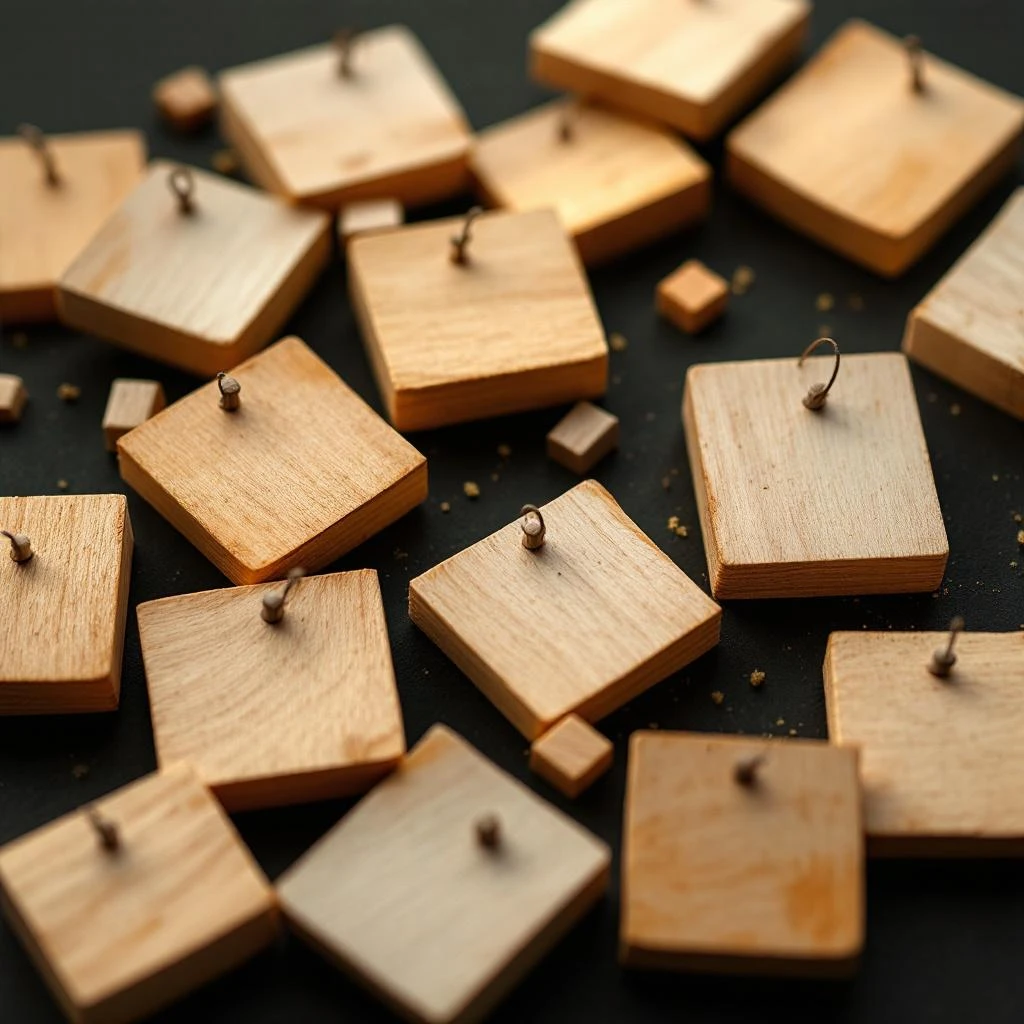
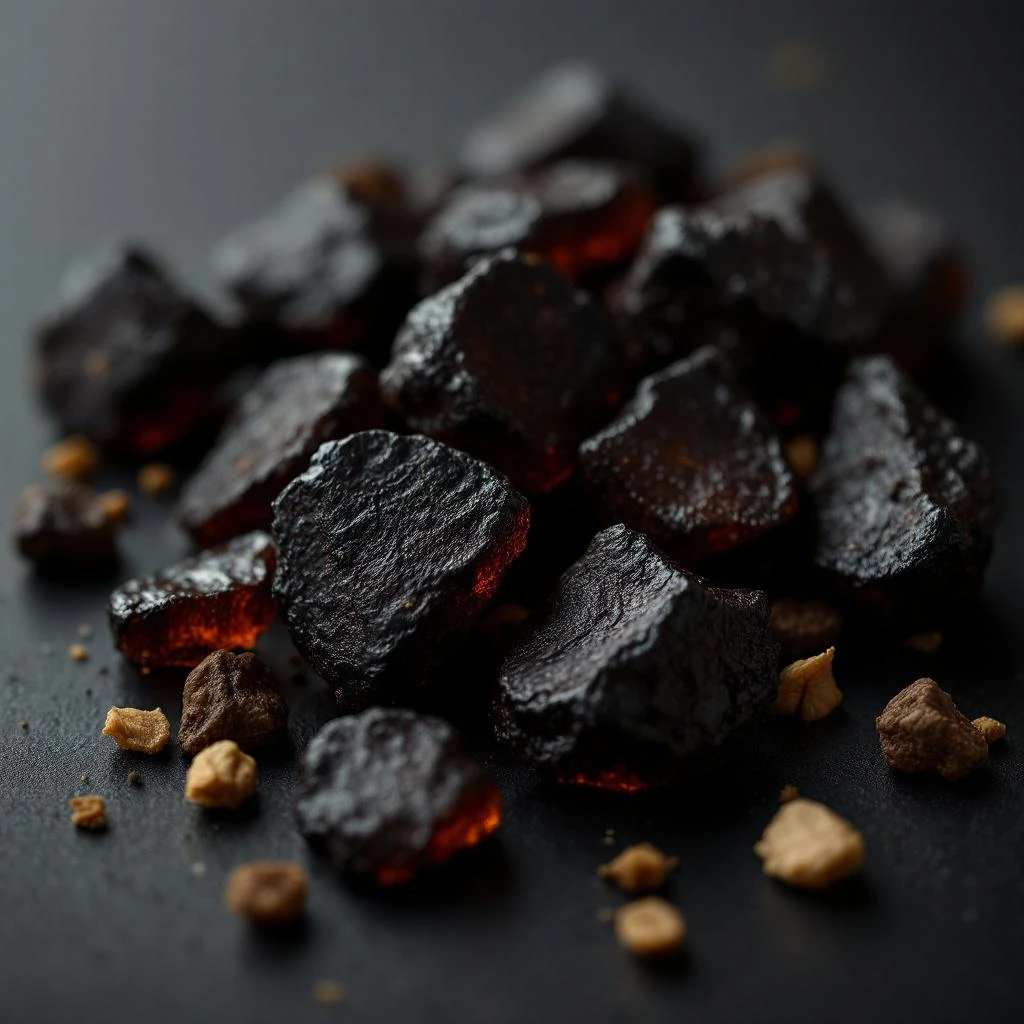
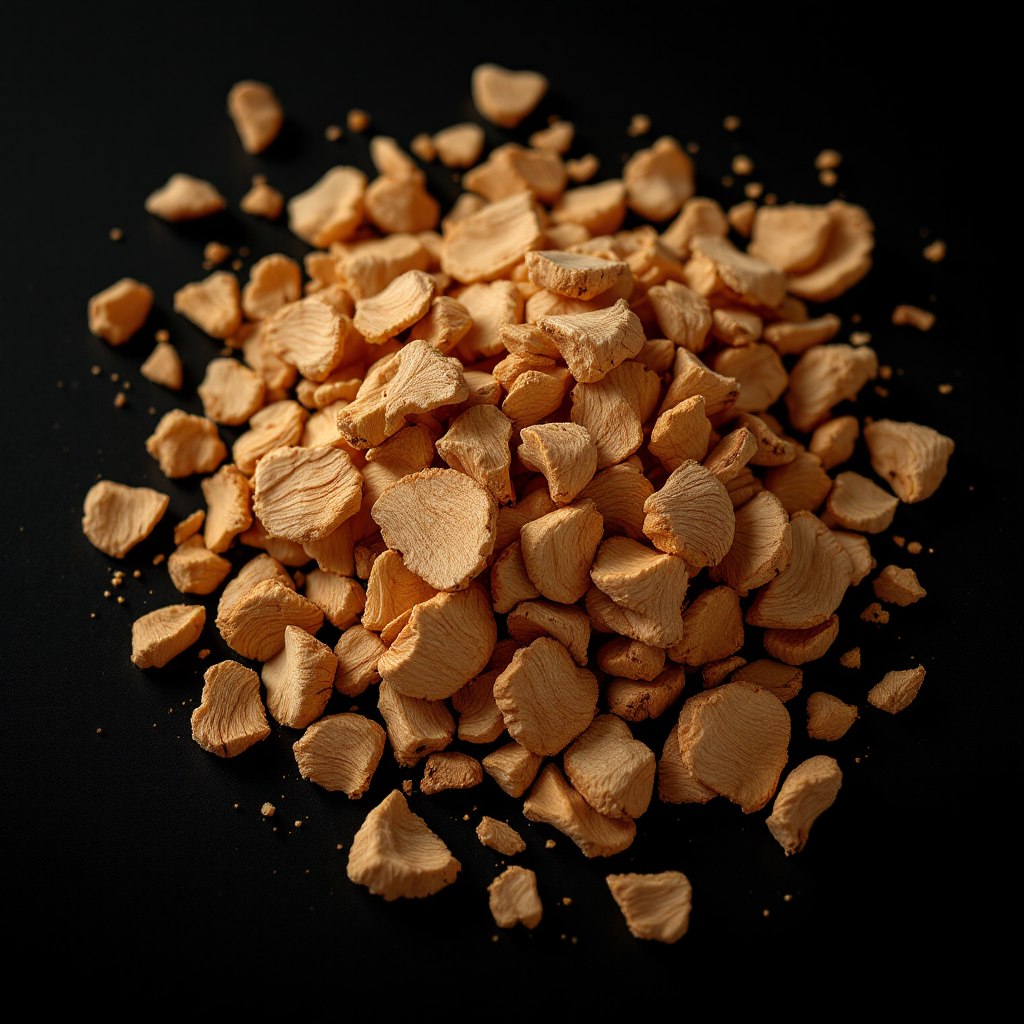
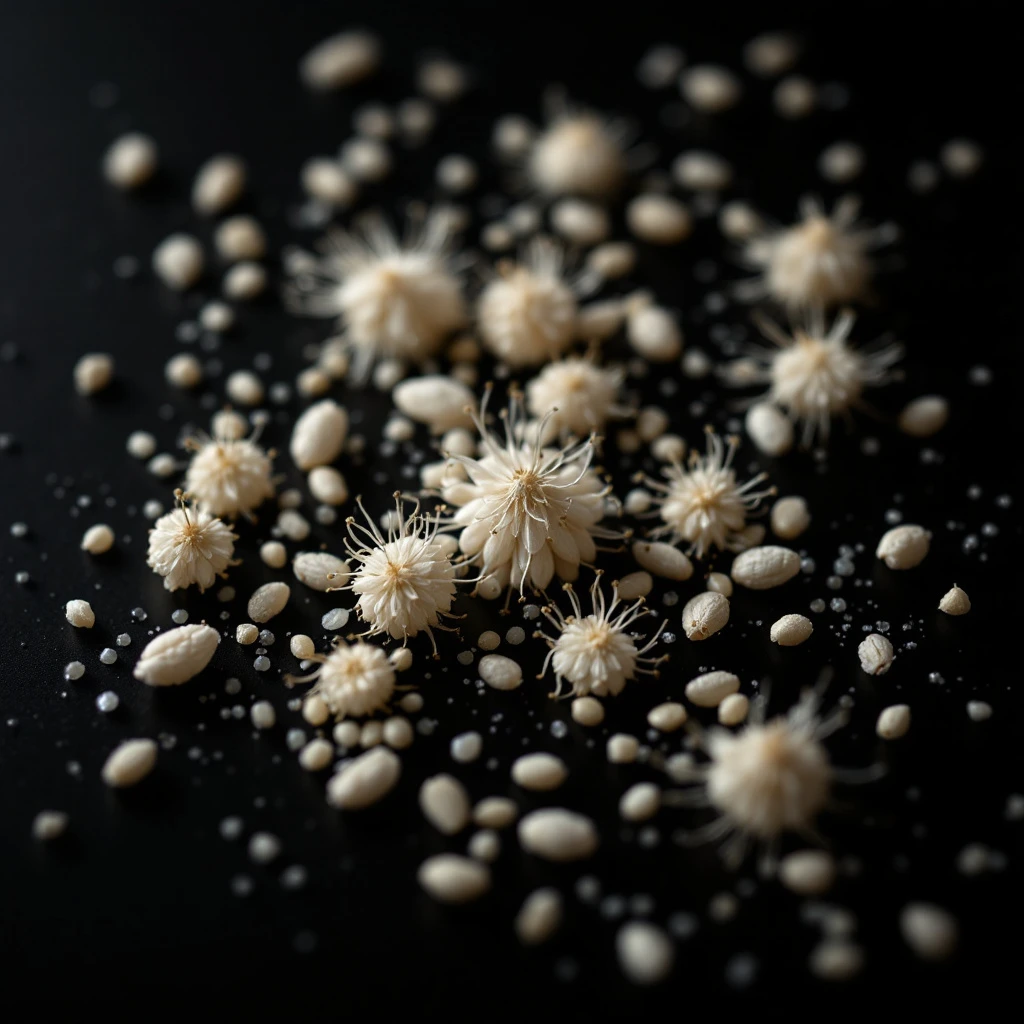
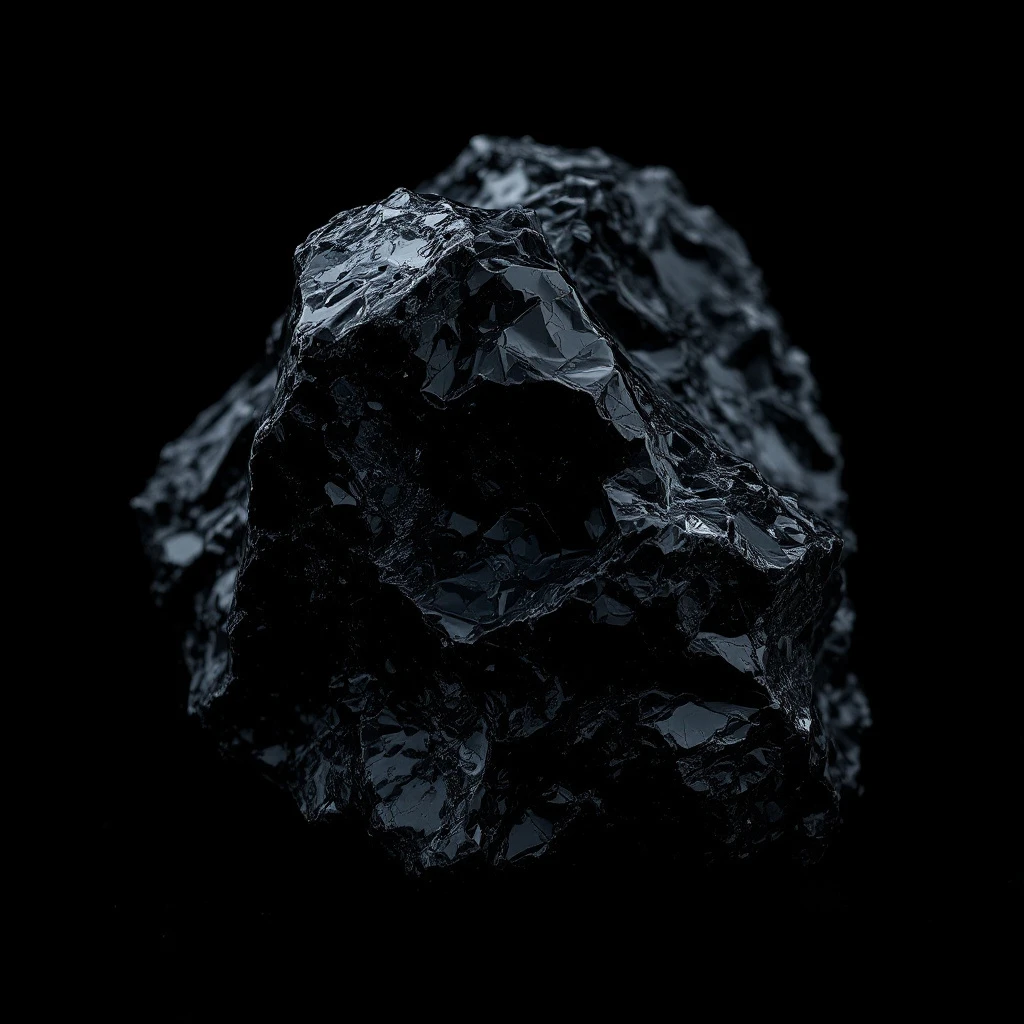
Redwood brings the ancient forest into your fragrance. Its dry, aromatic wood scent carries undertones of warm earth and subtle resins, creating base notes that feel both grounding and expansive.
Character
How it smells
Ancient forests captured in a bottle
Some perfumers forage fresh redwood from California's coastal forests, distilling the wood within days of harvest to preserve volatile aromatic compounds.
Pairs beautifully with

Origin
United States
Coastal redwood forests stretch from southern Oregon to central California, home to the tallest trees on Earth. Indigenous peoples of these regions used redwood bark and pitch for ceremonial purposes, though its introduction to perfumery is relatively recent compared to cedar or sandalwood. Modern interest in redwood as a fragrance material grew in the late 20th century as consumers sought more distinctive wood notes beyond mainstream cedar options.
Small-batch perfumers began foraying into California forests during the 2010s, developing extraction methods that honored the tree's character rather than replicating it through synthetic substitutes. Today, authentic redwood appears primarily in niche fragrances seeking to differentiate from synthetic woody accords.
Wears it best
Fragrances featuring Redwood
Brands
Brands known for Redwood
Good to know
Questions, answered
The essentials on Redwood in perfumery: how it smells, where it comes from, and how it behaves on skin.
What does redwood smell like?
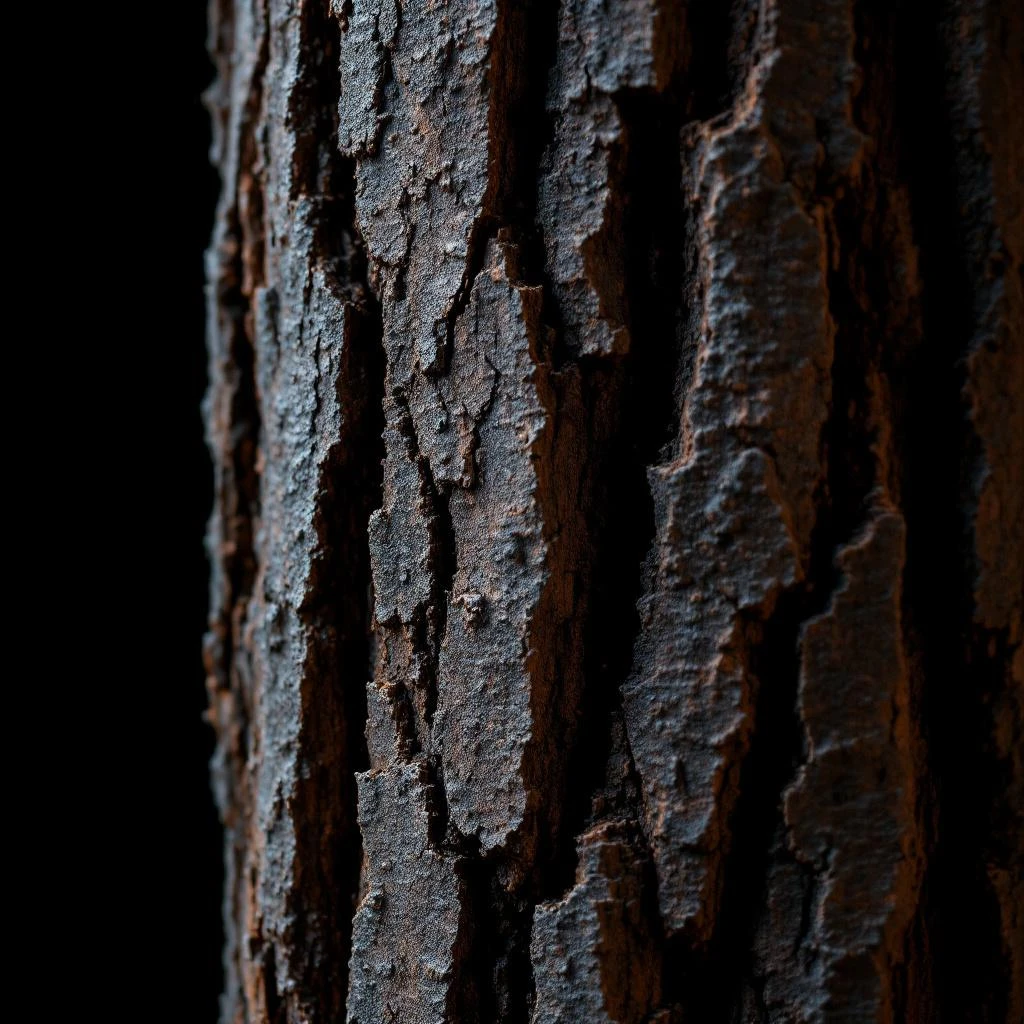
Redwood delivers a dry, woody aroma with warm resin undertones. Unlike common cedar, it carries a slightly sweet, living-forest quality with subtle earth and dried bark notes.
Is redwood a natural or synthetic ingredient?
Redwood is natural, extracted through steam distillation of the heartwood. Some fragrances may use synthetically replicated redwood-like compounds when supply is limited.
What fragrances feature redwood as a main note?
Redwood appears mainly in niche and artisan fragrances. It pairs well with other wood notes, resins like frankincense, and green accords including vetiver and galbanum.
How does redwood differ from cedar in perfumery?
Cedar tends toward sharp, pencil-shaving dryness. Redwood offers more warmth, subtle sweetness, and forest-floor depth. Both work as strong base notes in fragrance composition.
Where does redwood for perfumery originate?
Commercial redwood for fragrance comes primarily from California coastal forests. Indie perfumers source directly from sustainable foragers operating under proper land permissions.
Is redwood oil sustainable?
Sustainable redwood oil comes from carefully managed forests or salvage operations. Buying from suppliers with third-party sustainability certifications helps ensure responsible sourcing.
What extraction method produces the best redwood oil?
Steam distillation produces the most common redwood oil. Some artisan perfumers prefer fresh-wood extraction methods for greener, more complex aromatic profiles.
Can redwood be combined with other wood notes?
Redwood pairs naturally with sandalwood, vetiver, and cypress. It also complements resinous materials like labdanum and frankincense, adding forest depth to oriental fragrance structures.