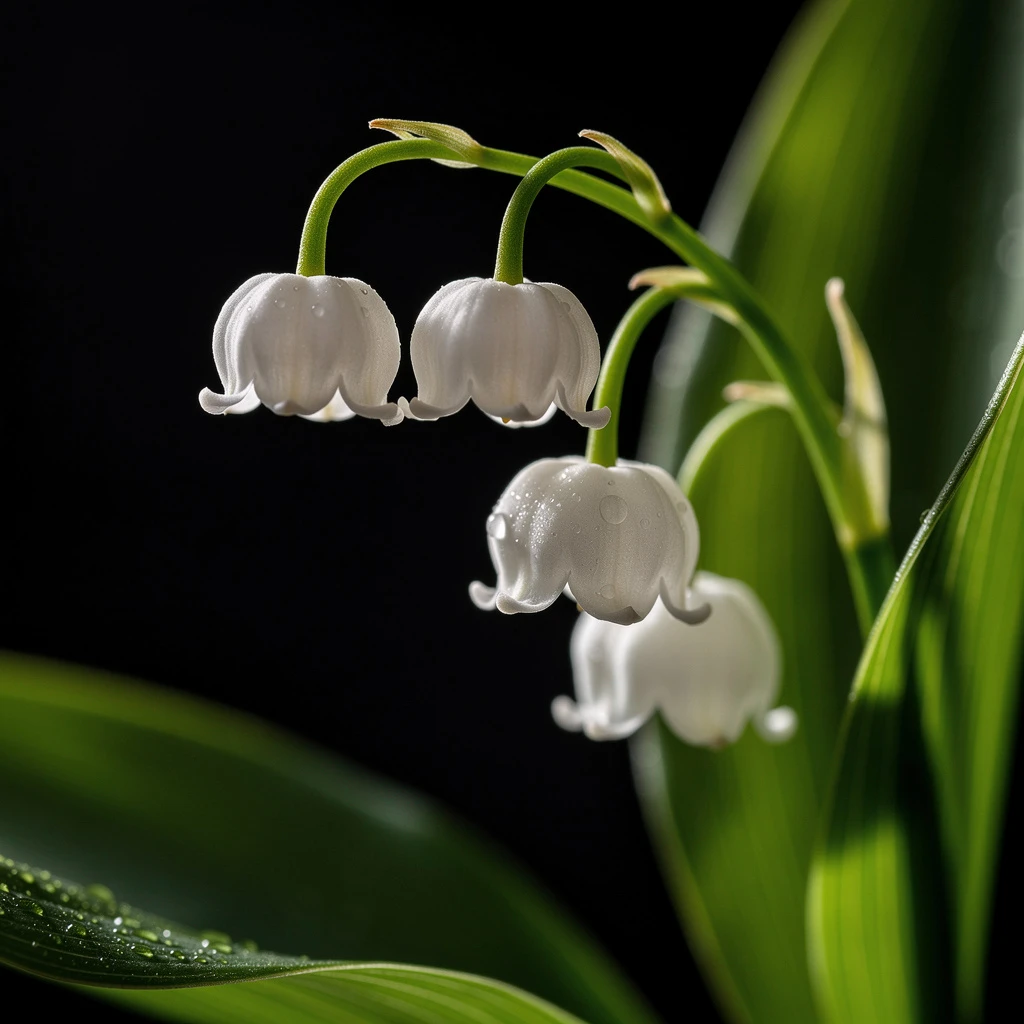
Obsidial
A proprietary volcanic mineral accord inspired by obsidian's primordial elegance. Dark, smoky, and profoundly mineral—capturing the essence of volcanic glass in olfactory form.
Character
How it smells
Volcanic mineral accord, dark and primordial
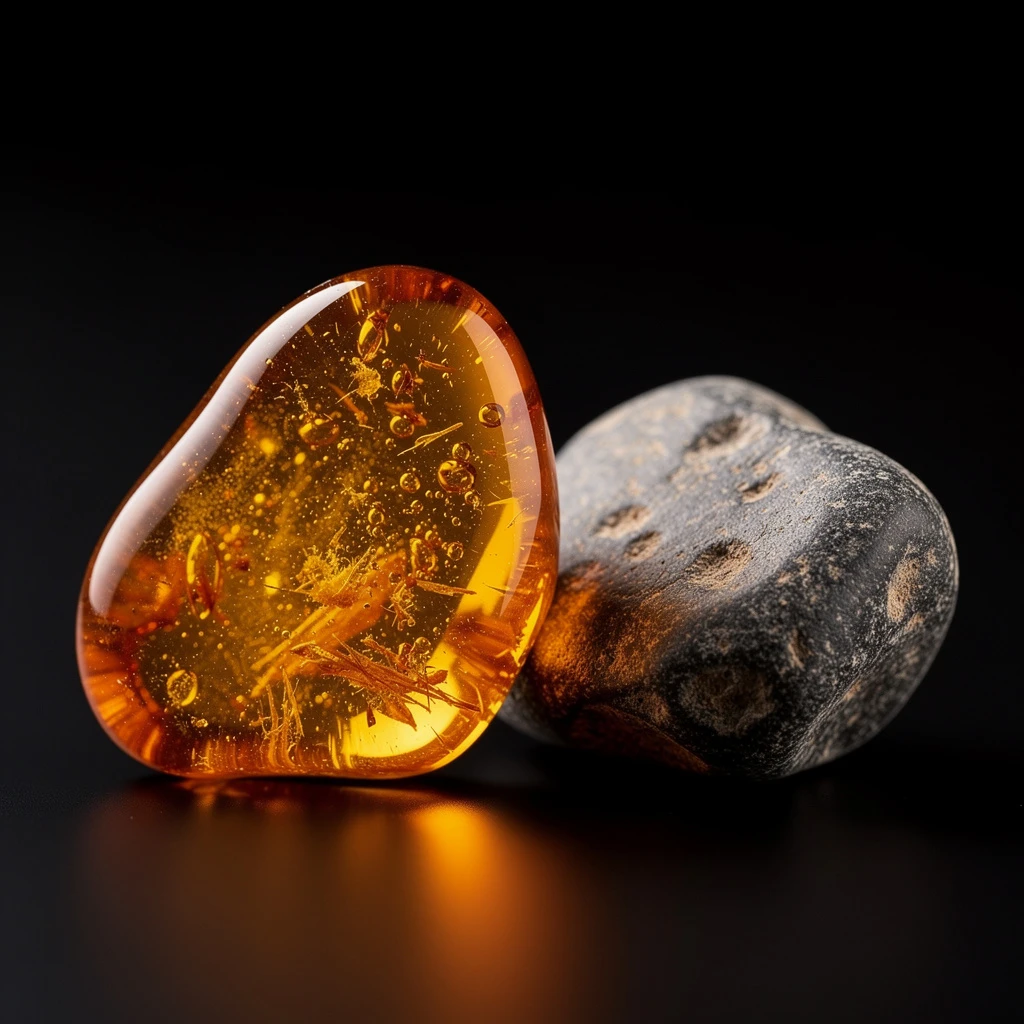
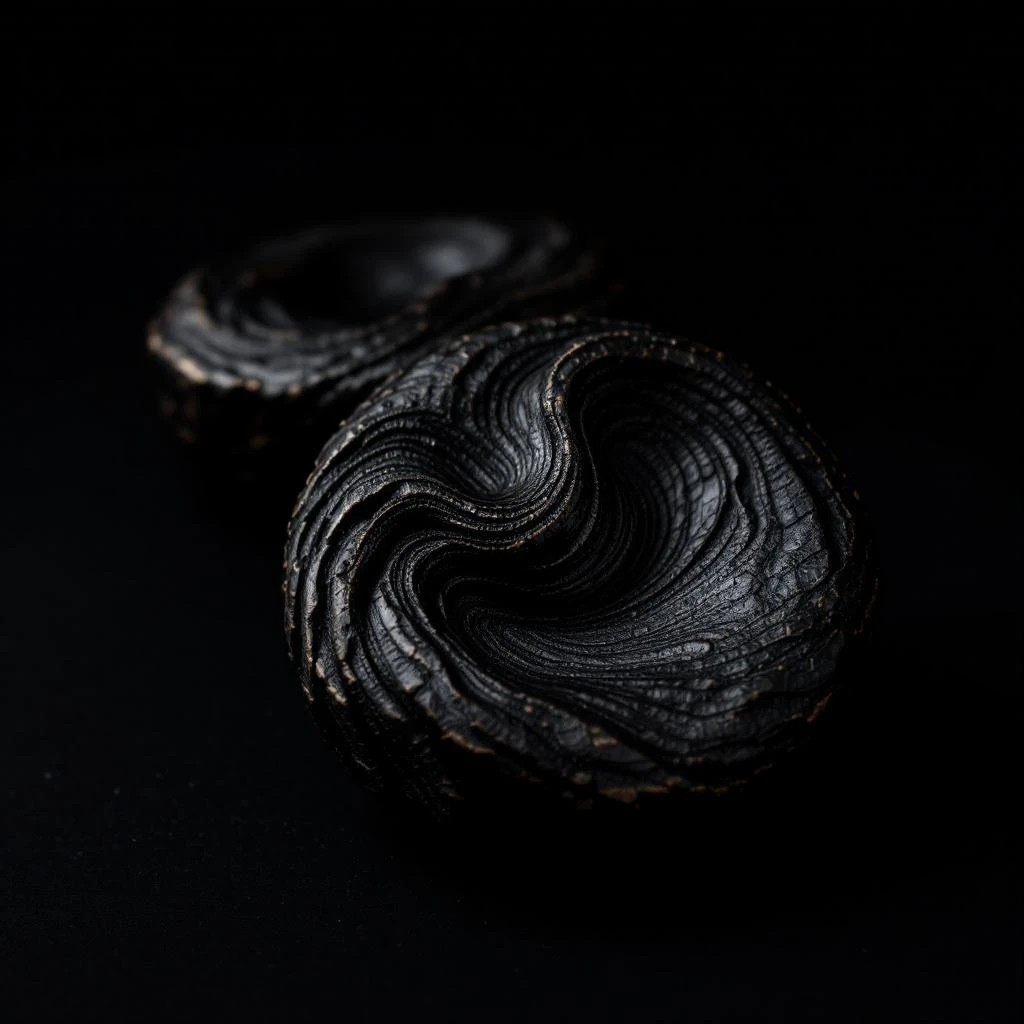
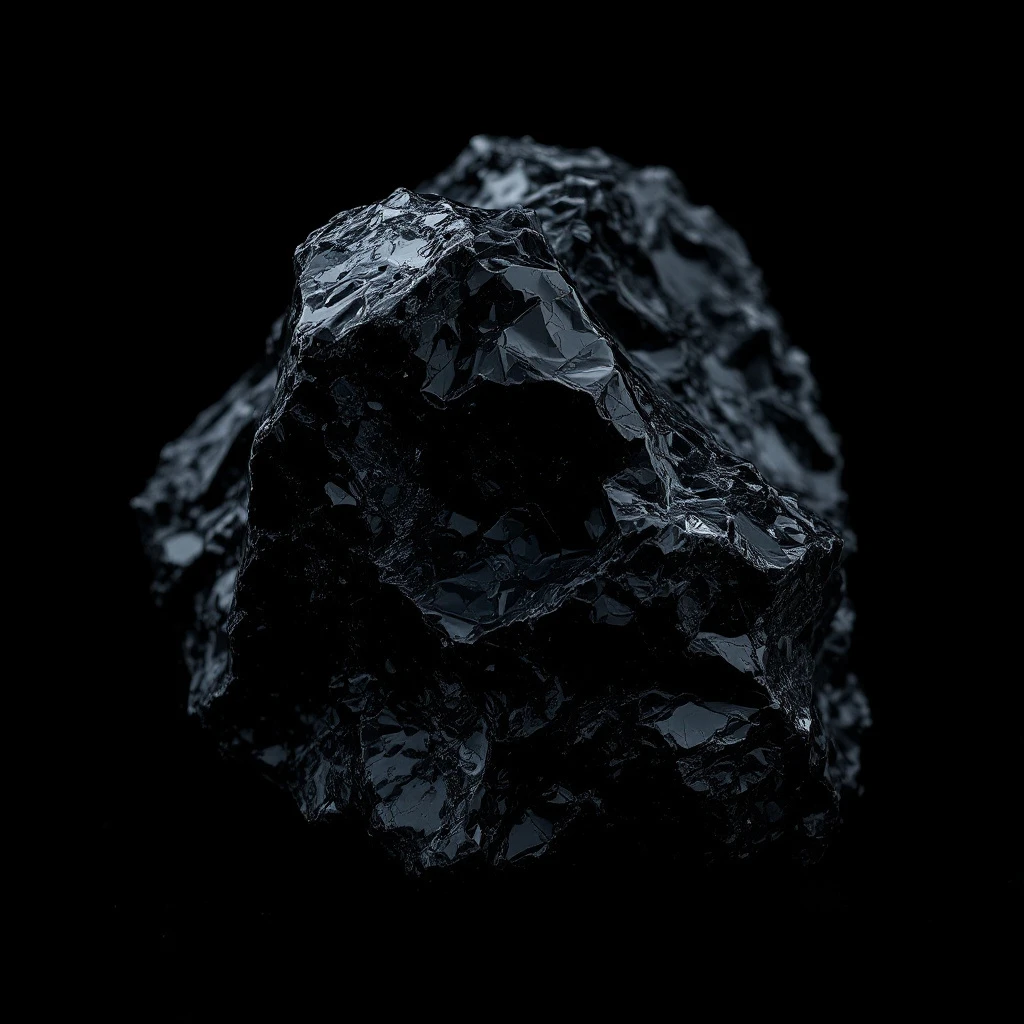
Obsidian formed from rapidly cooling lava gives this accord its distinctive smoky, glassy character.
Pairs beautifully with

Origin
Switzerland
Obsidian held sacred significance across ancient Mesoamerican civilizations, where artisans carved it into mirrors, tools, and ritual objects. Aztecs called it iztli teotl—divine flesh—and traded it across vast networks extending to present-day Guatemala and Mexico. Though obsidian itself possesses no scent, fragrance chemists began developing mineral-smoky accords in the 1970s as perfumery explored non-botanical territories.
The volcanic inspiration proved rich territory: obsidian's glossy black surface, formed in moments of geological violence, offered a compelling metaphor for fragrance that was simultaneously raw and refined. Today, Obsidial-type accords appear in compositions seeking primal, elemental depth, connecting ancient reverence for volcanic glass to modern synthetic artistry.
Wears it best
Fragrances featuring Obsidial
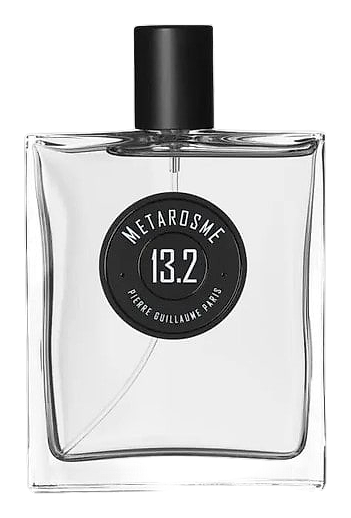
Brands
Brands known for Obsidial
Good to know
Questions, answered
The essentials on Obsidial in perfumery: how it smells, where it comes from, and how it behaves on skin.
What does Obsidial smell like?
Obsidial produces a dark, smoky mineral scent with ashy undertones and a clean, glassy drydown reminiscent of volcanic glass. It adds primal depth to fragrance compositions.
Is Obsidial a natural or synthetic ingredient?
Obsidial is a synthetic mineral accord inspired by volcanic obsidian. It uses lab-created compounds to replicate obsidian's distinctive smoky, mineral character.
What fragrance families use Obsidial?
Obsidial appears primarily in oriental and woody fragrance families, where it provides smoky depth. It also suits leather and chypre compositions seeking mineral complexity.
When was synthetic mineral chemistry first developed for perfumery?
Modern synthetic mineral chemistry emerged in the 1970s when fragrance houses began exploring non-botanical scent territories. The first commercial mineral-smoky ingredients appeared around this period.
Does Obsidial occur in nature?
Obsidian exists naturally as volcanic glass, but Obsidial the fragrance accord does not occur in nature—it requires laboratory synthesis to achieve its characteristic mineral-smoky profile.
How do perfumers create the smoky mineral effect in Obsidial?
Perfumery chemists combine specific cyclic compounds and amber materials using advanced aroma chemistry. CO2 extraction techniques borrowed from botanical perfumery help isolate precise smoky nuances.
What makes Obsidial different from other smoky ingredients?
Unlike traditional smoky materials derived from woods or resins, Obsidial offers a cleaner, more mineral-driven smoke character without the sweetness of oud or the heaviness of birch tar.
Is Obsidial considered a sustainable fragrance ingredient?
Yes. As a synthetic accord, Obsidial avoids the overharvesting concerns associated with some natural smoky ingredients. Its lab-based production ensures consistent quality and supply.
In the same family