Red Hibiscus
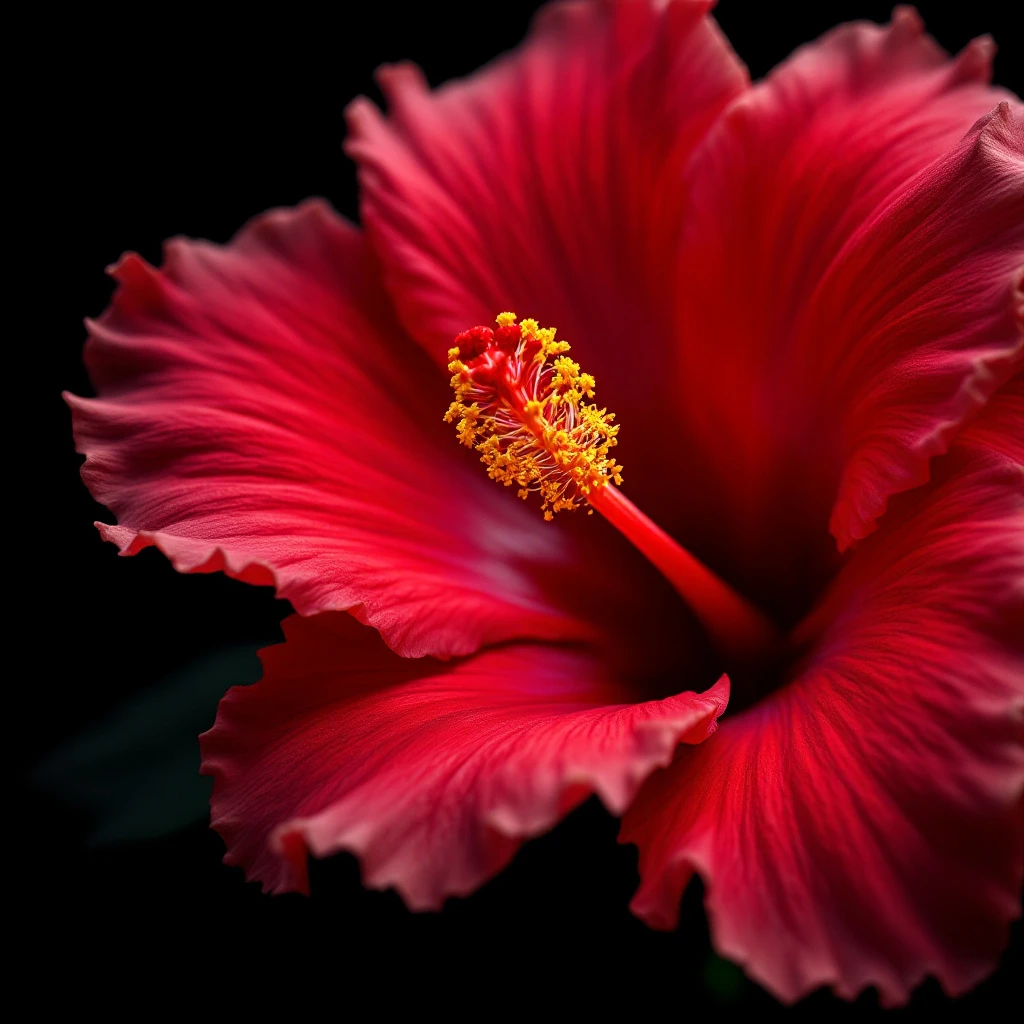
Red Hibiscus brings a bold tropical flourish to fine fragrance. This striking flower offers perfumers a complex floralcy that balances lush sweetness with an unexpected tartness, creating scents that capture the energy of sun-drenched gardens.
Character
How it smells
Tropical boldness with a tart floral edge.
Hibiscus flowers live for just one day, yet they produce fragrance continuously from dawn until they wilt.



Origin
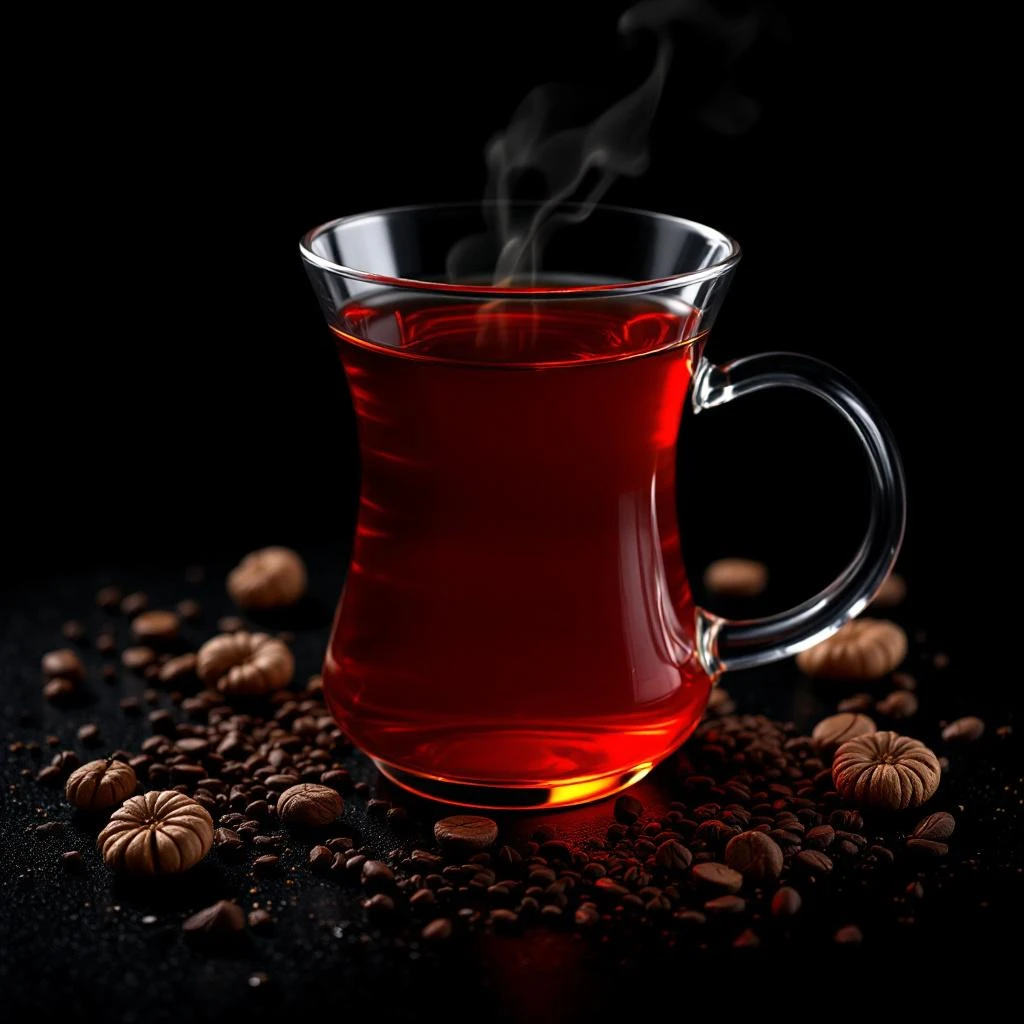
China
Hibiscus rosa-sinensis originated in tropical East Asia, where it has been cultivated for millennia. Chinese texts from ancient times reference hibiscus for ornamental and medicinal purposes, celebrating its vivid color and fleeting beauty.
The flower spread along trade routes throughout the Pacific and Indian Ocean regions, becoming deeply embedded in Hawaiian culture where it symbolizes hospitality and friendship. European botanical explorers brought hibiscus to Western gardens in the 18th century, and its commercial cultivation expanded significantly during the 20th century.
While jasmine and rose dominated classical perfumery, hibiscus remained relatively overlooked by the fragrance industry until recent decades, when consumer interest in tropical and exotic florals grew. Today, hibiscus absolute appears in niche and designer fragrances that seek to capture its distinctive balance of sweetness and tartness.
Wears it best
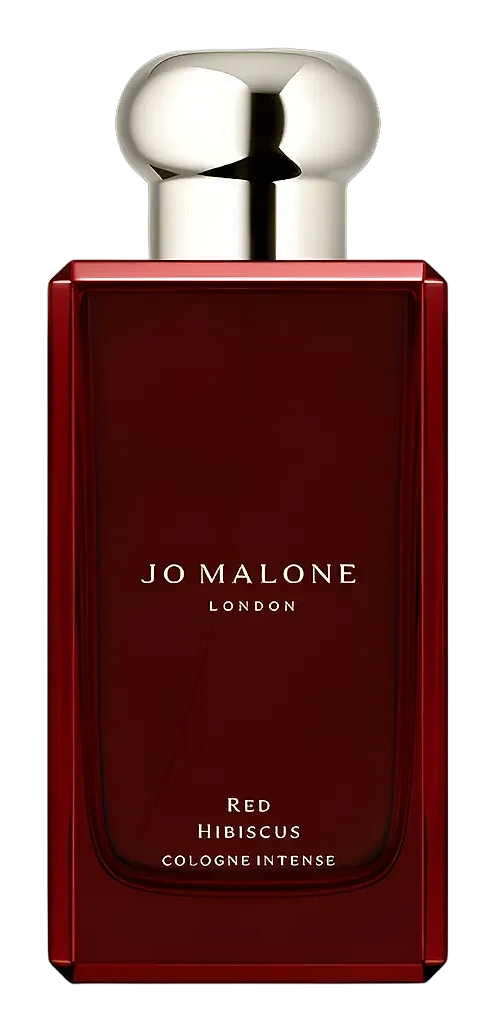
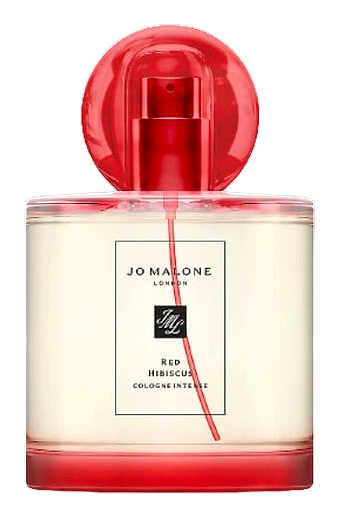
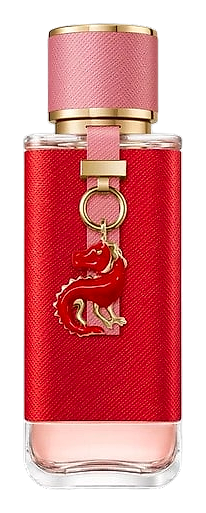
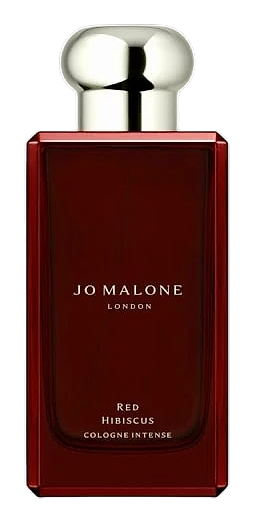
Fragrances featuring Red Hibiscus
Brands
Brands known for Red Hibiscus
Good to know
Questions, answered
The essentials on Red Hibiscus in perfumery: how it smells, where it comes from, and how it behaves on skin.
What does Red Hibiscus smell like?
Red Hibiscus delivers a lush, tropical floral scent with characteristic sweetness balanced by a tart, almost berry-like acidity. The overall impression is bright and tropical, distinct from other florals like rose or jasmine.
Is Red Hibiscus used in men's or women's fragrances?
Red Hibiscus appears across gender categories. It performs especially well in vibrant summer fragrances, tropical Orientals, and modern gender-neutral compositions seeking tropical character without heavy sweetness.
How much hibiscus absolute do perfumers typically use?
Hibiscus absolute functions as a modifier and heart note rather than a dominant ingredient. Most formulations use it at low percentages within the floral heart composition to add tropical lift and tartness.
Can hibiscus be extracted through steam distillation?
Steam distillation of hibiscus petals produces an essential oil, though solvent extraction yields a more complete aromatic profile. The absolute captures more of the flower's characteristic fruity and acidic notes.
What fragrance families pair well with Red Hibiscus?
Red Hibiscus complements fruity, aquatic, and green fragrance families. It pairs naturally with coconut, ylang-ylang, and tropical woods, and adds brightness to heavier bases like sandalwood.
Is Red Hibiscus natural or synthetic?
Natural Red Hibiscus absolute exists and is extracted from petals of Hibiscus rosa-sinensis. Synthetic alternatives replicating hibiscus' tart-floral character also exist for cost and supply reasons.
What part of the hibiscus plant is used?
Perfumers use only the fresh flower petals. The stem, leaves, and reproductive parts of the plant are excluded from extraction as they do not contribute to the desired aromatic profile.
Why is hibiscus less common than rose or jasmine in perfumery?
Hibiscus requires specific tropical growing conditions and yields relatively low quantities of absolute per harvest, making it more expensive and less available than established floral ingredients.