Provençal Honey
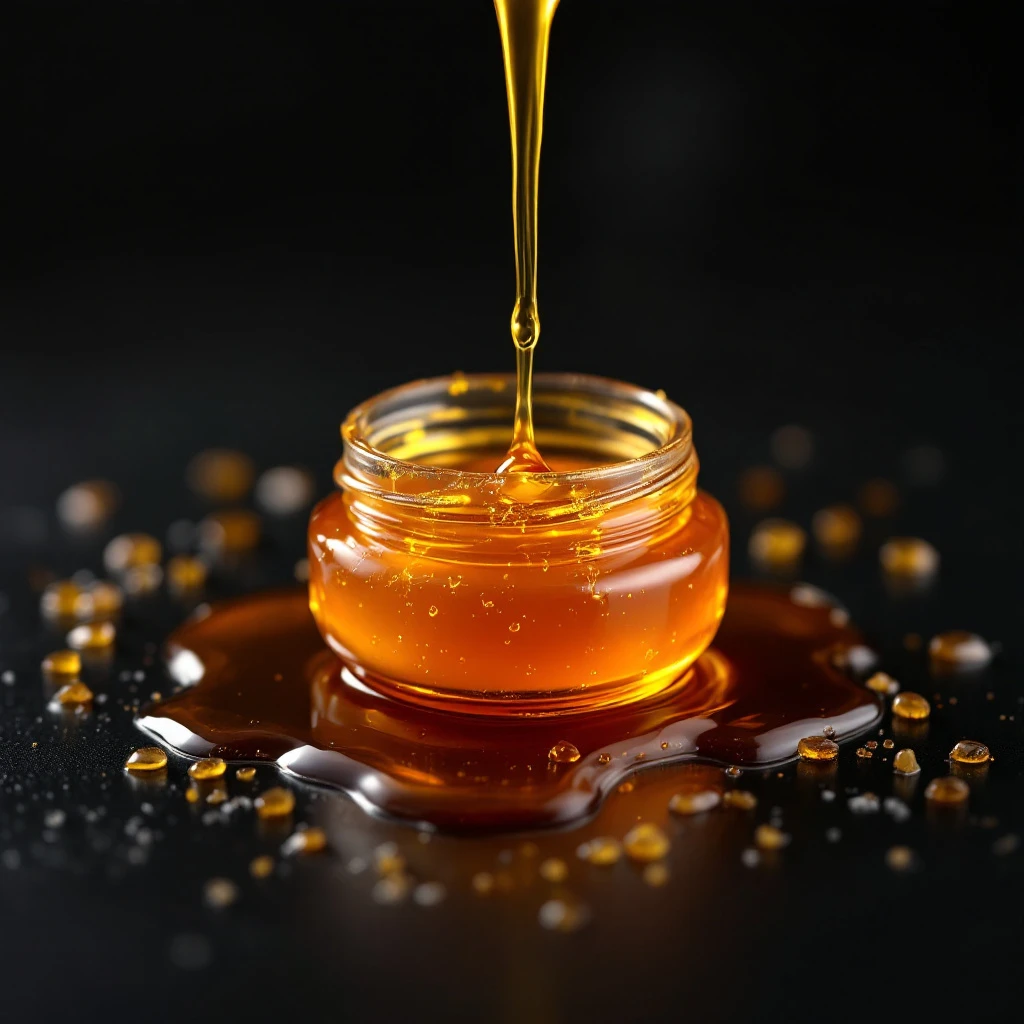
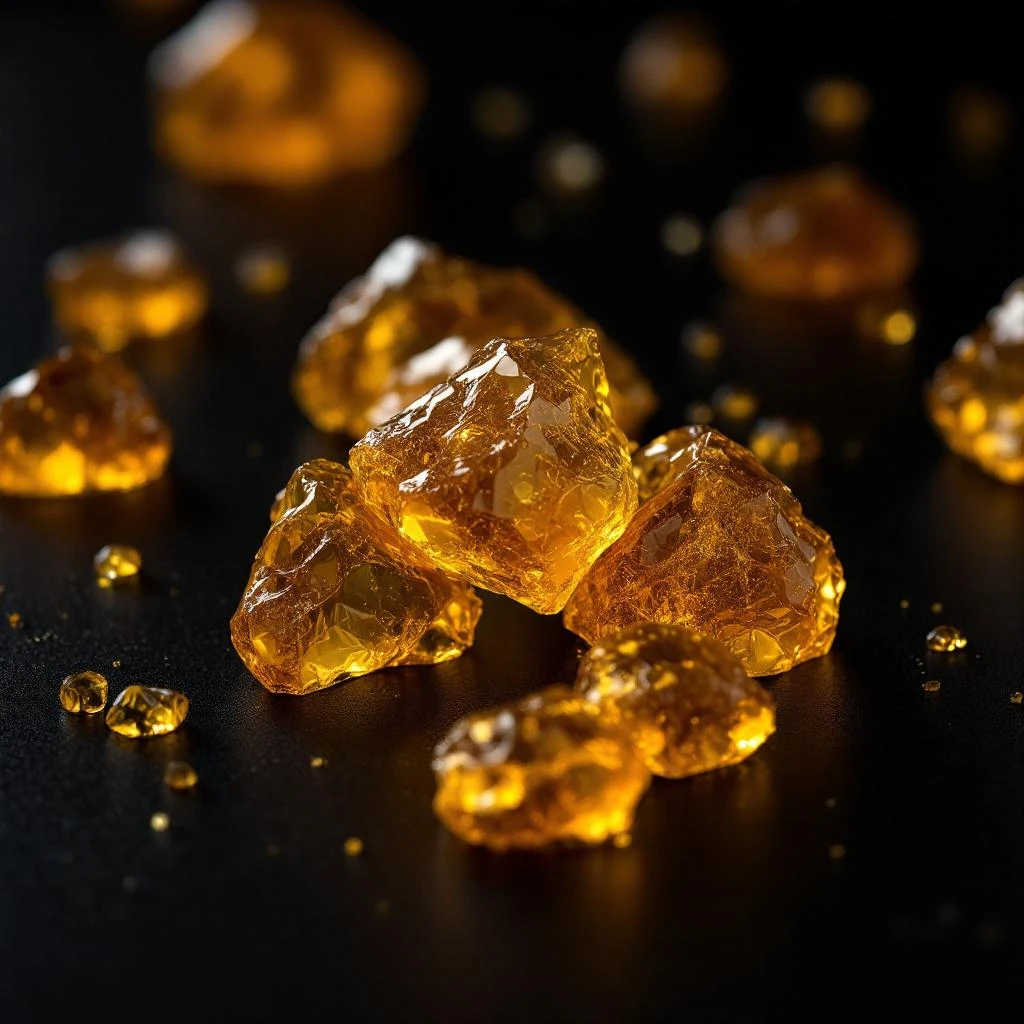
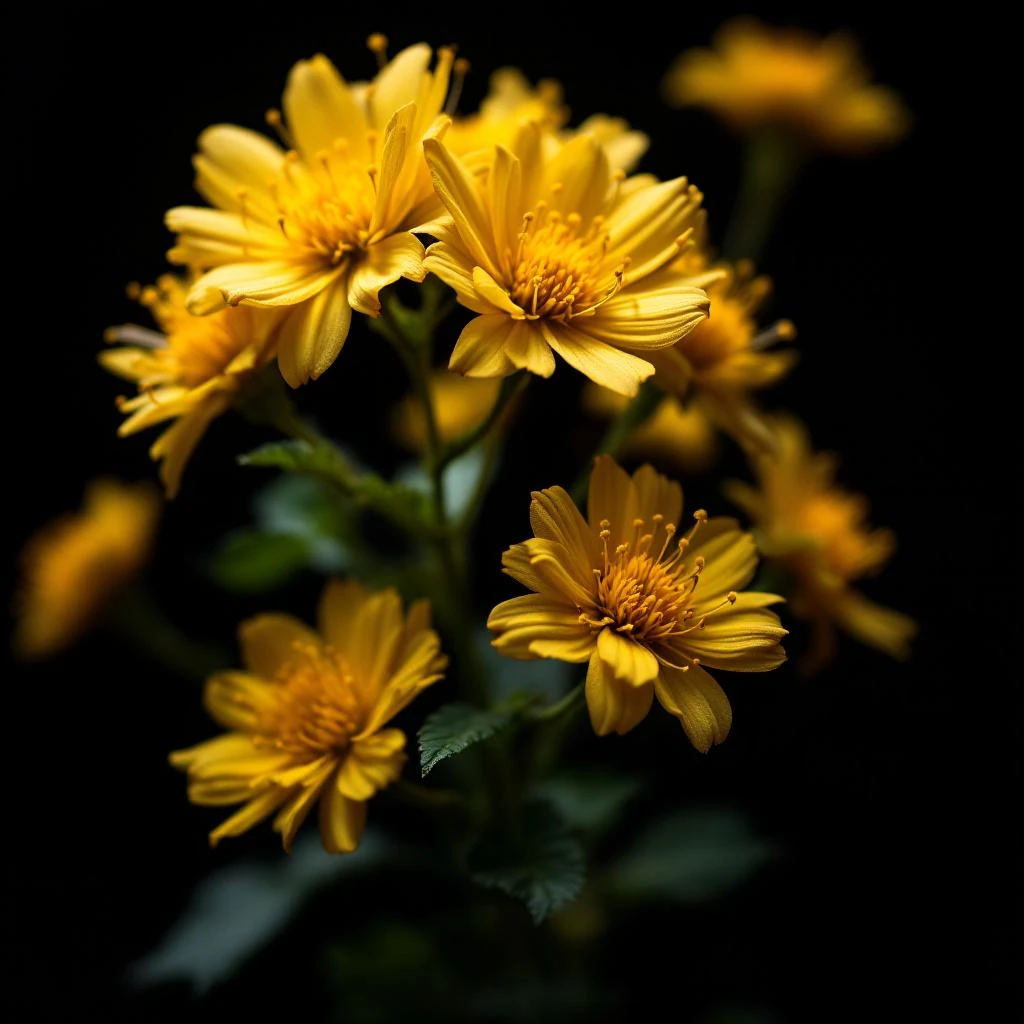
Sun-warmed wildflower nectar from Provençal lavender fields, this golden honey captures the region's botanical soul. Its warm, balsamic sweetness brings remarkable depth and a natural animalic undertone rarely found in single-flower varietals.
Character
How it smells
Botanical nectar distilled into liquid gold
The oldest known perfume recipe, dating to 1500 BCE, lists honey as a primary ingredient among nine components.



Origin
France
Honey ranks among the oldest materials in aromatic history. The Ebers Papyrus records the first perfume formula from approximately 1500 BCE, combining nine ingredients boiled in honey. Ancient Egyptian priests used honey-based unguents for sacred rituals, establishing a precedent that continued through Greek and Roman civilizations.
Within Provence specifically, a distinct aromatic tradition developed around the region's unique floral ecology and the proximity to Grasse. Perfumers in Grasse began incorporating locally harvested honey into their compositions during the 17th century, when the city emerged as Europe's perfume capital. The soft, aromatic honey produced by bees foraging on lavender-covered hillsides offered qualities unavailable elsewhere.
By the 1850s, lavender cultivation expanded significantly across Provence, intensifying the region's honey production. The iconic purple fields surrounding Grasse became synonymous with Provençal aromatic identity, and honey harvested from these pollinated landscapes carried subtle floral and herbaceous dimensions distinctive to the terroir. Today's perfumers continue sourcing honey from these time-honored apiaries to capture that singular Provençal character in their formulations.
Wears it best
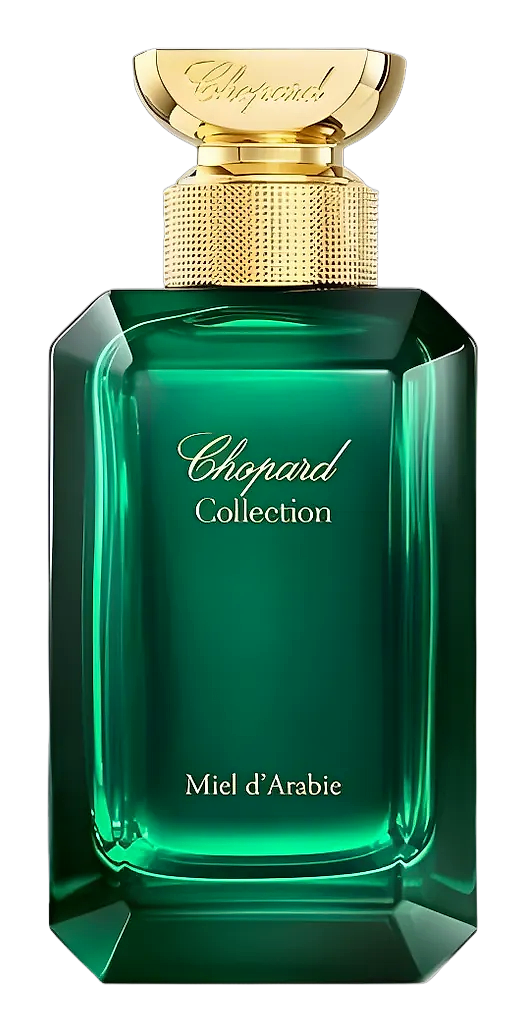
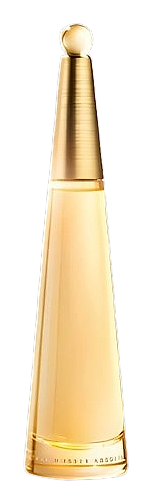
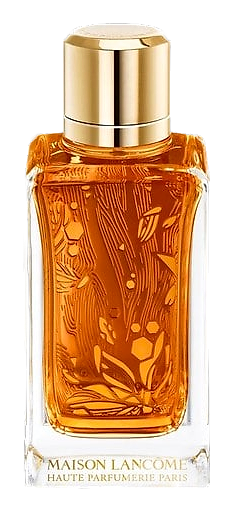
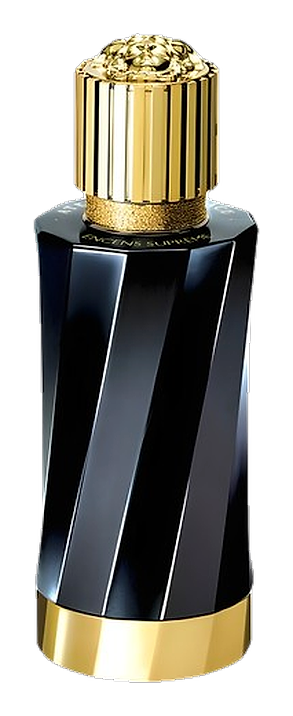
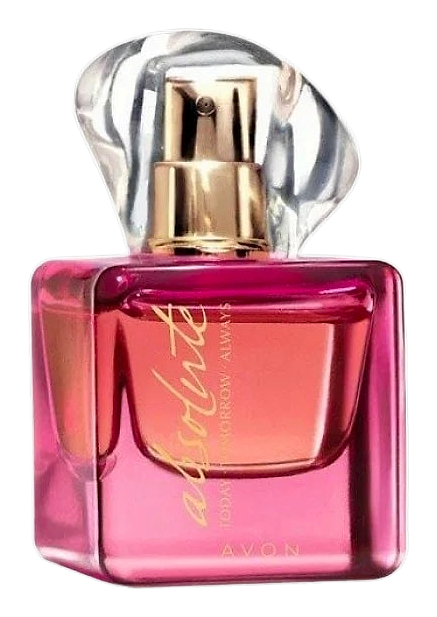
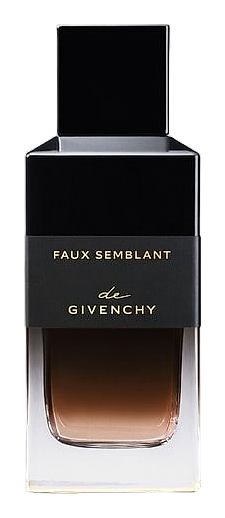
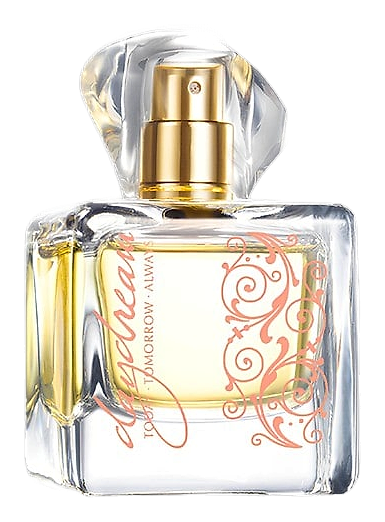
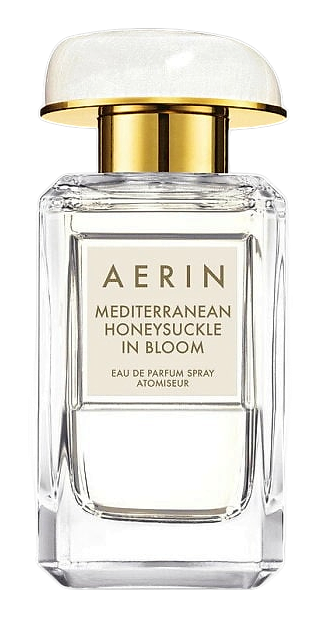
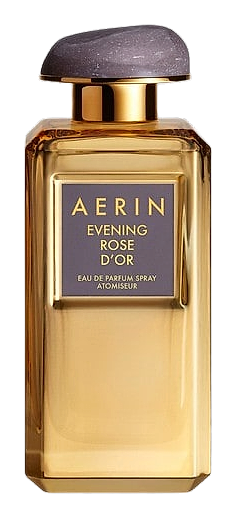
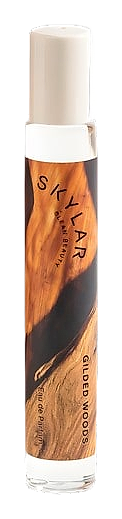
Fragrances featuring Provençal Honey


Good to know
Questions, answered
The essentials on Provençal Honey in perfumery: how it smells, where it comes from, and how it behaves on skin.
What is Provençal honey used for in perfumery?
Provençal honey appears in fine fragrances as a warm base note providing sweetness, depth, and subtle animalic warmth. Its amber quality makes it valuable in oriental fragrances, chypres, and gourmand compositions seeking natural complexity.
How is honey processed for use in fragrance?
Perfumers extract honey's aromatic compounds using solvent extraction, producing a beeswax absolute that captures the sweet, warm notes while eliminating sugar content. This material blends seamlessly with other base notes including sandalwood, vanilla, and benzoin.
What flowers do Provençal bees forage on?
Bees in this region primarily gather nectar from lavender fields, wild thyme, rosemary, and Mediterranean flora. This botanical diversity creates honey with distinctive herbal and floral undertones unlike monofloral varieties.
Is Provençal honey commonly found in perfumes?
Honey absolute ranks among less common perfumery materials, appearing selectively in luxury fragrances. It features notably in Serge Lutens' Miel de Bois, Thierry Mugler's Les Exceptions chypre ranges, and various artisan houses emphasizing natural Provençal aromatics.
What scent profile does honey absolute contribute to fragrances?
Honey absolute delivers a warm, sweet, slightly balsamic aroma with amber undertones and faint animalic richness reminiscent of beeswax. It acts as a natural fixative, extending the longevity of lighter top notes in a composition.
How long has honey been used in perfumery?
Honey appears in the oldest known perfume recipe, documented on the Ebers Papyrus around 1500 BCE. Greek and Roman civilizations similarly incorporated honey into aromatic preparations centuries before modern extraction techniques emerged.
Does Provençal honey vary between harvests?
Yes, like fine wine, Provençal honey reflects seasonal conditions and bloom patterns. A wet spring produces different aromatic characteristics than a dry season, creating subtle batch variations that perfumers embrace as natural expression of terroir.
What other ingredients pair well with honey in fragrance formulation?
Honey absolute harmonizes with vanilla, labdanum, tonka bean, and amber notes in oriental bases. In chypre compositions, it bridges lavender and bergamot top notes with cistus and oakmoss foundations, adding warmth and tactile dimension.