Porcelain
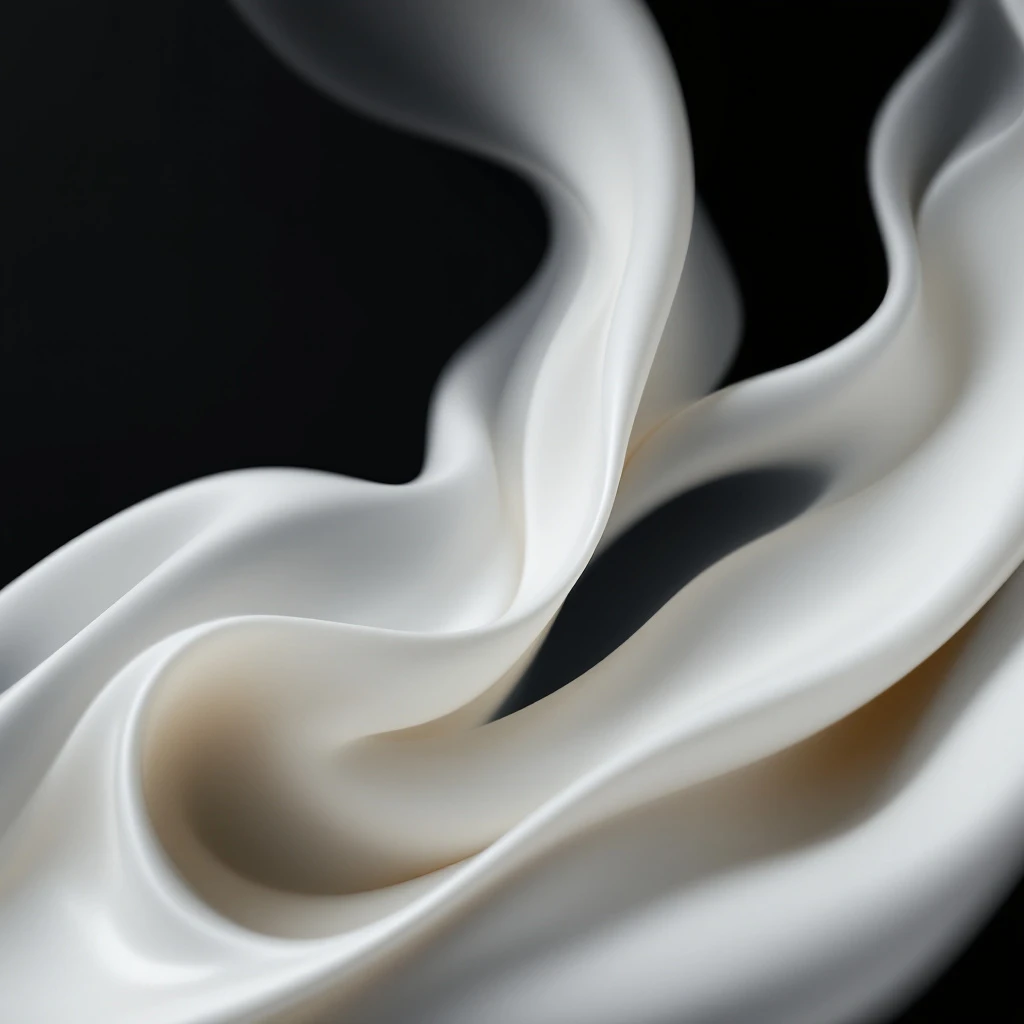
A conceptual fragrance effect combining cool, powdery florals, aldehydes, and skin musks. It evokes the smooth, cold elegance of fine china rather than describing a single ingredient. Perfumery creates this illusion through materials like orris butter, aldehydes, and synthetic musks that together suggest glazed clay and clean skin.
Character
How it smells
Clean, powdery, quietly luxurious.
Orris butter takes 3 to 5 years to develop in the root before harvest.

Origin
Italy
The metaphorical link between perfumery and porcelain crystallized in 18th century France, when both crafts reached new heights of sophistication in Parisian salons. The clean, refined surface of fine ceramics offered perfumers a natural vocabulary for describing the most delicate fragrances of the age. Early French perfumers noticed that certain aldehydic bouquets, when properly composed, produced a sensation analogous to running a finger across polished clay: smooth, cool, and seemingly without texture.
The effect achieved formal recognition when Chanel No. 5 debuted in 1921. Its generous aldehydic character produced a clean, bright quality that contemporary reviewers described as smelling like porcelain, establishing the term as a durable descriptor within the fragrance lexicon. The sensory parallels are genuine: both porcelain and these compositions share coolness, smoothness, and a mineral quietude that feels almost invisible.
Modern perfumery captures this effect through specific materials rather than actual porcelain. Orris butter brings powdery floral depth. Synthetic aldehydes supply bright, almost metallic cleanliness. Soft musks recreate the warmth of skin against cool clay. In East Asia, where porcelain originated as a craft tradition, this confluence of aesthetics carries additional cultural resonance, aligning with longstanding ideals of purity and refinement in both ceramic and aromatic traditions.
Wears it best
Fragrances featuring Porcelain

Brands
Brands known for Porcelain
Good to know
Questions, answered
The essentials on Porcelain in perfumery: how it smells, where it comes from, and how it behaves on skin.
What does Porcelain smell like in perfume?
Porcelain evokes the scent of cool, glazed clay combined with powdery florals. It blends iris and violet leaf notes with aldehydic brightness and skin-like musks, producing a clean, smooth impression similar to running a finger across fine china. The overall effect is cool, refined, and barely perceptible yet distinctly present.
Why is Porcelain used in perfumery?
Porcelain adds a cool, refined quality that elevates a fragrance's elegance. It bridges the gap between skin and air with a light, ethereal presence. Modern perfumers use it to create an impression of clean sophistication, combining materials like orris butter, aldehydes, and musks to achieve the effect without using actual ceramic.
Is Porcelain in perfume natural or synthetic?
Porcelain is a conceptual effect, not a raw ingredient. Most elements creating this impression are synthetic, including modern aldehydes and white musks. The natural counterpart is orris butter, which takes 3 to 5 years to develop in the rhizome before harvest. Most perfumers achieve the effect through laboratory-created aromatic molecules.
What famous perfumes contain Porcelain?
Chanel No. 5 (1921) established the aldehydic, porcelain-like aesthetic as a cornerstone of modern perfumery. Contemporary fragrances like Dior J'adore and Byredo Gypsy Water also explore this cool, powdery territory. The effect appears across many luxury and niche fragrances that emphasize clean elegance.
Is Porcelain a top note, heart note, or base note?
Porcelain functions primarily as a heart note in most fragrance constructions. The aldehydic brightness provides initial lift, while the powdery florals and musks develop over the first 30 minutes and remain throughout wear. The impression shifts subtly from bright to warm as the composition evolves on skin.
What notes pair well with Porcelain in perfume?
Porcelain harmonizes with soft florals including peony, magnolia, and violet. It blends seamlessly with skin musks, sheer woods like cedar and sandalwood, and fresh green notes. These combinations reinforce the clean, powdery finish that defines the porcelain aesthetic in fragrance.
Where does Porcelain come from?
Porcelain is not a single material but an artistic effect created by perfumers. Its most prized natural component, orris butter, originates from Iris germanica florentina cultivated in Tuscany, Italy. The rhizomes are harvested, aged for years, and extracted before being combined with aldehydes and musks to produce the porcelain impression.
Is Porcelain used in men's or women's fragrances?
Porcelain notes appear across gender categories in contemporary perfumery. The effect traditionally anchored feminine aldehydic florals but now defines many unisex compositions emphasizing clean sophistication. The cool, powdery quality reads as elegant rather than masculine or feminine, appealing to wearers seeking understated refinement.