Polynesian Vanilla Absolute
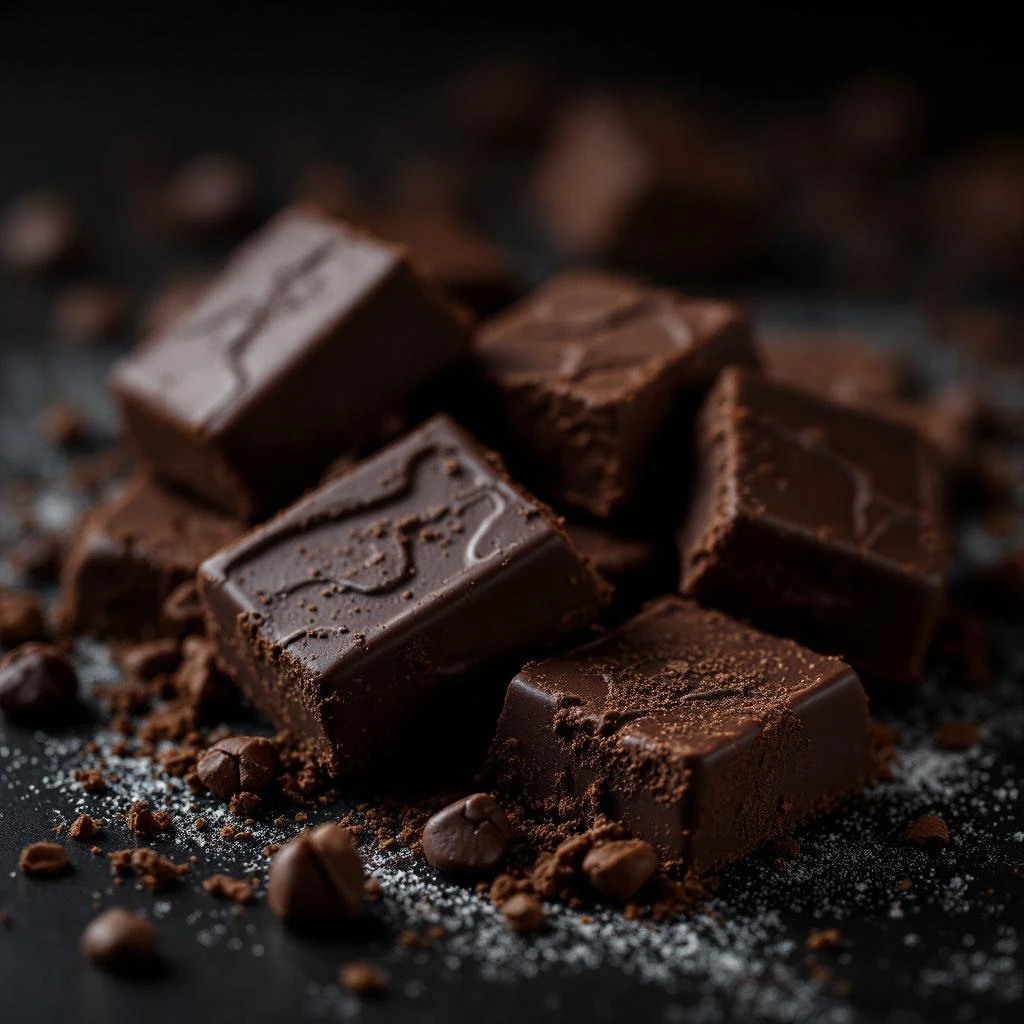
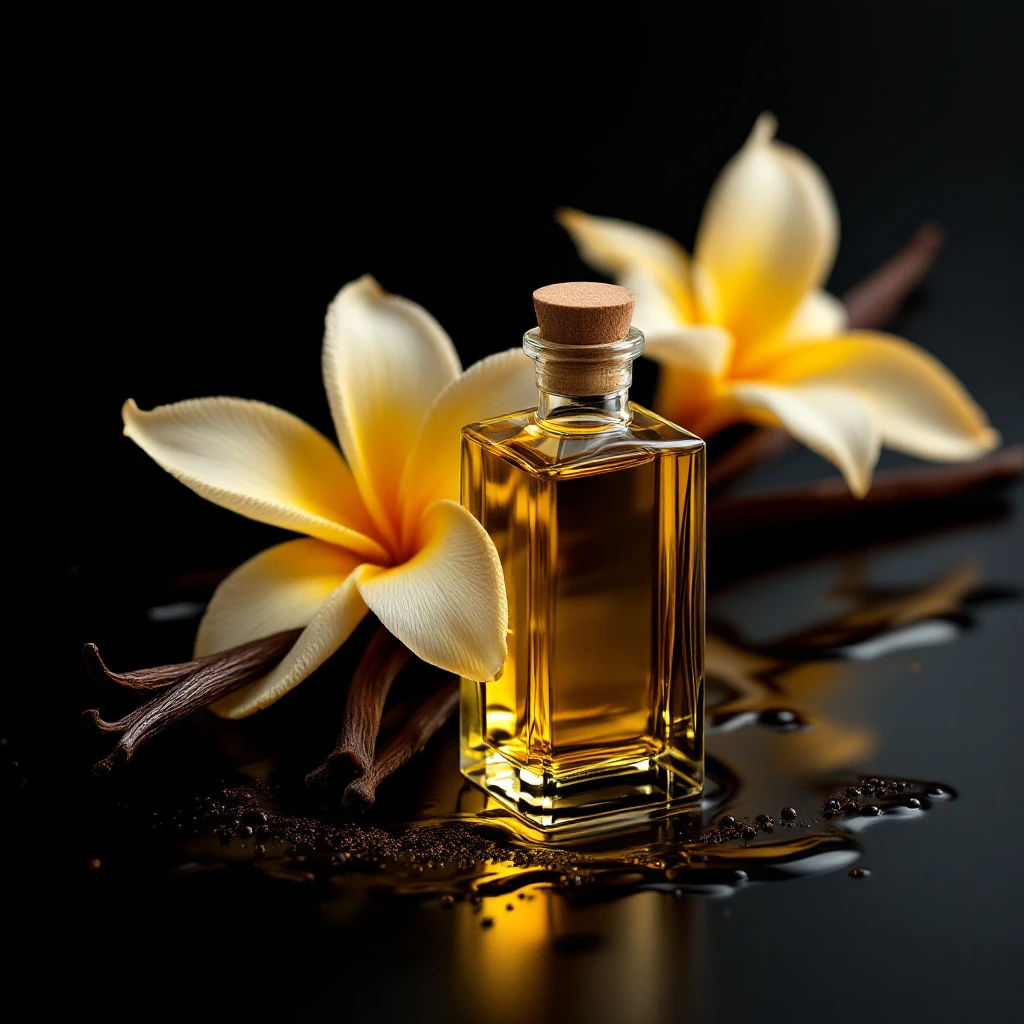
Polynesian Vanilla Absolute captures the rich, resinous soul of cured Vanilla planifolia pods from the South Pacific. This solvent-extracted absolute delivers a deeper, more complex warmth than alcohol-based vanilla, lending fragrances a sensual, almost edible depth that lingers on skin for hours.
Character
How it smells
The deep, resinous heart of the Pacific vanilla pod.
Each vanilla orchid flower must be hand-pollinated. Without this labor-intensive step performed by workers with a single wooden stick, the plant sets no fruit at all.
Pairs beautifully with
Origin
French Polynesia
Vanilla traces its roots to the orchid forests of Mesoamerica, where the Totonac people first cultivated it centuries before European contact. The Aztecs prized vanilla-flavored chocolate so highly it became a form of tribute currency.
Spanish conquistadors carried vanilla to Europe, where it remained a rare luxury for two centuries because Mexican vanilla orchids required a specific bee species for pollination. The solving of that problem in 1841 on Reunion Island, using a simple hand-pollination technique with a stick, triggered global expansion.
French Polynesian cultivation began in the mid-19th century, establishing a niche market for Pacific-grown vanilla known for its slightly different aromatic profile compared to Madagascar production. By 1921, vanillin appeared in Guerlain's Jicky, but the natural absolute has always commanded a premium for its complexity, containing dozens of aromatic compounds no synthetic can fully replicate.
Wears it best
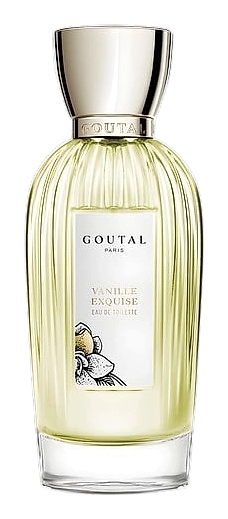
Fragrances featuring Polynesian Vanilla Absolute
Brands
Brands known for Polynesian Vanilla Absolute
Good to know
Questions, answered
The essentials on Polynesian Vanilla Absolute in perfumery: how it smells, where it comes from, and how it behaves on skin.
What does Polynesian Vanilla Absolute smell like?
It smells warm, creamy, and deeply resinous with sweet undertones that are more complex and less linear than synthetic vanillin. The Polynesian origin adds subtle floral and slightly smoky nuances that distinguish it from Madagascar vanilla.
How is vanilla absolute different from vanilla extract used in cooking?
Food vanilla extract uses alcohol or water to pull aroma compounds from pods. Perfume-grade vanilla absolute uses food-grade solvents like hexane, producing a much higher concentration of aromatic material in a viscous, dark form.
Why is vanilla so expensive?
Each flower requires individual hand-pollination, and the pods need six to nine months of curing before they develop their aroma. This labor makes vanilla the second-most expensive spice after saffron by weight.
Is Polynesian Vanilla Absolute natural or synthetic?
It is entirely natural, extracted from cured Vanilla planifolia pods grown in French Polynesia. Some fragrances use synthetic vanillin as a cost-effective alternative, but it lacks the full aromatic complexity of the natural absolute.
What fragrances feature Polynesian Vanilla Absolute?
Several niche and artisan houses specify Polynesian origin for their vanilla materials. It appears in warm, sensual fragrance compositions where depth and longevity matter more than sheer sweetness.
How many compounds are in vanilla absolute?
Vanilla absolute contains between 275 and 400 aromatic compounds depending on extraction method and origin, placing it among the most chemically complex natural ingredients used in perfumery.
Can vanilla absolute be blended with other materials?
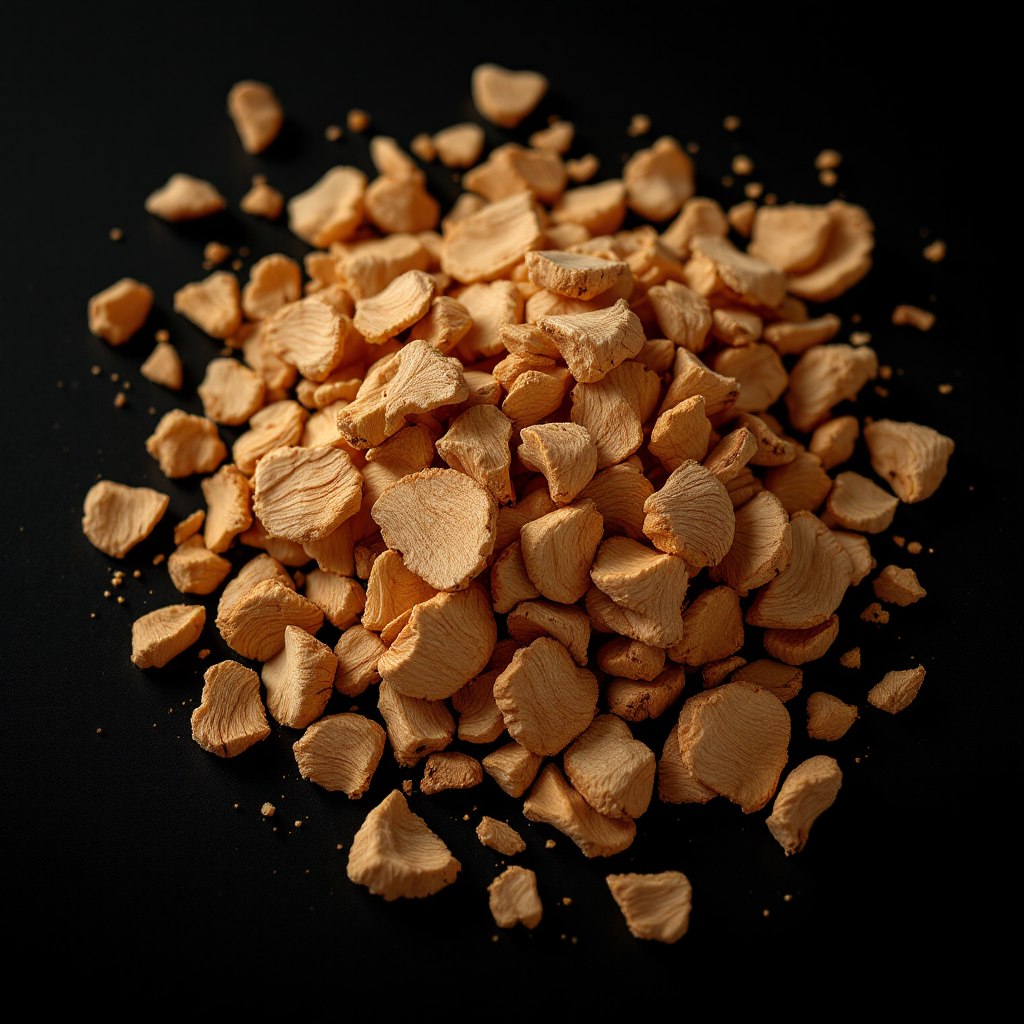
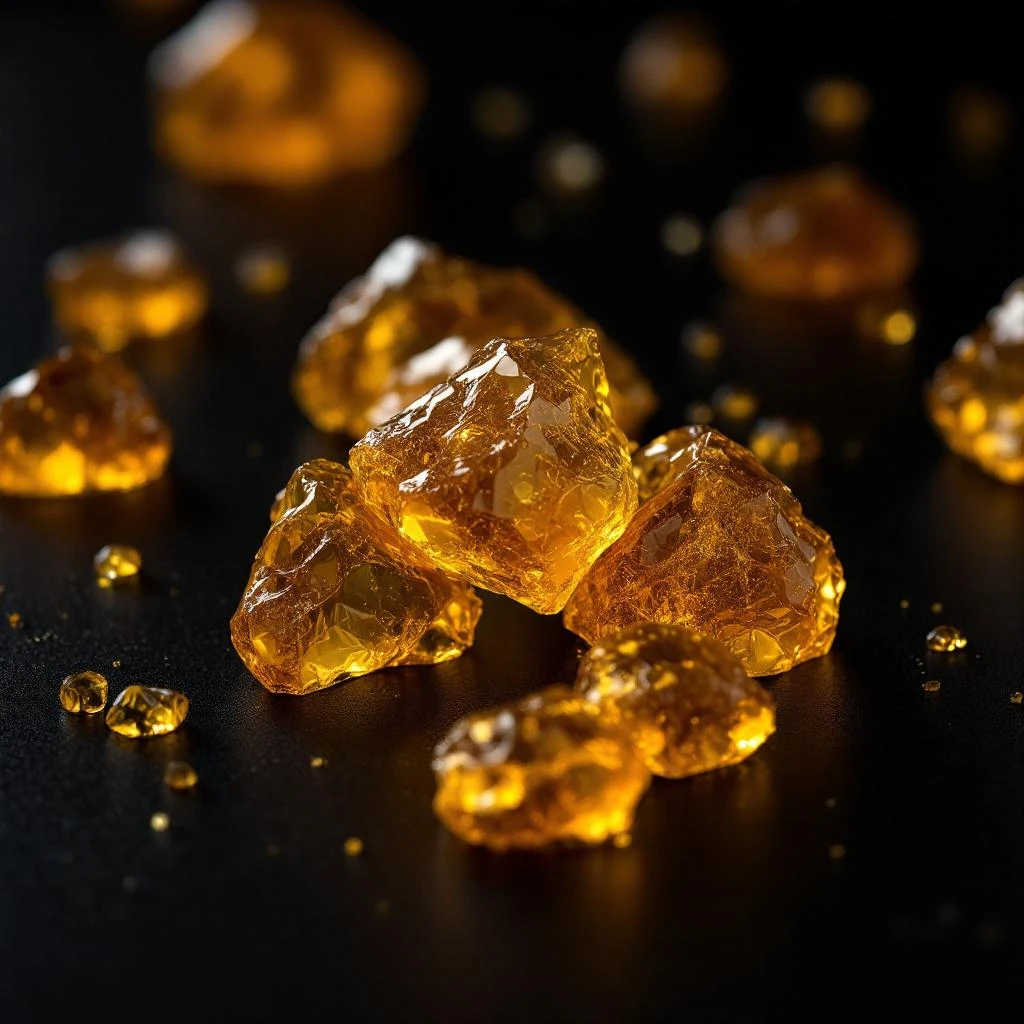
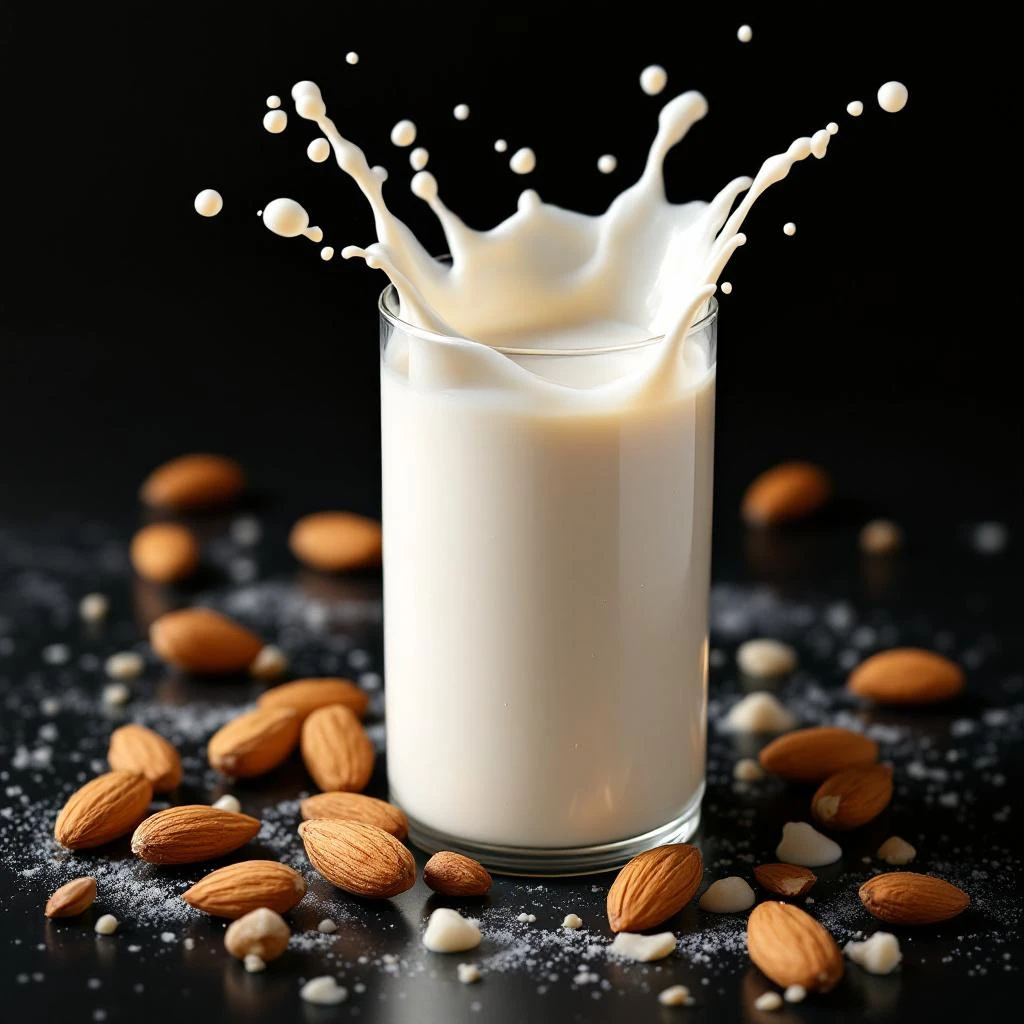
It blends exceptionally well with Oriental resin materials like benzoin and tolu, woody notes such as sandalwood, and florals including ylang ylang. These pairings amplify its warmth while adding structural complexity.
Does the origin of vanilla affect the final scent?
Yes. Soil composition, climate, and curing traditions all influence the aromatic profile. Polynesian vanilla tends toward a softer, more floral character compared to the bold, raisiny sweetness of Madagascar vanilla.