Pink Clay
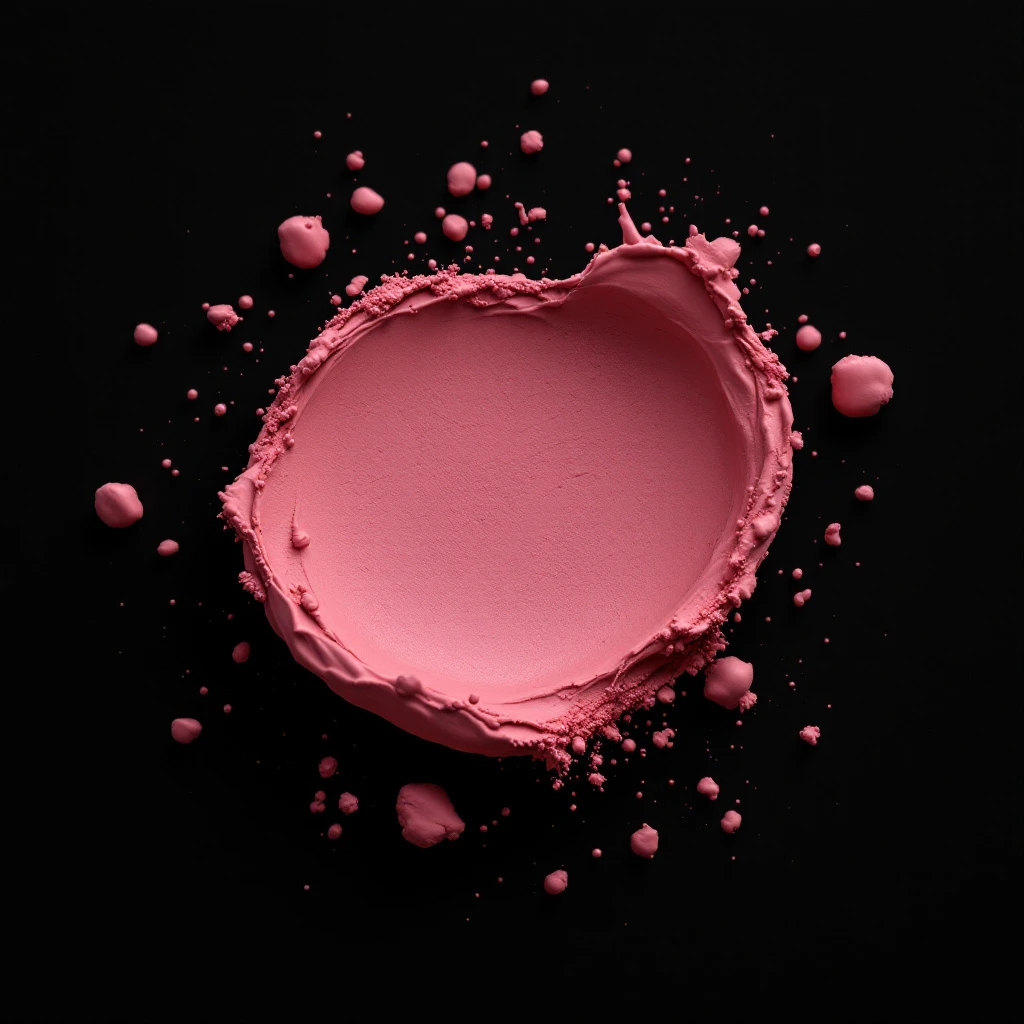
Pink Clay brings an earthy minerality to fragrance, offering warm, powdery softness that grounds bright top notes and extends their presence on skin. A modern perfumery element with ancient mineral origins.
Character
How it smells
Warm mineral softness that grounds and endures
Pink Clay gets its color from trace iron oxide, and some artisan perfumers use it in solid perfume formulations as a natural fixative base.



Origin
Australia
While clay has served humanity since prehistoric times, its use in perfumery represents a more recent evolution. Ancient civilizations valued various colored clays for ceremonial purposes, cosmetics, and medicinal applications.
The pink variety gained particular attention in modern cosmetics for its gentle properties compared to more absorbent green or white clays. Within contemporary natural perfumery, Pink Clay emerged as perfumers sought alternatives to synthetic fixatives and bases.
Its adoption reflects a broader movement toward mineral and earth-based ingredients that connect fragrances to natural origins. Australian and Brazilian Pink Clay varieties have become especially popular among independent perfumers experimenting with solid formats and oil-based preparations.
Wears it best
Fragrances featuring Pink Clay
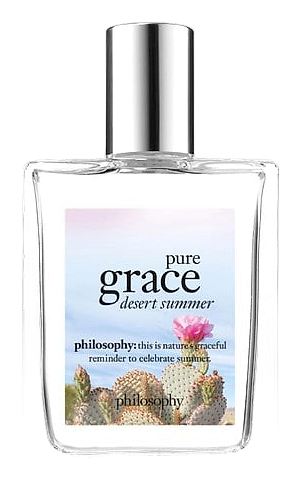
Brands
Brands known for Pink Clay
Good to know
Questions, answered
The essentials on Pink Clay in perfumery: how it smells, where it comes from, and how it behaves on skin.
What does Pink Clay smell like in fragrance?
Pink Clay itself has a very subtle earthy, mineral scent. In perfumery, it functions more as a fixative base than a fragrance material, helping other notes last longer while adding a soft, warm mineral undertone.
Is Pink Clay a natural or synthetic ingredient?
Pink Clay is completely natural, sourced from mineral deposits in Australia, Brazil, and other regions. It undergoes minimal processing to preserve its natural mineral composition.
What type of fragrances use Pink Clay?
Pink Clay appears primarily in natural, artisanal, and solid perfumes. It pairs well with woody, earthy, and floral compositions where a mineral undertone enhances depth and longevity.
Does Pink Clay have skincare benefits in fragrance?
Pink Clay is gentle and contains minerals that may benefit skin. This explains its use in solid perfumes and body mists where the product contacts skin directly.
How does Pink Clay function as a fixative?
Its porous mineral structure absorbs fragrance molecules and releases them gradually, extending how long top and heart notes remain perceptible on skin.
What extraction method produces Pink Clay for perfumery?
The process involves mining raw clay, then washing, purifying, and gently drying it at low temperatures to maintain mineral integrity without altering its scent-contributing properties.
Why do artisan perfumers choose Pink Clay over synthetic bases?
Pink Clay offers transparency in ingredient sourcing and appeals to consumers seeking natural alternatives. The mineral complexity also creates nuanced scent development that differs from synthetic fixatives.
Can Pink Clay replace other fixatives in formulas?
Pink Clay works best in solid or oil-based perfumes where its absorption qualities enhance longevity. In alcohol-based fragrances, perfumers typically rely on traditional fixatives instead.