Peony-rose
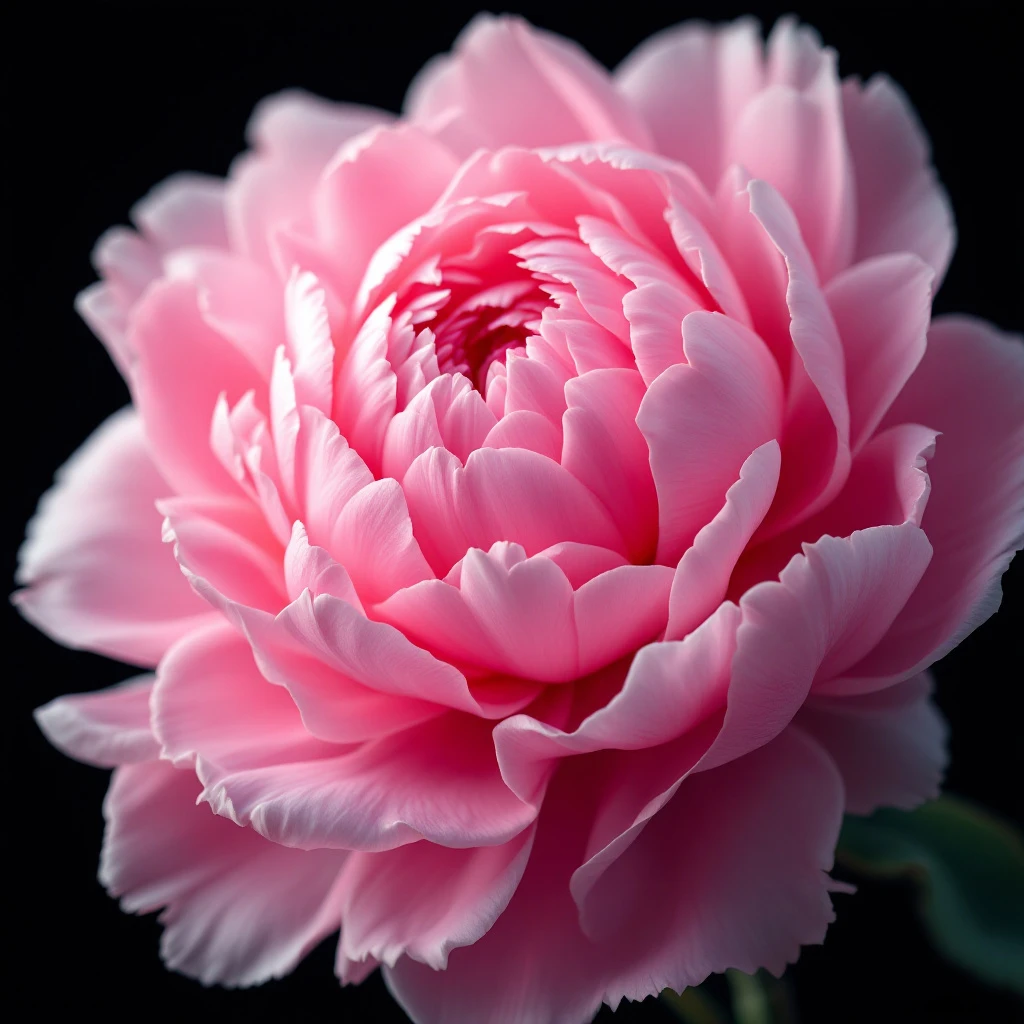
A reconstructed floral built from the ground up. Peony carries no extractable scent, so perfumers layer rose alcohols and absolute into a delicate illusion that captures the lush, airy essence of the spring bloom.
Character
How it smells
The flower you smell but cannot extract
Peony is one of perfumery's 'mute flowers'—its scent exists only in living blooms, never in an extract bottle.
Pairs beautifully with


Origin
France
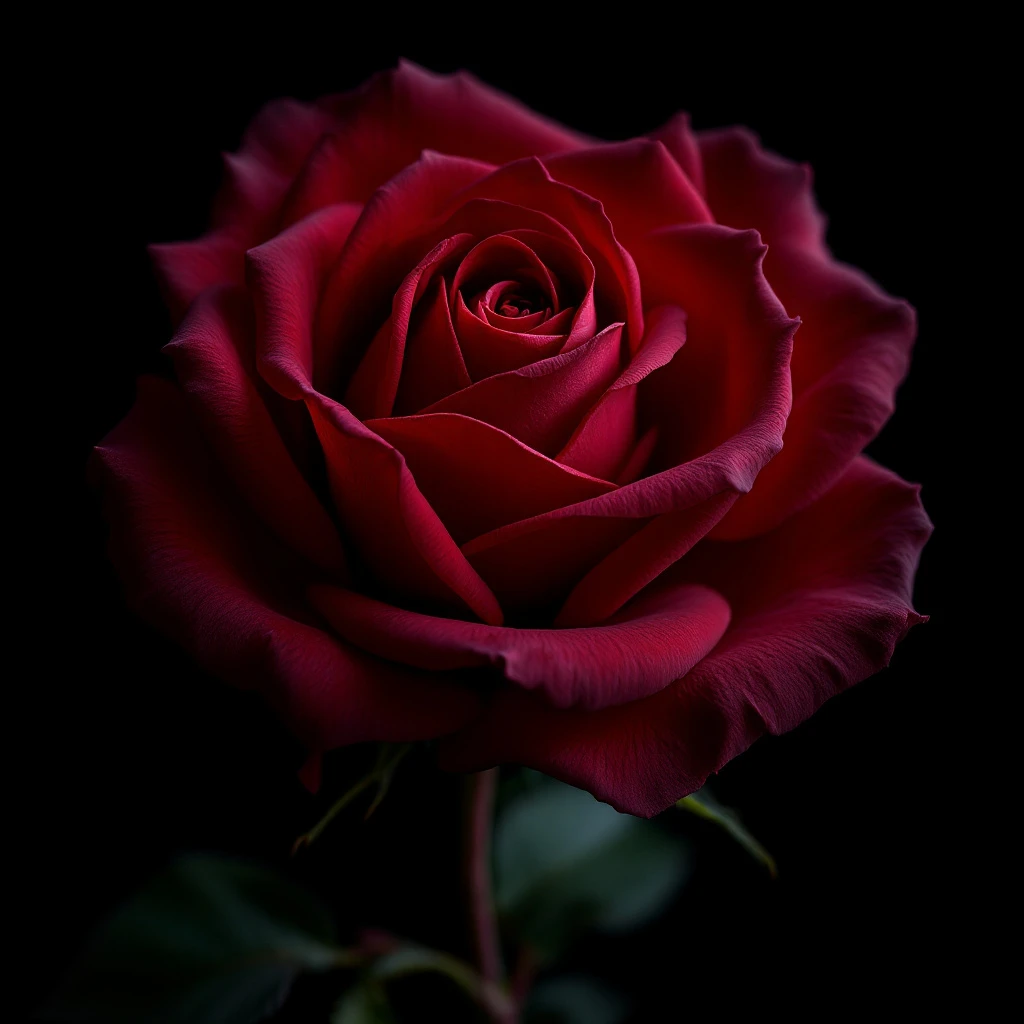
Roses have threaded through human civilization for millennia. Ancient Persians built legendary gardens; Egyptians used rose petals in cosmetics and burial rituals; Greeks linked the flower to Aphrodite; Romans perfumed their baths and wine with rose water. Peonies carried different significance.
In Traditional Chinese Medicine, peony root (baishao) treated night sweats, injuries, and digestive complaints. The flower itself symbolized honor, wealth, and prosperity across East Asia. In Western mythology, Paeon—a physician to Pluto—was transformed into a peony to protect him from jealous gods.
Yet neither flower offered perfumers what they wanted: peony refused to yield any extractable scent, and rose demanded intensive labor to capture. Modern perfumery solved both problems, creating the peony-rose accord through synthetic reconstruction and refined rose extraction. The combination emerged as a distinctly contemporary creation, marrying ancient floral royalty with 20th-century chemical artistry.
Wears it best
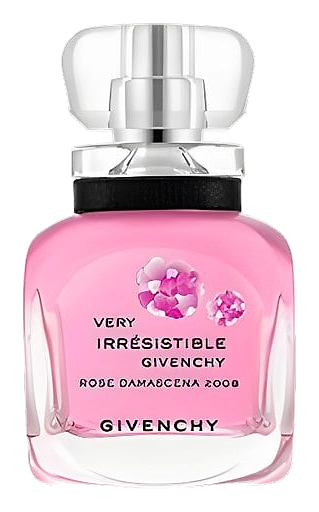
Fragrances featuring Peony-rose
Brands
Brands known for Peony-rose
Good to know
Questions, answered
The essentials on Peony-rose in perfumery: how it smells, where it comes from, and how it behaves on skin.
Is peony a natural fragrance ingredient?
No. Peony does not yield any extractable aroma. Every peony note in perfumery is synthetically reconstructed using rose alcohols, oxides, and supporting floral molecules.
What makes the peony-rose combination effective in perfumery?
Rose provides depth, warmth, and complexity while peony adds lightness and airiness. Together they create a balanced floral with both richness and freshness.
Which rose varieties are used in peony-rose fragrances?
Damask rose (Rosa damascena) from Bulgaria and Turkey provides the deepest, most complex rose character. Rosa centifolia from Morocco offers a more honeyed, spicy profile.
Does peony-rose smell more like peony or rose?
It depends on the formulation. Some fragrances emphasize peony's lightness for a modern, airy character; others build a richer rose-dominant structure with peony as a supporting note.
What seasons or occasions suit peony-rose fragrances?
These fragrances suit spring and summer wear particularly well. Their fresh, delicate character makes them popular for daytime use and warmer weather.
How does peony differ from rose in fragrance?
Rose carries deep, warm, honeyed complexity. Peony contributes bright, airy freshness. Rose is extractable and ancient in perfumery; peony exists only as a reconstruction.
What are the key aroma chemicals in peony reconstruction?
Citronellol and phenyl ethyl alcohol (PEA) form the rose foundation. Rosy oxide adds peony-like freshness. Lily of the valley molecules (hydroxycitronellal) reinforce the airy, green character.
Can men wear fragrances built around peony-rose?
Yes. Modern perfumery has moved beyond gendered floral associations. Peony-rose appears in unisex compositions and masculine fragrances that balance the floral with woody or aromatic counterpoints.




