Passion rose
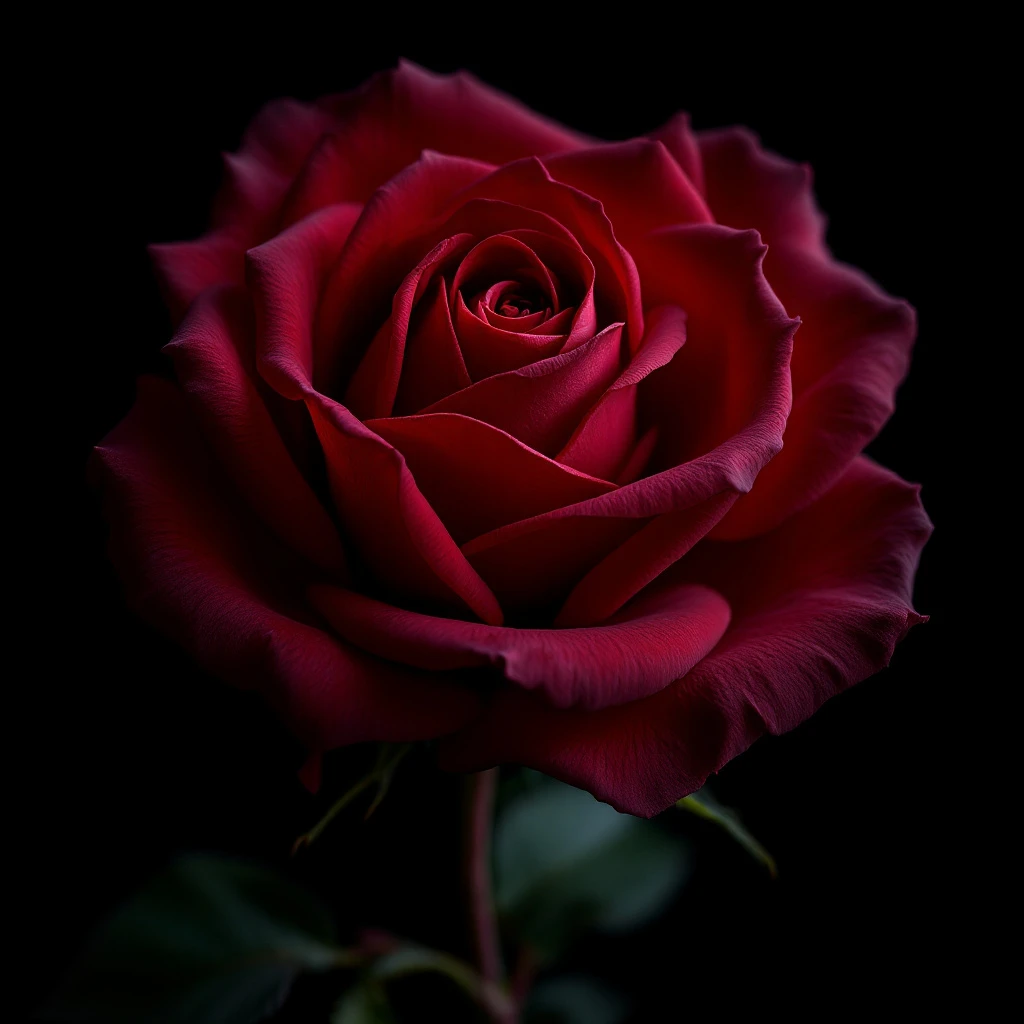
A bold, heady bloom that has seduced perfumers for millennia. From ancient empires to modern luxury fragrances, Passion Rose carries an intensity that transcends time.
Character
How it smells
Thousands of petals, one timeless essence.
It takes roughly 3,000 kilograms of rose petals to produce just 1 kilogram of rose otto.
Pairs beautifully with


Origin
Bulgaria
The Damask rose traces back to ancient Persia, where cultivation began around 800-600 BCE for sacred oils and medicinal preparations. Alexander the Great carried rose cultivation westward during the 4th century BCE. Greeks adorned their sanctuaries with rose garlands; Romans converted roses into a luxury obsession.
Emperor Nero reportedly spent fortunes on rose imports, drowning guests in petals at feasts. Egyptian beauty traditions also centered on rose preparations for skin and ritual use. The Ottoman Empire refined rose cultivation to an art, with Bulgarians perfecting the process in the Rose Valley near Kazanlak during the 17th-19th centuries.
By the 19th century, Bulgaria had become the undisputed world leader in rose otto production, a position it holds today. The valley's unique microclimate, nestled between Balkan mountain ranges, creates ideal growing conditions. Bulgarian rose harvesting became a cultural ritual, with families passing knowledge across generations.
Wears it best
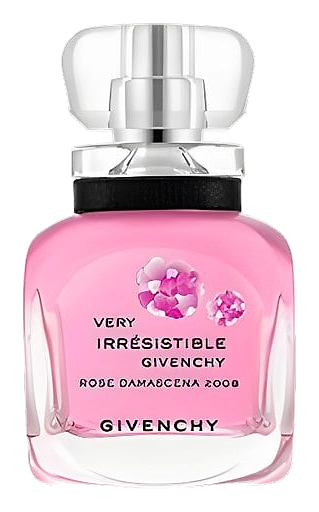
Fragrances featuring Passion rose
Brands
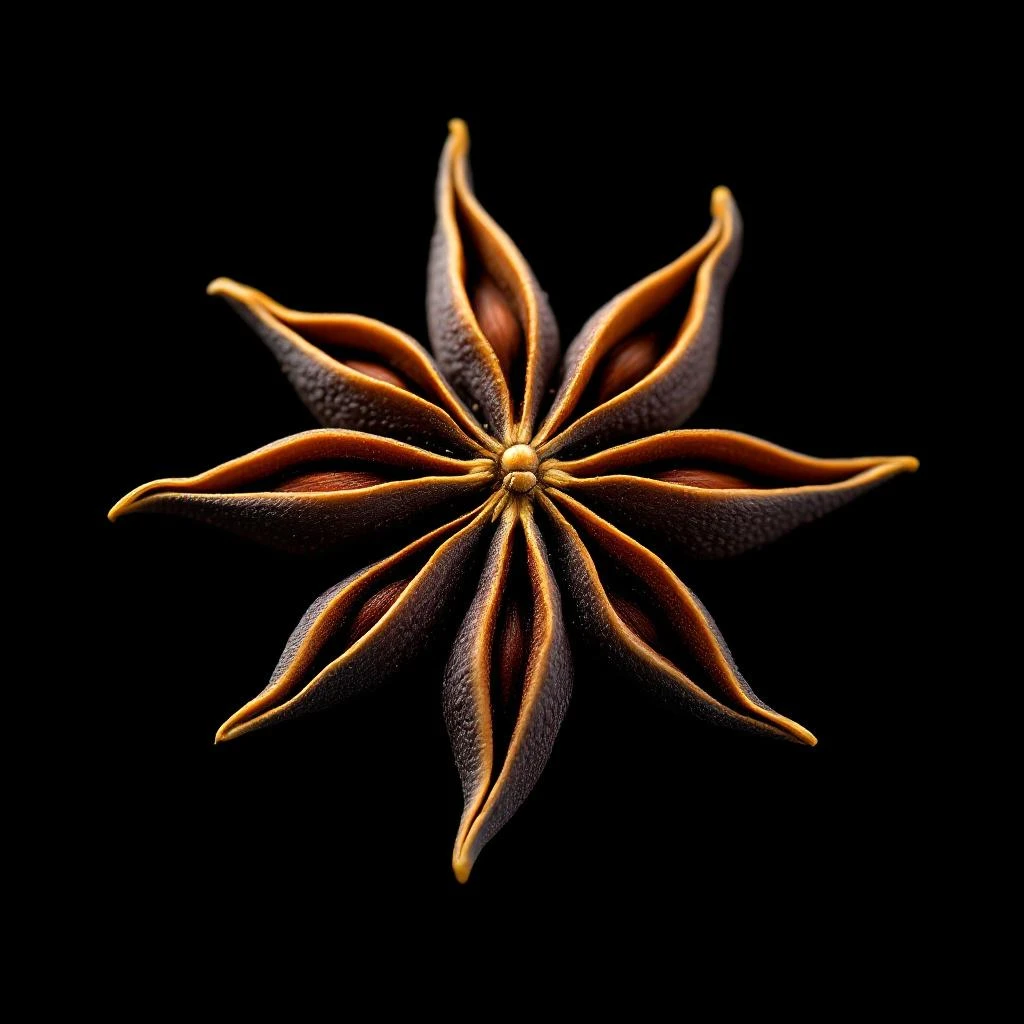
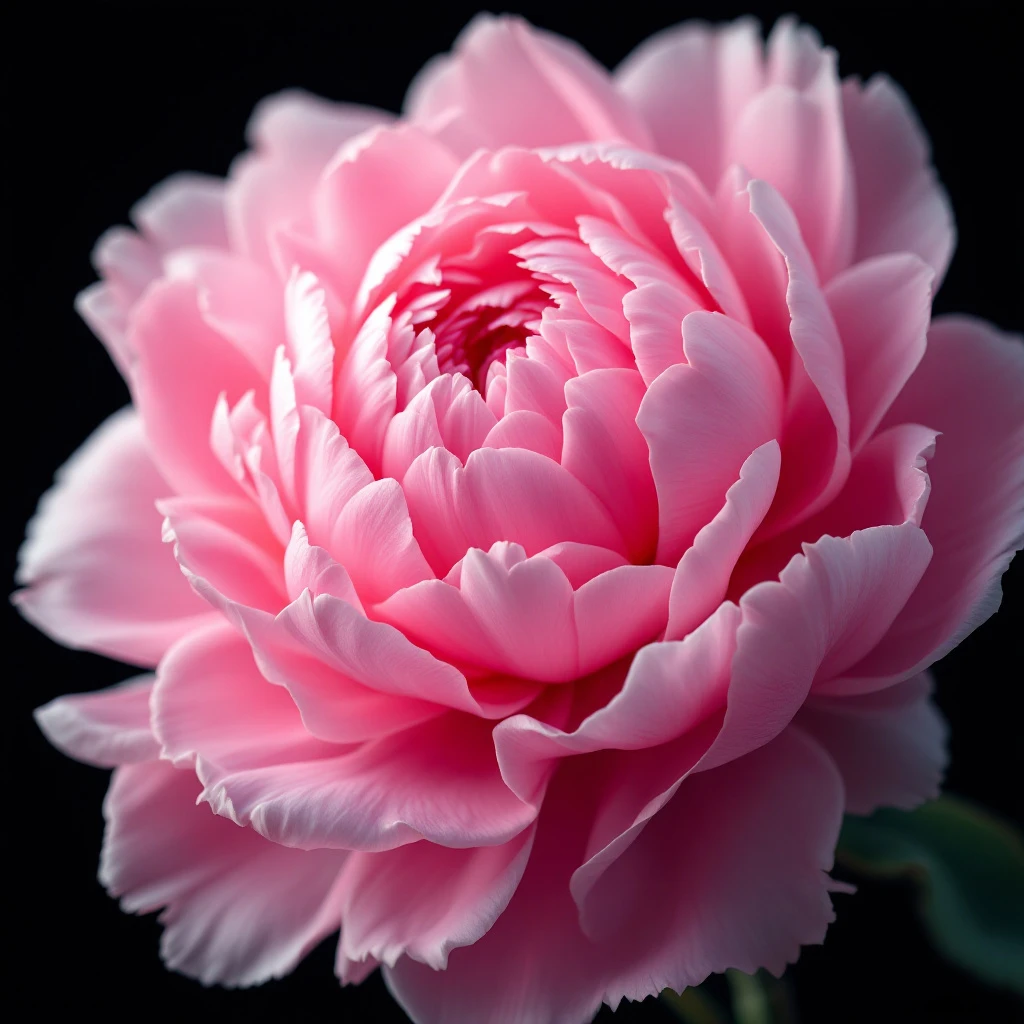
Brands known for Passion rose
Good to know
Questions, answered
The essentials on Passion rose in perfumery: how it smells, where it comes from, and how it behaves on skin.
What extraction methods produce rose absoluta versus rose otto?
Rose absoluta comes from solvent extraction, where petals release their aromatic compounds into hexane or similar solvents, yielding a thick, intensely fragrant absolute. Rose otto is obtained through steam distillation, where water and heat carry the oil from petals, creating a lighter, more delicate product.
How much rose is needed to produce 1 kilogram of rose otto?
It requires approximately 3,000 kilograms of fresh rose petals to produce just 1 kilogram of rose otto, roughly 5 million individual blooms, reflecting why rose otto commands premium prices.
Which countries produce rose otto commercially?
Bulgaria dominates global production with over 90% of the world's rose otto from the Rose Valley near Kazanlak. Turkey serves as the second-largest producer, with smaller contributions from Morocco, Iran, and India.
How does Rosa damascena differ from Rosa centifolia in perfumery?
Rosa damascena offers warm, honeyed complexity with citrus and spice undertones, prized for rose otto production. Rosa centifolia provides a greener, more delicate profile with sweet hints, typically processed as absolute in Grasse, France.
When is rose harvested and why does timing matter?
Roses are harvested during a three-week window in May and June, exclusively before noon. The timing matters because oil concentration peaks when morning dew has evaporated but before afternoon heat dissipates the delicate aromatic compounds.
What role did ancient civilizations play in rose cultivation?
Persians began cultivating roses around 800-600 BCE for sacred oils. Greeks and Romans adopted roses for luxury and religious purposes. Egyptians incorporated rose into cosmetics and beauty rituals, establishing a cultural precedent that shaped modern perfumery.
Why does the Rose Valley in Bulgaria produce such exceptional rose oil?
The Rose Valley sits at 500-800 meters elevation between Balkan mountain ranges, creating a microclimate with cool nights and warm days, humid air, and mineral-rich soil. These specific conditions stress the Rosa damascena plants, concentrating oil production in the petals.
Is rose absoluta considered a natural ingredient?
Both rose otto and rose absoluta are classified as natural ingredients. Rose otto uses only steam and water in the extraction process. Rose absoluta involves solvent extraction but uses food-grade ethanol in the final purification stage, leaving no solvent residue in the finished product.