Pelargonium Leaf
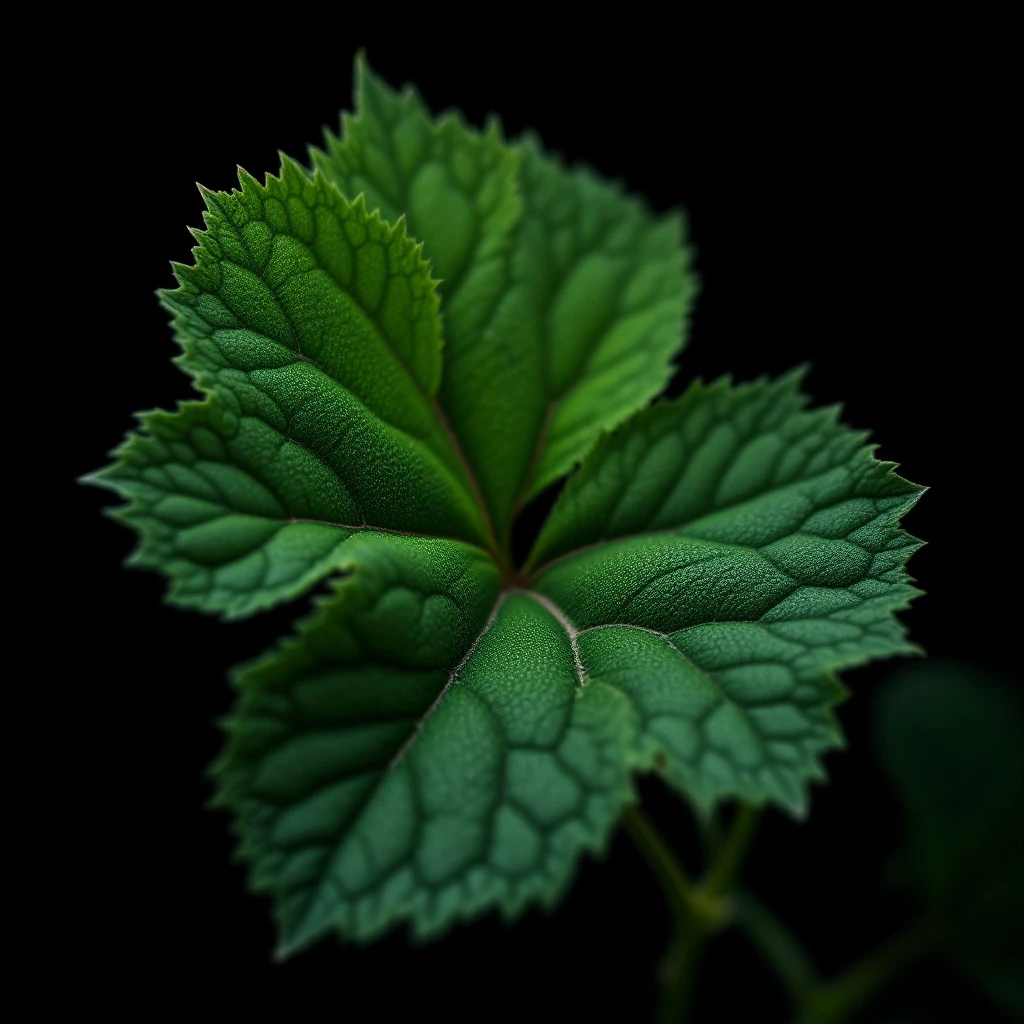
The green, rosy-leafy note that makes fragrances feel freshly cut. Pelargonium leaf brings a crisp, herbaceous warmth that bridges top and heart notes with surprising depth.
Character
How it smells
Green, rosy, and endlessly versatile.
Pelargoniums belong to the Geraniaceae family but share no botanical relation with the rose. Their rose-like scent comes entirely from geraniol, a compound also found in roses.




Origin
Madagascar
Pelargoniums trace their roots to South Africa, where over 750 species grow wild across the Cape region. European botanists first encountered them in the 17th century, and the plants quickly became prized ornamentals in continental gardens.
French cultivators in Grasse began distilling pelargonium leaves in the 19th century, initially marketing the product as "otto of rose-leaf geranium" to appeal to the more expensive rose oil market. The commercial cultivation expanded significantly once perfumers recognized its versatility.
Today, Madagascar dominates production of premium pelargonium oil, though China, Egypt, and Morocco also contribute substantial volumes to global supply. The ingredient remains a cornerstone in both classical and contemporary perfumery, valued for its ability to add green, floral complexity without overwhelming a composition.
Wears it best
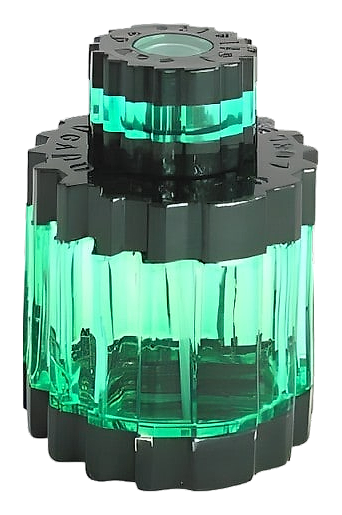
Fragrances featuring Pelargonium Leaf

Brands
Brands known for Pelargonium Leaf
Good to know
Questions, answered
The essentials on Pelargonium Leaf in perfumery: how it smells, where it comes from, and how it behaves on skin.
What does pelargonium leaf smell like?
Pelargonium leaf smells green, fresh, and herbaceous with rosy undertones. It combines the crispness of cut stems with a soft floral sweetness, making it resemble a blend of rose and mint without being either.
Is pelargonium the same as geranium?
In perfumery, the terms are used interchangeably for Pelargonium graveolens. True geranium (Geranium genus) is botanically different and rarely used in fragrance. The rose-like scent in both comes from geraniol, which is why pelargonium became a more affordable rose substitute in perfumery.
Where is pelargonium leaf oil produced?
Madagascar produces the highest quality pelargonium oil, particularly from high-altitude regions where cooler temperatures develop more complex aromatic profiles. China, Egypt, and Morocco also cultivate the plant commercially for essential oil production.
Why do perfumers use pelargonium leaf?
Pelargonium leaf adds green, floral complexity that few ingredients match. It bridges top and heart notes seamlessly, providing both freshness and warmth while anchoring lighter citrus elements in a composition.
What compounds give pelargonium its scent?
Geraniol dominates the scent profile at 60-70% of the oil composition, providing the characteristic rosy note. Citronellol adds a fresh, slightly citrus facet, while linalool contributes a subtle sweet herbaceousness.
Can pelargonium oil cause skin reactions?
Like many essential oils, pelargonium oil may cause sensitization in some individuals. The IFRA recommends a maximum concentration of 17.5% for leave-on skin products. Dilution is advised for topical use.
How long has pelargonium been used in perfumery?
French cultivators in Grasse began distilling pelargonium in the 19th century, marketing it as "otto of rose-leaf geranium" to position it alongside expensive rose absolutes. The practice of using scented pelargoniums for aromatic purposes dates back centuries earlier in South Africa.
Is there a synthetic alternative to pelargonium oil?
Synthetic geraniol replicates the primary aroma compound but lacks the full complexity of natural oil. Naturals contain trace constituents like sesquiterpenes that contribute depth and nuance synthetic versions cannot fully reproduce.