Pear ester
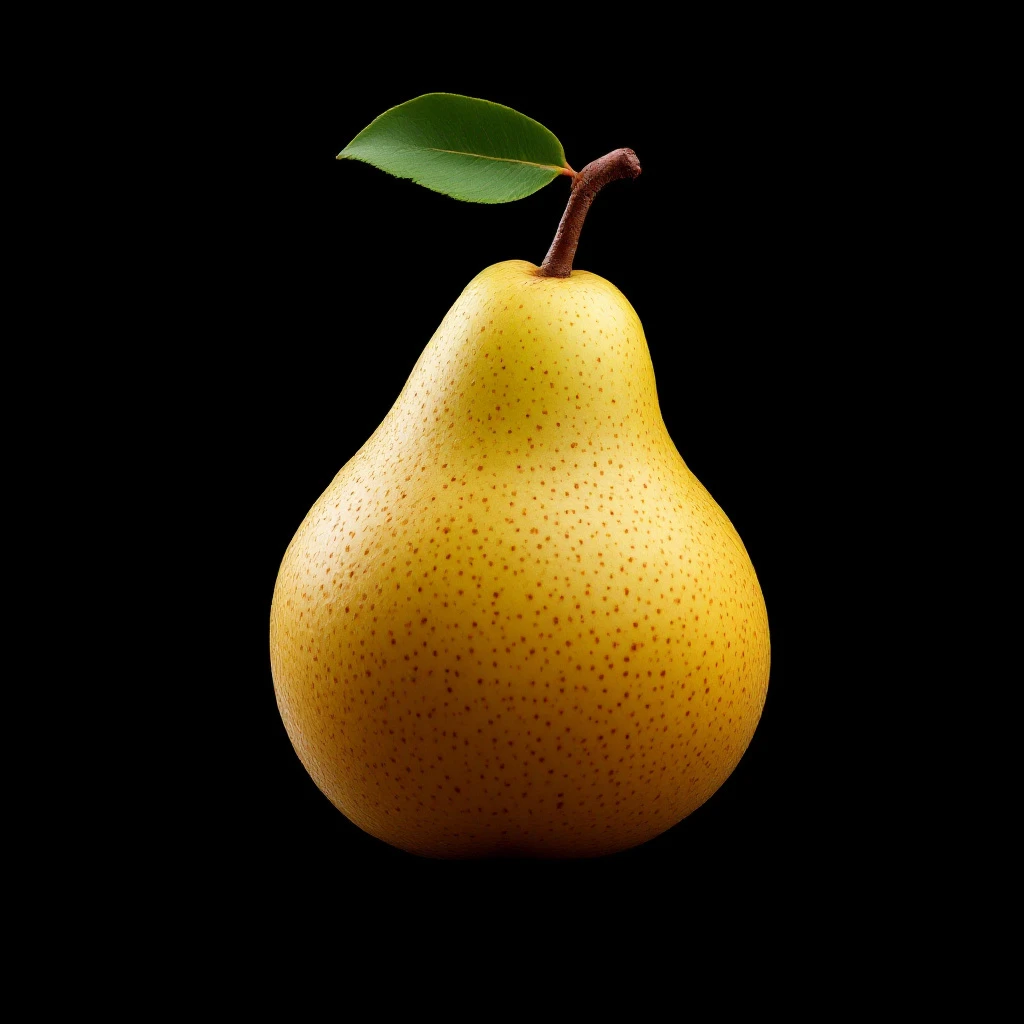
Pear ester captures the essence of a just-picked orchard pear: bright, juicy, unexpectedly complex for a material that cannot be extracted directly from the fruit.
Character
How it smells
Ripe orchard fruit in every facet
Natural pear extracts do not exist in perfumery. The fruit contains aromatic compounds at concentrations too dilute for conventional extraction.



Origin
United States
The chemistry of pear odor received focused attention as fragrance manufacturers expanded their synthetic capabilities in the early 20th century. Perfumers sought to capture the fresh, green-fruity character of orchard pears, but the fruit resisted conventional extraction methods.
Its aromatic compounds existed at concentrations too low for steam distillation or solvent extraction to yield useful results. This limitation drove chemists to analyze the molecular composition of pear aroma and develop synthetic alternatives.
Ethyl decadienoate emerged as the signature pear-mimicking compound, offering perfumers a reliable material to introduce crisp fruit notes into fragrance compositions. The development represented a broader shift in perfumery toward synthetic ingredients that could replicate natural scents without depending on botanical sources.
Wears it best
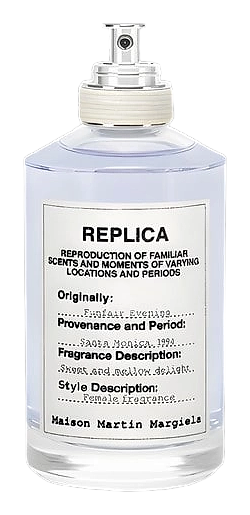
Fragrances featuring Pear ester
Brands
Brands known for Pear ester
Good to know
Questions, answered
The essentials on Pear ester in perfumery: how it smells, where it comes from, and how it behaves on skin.
What is pear ester?
Pear ester is ethyl decadienoate, a synthetic compound that reproduces the fresh, fruity aroma of ripe pears. Perfumers use it to introduce crisp orchard fruit notes without relying on natural extracts that do not exist for this material.
Is pear ester natural or synthetic?
Pear ester is entirely synthetic. Natural pear extracts do not exist in perfumery because the fruit contains its aromatic compounds at concentrations too dilute for conventional extraction methods.
What does pear ester smell like?
Pear ester smells like a ripe, just-cut pear with crisp green undertones. The scent is bright and diffusive, offering fresh orchard fruit character rather than sweet dessert notes.
How do perfumers use pear ester?
Perfumers use pear ester to add fresh, fruity top notes to fragrance compositions. It works particularly well in fruity and green scent families, where it lends authenticity and brightness to the opening phase.
Why do fragrances use synthetic pear instead of real pear?
Real pears contain aromatic compounds at parts-per-million concentrations, making steam distillation or solvent extraction impractical. Synthetic pear ester provides the same scent character with reliable consistency and potency.
What percentage of a fragrance contains pear ester?
Fragrance ingredients typically appear at concentrations ranging from trace amounts to over 10 percent depending on their function. Pear ester serves as a modifier at moderate usage levels to shape fruity character.
Which ingredients pair well with pear ester?
Pear ester combines naturally with other fruity and green materials such as apple esters, galbanum, and citrus oils. Woody and musky bases help anchor its bright character within a complete composition.
When did synthetic pear compounds enter perfumery?
Synthetic pear compounds entered perfumery during the mid-20th century as organic chemistry advanced. Ethyl decadienoate became the benchmark pear mimic and remains a standard ingredient in fruity fragrance formulations.