Patchouli Flower
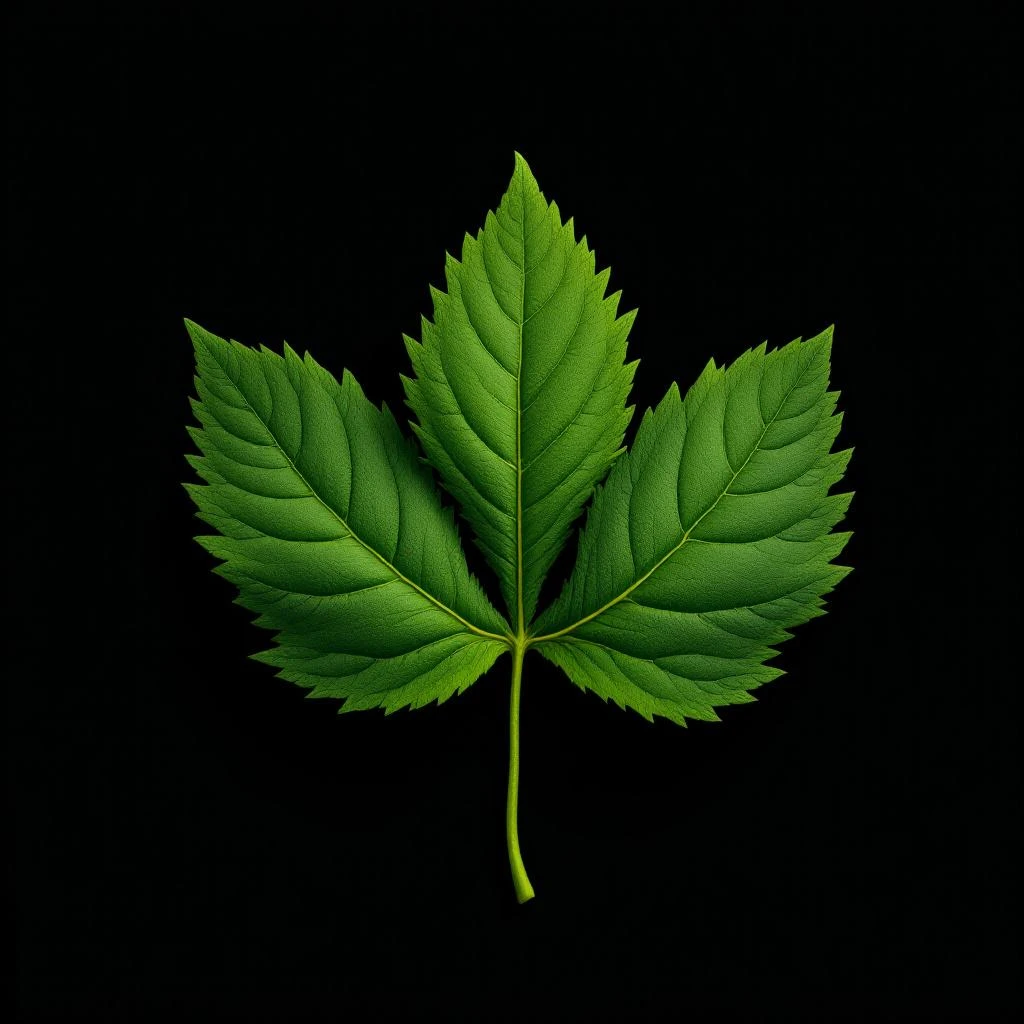
A rugged, aromatic shrub native to the Indonesian archipelago, patchouli's dried leaves yield a rich, earthy oil that has anchored perfumery for centuries. Its complex character—woody, balsamic, faintly sweet—transforms from sharp to velvety as the oil matures in the bottle.
Character
How it smells
The earthy icon that gets better with age.
Indonesia produces roughly 1,350 tons of patchouli oil annually—90% of global supply. The plant's name derives from Tamil: "patchai" (green) + "ilai" (leaf), meaning "green leaf."
Pairs beautifully with


Origin
Indonesia
Patchouli's story begins in the tropical forests of Southeast Asia, where communities in India, Malaysia, and Indonesia first used the plant as medicine and insect repellent. The herb traveled westward along ancient trade routes, finding a surprising role as a guardian of luxury goods.
Indian merchants tucked dried patchouli leaves between folds of fine silk and cashmere, protecting fabrics from moths during months-long voyages to China and beyond. When these aromatic bales arrived in Victorian Europe, buyers associated the scent with exotic provenance and authenticity.
Europeans adopted the leaves for sachets and potpourris, launching patchouli's career in Western perfumery. By the 1960s, the note had transcended its botanical origins, becoming a cultural symbol of authenticity and self-expression that still resonates in contemporary fragrance.
Wears it best
Fragrances featuring Patchouli Flower
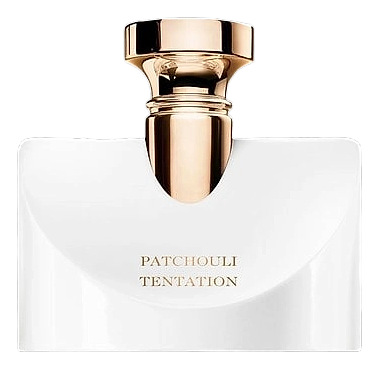
Brands
Brands known for Patchouli Flower
Good to know
Questions, answered
The essentials on Patchouli Flower in perfumery: how it smells, where it comes from, and how it behaves on skin.
What does patchouli smell like?
Patchouli opens with a sharp, almost medicinal earthiness, then softens into rich woody-balsamic territory with hints of dark chocolate, dried fruit, and damp soil. Its character evolves dramatically with maceration time.
Where does patchouli essential oil come from?
Indonesia produces approximately 90% of global patchouli oil—around 1,350 metric tons annually. Sumatra and Sulawesi are major production regions, though the plant also grows in India, Malaysia, and the Philippines.
How is patchouli oil extracted?
Steam distillation extracts oil from shade-dried leaves. The drying period—typically five to seven days—allows enzymatic fermentation that develops the oil's characteristic depth before distillation commences.
When did patchouli enter Western perfumery?
Patchouli reached European markets during the Victorian era, initially used in sachets and potpourris. Perfumers began incorporating the oil into compositions during the early 19th century.
Is patchouli a flower or a leaf?
Patchouli comes from a tropical herb in the Lamiaceae family—the leaves and stems yield the essential oil. The small white or lavender flowers appear on mature plants but do not factor into fragrance production.
What fragrance families pair well with patchouli?
Patchouli anchors woody and chypre compositions while bridging oriental and gourmand families. It combines naturally with sandalwood, vanilla, amber, rose, and citrus for contrasting brightness.
Does patchouli oil improve with age?
Yes. Freshly distilled patchouli oil can smell harsh and almost medicinal. Months of maceration smooth the edges, developing the characteristic rich, chocolate-earth signature that defines quality aged oil.
Why is Indonesian patchouli considered the industry standard?
Indonesia's tropical climate and volcanic soil produce Pogostemon cablin with exceptional oil content and complexity. Local producers have refined drying and fermentation techniques over generations, yielding consistently superior aromatic profiles.