Pandan Cake
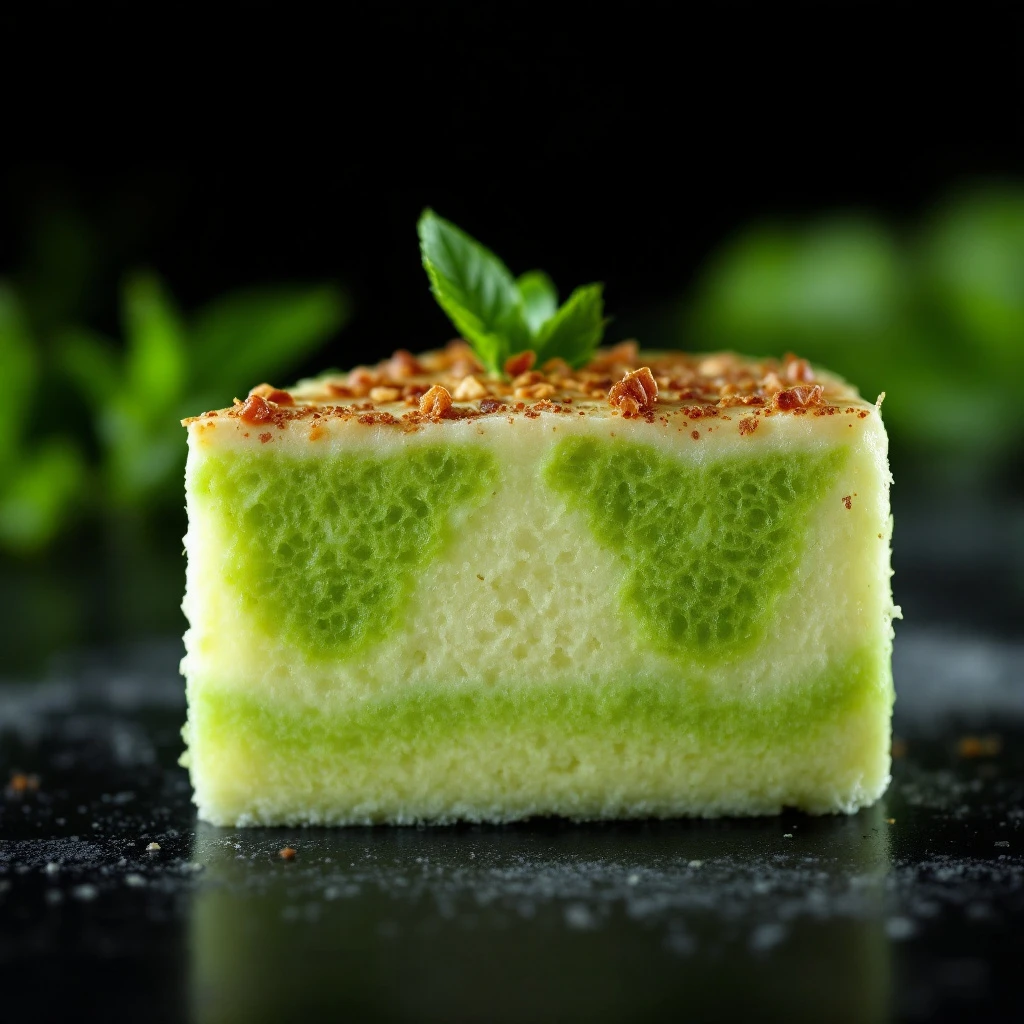
Pandan Cake is a gourmand note that captures the warm, nutty sweetness of Southeast Asia's beloved green chiffon cake. It conjures toasted coconut, rice flour, and the grassy vanilla character of fresh pandan leaf baked into a light, airy sponge.
Character
How it smells
The aroma of Southeast Asia's national cake in a bottle.
Pandan cake is considered the national cake of Singapore, where pandan leaf extract replaced vanilla during shortages, giving the dessert its iconic emerald hue.
Pairs beautifully with
Origin
Indonesia
Pandan Cake as a fragrance concept draws directly from the culinary heritage of Southeast Asia, where pandan leaves have flavored sweets, rice dishes, and drinks for centuries. Pandanus amaryllifolius grows wild and cultivated across Indonesia, Malaysia, Thailand, Vietnam, and the Philippines, prized for its grassy, vanilla-like aroma. The cake itself emerged from a cultural collision: European baking techniques arrived in Indonesia through Dutch colonization, introducing oven-baked sponges and chiffons.
Local bakers swapped scarce vanilla extract for abundant pandan juice pressed from the leaves, and folded in coconut milk for richness. The result, a feather-light green sponge, became iconic. Singapore later codified it as a national cake, and Malaysia developed its own pandan butter cake variant.
In perfumery, pandan crossed from kitchen to laboratory only recently, as interest grew in tropical gourmand compositions. The note gained traction in niche fragrance houses exploring South Asian flavor profiles, and now appears in compositions seeking warmth, sweetness, and an unmistakable tropical signature.
Wears it best
Fragrances featuring Pandan Cake
Brands
Brands known for Pandan Cake
Good to know
Questions, answered
The essentials on Pandan Cake in perfumery: how it smells, where it comes from, and how it behaves on skin.
What does Pandan Cake smell like in perfume?
It smells like a freshly baked Southeast Asian chiffon cake: warm coconut milk, toasted rice, soft vanilla, and the grassy sweetness of pandan leaf. The effect is gourmand and tropical without feeling heavy or synthetic on skin.
Is Pandan Cake a natural or synthetic note?
It is primarily a compounded accord. The pandan leaf character comes from real extract of Pandanus amaryllifolius, while the baked cake impression is built using coconut, vanillin, and rice accords to recreate the full dessert effect.
Where does pandan originate?
Pandan grows widely across Southeast Asia, with Indonesia, Malaysia, and the Philippines as primary cultivation zones. The plant thrives in tropical lowlands and has been used in regional cooking for centuries before entering perfumery.
What compound gives pandan its signature aroma?
The key molecule is 2-acetyl-1-pyrroline, the same compound found in basmati rice and fresh bread crust. It delivers pandan's warm, nutty, slightly grassy sweetness that defines both the leaf and the cake.
Why is pandan cake green?
The vivid green color comes naturally from chlorophyll in pandan leaf juice, which bakers press fresh and fold into the batter. There is no artificial coloring required when real pandan extract is used.
Is Pandan Cake safe to wear on skin?
Yes, when formulated within IFRA safety guidelines. Pandan leaf extract and supporting coconut and vanillin accords are widely used in commercial fragrances and present no unusual skin sensitization risk for most wearers.
Which perfumes feature pandan?
Pandan appears in several niche compositions exploring tropical gourmand themes, including offerings from houses focused on South Asian flavor profiles. Mainstream adoption remains limited but growing as interest in regional notes rises.
How does Pandan Cake differ from vanilla in perfumery?
Vanilla offers creamy, balsamic warmth with a boozy edge. Pandan Cake adds a grassy, rice-like top note and coconut richness, making it brighter and more tropical while sharing vanillin's soft sweetness underneath.