Kaya Jam
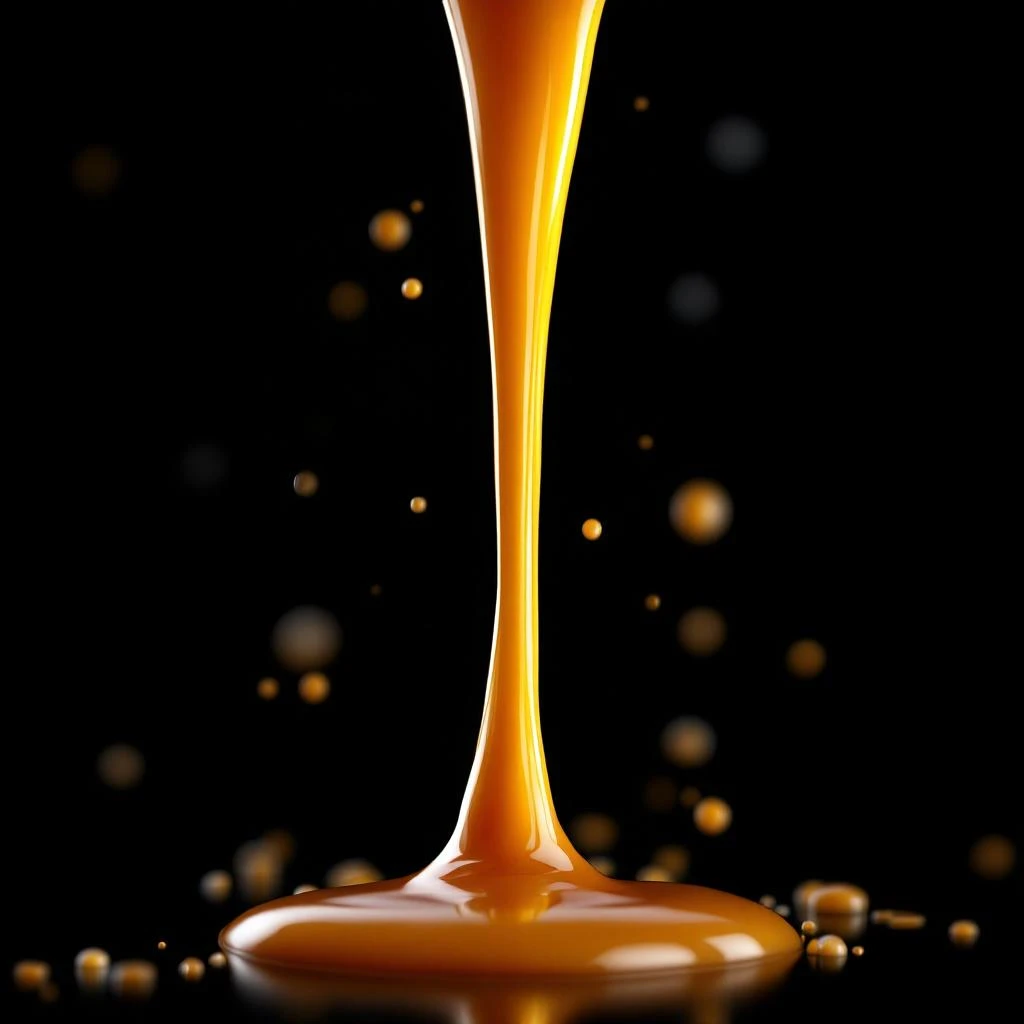
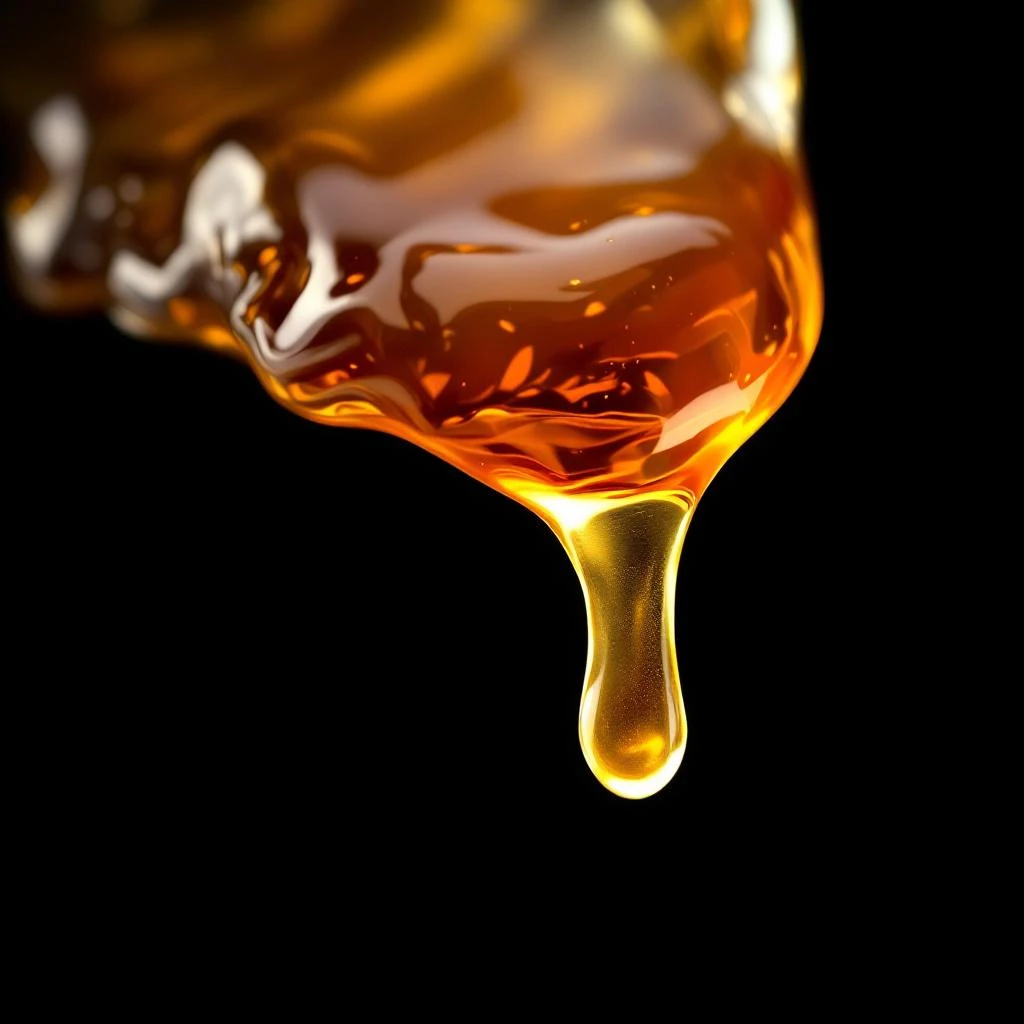
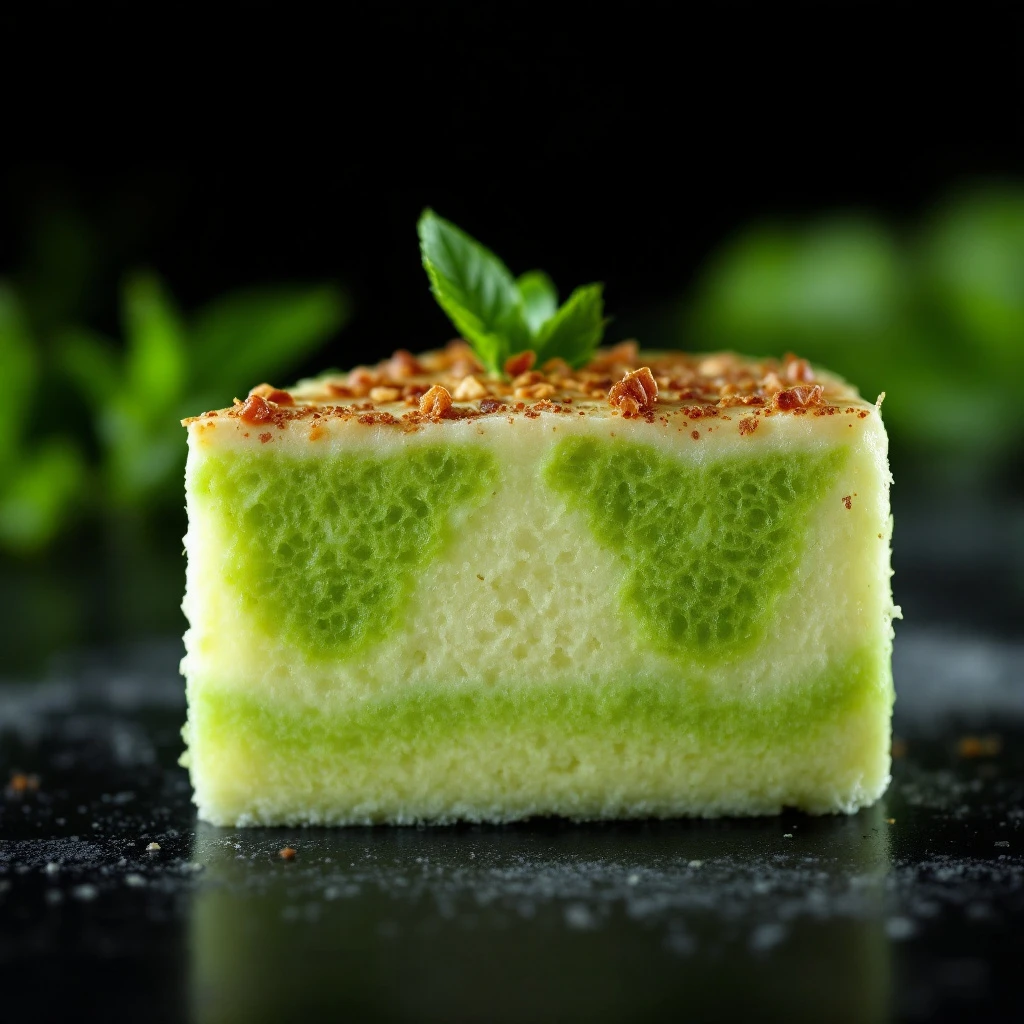
A confection-inspired accord capturing the warm, caramel sweetness of Southeast Asian kaya. Pandan and coconut cream mingle with cooked sugar and egg yolk richness, recreating the toasty, herbaceous depth of a traditional breakfast toast topping.
Character
How it smells
Toasted coconut, pandan, and caramelized sugar in one accord.
Kaya's pandan addition is credited to Malay cooks who folded screwpine leaves into egg-coconut custard, giving the spread its signature grassy-green tint and nutty aroma.
Pairs beautifully with
Origin
Singapore
Kaya is a sweet coconut-and-egg jam closely tied to Singapore and Malaysia, where it is slathered on toasted bread and eaten as a breakfast staple with soft-boiled eggs and strong coffee. Its origins remain debated. One popular account traces kaya to Portuguese settlers who introduced doce de ovos, a thick egg-yolk custard, during centuries of trade in the Malay Archipelago.
Local cooks reportedly adapted the recipe by substituting coconut milk for dairy and folding in pandan leaves, a staple herb in Malay cooking prized for its vanilla-like, grassy fragrance. Over time, kaya became a hallmark of Nanyang or Eurasian café culture across the Straits Settlements. Today, traditional kaya makers slow-cook the mixture for hours to achieve its signature amber color and silky texture.
In perfumery, the accord borrows this heritage of layered tropical sweetness, translating a beloved food memory into a wearable gourmand note.
Wears it best
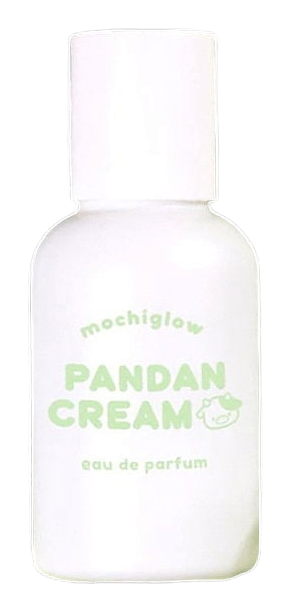
Fragrances featuring Kaya Jam
Brands
Brands known for Kaya Jam
Good to know
Questions, answered
The essentials on Kaya Jam in perfumery: how it smells, where it comes from, and how it behaves on skin.
What does kaya jam smell like in perfume?
Kaya jam accords read warm, creamy, and gourmand. Expect toasted coconut, pandan's grassy-vanilla sweetness, caramelized sugar, and a soft buttery finish that recalls slow-cooked custard spread on warm toast.
Is kaya jam a natural fragrance ingredient?
It is a conceptual accord. Perfumers combine real coconut and pandan extracts with aroma molecules like ethyl maltol and furaneol to recreate the cooked, caramelized character of the spread.
Where did kaya jam originate?
Kaya is widely associated with Singapore and Malaysia. Its origins are debated, but most accounts link it to Portuguese doce de ovos, later adapted with coconut milk and pandan leaves by Malay cooks.
What is pandan's role in kaya jam accords?
Pandan contributes a nutty, vanilla-like aroma and a green herbaceous edge. In perfumery, pandan leaf extract or absolute anchors the tropical character that distinguishes kaya from plain coconut notes.
How is kaya jam used in fragrance compositions?
It typically appears in gourmand and oriental bases, pairing well with vanilla, tonka, coffee, and tropical florals. It also bridges coconut and caramel facets in unisex or dessert-inspired compositions.
Why is kaya jam sometimes called coconut jam?
Because coconut milk is its primary ingredient. In Hokkien, kaya literally means rich, reflecting the spread's lush, custardy mouthfeel and concentrated tropical flavor.
Can kaya jam be made without pandan?
Traditional recipes rely on pandan for aroma and a pale green hue, but some home cooks omit it. In perfumery, pandan is usually essential to achieving the authentic kaya profile.
What food notes pair well with kaya jam in perfumery?
Caramel, vanilla, coffee, and toasted bread notes complement kaya's cooked character. Gourmand compositions often pair it with coconut cream accords and soft musks for a balanced skin-scent finish.