Nutty Notes
Nutty notes encompass a warm family of scent impressions ranging from roasted almonds to buttery hazelnuts. In perfumery, they serve as powerful base and heart modifiers, lending depth, comfort, and gourmand character to oriental and chypre compositions.
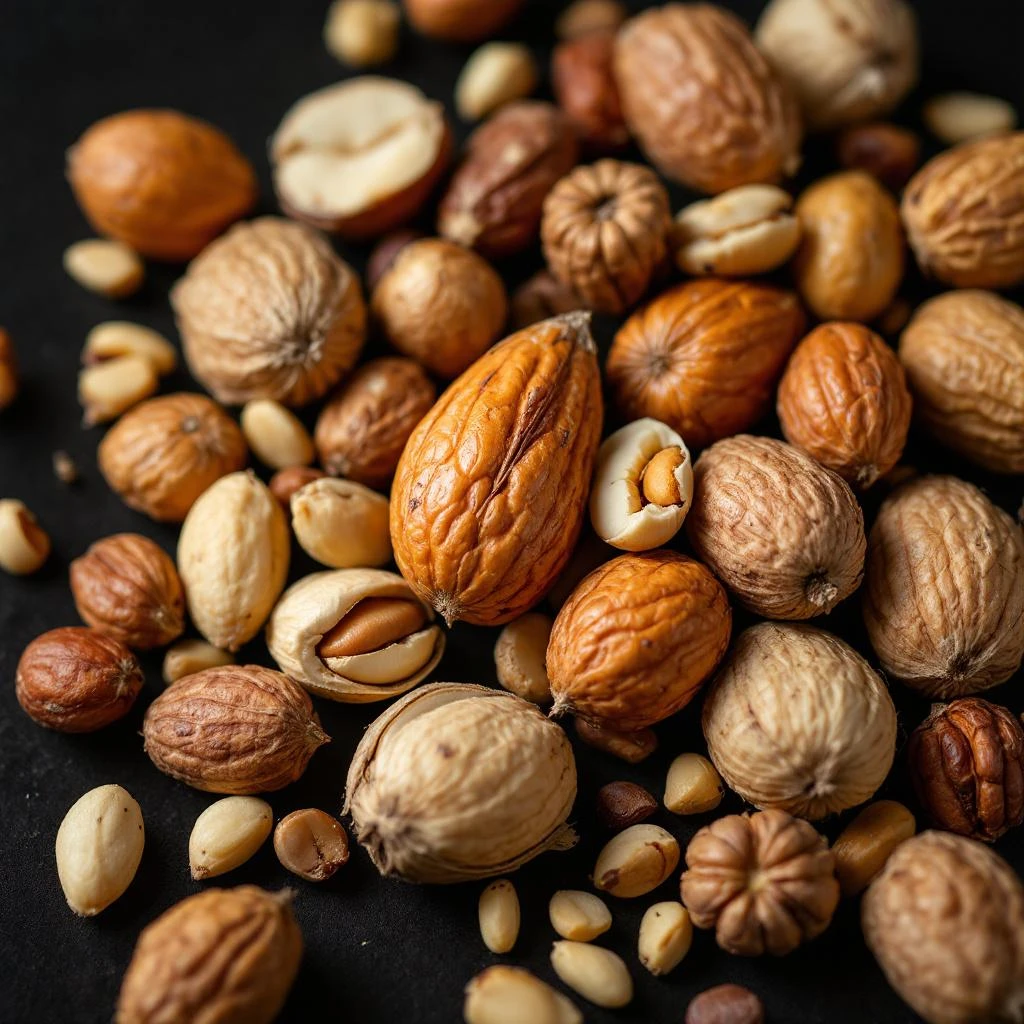
Character
How it smells
The roasted warmth of nuts, a comforting bridge between gourmand and oriental.
The compound benzaldehyde, responsible for bitter almond scent, was first isolated in 1804 and occurs naturally in the kernels of apricots, peaches, and cherries.



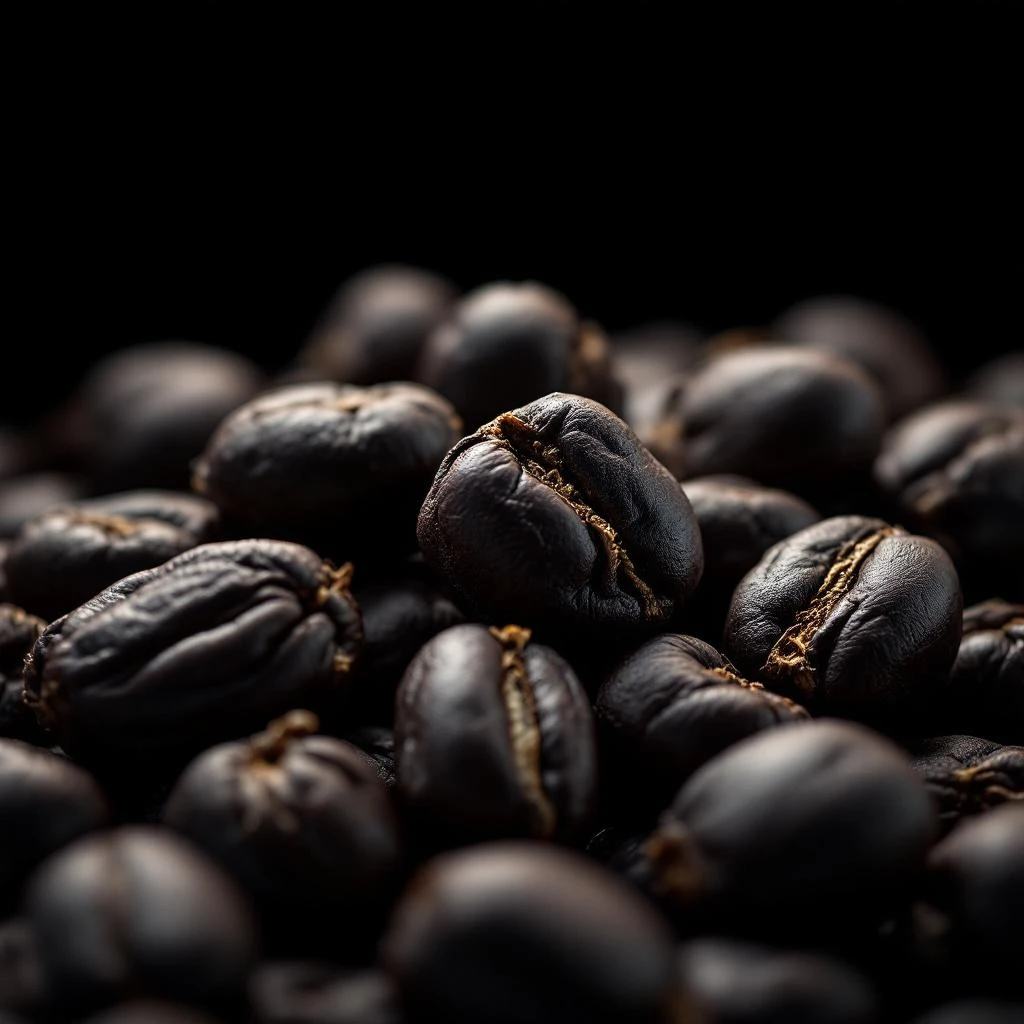





Origin
Multiple origins
The use of bitter almonds in perfumery dates to at least the 18th century, when European perfumers began systematically exploring nut-derived aromatics. Benzaldehyde, the primary aromatic compound in bitter almonds, was isolated in pure form by German chemist Wilhelm Heinrich Eisenstadt in 1804, marking one of perfumery's earliest scientifically characterized ingredients.
Tonka bean arrived in European markets from Venezuela during the late 1700s, quickly becoming essential to perfumers seeking sweet, warm undertones. The compound coumarin, responsible for tonka's distinctive scent, became so central to 19th-century perfumery that it inspired the entire fougère family, including the landmark 1882 fragrance Fougère Royal.
Wears it best
Fragrances featuring Nutty Notes
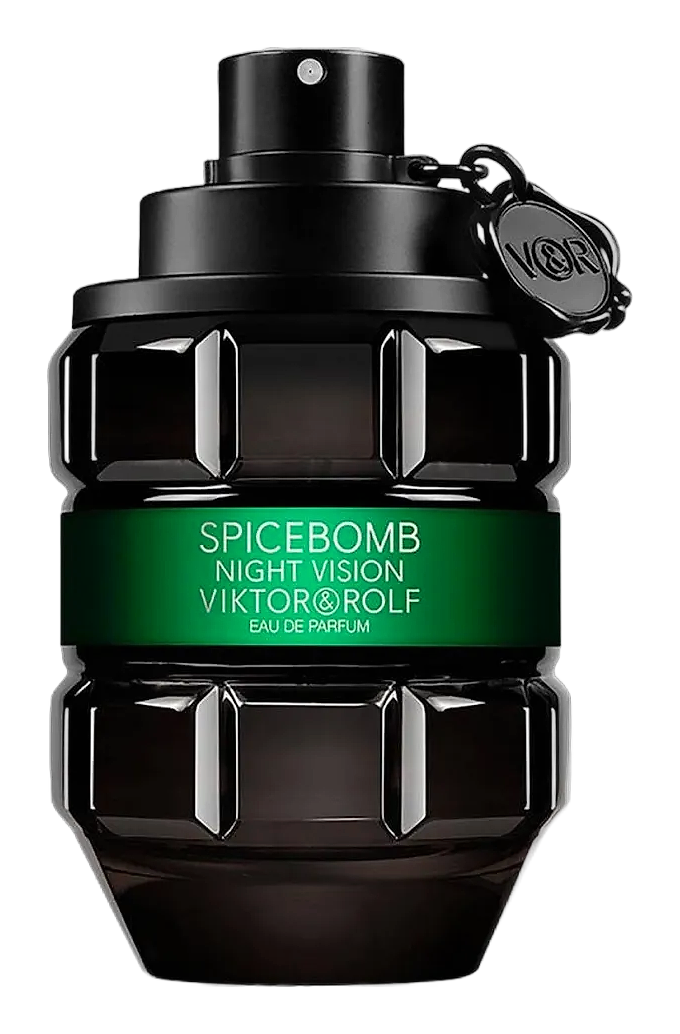
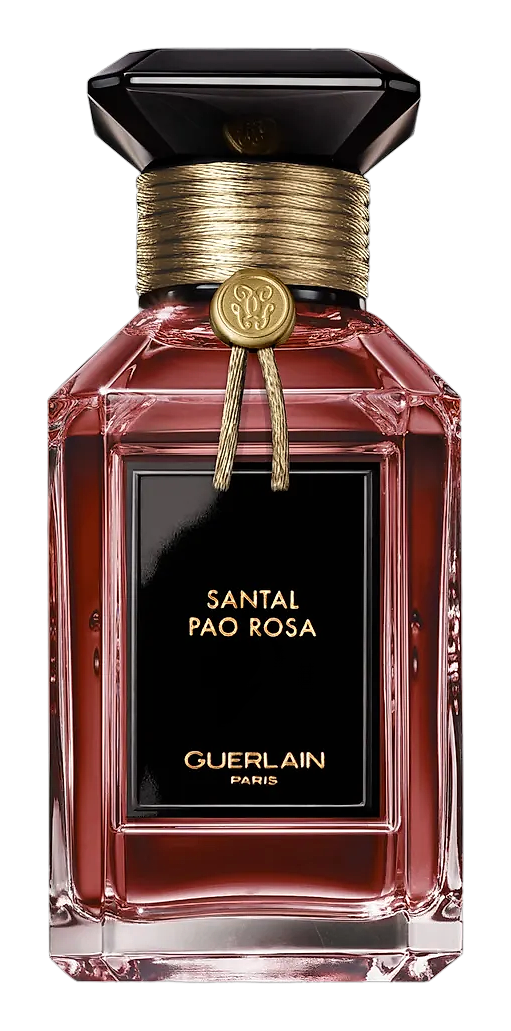
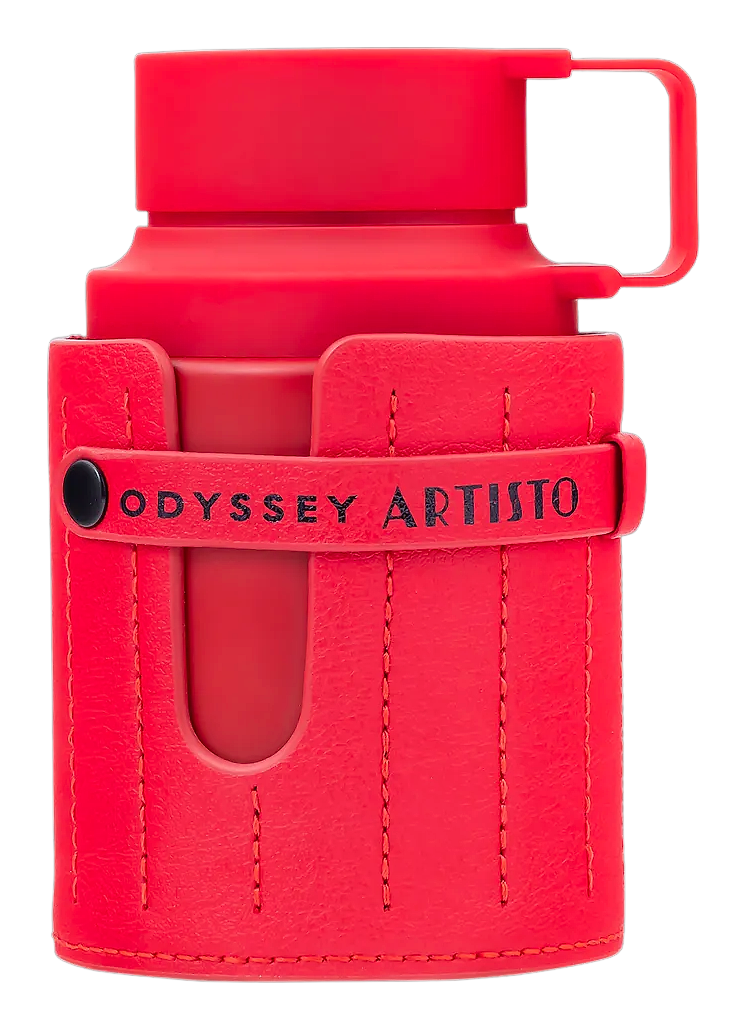
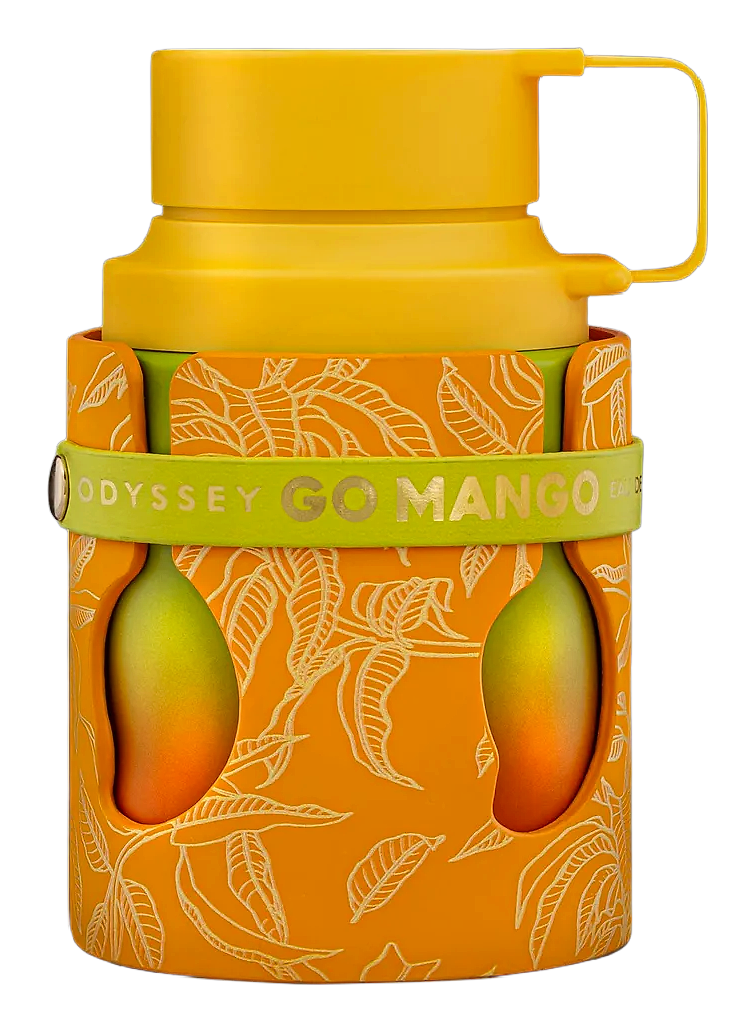
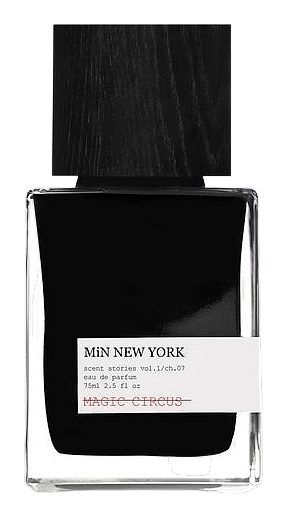
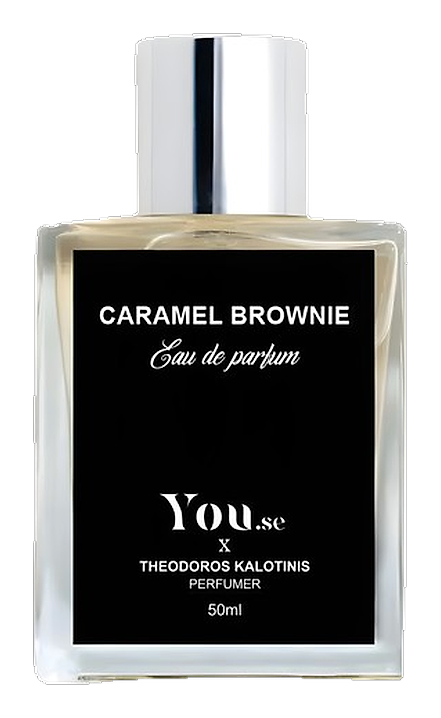
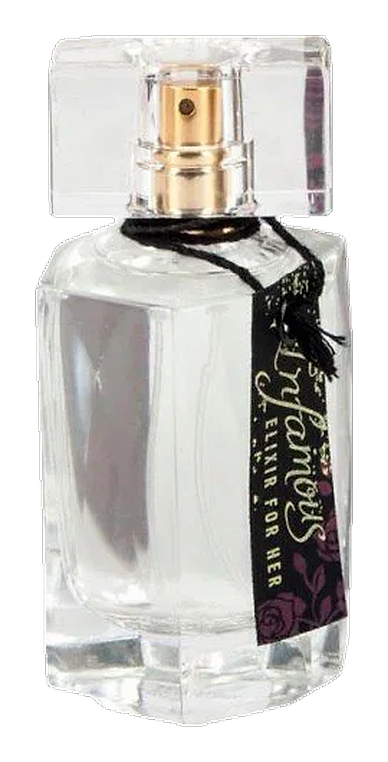
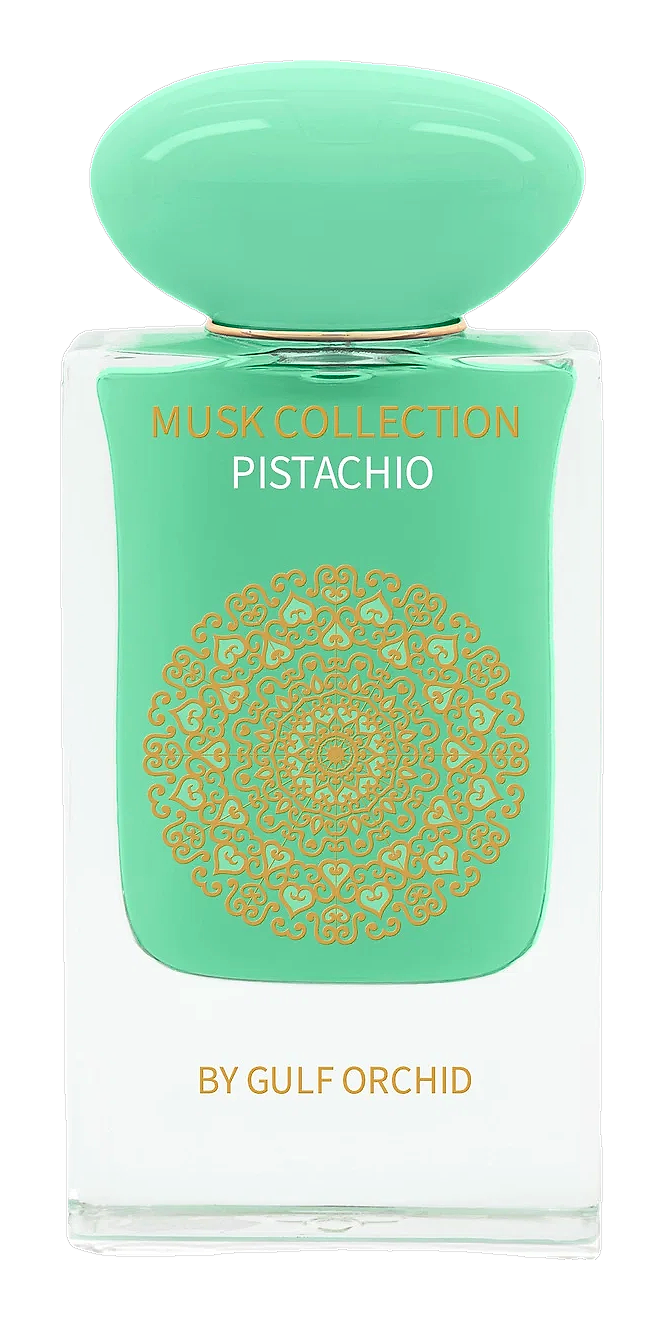
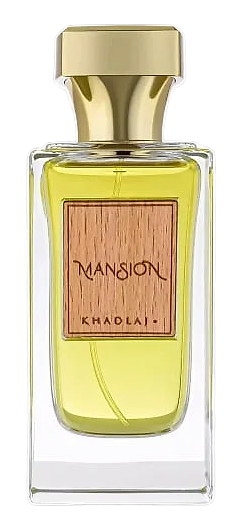
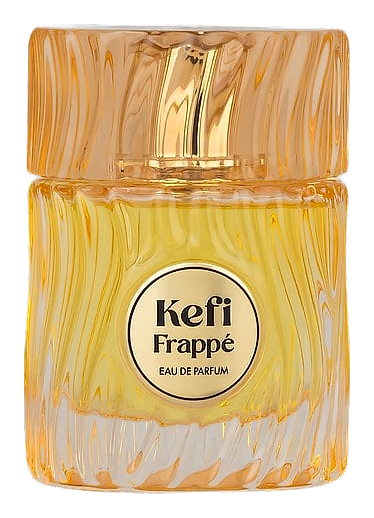
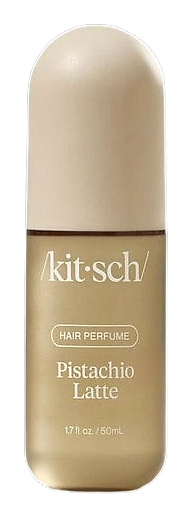
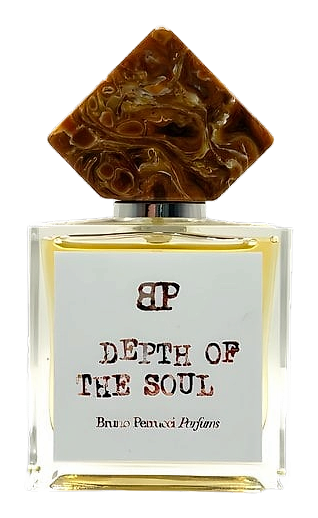
Brands
Brands known for Nutty Notes
Good to know
Questions, answered
The essentials on Nutty Notes in perfumery: how it smells, where it comes from, and how it behaves on skin.
What does Nutty Notes smell like in perfume?
Nutty notes in perfume smell like roasted, buttery, or marzipan-like impressions depending on the source. Hazelnut and walnut materials produce warm, roasted characters, while bitter almond and benzaldehyde yield a sweet, cherry-kernel aroma. Tonka bean contributes a sweet hay quality with coumarin undertones.
Why is Nutty Notes used in perfumery?
Nutty notes provide warmth, depth, and comfort to fragrance compositions. They function as effective base modifiers that round sharper top notes and create a gourmand character without sweetness itself. Approximately 40% of oriental fragrances incorporate nutty accords to bridge woody and amber facets.
Is Nutty Notes in perfume natural or synthetic?
Both natural and synthetic nutty ingredients exist in perfumery. Natural sources include bitter almond oil, tonka bean absolute, and hazelnut CO2 extract. Synthetic benzaldehyde, first isolated in 1804, replicates the almond character at lower cost and with better shelf stability. Most commercial perfumes use both natural and synthetic nutty materials.
What famous perfumes contain Nutty Notes?
Several landmark fragrances prominently feature nutty notes. Guerlain's Jicky (1889) contains tonka bean in its legendary accord. Mugler's Angel (1992) employs a praline-hazelnut structure. Serge Lutens' Ambre Sultan features almond and tonka facets within its amber framework.
Is Nutty Notes a top note, heart note, or base note?
Nutty notes function primarily as base and heart notes in perfumery. Their molecular weights and volatility profiles ensure longevity on skin. Benzaldehyde evaporates relatively quickly as a bridge, while coumarin from tonka bean persists for hours as a base component, making nutty materials versatile across fragrance positions.
What notes pair well with Nutty Notes in perfume?
Nutty notes pair excellently with vanilla, caramel, and chocolate (gourmand pairing), as well as amber, sandalwood, and benzoin (oriental pairing). They also complement lavender and oakmoss in fougère compositions. The combination of tonka with lavender is one of perfumery's oldest and most celebrated pairings, dating to 1882.
How is Nutty Notes extracted?
Natural nutty aromatics are extracted through CO2 supercritical extraction, steam distillation of crushed nut kernels, or solvent extraction for absolutes. Bitter almond oil requires steam distillation because direct pressing would release toxic hydrogen cyanide. CO2 extraction preserves the full aromatic spectrum of hazelnut and walnut materials.
Is Nutty Notes used in men's or women's fragrances?
Nutty notes appear across both men's and women's fragrances with roughly equal frequency. In masculine compositions, they support fougère and oriental structures. In feminine fragrances, they enhance gourmand and amber narratives. Unisex fragrances often use nutty accords as a bridging element between traditionally gendered scent families.