Nana mint
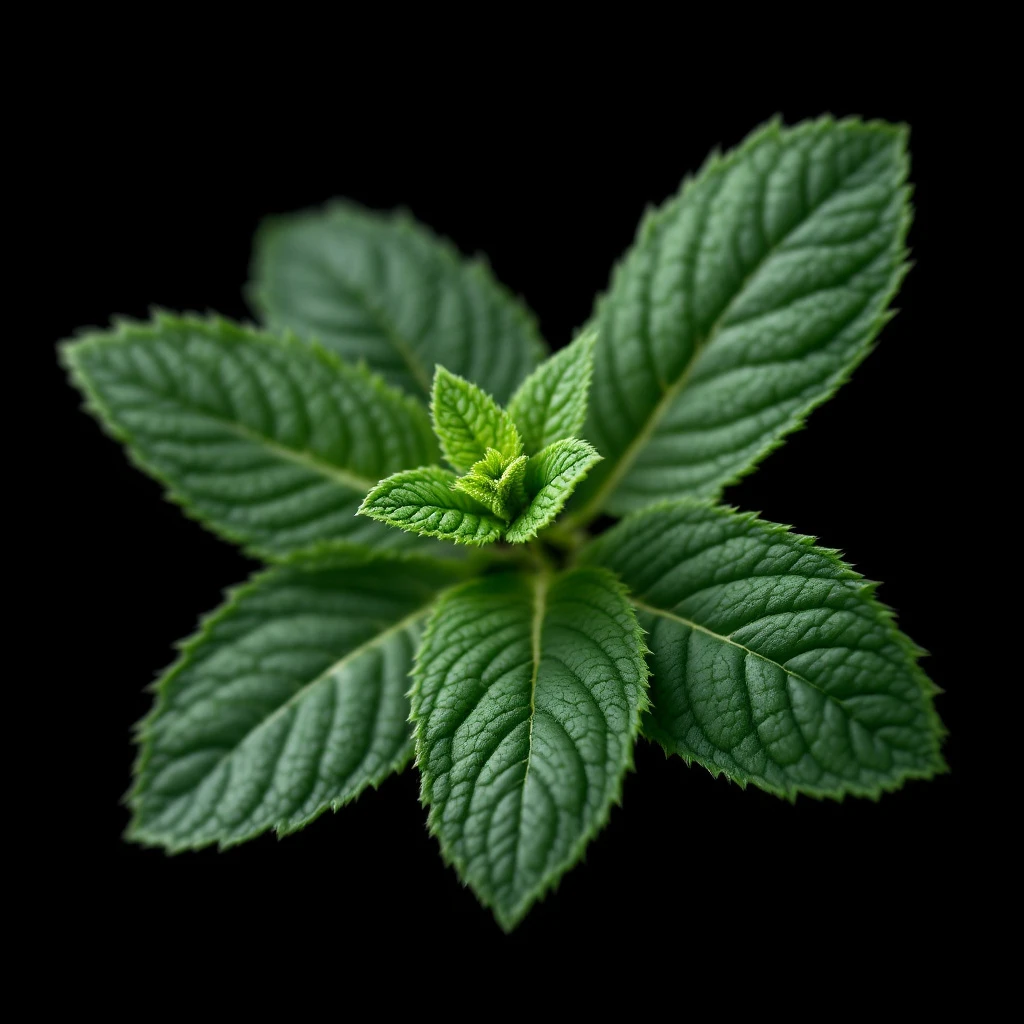
Nana mint delivers a crystalline, cool breath that lasts long after the initial spray. Its subtlety makes it a perfumer's secret weapon.
Character
How it smells
The cool breath of the mint leaf, held in a bottle.
The name nana comes from a botanical cultivar designation, meaning a dwarf or compact-growing variety of spearmint with a more concentrated oil profile.







Origin
United States
Mint cultivation stretches back to ancient Egyptian tombs where sprigs were placed with the dead. The spearmint species itself traveled from the Mediterranean across trade routes to reach European monastery gardens by the 8th century. Monks used it in digestive tonics and scented waters.
The compact nana cultivar emerged from deliberate horticultural selection during the 18th and 19th centuries as gardeners sought varieties suited to container growing and small-space cultivation. Perfumers began isolating spearmint isolates in the 1890s when analytical chemistry could identify the specific carvone molecules responsible for its character. By the mid-20th century, natural spearmint oil had established itself in men's colognes and fresh-floral women's fragrances as a bridge note that extended the sensation of coolness from top accord through dry-down.
Today the nana cultivar remains a niche production, with most cultivation centered in the American Midwest and India.
Wears it best
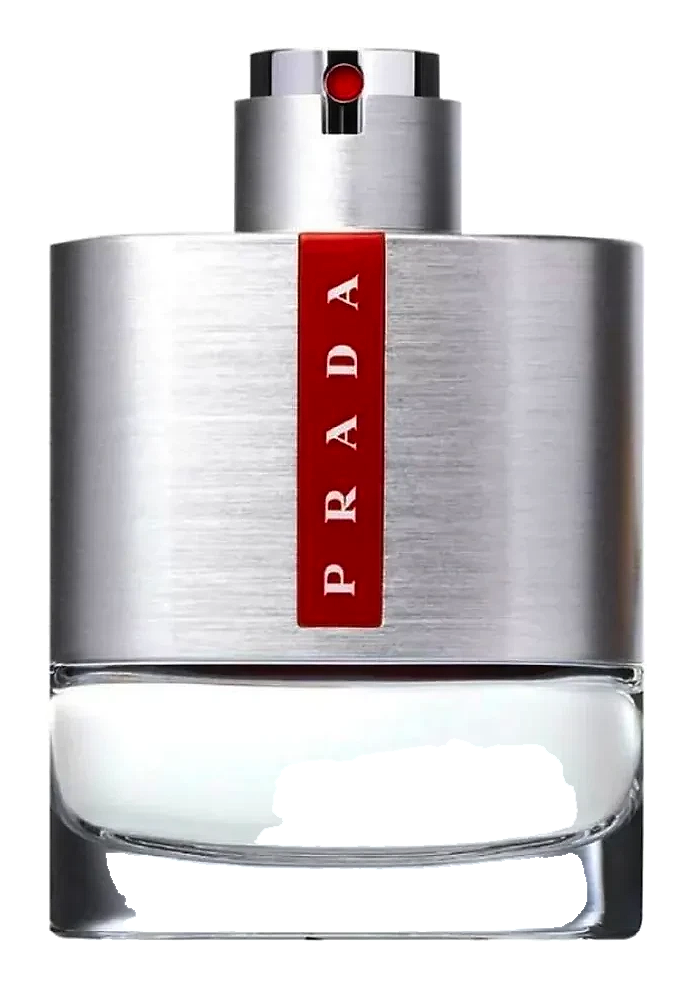
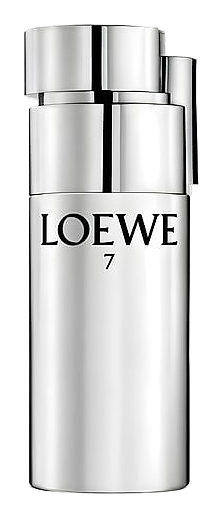
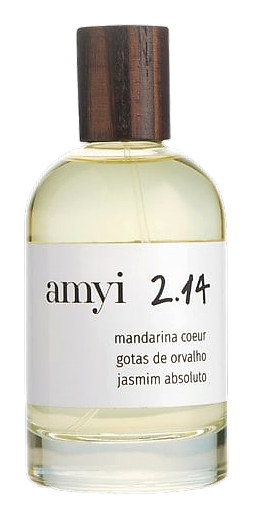
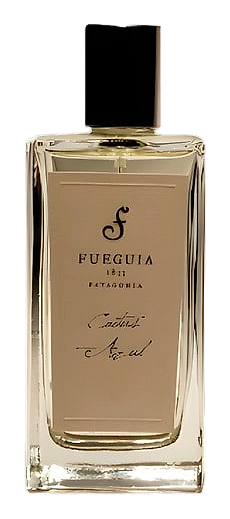
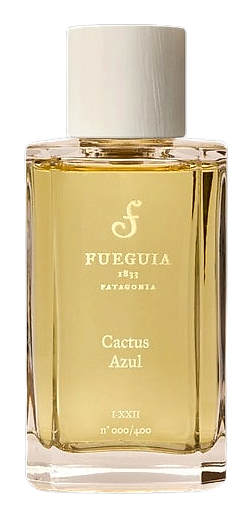
Fragrances featuring Nana mint
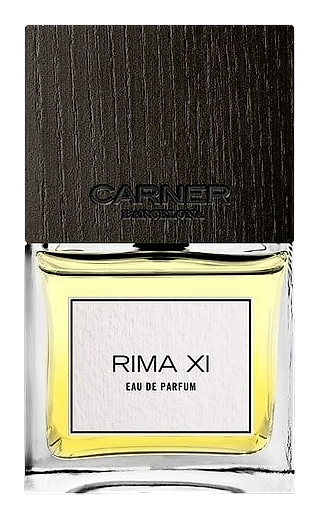
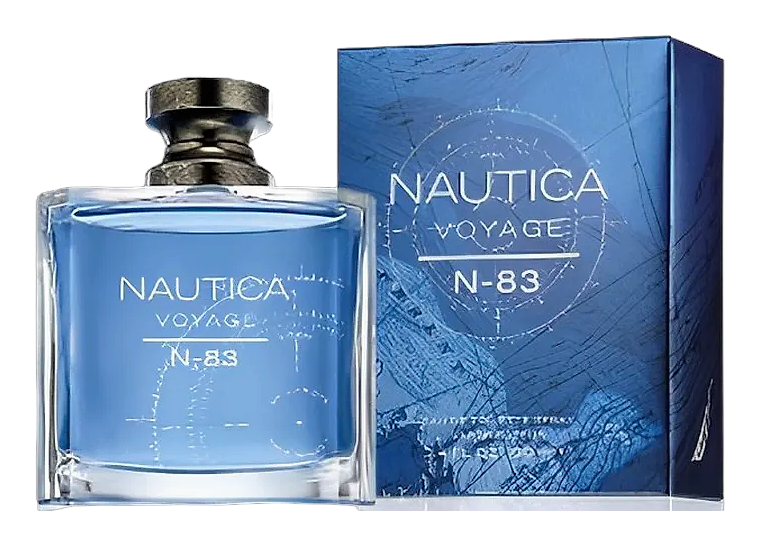
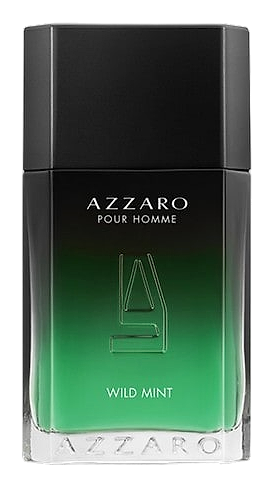
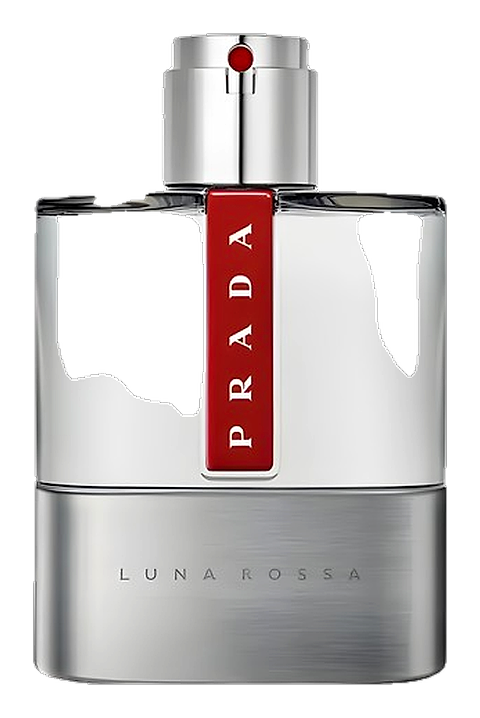
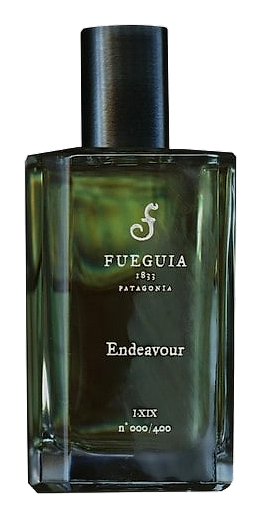
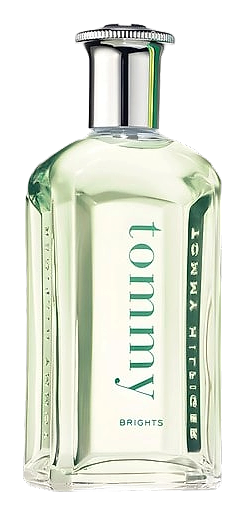
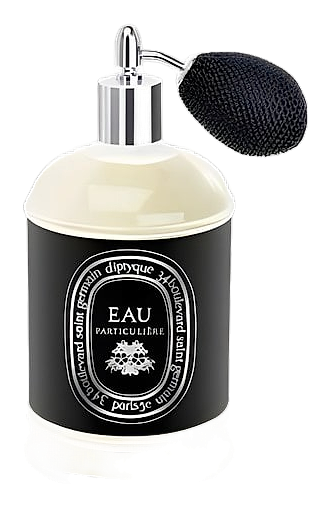
Brands
Brands known for Nana mint
Good to know
Questions, answered
The essentials on Nana mint in perfumery: how it smells, where it comes from, and how it behaves on skin.
What does nana mint smell like?
Nana mint smells like fresh spearmint with a sweeter, less aggressive character than peppermint. Expect bright green, slightly herbaceous notes with a cool mentholated finish and a clean, crisp dry-down.
Is nana mint a natural ingredient?
Yes, nana mint is a naturally occurring cultivar of Mentha spicata. The oil is obtained through steam distillation of the plant's aerial parts with no synthetic modification.
Where does nana mint oil come from?
Commercial production centers on the American Midwest, particularly Indiana and Michigan, and parts of India where climate conditions favor high-quality carvone yields from the nana cultivar.
How is nana mint oil extracted?
Steam distillation is the standard method. Fresh-cut aerial parts undergo distillation within hours of harvest, producing oil yields of 0.3 to 0.5 percent by plant weight.
What fragrance families use nana mint?
Nana mint appears across citrus, fougere, aromatic, and fresh floral compositions. It functions as a bridge note that extends coolness through a fragrance's development.
Is nana mint the same as peppermint?
No. Peppermint is Mentha piperita, high in menthol and often sharp. Nana mint is a spearmint cultivar with more carvone, giving it a sweeter, rounder character.
How long does nana mint last on skin?
As a top note, nana mint projects for 15 to 30 minutes on skin. Its cool sensation may influence the perception of dry-down even after the actual note fades.
What part of the plant is used?
The aerial parts—stems, leaves, and flowering tops—are harvested together and distilled as a single material, capturing the full spectrum of the plant's aromatic profile.