Mulberry Juice
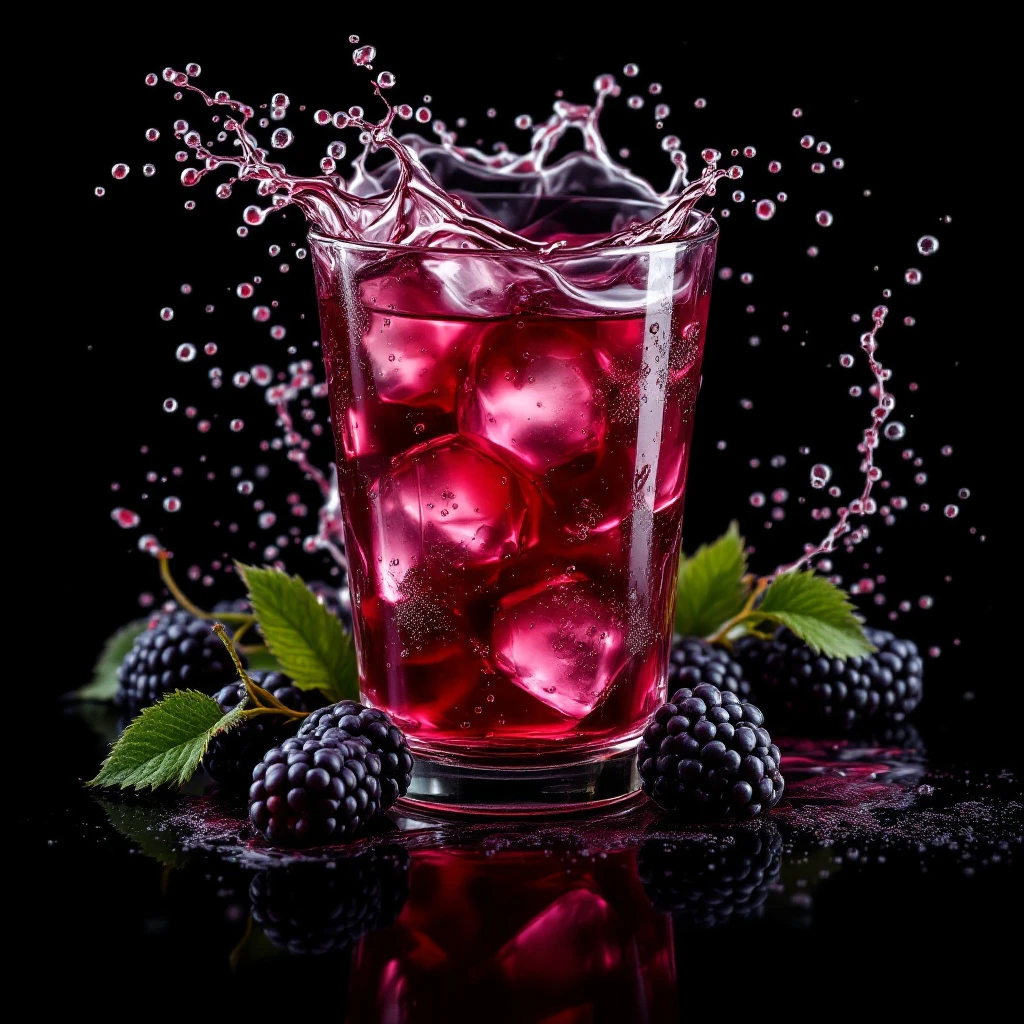
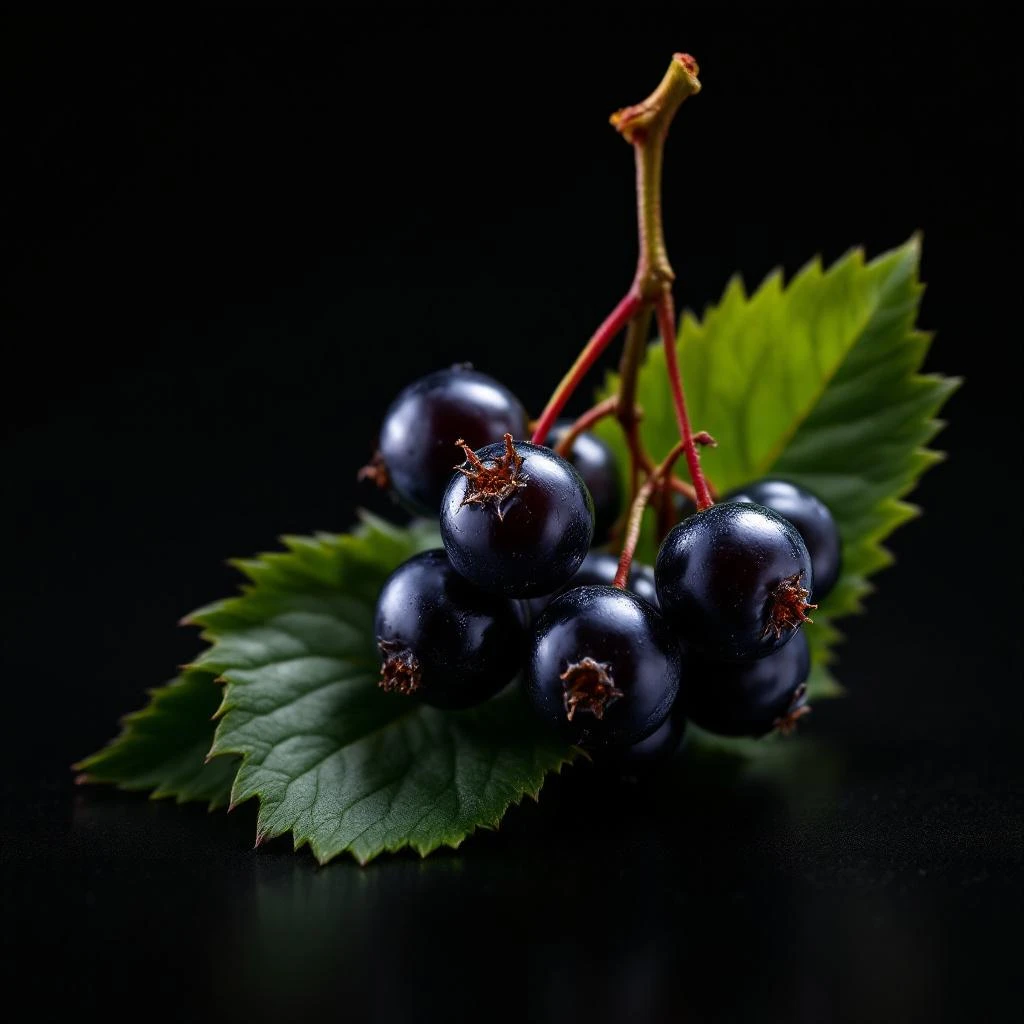
Mulberry juice brings a tart-sweet, jammy fruitiness to perfumery, evoking sun-warmed berries at peak ripeness. This note captures the berry's characteristic deep sweetness balanced with a subtle acidity that adds dimension to fruity and gourmand compositions.
Character
How it smells
Berry-bright tartness from an ancient fruit.
Silkworms have been fed exclusively on mulberry leaves for over 5,000 years, making this fruit indirectly responsible for one of history's most treasured textile traditions.
Pairs beautifully with

Origin
China
Mulberry trees originated in China roughly 4,000 years ago, where they were first cultivated to sustain silkworm populations rather than for the fruit itself. Ancient Chinese texts from the Han dynasty mention mulberry wine and preserves, placing the fruit firmly in culinary tradition across East Asia.
By the time of the Silk Road, mulberry had spread westward through Persia to the Mediterranean. Greek physicians including Dioscorides documented mulberry's medicinal uses around 50 CE, noting its astringent qualities.
In perfumery, however, mulberry remained largely absent until the late twentieth century, when fruity fragrance accords became commercially significant in the 1980s and 1990s. Modern fragrance chemistry identified the specific volatile compounds responsible for the berry's signature scent profile, enabling perfumers to construct convincing mulberry accords from both natural isolates and synthetic molecules.
Wears it best
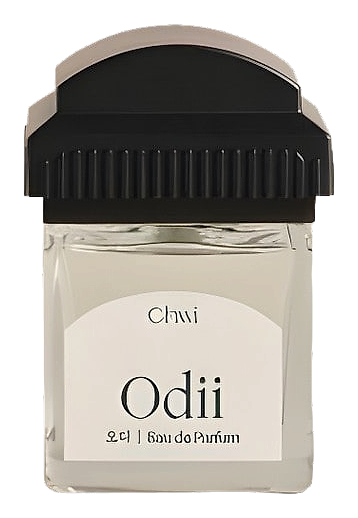
Fragrances featuring Mulberry Juice
Brands
Brands known for Mulberry Juice
Good to know
Questions, answered
The essentials on Mulberry Juice in perfumery: how it smells, where it comes from, and how it behaves on skin.
Is mulberry juice a natural or synthetic fragrance ingredient?
It is a hybrid. Natural mulberry juice is cold-pressed from ripe fruit and used alongside synthetically replicated key aroma molecules to ensure consistent mulberry character across fragrance batches.
What does mulberry juice smell like in a fragrance?
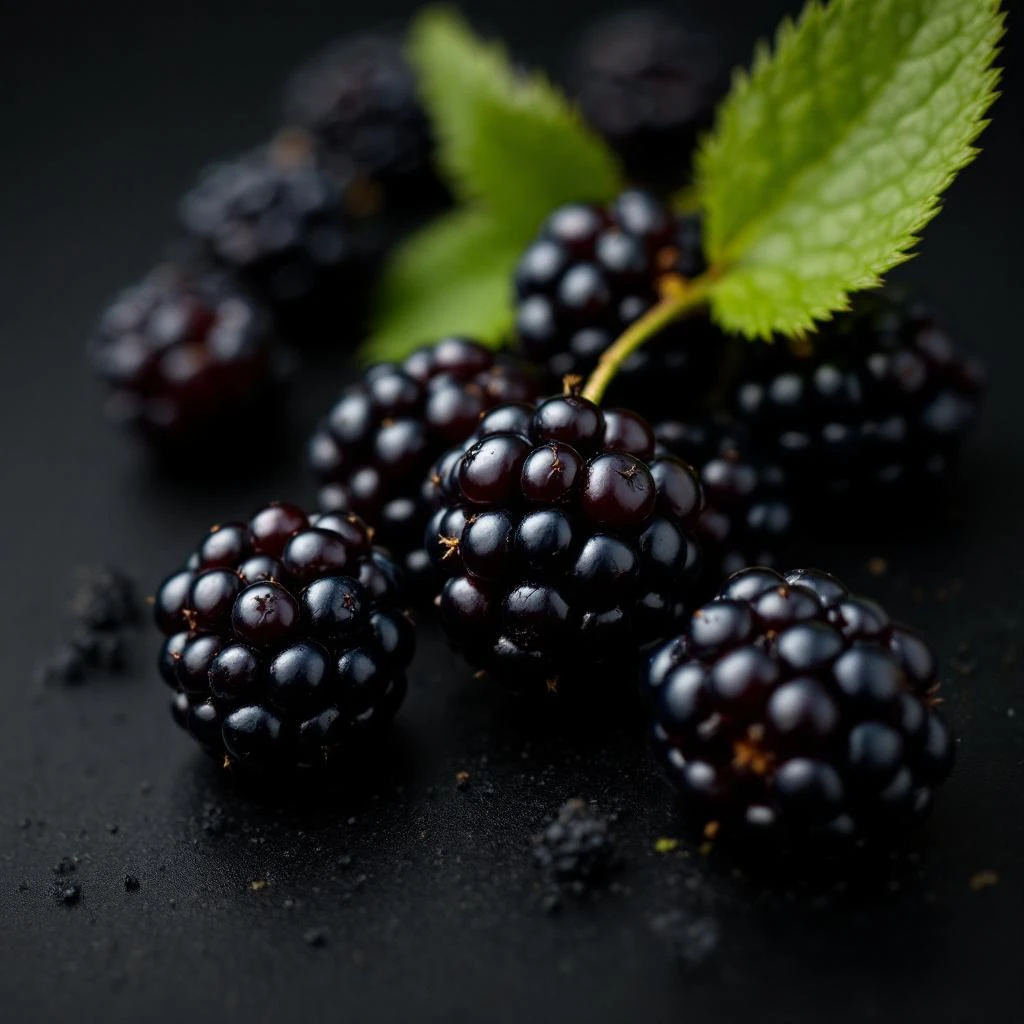
It registers as a deep, jammy fruit note with blackberry-like sweetness and a refreshing tartness that prevents the scent from becoming overly sugary. It reads as both fresh and warm.
Which fragrance families use mulberry juice most often?
Fruity chypre, gourmand, and soft oriental compositions most frequently feature mulberry juice. It pairs particularly well with berries, florals, and warm woods.
How does mulberry juice differ from blackberry or raspberry notes?
Mulberry is darker and less acidic than raspberry, and less sharply tart than blackberry. It sits in a uniquely wine-like, jammy space between these two fruits.
Does mulberry juice have any historical significance in perfumery?
Unlike rose or sandalwood, mulberry has no historic role in traditional perfumery. Its use in fragrance began in the late twentieth century with the rise of fruity accords.
What extraction method yields mulberry juice for fragrance use?
Cold pressing at low temperatures preserves the fruit's volatile aromatics. This raw material may then undergo solvent extraction or serve as reference material for synthetic replication of its key scent compounds.
Where does high-quality mulberry for fragrance applications originate?
China remains the primary source, where Morus nigra grows across provinces including Shandong and Hebei. The species Morus rubra from North America also contributes to fragrance supply chains.
Can mulberry juice stand alone as a dominant note in a fragrance?
It typically functions as a supporting fruity accord rather than a solo focal point. Its subtlety makes it better suited for adding depth and realism to berry or grape-like compositions.