Moss absolute
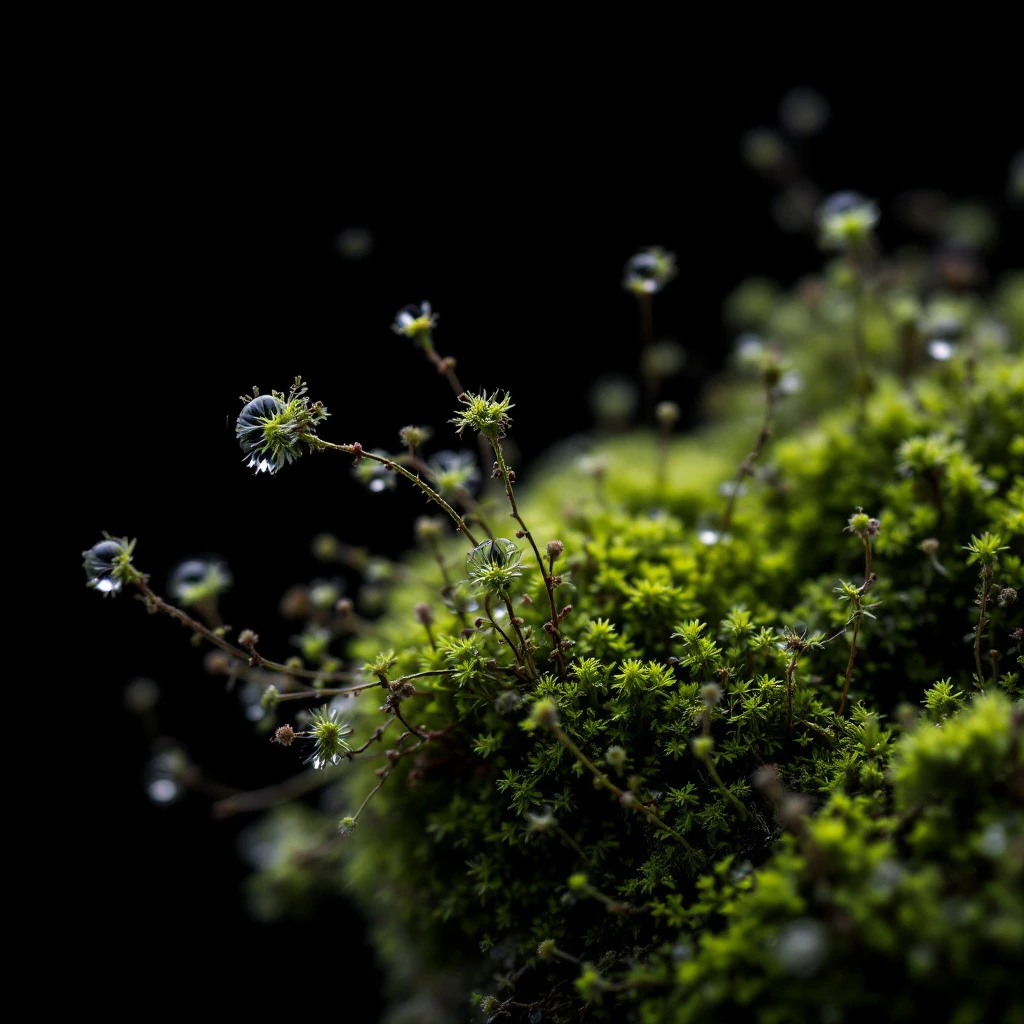
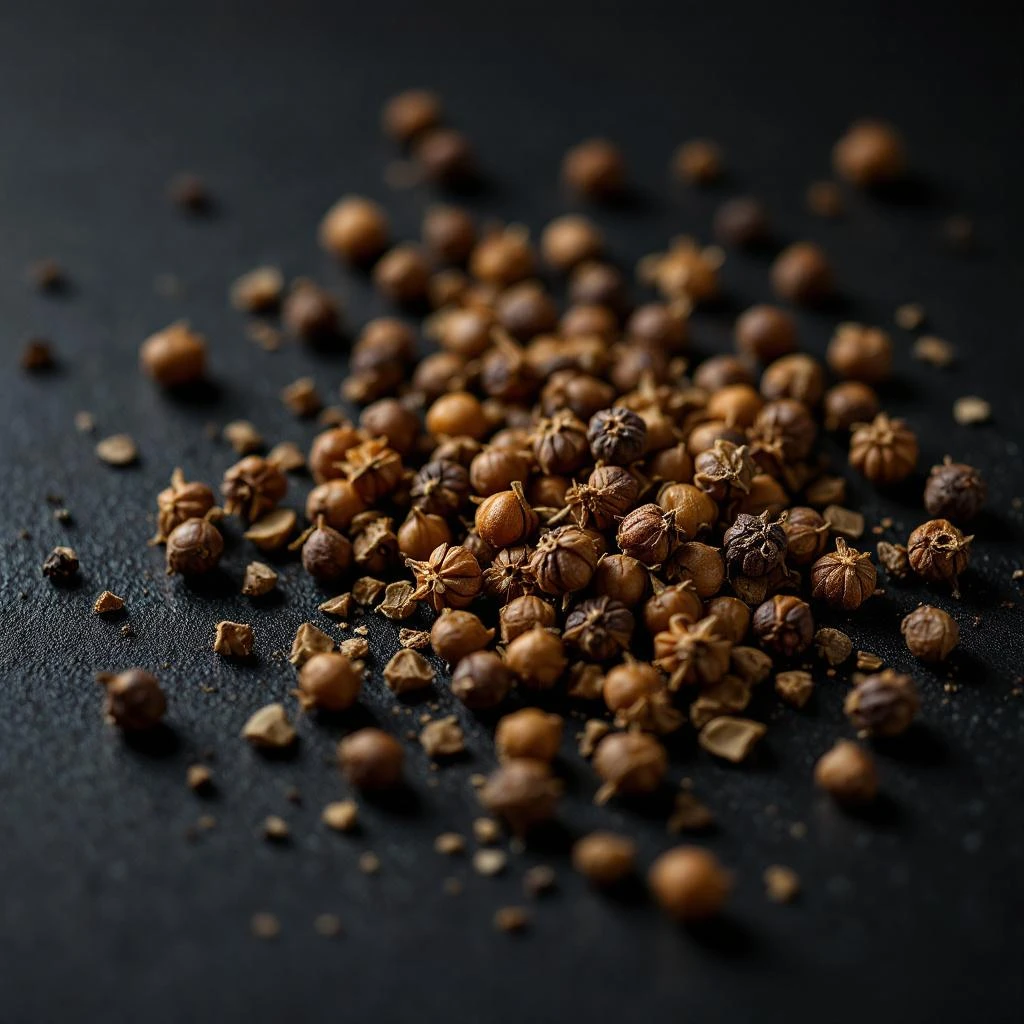
Oakmoss absolute captures the damp, forest-floor essence of a lichen that grows on oak trees across European woodlands. Its earthy, woody aroma forms the backbone of countless classic fragrances.
Character
How it smells
The damp earth beneath ancient oaks, captured in aromatic form.
Oakmoss absolute contains usnic acid, which once made it valuable as a natural preservative in perfumery and folk medicine alike.





Origin
France
The modern perfume industry emerged in Paris between 1889 and 1921, reshaping how perfumers understood and used natural ingredients. Oakmoss absolute became essential during this period when perfumers moved beyond simple single-note compositions toward complex fragrance structures.
Before synthetic materials appeared, oakmoss provided something no other natural ingredient could replicate: a woody, damp-earth quality that grounded lighter floral and citrus notes. Its stability extended the wear time of entire compositions, making it indispensable in chypre and fougère families that defined 20th-century perfumery.
Perfumers prized the lichen for its versatility across fragrance positions, though it served primarily as a base note. The earthy, slightly sweet character complemented both oriental and fresh green compositions, earning oakmoss a place in formulation libraries worldwide. Contemporary regulations have restricted certain applications, but its influence persists in classic formulas that shaped the industry.
Wears it best
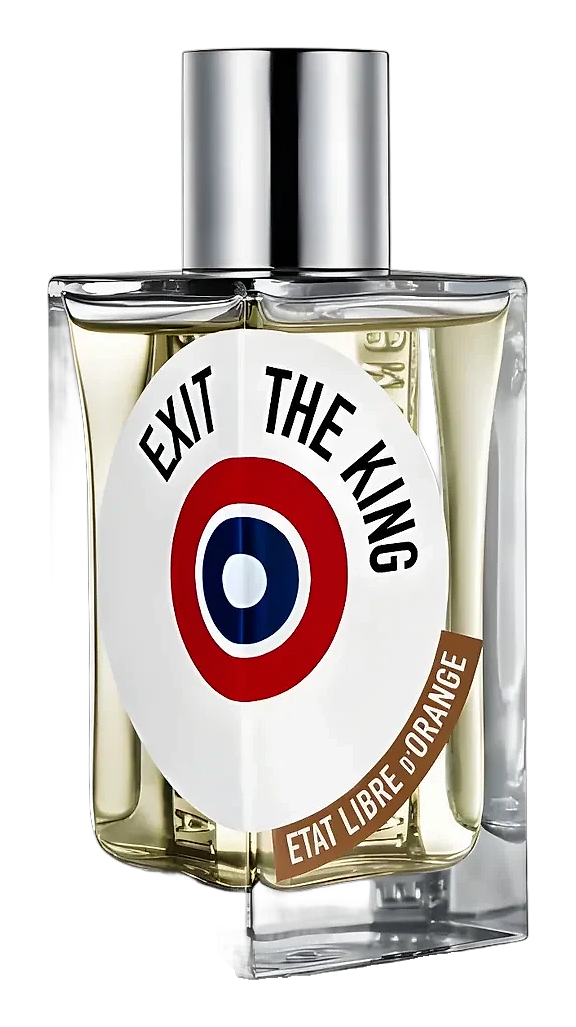
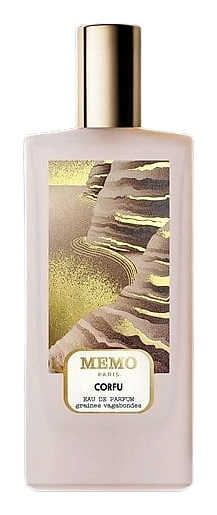
Fragrances featuring Moss absolute
Brands
Brands known for Moss absolute
Good to know
Questions, answered
The essentials on Moss absolute in perfumery: how it smells, where it comes from, and how it behaves on skin.
What does moss absolute smell like?
Moss absolute has an earthy, forest-floor character with woody undertones. It captures the scent of damp bark and decomposing leaves, creating a natural, grounded aroma that adds depth and longevity to fragrance compositions.
What is the scientific name of oakmoss?
Oakmoss absolute comes from the lichen Evernia prunastri, classified within the Usneaceae family. This species grows primarily on oak trees across temperate European forests.
Why do perfumers use moss absolute?
Perfumers value moss absolute as a fixative that extends the wear time of lighter top notes. Its stable, grounding quality bridges different fragrance families and adds complexity to base notes.
Where does commercial oakmoss sourcing happen?
France leads commercial production, where the combination of altitude, humidity, and oak species in forests creates a particularly valued aromatic profile. Harvesting occurs across temperate European woodlands.
How does growing environment affect oakmoss scent?
Altitude, humidity, and host tree species all shape the lichen's aromatic profile. These environmental factors create regional variations that producers compare to wine terroir.
What regulatory restrictions affect oakmoss absolute?
Current IFRA guidelines limit certain applications of oakmoss absolute due to allergens identified in dermatological testing. Perfumers now use specialized extracts that meet safety standards while retaining characteristic scent qualities.
What fragrance families commonly feature oakmoss?
Chypre and fougère compositions traditionally feature oakmoss as a cornerstone ingredient. Its woody-earth character also appears in oriental and certain fresh green fragrances seeking depth and longevity.
How long has oakmoss been used in perfumery?
Oakmoss became essential during the late 19th and early 20th century when the modern fragrance industry developed in Paris. Its use predates synthetic ingredients by several decades.