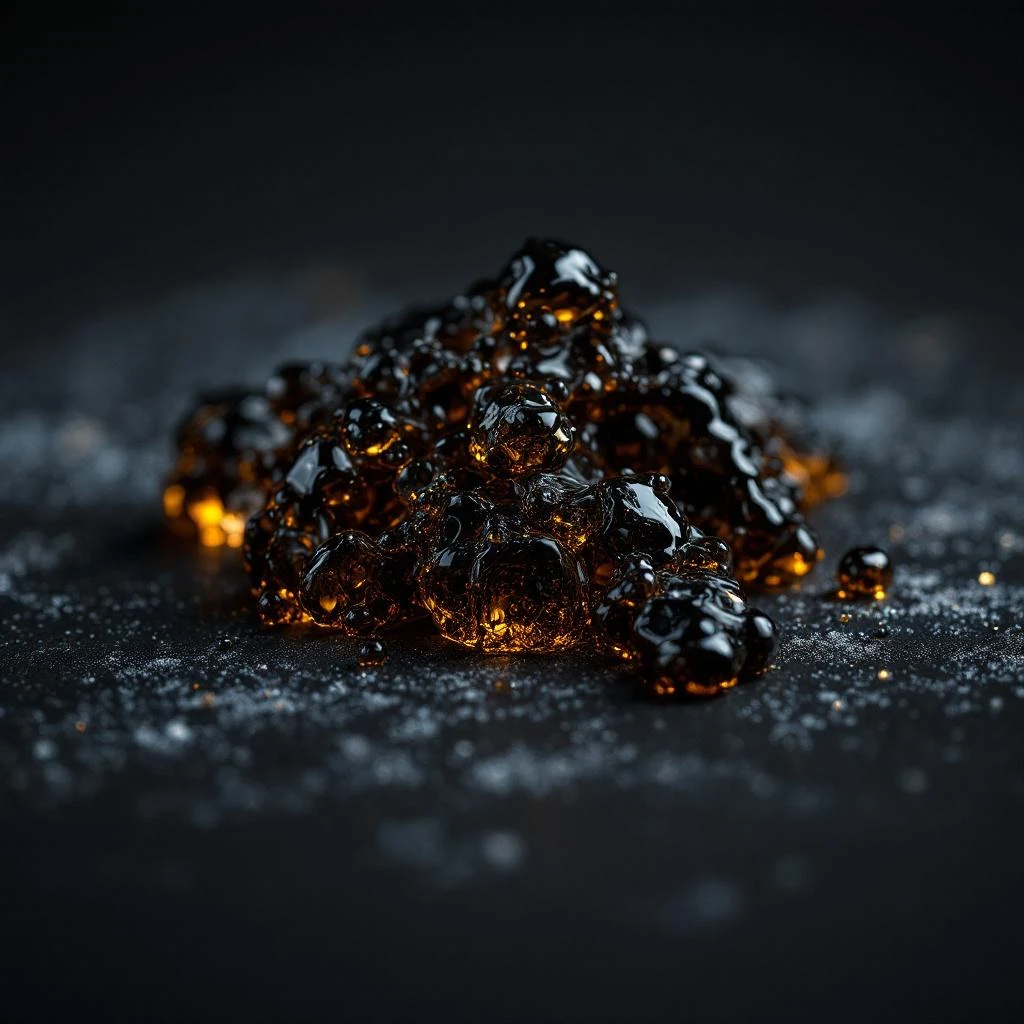
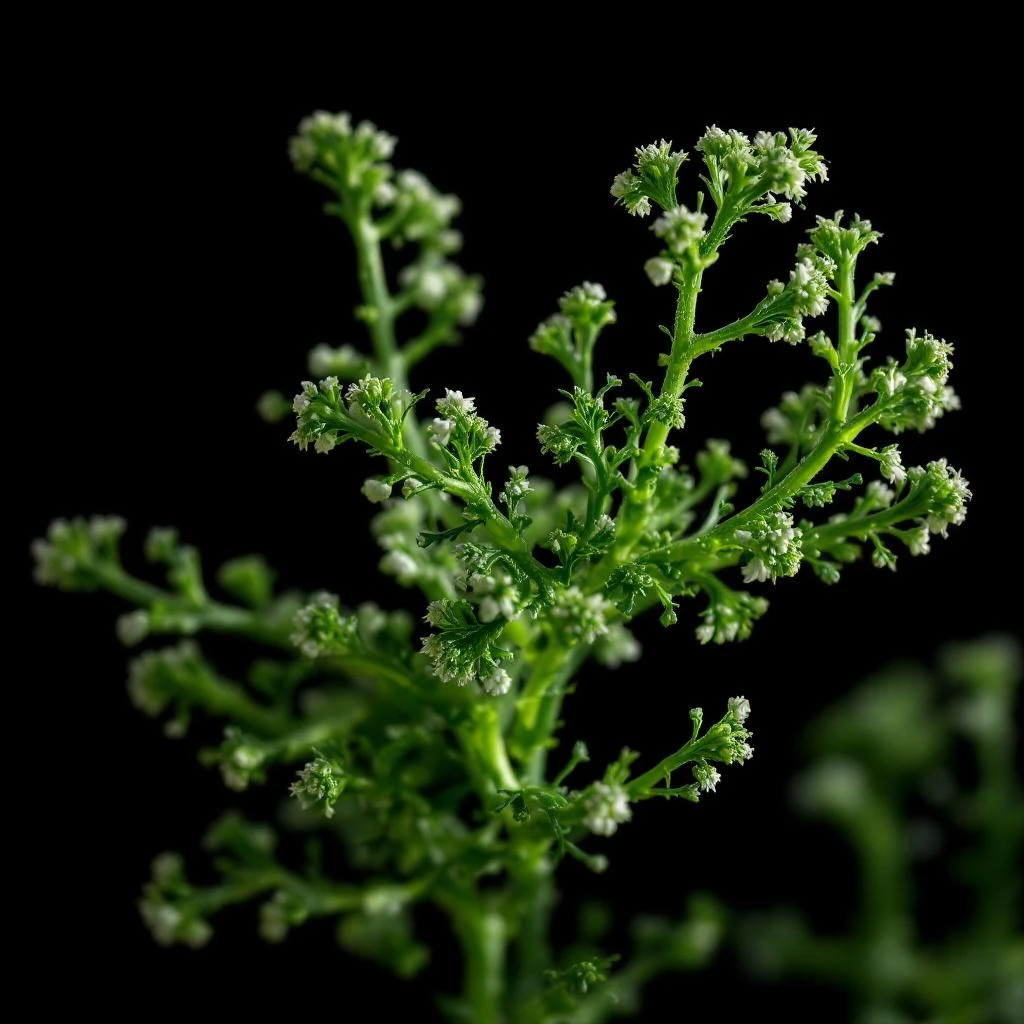
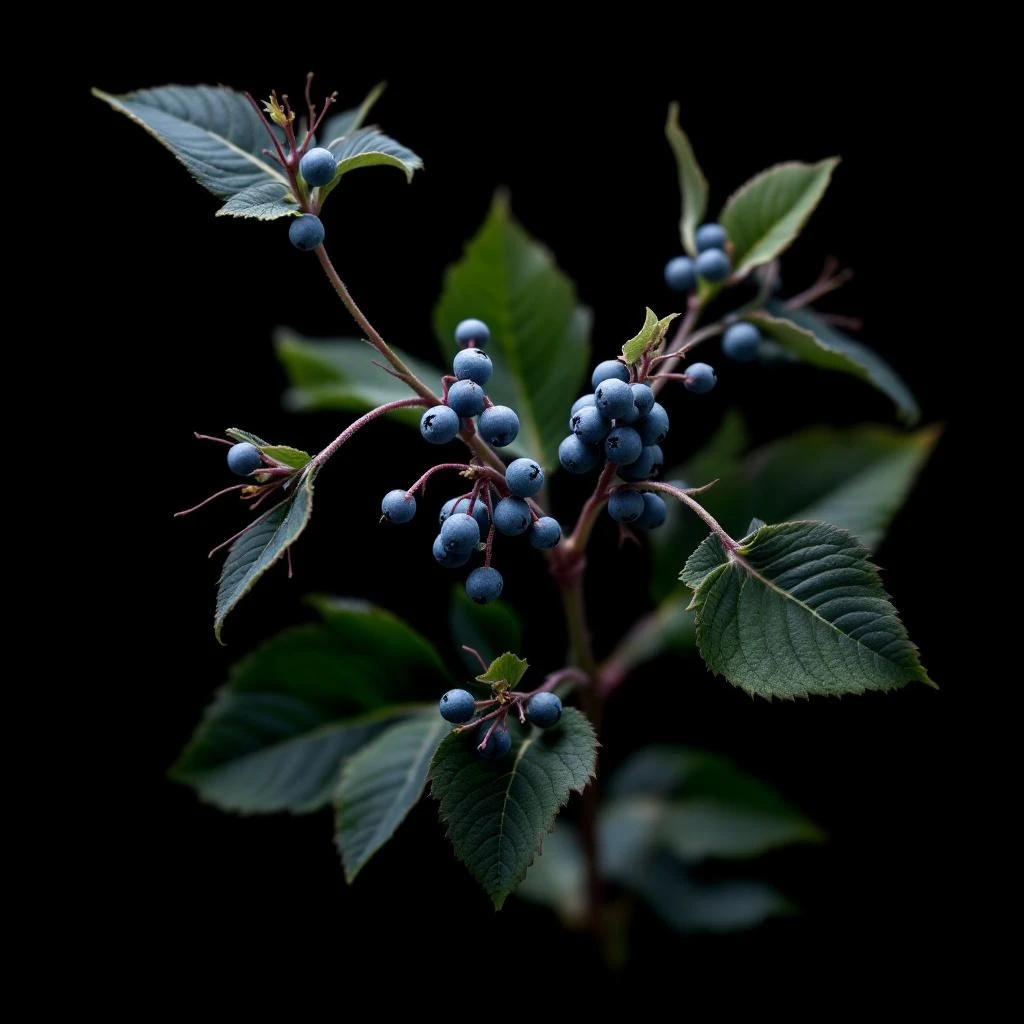
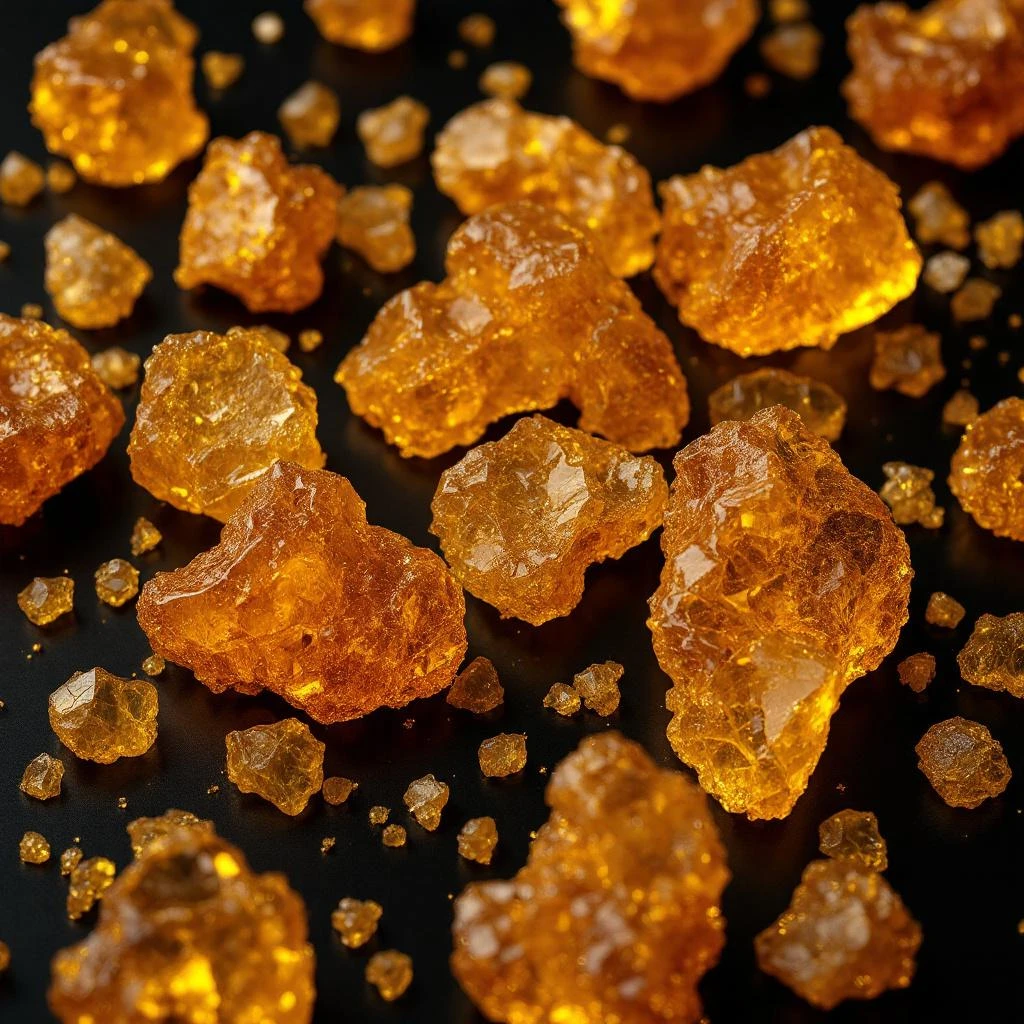
Mopane Tree Resin
Capturing the sun-baked stillness of the African bush, Mopane Tree Resin is a reconstructed accord that distills the essence of an iconic landscape into fragrance form.
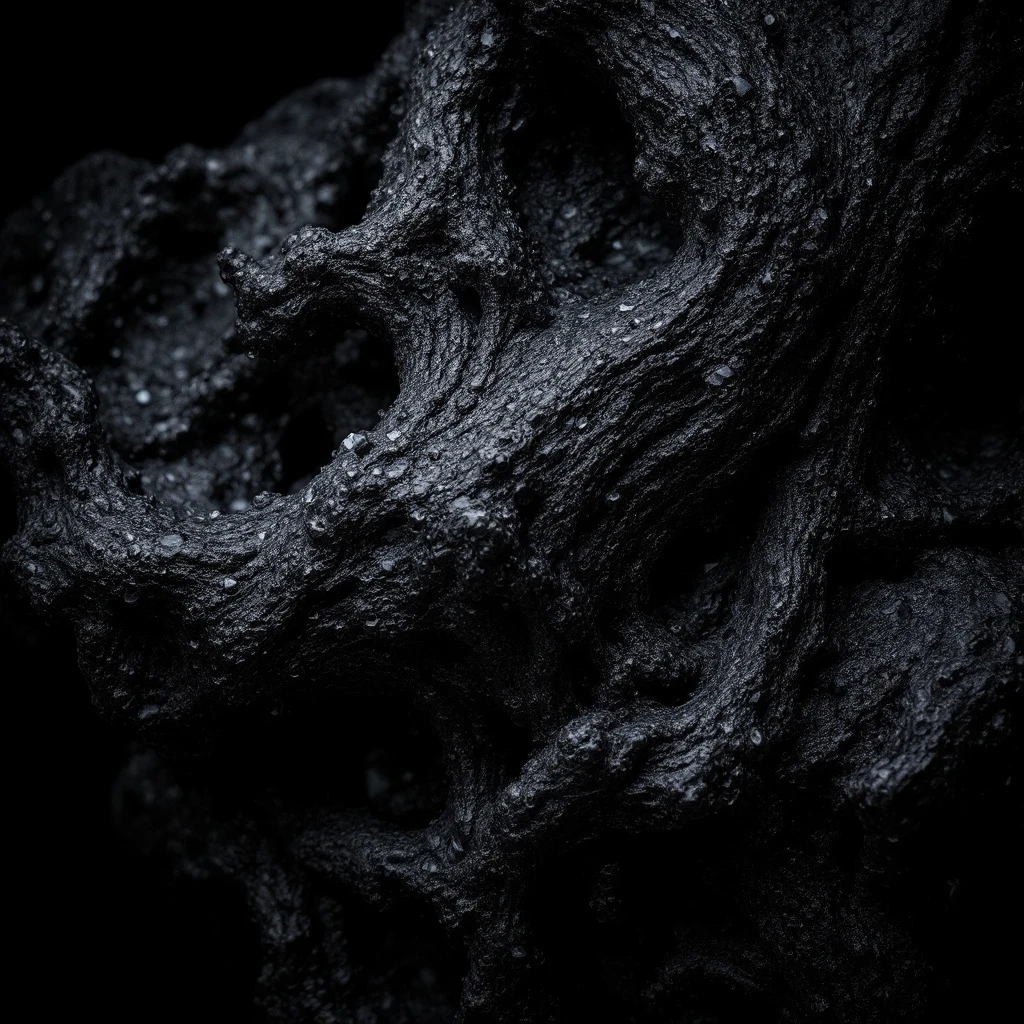
Character
How it smells
The soul of African bushveld in a bottle.
The Mopane tree hosts mopane worms, caterpillars that are considered a delicacy across southern Africa.
Pairs beautifully with


Origin
Namibia
The Mopane tree holds deep cultural significance across southern Africa, particularly among the Himba people of Namibia and Angola. Traditional Himba perfume-making incorporates resin collected from these trees, applied directly to the skin and hair as part of daily ritual.
The Himba grind the resin and mix it with animal fat to create their distinctive scented ointment, which serves both cosmetic and ceremonial purposes. This practice connects wearers to their ancestral landscape in ways that transcend simple fragrance.
European traders documented these traditions from the colonial era onward, though they rarely understood the spiritual significance underlying the practice. Contemporary perfumery revived interest in Mopane's character, drawing inspiration from these traditions while developing the reconstructed accord that now appears in niche fragrances seeking authentic African character.
Wears it best
Fragrances featuring Mopane Tree Resin
Brands
Brands known for Mopane Tree Resin
Good to know
Questions, answered
The essentials on Mopane Tree Resin in perfumery: how it smells, where it comes from, and how it behaves on skin.
What is Mopane Tree Resin in perfumery?
Mopane Tree Resin is a reconstructed accord that recreates the aromatic profile of the Colophospermum mopane tree native to southern Africa. It provides dry-woody, warm bark, and faint balsamic notes to fragrance compositions.
Does Mopane Resin occur naturally in perfumery?
No, perfumers reconstruct Mopane as an accord rather than extracting it directly. This approach captures the tree's distinctive character while ensuring consistency across fragrance batches.
What scent profile does Mopane Resin provide?
The accord delivers warm bark, dry woody textures, faint balsamic resin, and dusty mineral qualities reminiscent of the African bushveld landscape.
Which fragrances feature Mopane Resin?
Niche fragrance houses working with African-inspired compositions most commonly feature Mopane Resin, particularly those seeking to evoke southern African landscapes.
Why do perfumers use reconstructed accords?
Reconstruction ensures batch-to-batch consistency while avoiding overharvesting concerns. It allows perfumers to capture profiles of plants that are difficult to extract or sustainably source.
What is the traditional use of Mopane Resin?
The Himba people of Namibia traditionally collect and grind the resin, mixing it with fat to create a scented ointment applied to skin and hair as part of daily grooming and ceremony.
Where do Mopane trees grow?
Colophospermum mopane dominates vast stretches of the Zambezi basin, spanning Zimbabwe, Mozambique, Botswana, Namibia, and parts of South Africa, particularly the lowveld regions.
How does Mopane compare to other resinous materials?
Unlike frankincense or myrrh, Mopane Resin offers a distinctly dry-woody character rather than sharp citrus or medicinal notes. It conveys landscape rather than sacred smoke.