Mopane
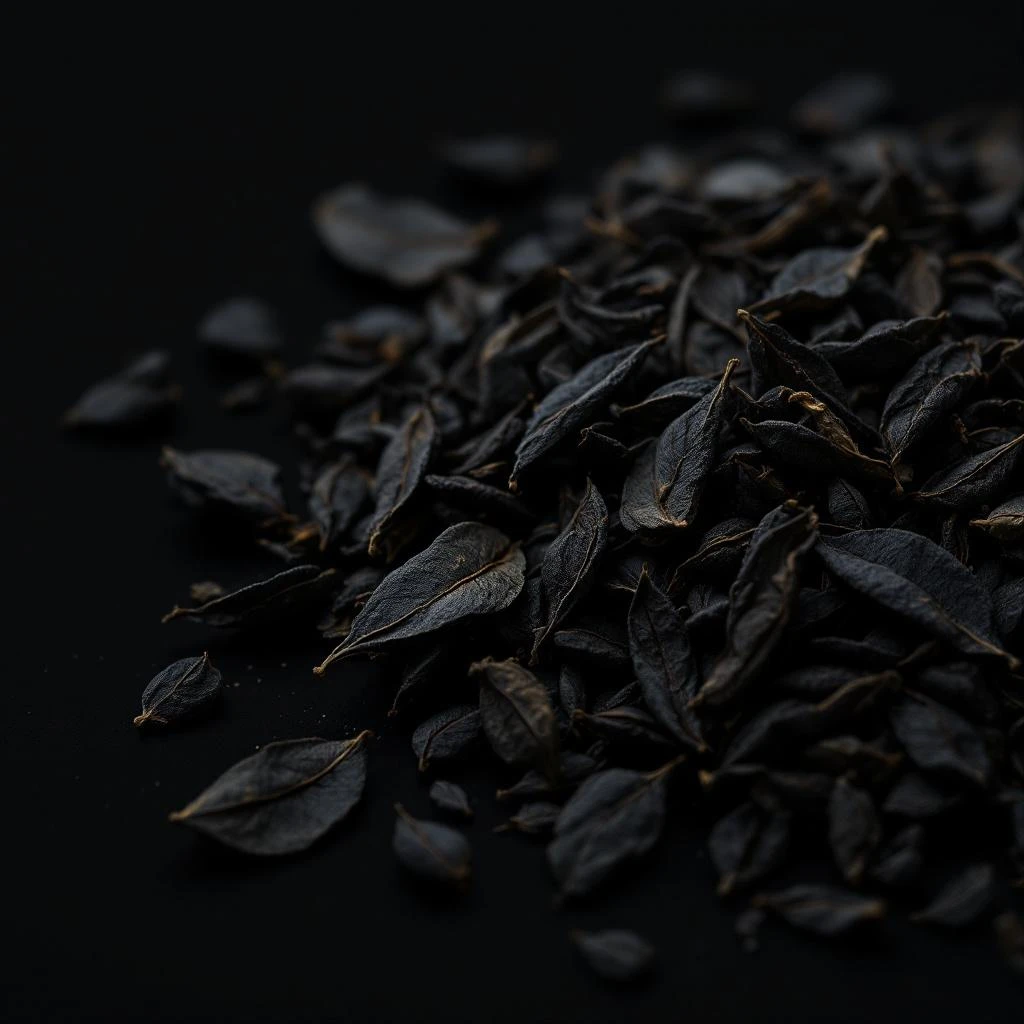
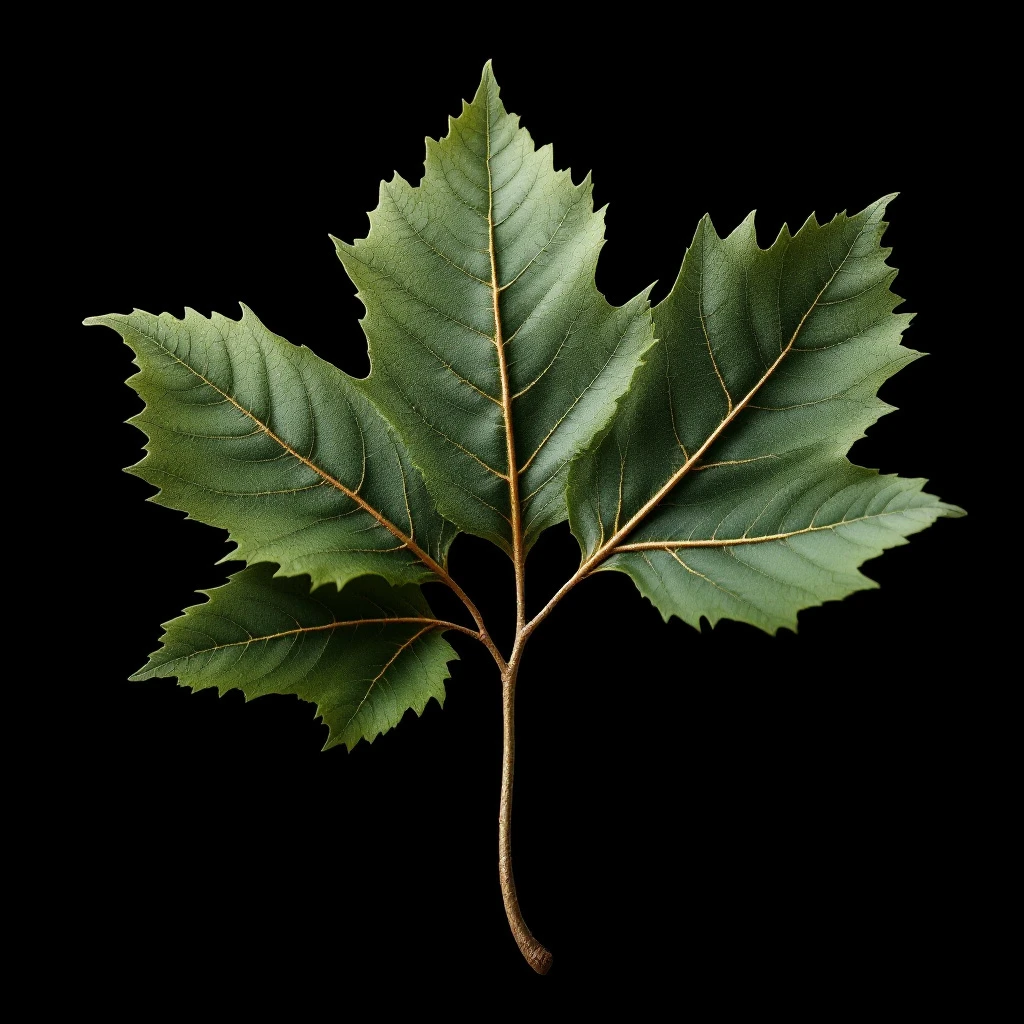
Mopane, the iconic resinous tree of southern Africa's lowland valleys, offers warm, balsamic notes that evoke dry wood and earthy undertones. While rare in commercial perfumery, its aromatic smoke holds deep cultural resonance across Zimbabwe, Botswana, and Namibia.
Character
How it smells
Africa's resinous giant with smoky, balsamic soul.
A single mature mopane tree can live for over 500 years, standing sentinel across the African savanna.


Origin
Zimbabwe
Mopane trees have shaped the cultural and spiritual landscape of southern Africa for centuries. The Shona, Ndebele, and other indigenous peoples of Zimbabwe and Botswana used mopane resin in ritual ceremonies, believing the trees held spiritual protective qualities. Local communities burned mopane wood during important life events, a practice that connected participants to generations past.
The trees dominate approximately one-third of Zimbabwe's land area, forming the distinctive mopane veld that defines the region's ecology. Colonial naturalists documented the trees extensively in the 19th century, noting their remarkable adaptation to harsh, hot environments. Today, mopane remains economically vital for rural communities, providing fuel, construction materials, and traditional medicine.
Its appearance in perfumery represents a recent phenomenon, driven by the global interest in African aromatic traditions.
Wears it best
Fragrances featuring Mopane

Brands
Brands known for Mopane
Good to know
Questions, answered
The essentials on Mopane in perfumery: how it smells, where it comes from, and how it behaves on skin.
What does mopane smell like?
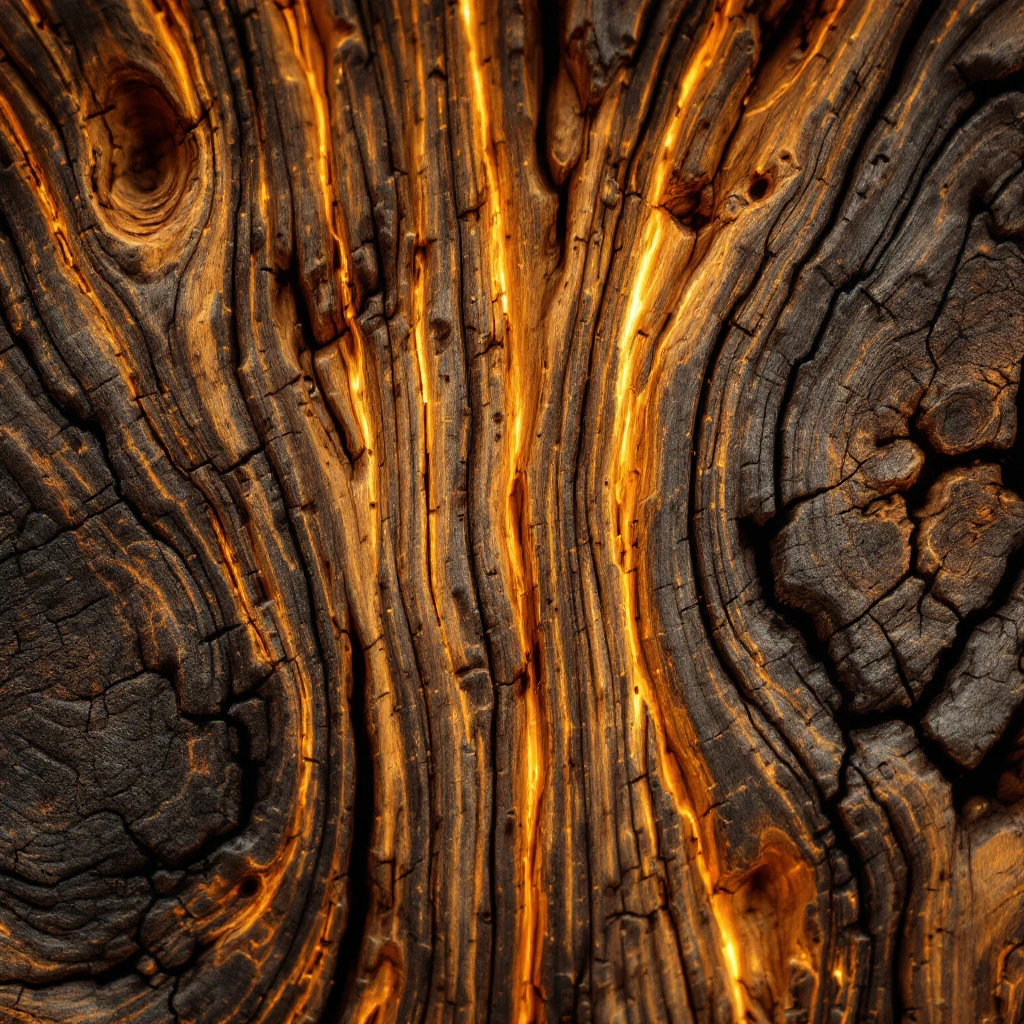
Mopane material typically has a warm, dry woody aroma with resinous and faintly smoky undertones. The scent is less sweet than sandalwood and more austere, similar to guaiac wood but with a distinct dusty, African savanna character.
Is mopane used in commercial perfumes?
Mopane is rarely used in mainstream commercial perfumery. It appears occasionally in niche fragrances that seek authentic African aromatic profiles, typically in small concentrations to support base note compositions.
Where does mopane grow?
Colophospermum mopane grows natively across southern Africa, particularly in Zimbabwe, Botswana, Namibia, and Zambia. The tree thrives in hot, low-lying areas with deep alluvial clay soils.
Is mopane sustainable to harvest?
Mopane trees grow slowly and can live for centuries. Sustainable harvesting practices are essential. Certified African suppliers typically limit extraction to fallen branches and deadwood rather than harvesting living trees.
What part of the mopane tree is used for fragrance?
Fragrance material comes from the heartwood and bark of mature trees. The resinous nature of the wood makes it suitable for extraction through maceration in carrier oils or gentle heat infusion.
Can mopane be synthetically reproduced?
Synthetic mopane is not available. The fragrance industry has not developed artificial reconstruction of mopane aroma due to limited commercial demand and the natural material's niche status.
What notes pair well with mopane?
Mopane complements other African woods, dry resins like frankincense, warm spices such as cardamom, and base materials like vetiver, patchouli, and ambrette seed.
Does mopane have traditional uses beyond fragrance?
Local communities across southern Africa have used mopane wood for centuries in ritual smoke ceremonies, traditional medicine, and as a primary fuel source. The bark is used in some regions for treating digestive ailments.