Amarula
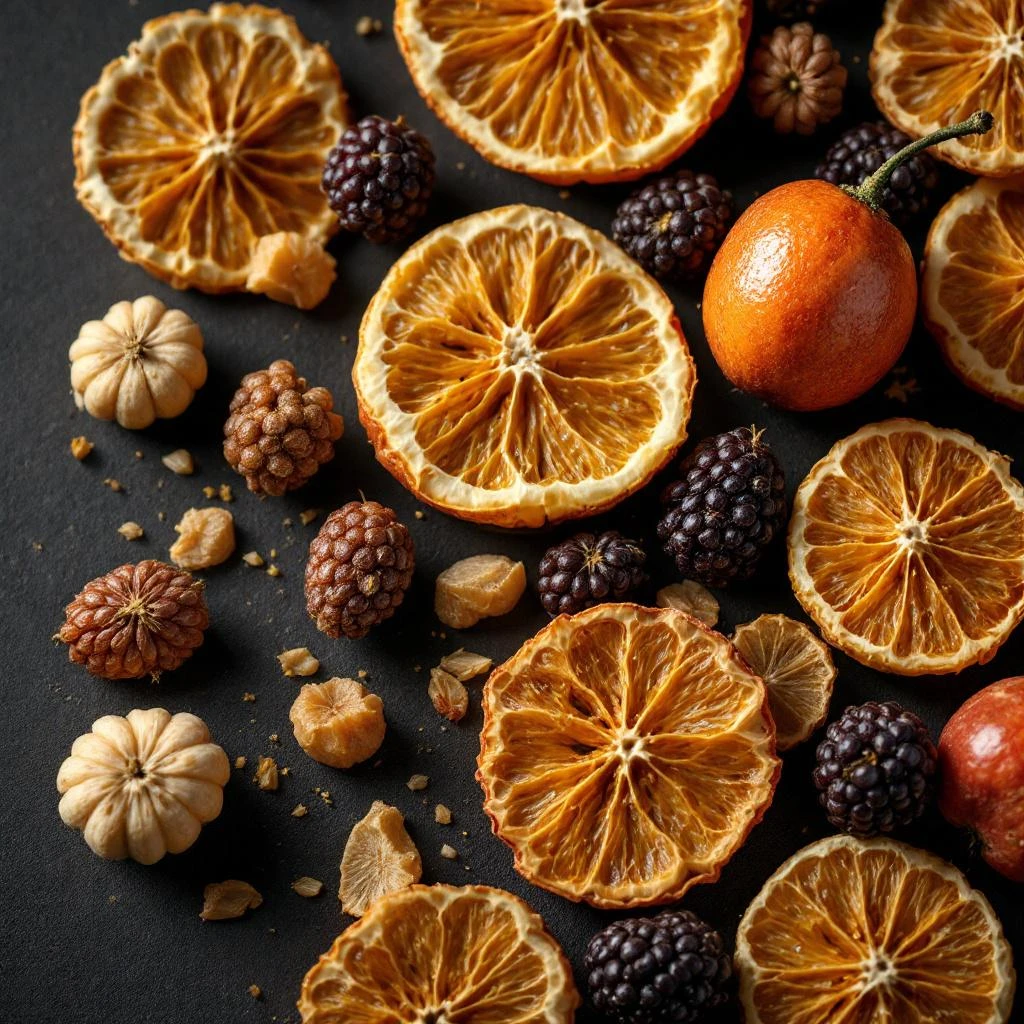
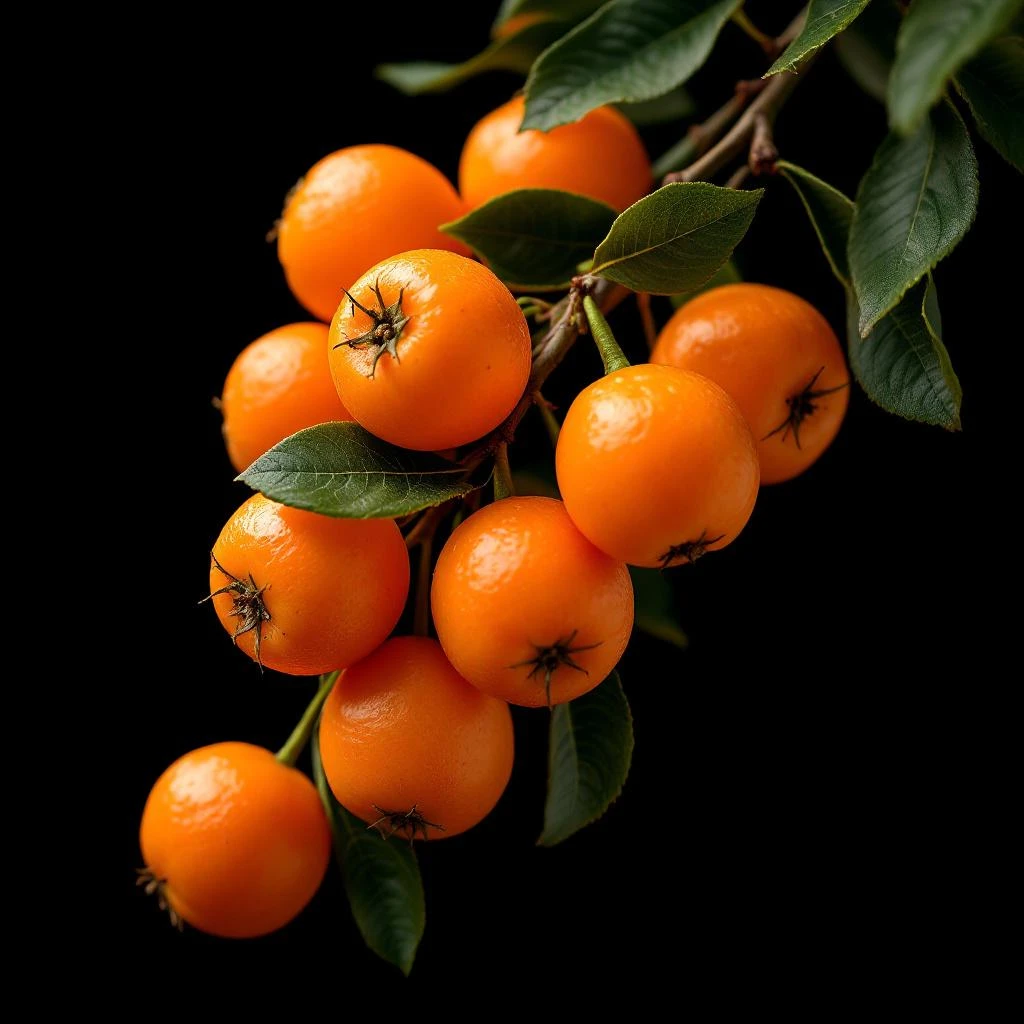
A warm, tropical fruit note from the marula tree that evokes sun-ripened mango, coconut cream, and a whisper of fermented sweetness native to African savannas.
Character
How it smells
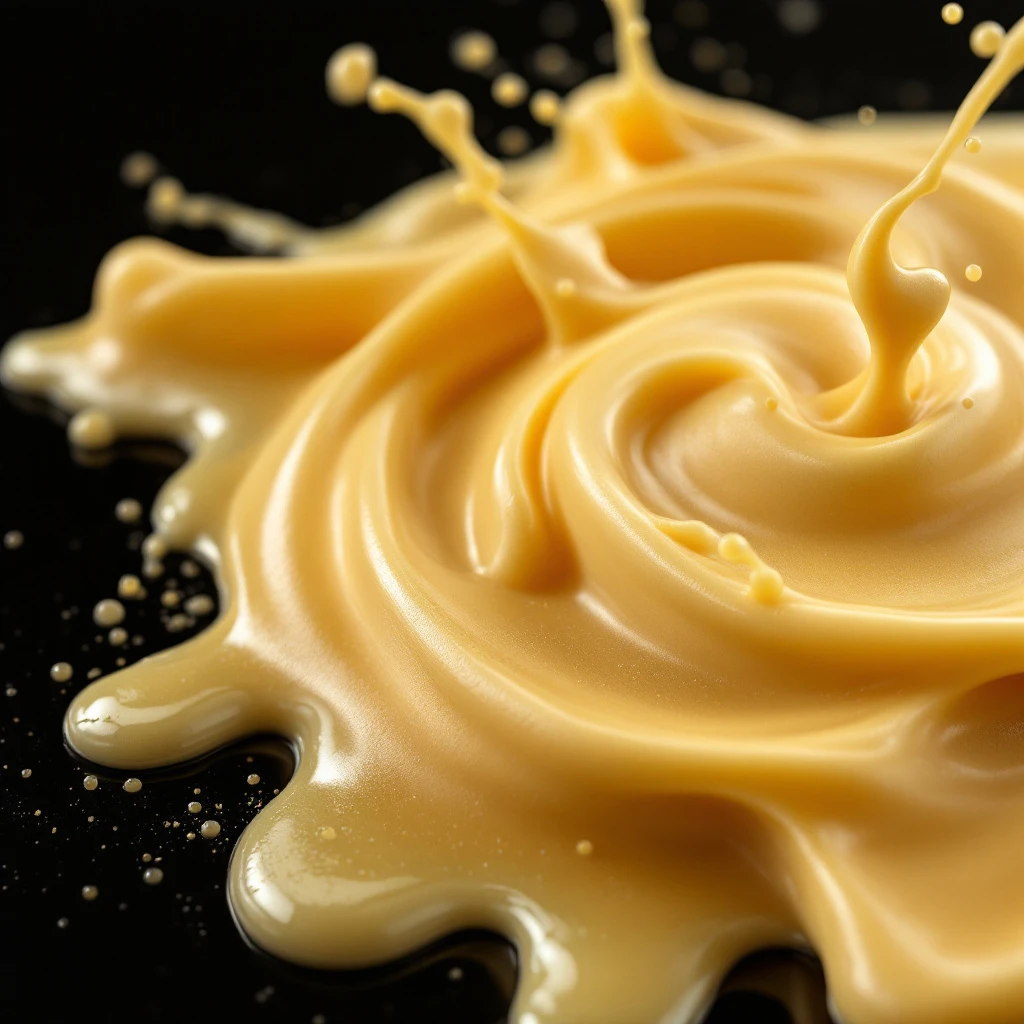
African cream. Tropical warmth.
Elephants are so partial to marula fruit that folklore claims they become intoxicated from eating fermented fallen fruits.

Origin
South Africa
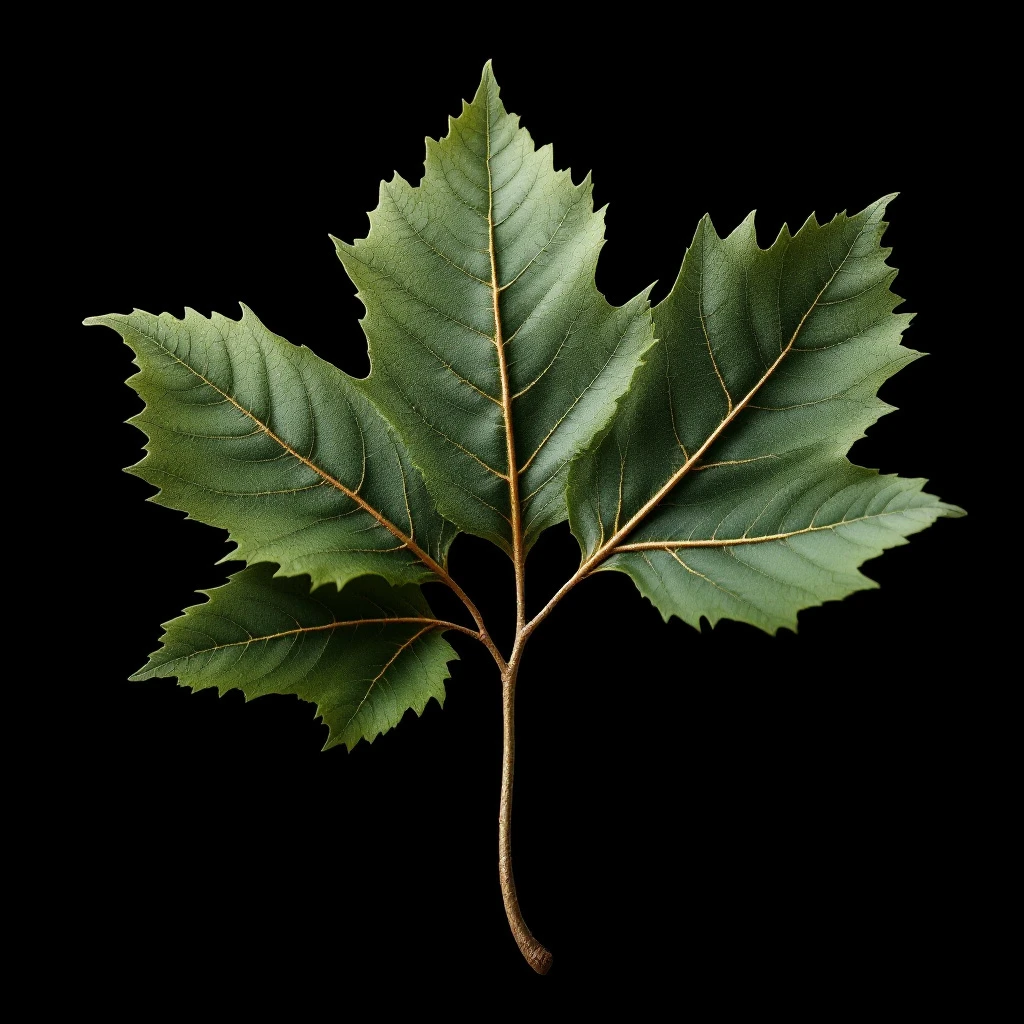
The marula tree holds a place of reverence across sub-Saharan Africa that extends far beyond its commercial value. For countless generations, African communities have gathered marula fruit as a staple food source, with women traditionally leading the harvest using long poles to reach fruits on wild trees.
Beyond sustenance, the fruit carries ceremonial significance in many cultures, featuring in rituals marking transitions from girlhood to womanhood. The preparation of traditional marula beer dates back centuries, a practice still maintained in rural communities today.
European colonists later introduced the fruit to global awareness, but it was South African distillers who created the internationally recognized Amarula liqueur in the late 1980s, drawing on these deep-rooted local traditions while building a new commercial category. In perfumery, the ingredient represents a bridge between indigenous African botanical knowledge and contemporary luxury fragrance creation.
Wears it best
Fragrances featuring Amarula
Brands
Brands known for Amarula
Good to know
Questions, answered
The essentials on Amarula in perfumery: how it smells, where it comes from, and how it behaves on skin.
What does Amarula smell like?
Amarula delivers tropical sweetness with dominant mango and coconut cream notes, accented by caramel undertones and a subtle fermented fruit edge reminiscent of the traditional liqueur.
Is Amarula used as a natural or synthetic ingredient in perfume?
Natural marula extract exists but remains uncommon due to seasonal harvests and limited supply, prompting most perfumers to use carefully crafted synthetic reconstructions of the note.
What types of fragrances feature Amarula notes?
Amarula appears predominantly in gourmand fragrances, especially women's perfumes, where it pairs with vanilla, tonka, and sandalwood to build warm, edible dry-downs.
Where does the marula fruit grow?
The marula tree grows wild across sub-Saharan Africa, from Ethiopia to South Africa, thriving in savanna and woodland environments without cultivation.
How is Amarula fruit harvested for perfumery?
Workers hand-pick ripe fruits from wild marula trees during the brief harvest season, typically using poles to reach fruits on branches, since no extensive plantations exist.
Does Amarula have cultural significance?
African communities have treasured the marula tree for centuries, using its fruit in traditional ceremonies, as a food source, and to prepare fermented beverages in rituals spanning generations.
What extraction method produces Amarula perfume material?
Solvent extraction preserves the fruit's delicate tropical esters and creamy notes, yielding a concentrated absolute that captures the marula's distinctive mango-coconut character.
How long has Amarula been used in perfume?
Marula entered contemporary perfumery relatively recently, gaining prominence in the 2000s as consumers sought exotic, globally-sourced ingredients beyond traditional European botanicals.