Loquat
Loquat brings a sun-drenched sweetness to perfumery, evoking ripe stone fruit and subtle floral warmth. This East Asian ingredient adds a translucent, golden quality rarely found in mainstream notes.
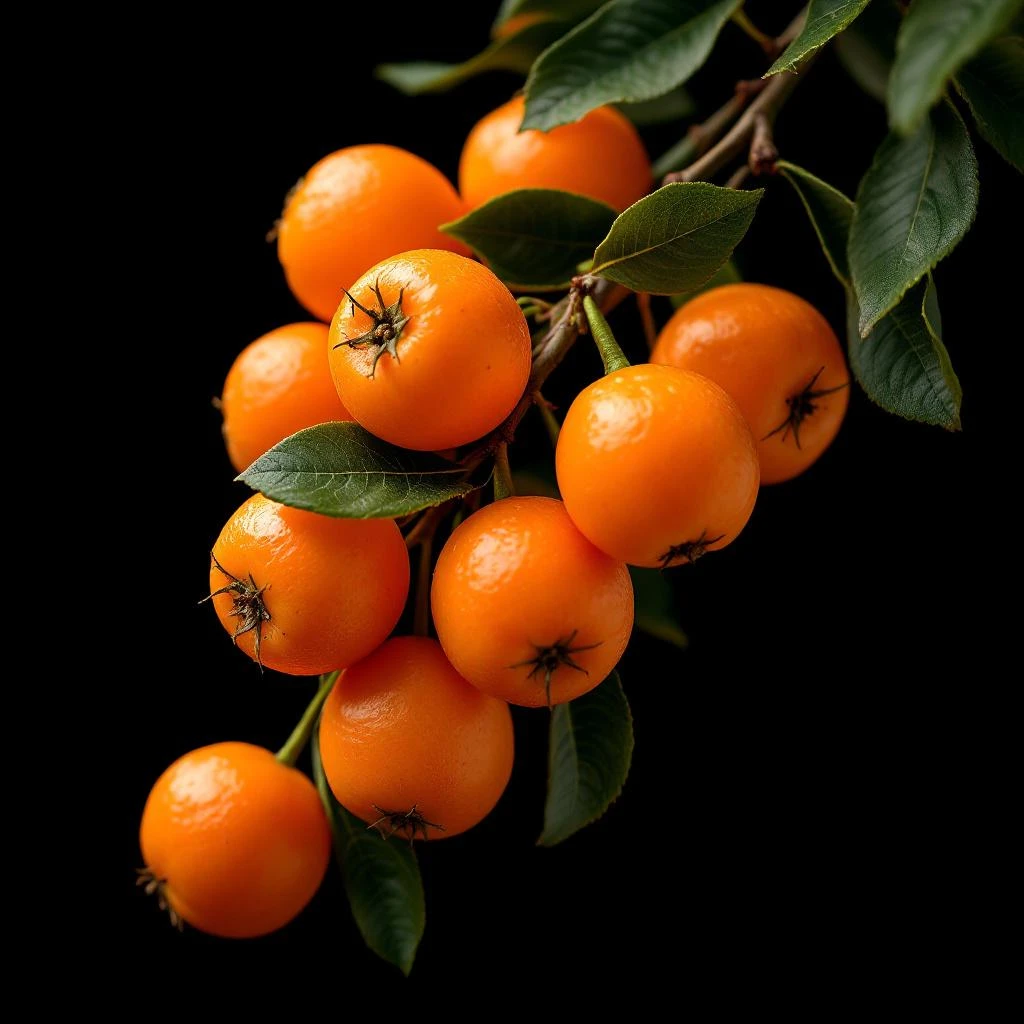
Character
How it smells
Sun-ripened stone fruit in a bottle
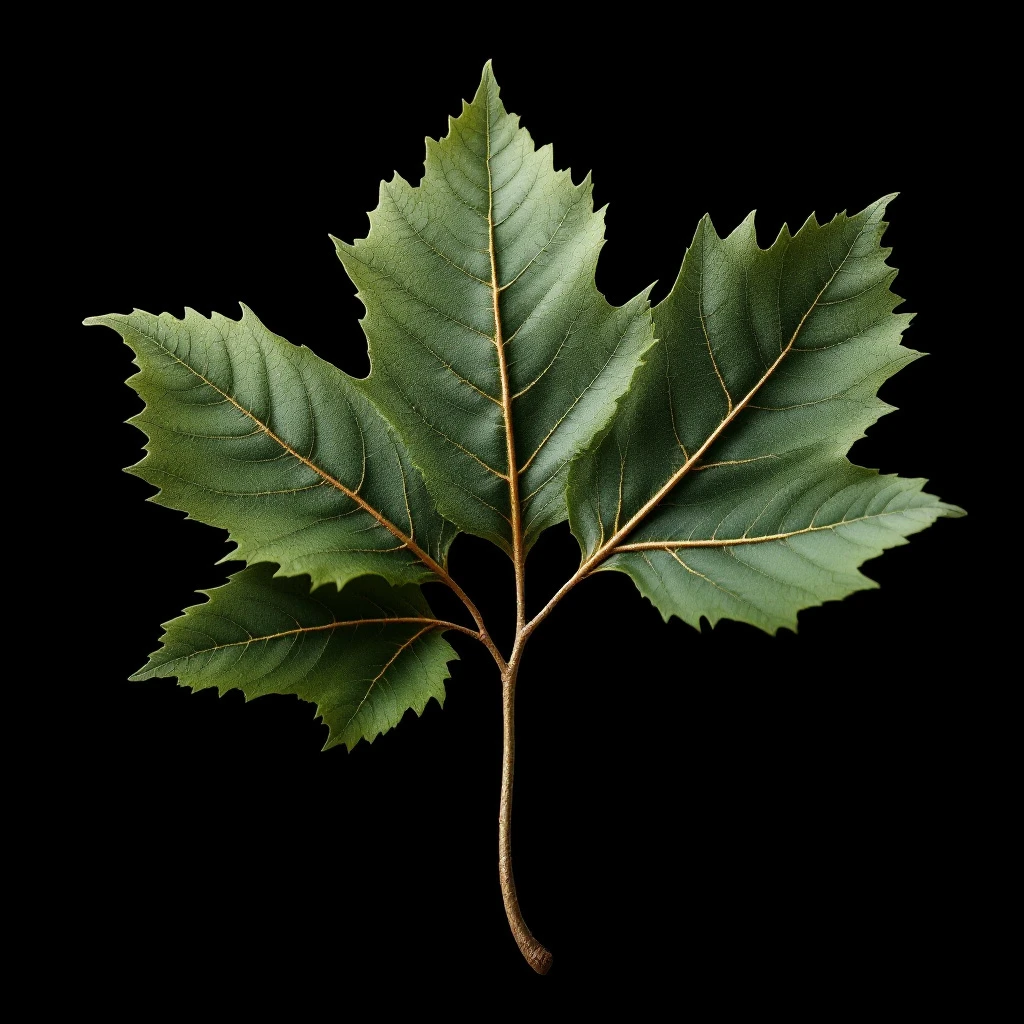
Loquat's botanical name, Eriobotrya japonica, references Japan, though the fruit originated in China's mountainous regions over 1,000 years before reaching Japanese cultivation.





Origin
China
Eriobotrya japonica originated in the hill country of southeastern China, where wild specimens still grow. Chinese texts document loquat cultivation dating to the Tang Dynasty, and the fruit held a place in imperial gardens. Japanese monks brought plants to Japan during the Heian period, where the species became firmly established and earned its misleading botanical name.
The fruit spread along trade routes through Southeast Asia and eventually to Mediterranean regions in the 18th century. While not a traditional perfumery ingredient, loquat's aromatic profile has attracted attention from fragrance creators seeking to expand fruity notes beyond common choices like peach and apple.
Wears it best
Fragrances featuring Loquat

Brands
Brands known for Loquat
Good to know
Questions, answered
The essentials on Loquat in perfumery: how it smells, where it comes from, and how it behaves on skin.
What does loquat smell like?
Loquat captures sun-ripened stone fruit sweetness with honeyed undertones and a subtle green edge. The scent reads as peachy and apricot-forward with a translucent, golden quality distinct from heavier tropical fruits.
Is loquat natural or synthetic in perfume?
True natural loquat extract remains rare due to rapid aromatic degradation after harvest. Most perfumers work with loquat accords that authentically recreate the fruit's profile using natural and synthetic materials.
When was loquat introduced to perfumery?
Loquat appears in contemporary fragrances primarily from the 2000s onward, as perfumers expanded beyond traditional fruit notes. The ingredient remains uncommon but is gaining visibility in niche and artistic perfumery.
What family does the loquat plant belong to?
Eriobotrya japonica belongs to the Rosaceae family, sharing botanical kinship with apple, pear, and rose. This lineage explains some of loquat's aromatic similarities to these more established perfumery materials.
What role does loquat play in fragrance compositions?
Loquat functions as a fruity top note that adds warmth and approachability. It works particularly well with floral and green components, bringing a natural sweetness that reads as fresh rather than synthetic.
Can loquat be extracted using standard methods?
Standard steam distillation fails with loquat due to heat-sensitive compounds. Supercritical CO2 extraction offers better results, though yields remain limited and costly compared to more established fruity materials.
Is loquat related to any other perfumery ingredients?
Loquat shares aromatic compounds with peach, apricot, and轻度 floral materials like osmanthus. Perfumers sometimes combine these materials when crafting loquat accords or complementary fruity compositions.
Which perfumes feature loquat prominently?
Notable examples include Arquiste's L'Air des Landes and Strangelove NYC's Amsterdam, though loquat more often appears as a supporting note rather than a central ingredient in fragrance formulas.